Huang Haiqin, Shao Lanlan, Chen Yan, Tang Lan, Liu Tianqing, Li Junxu, Zhu Hongyan
Department of Pharmaceutics School of Pharmacy, Nantong University Nantong China.
NICM Health Research Institute Western Sydney University Westmead New South Wales Australia.
Bioeng Transl Med. 2021 Dec 27;7(2):e10284. doi: 10.1002/btm2.10284. eCollection 2022 May.
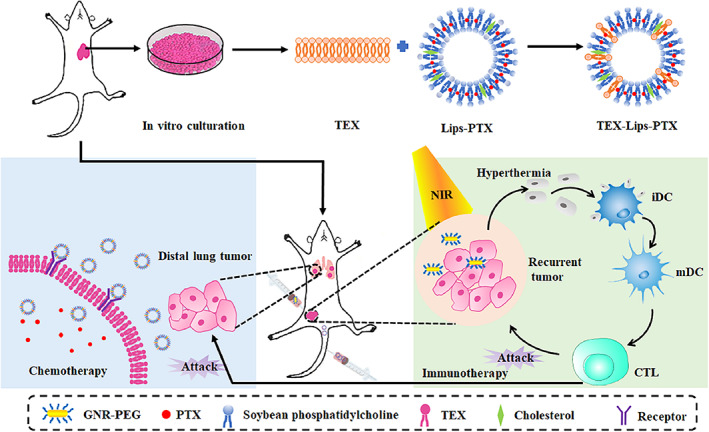
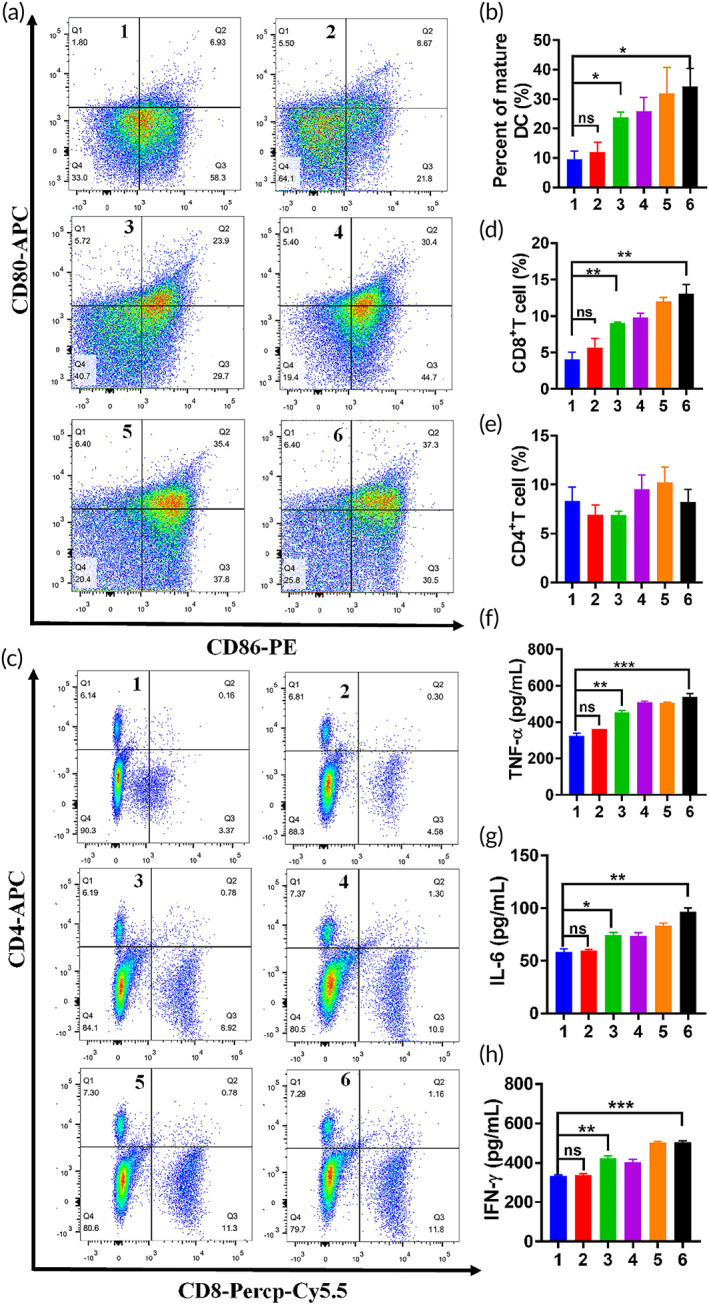
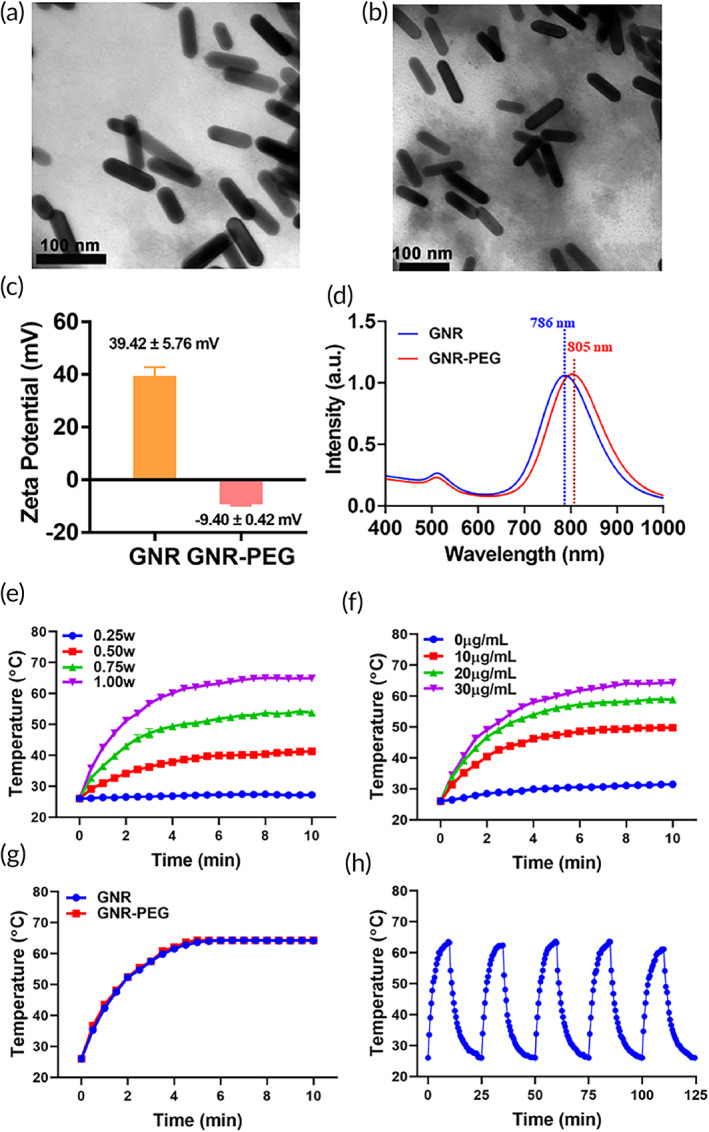
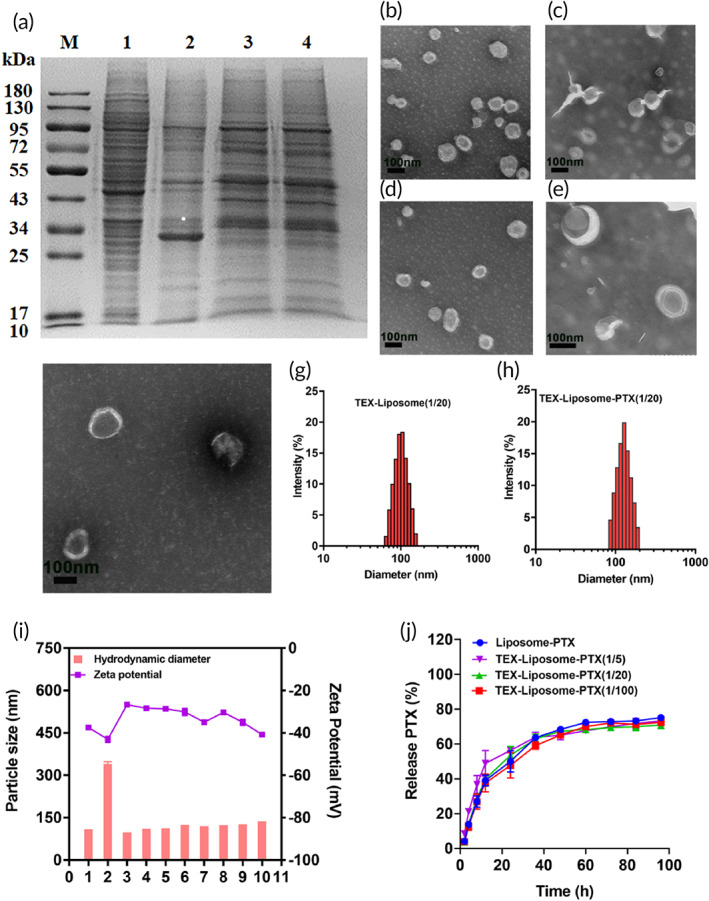
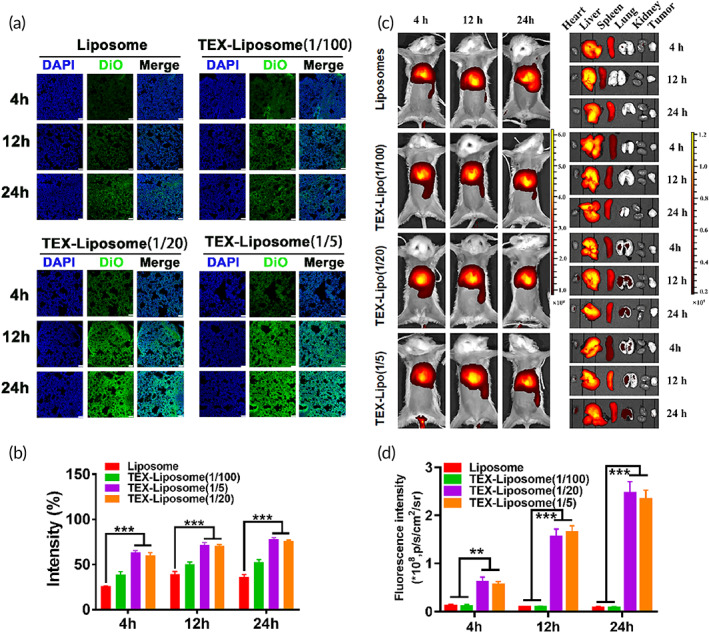
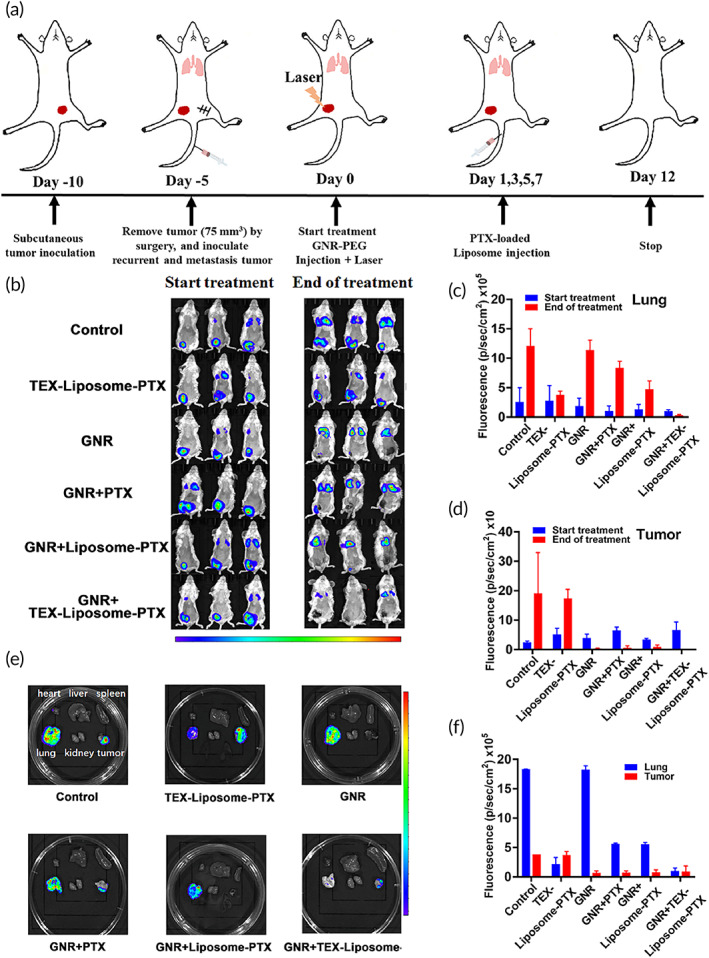
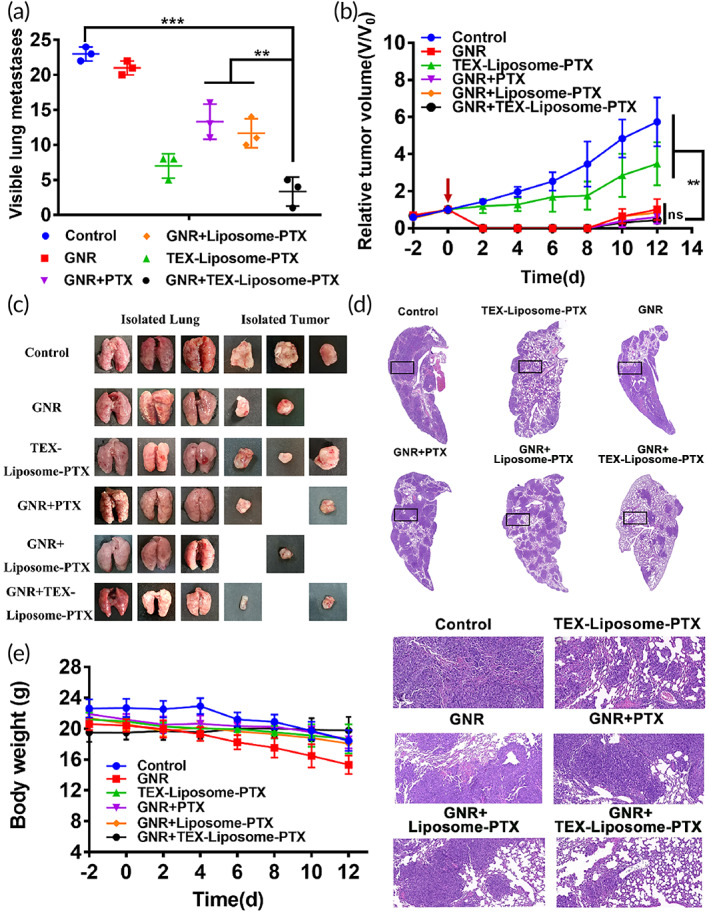
Advanced breast cancer with recurrent and distal organ metastasis is aggressive and incurable. The current existing treatment strategies for advanced breast cancer are difficult to achieve synergistic treatment of recurrent tumors and distant metastasis, resulting in poor clinical outcomes. Herein, a synergistic therapy strategy composed of biomimetic tumor-derived exosomes (TEX)-Liposome-paclitaxel (PTX) with lung homing properties and gold nanorods (GNR)-PEG, was designed, respectively. GNR-PEG, with well biocompatibility, cured recurrent tumors effectively by thermal ablation under the in situ NIR irradiation. Meanwhile, GNR-mediated thermal ablation activated the adaptive antitumor immune response, significantly increased the level of CD8 T cells in lungs and the concentration of serum cytokines (tumor necrosis factor-α, interlekin-6, and interferon-γ). Subsequently, TEX-Liposome-PTX preferentially accumulated in lung tissues due to autologous tumor-derived TEX with inherent specific affinity to lung, resulting in a better therapeutic effect on lung metastasis tumors with the assistance of adaptive immunotherapy triggered by GNR in vivo. The enhanced therapeutic efficacy in advanced breast cancer was a combination of thermal ablation, adaptive antitumor immunotherapy, and targeted PTX chemotherapy. Hence, the synergistic strategy based on GNR and TEX-Liposome provides selectivity to clinical treatment of advanced breast cancer with recurrent and metastasis.
伴有复发和远处器官转移的晚期乳腺癌具有侵袭性且无法治愈。目前现有的晚期乳腺癌治疗策略难以实现对复发性肿瘤和远处转移的协同治疗,导致临床疗效不佳。在此,分别设计了一种由具有肺归巢特性的仿生肿瘤衍生外泌体(TEX)-脂质体-紫杉醇(PTX)和金纳米棒(GNR)-聚乙二醇(PEG)组成的协同治疗策略。具有良好生物相容性的GNR-PEG在近红外原位照射下通过热消融有效治愈复发性肿瘤。同时,GNR介导的热消融激活了适应性抗肿瘤免疫反应,显著提高了肺中CD8 T细胞水平和血清细胞因子(肿瘤坏死因子-α、白细胞介素-6和干扰素-γ)的浓度。随后,由于源自自体肿瘤的TEX对肺具有固有的特异性亲和力,TEX-脂质体-PTX优先在肺组织中蓄积,在体内GNR触发的适应性免疫治疗的辅助下,对肺转移瘤产生更好的治疗效果。晚期乳腺癌治疗效果的增强是热消融、适应性抗肿瘤免疫治疗和靶向PTX化疗的结合。因此,基于GNR和TEX-脂质体的协同策略为伴有复发和转移的晚期乳腺癌的临床治疗提供了选择性。