Kim Yong-Kyu, Han Jung-Suk, Yoon Hyung-In
Department of Prosthodontics, School of Dentistry and Dental Research Institute, Seoul National University, Seoul, Republic of Korea.
J Adv Prosthodont. 2022 Apr;14(2):122-132. doi: 10.4047/jap.2022.14.2.122. Epub 2022 Apr 27.
This analysis aimed to compare the intaglio trueness, the antagonist's wear volume loss, and fracture load of various single-unit zirconia prostheses fabricated by different manufacturing techniques.
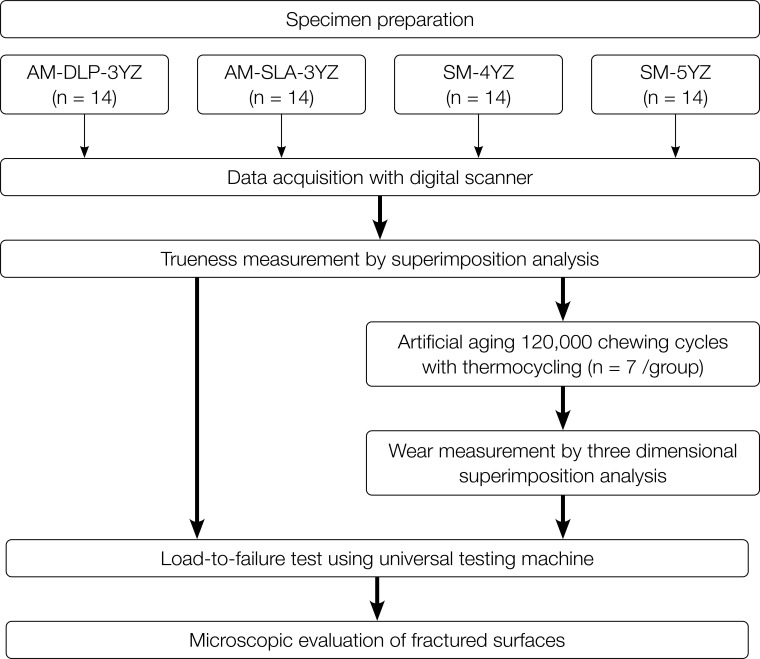
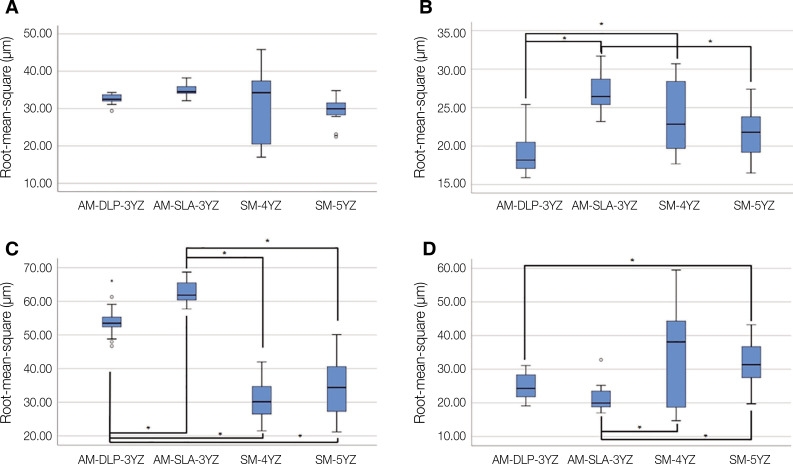
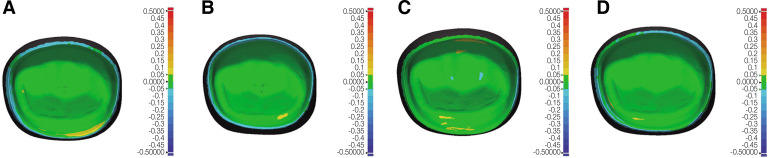
Zirconia crowns were prepared into four different groups (n = 14 per group) according to the manufacturing techniques and generations of the materials. The intaglio surface trueness (root-mean-square estimates, RMS) of the crown was measured at the marginal, axial, occlusal, and inner surface areas. Half of the specimens were artificially aged in the chewing simulator with 120,000 cycles, and the antagonist's volume loss after aging was calculated. The fracture load for each crown group was measured before and after hydrothermal aging. The intaglio trueness was evaluated with Welch's ANOVA and the antagonist's volume loss was assessed by the Kruskal-Wallis tests. The effects of manufacturing and aging on the fracture resistance of the tested zirconia crowns were determined by two-way ANOVA.
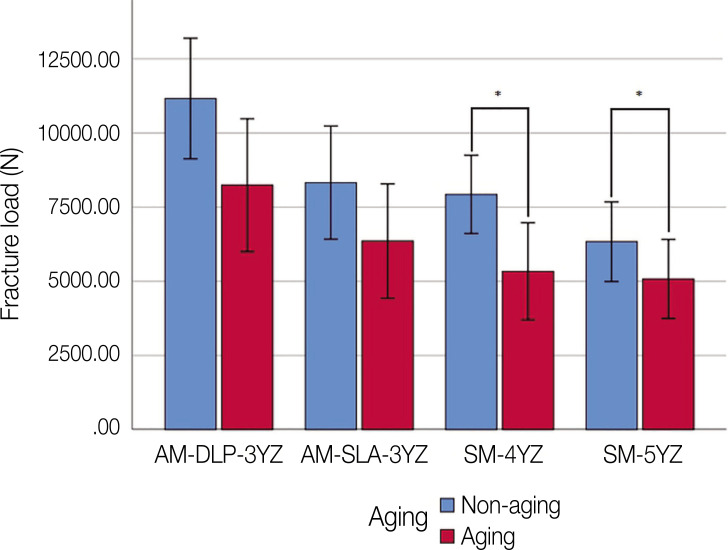
The trueness analysis of the crown intaglio surfaces showed surface deviation (RMS) within 50 µm, regardless of the manufacturing methods ( = .053). After simulated mastication, no significant differences in the volume loss of the antagonists were observed among the zirconia groups ( = .946). The manufacturing methods and simulated chewing had statistically significant effects on the fracture resistance ( < .001).
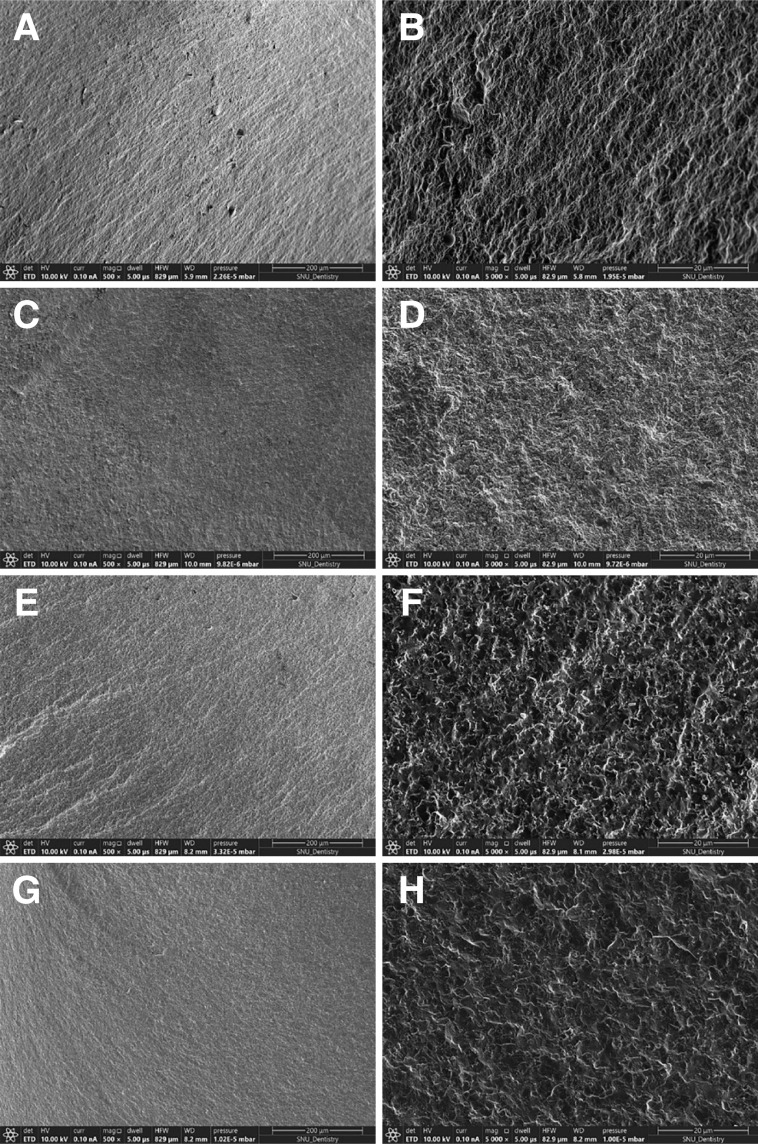
The intaglio surface trueness, fracture resistance, and antagonist's wear volume of the additively manufactured 3Y-TZP crown were clinically acceptable, as compared with those of the 4Y- or 5Y-PSZ crowns produced by subtractive milling.
本分析旨在比较通过不同制造技术制造的各种单单位氧化锆假体的凹面真实性、对颌牙磨损体积损失和断裂载荷。
根据材料的制造技术和代次,将氧化锆冠分为四个不同组(每组n = 14)。在边缘、轴向、咬合和内表面区域测量冠的凹面表面真实性(均方根估计值,RMS)。一半的标本在咀嚼模拟器中进行120,000次循环的人工老化,并计算老化后对颌牙的体积损失。在水热老化前后测量每个冠组的断裂载荷。用Welch方差分析评估凹面真实性,用Kruskal-Wallis检验评估对颌牙的体积损失。通过双向方差分析确定制造和老化对测试氧化锆冠抗断裂性的影响。
无论制造方法如何,冠凹面表面的真实性分析显示表面偏差(RMS)在50 µm以内(P = .053)。模拟咀嚼后,氧化锆组之间对颌牙的体积损失没有显著差异(P = .946)。制造方法和模拟咀嚼对断裂抗性有统计学显著影响(P < .001)。
与通过减材铣削生产的4Y-或5Y-PSZ冠相比,增材制造的3Y-TZP冠的凹面表面真实性、抗断裂性和对颌牙磨损体积在临床上是可接受的。