Department of Food Engineering and Technology, Tezpur University, Tezpur, Assam, India.
Department of Molecular Biology and Biotechnology, Tezpur University, Tezpur, Assam, India.
Sci Rep. 2022 May 24;12(1):8735. doi: 10.1038/s41598-022-12524-7.
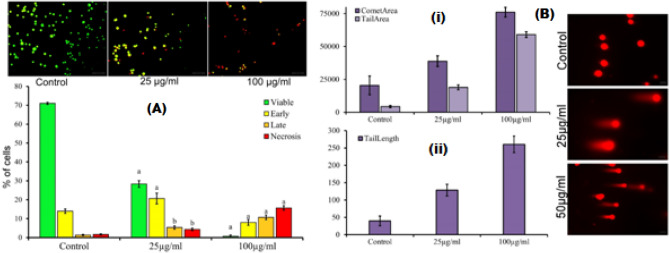
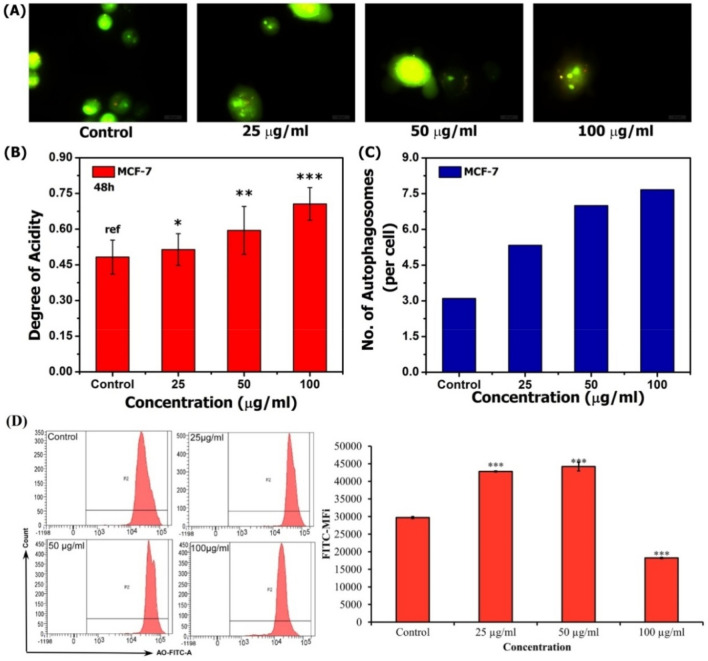
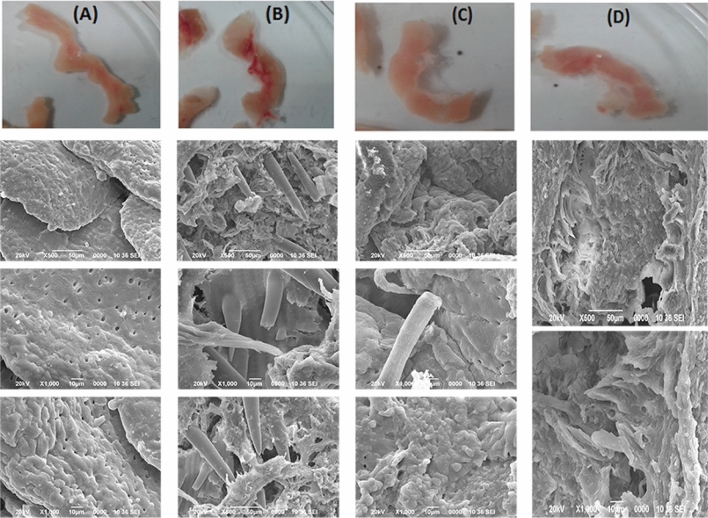
Salicylic acid phenylethyl ester (SAPE) was synthesized by Zn(OTf)-catalyzed selective esterification of salicylic acid and phenylethyl alcohol and studied for its role as an immunomodulatory and anticancer agent. Low toxicity and favorable physical, Lipinski-type, and solubility properties were elucidated by ADME-tox studies. Molecular docking of SAPE against COX-2 revealed favorable MolDockscore, rerank score, interaction energy, internal pose energy, and hydrogen bonding as compared to ibuprofen and indomethacin. An average RMSD of ~ 0.13 nm for the docked complex with stable dynamic equilibrium condition was noted during the 20 ns MD simulation. A low band gap predicting a strong binding affinity at the enzyme's active site was further predicted by DFT analysis. The ester caused a reduction in the percentage of erythrocyte hemolysis and was shown to be non-cytotoxic against human lymphocytes, CaCo-2, and HepG-2 cells by the MTT assay. Moreover, it's in vitro efficacy in inhibiting COX-2 enzyme under both LPS stimulated intestinal cells and direct sequestration assays was found to be higher than salicylic acid and indomethacin. The anticancer activity of SAPE was tested on the breast cancer cell line MCF-7, and potential efficacy was exhibited in terms of decreased cell viability. Flow cytometry analysis exhibited the arrest of the cell cycle at G1/G0 and S phases, during which induction of autophagic vesicle formation and decrease in mitochondrial membrane potential was observed owing to increased ROS production. Furthermore, at these phases, the onset of apoptosis along with DNA damage was also observed. Pre-treatment with SAPE in colitis-induced Wistar rats displayed low disease activity index and reduction in the extent of intestinal tissue disruption and lipid peroxidation. A marked increase of anti-oxidative enzymes viz., catalase, GGT, and GST, and a decrease of pro-inflammatory cytokines IL-6 and TNF-α in the intestinal tissue extracts of the treated groups was noted. The results of this study have sufficient credence to support that the synthesised ester (SAPE) be considered as an anti-oxidative and anti-inflammatory compound with therapeutic potential for the effective management of cancer.
水杨酸苯乙酯(SAPE)是通过 Zn(OTf)催化水杨酸和苯乙醇的选择性酯化合成的,并研究了其作为免疫调节剂和抗癌剂的作用。通过 ADME-tox 研究阐明了低毒性和有利的物理、Lipinski 型和溶解度特性。SAPE 与 COX-2 的分子对接表明,与布洛芬和吲哚美辛相比,MolDockscore、重新排名得分、相互作用能、内部构象能和氢键具有更好的性能。在 20ns MD 模拟过程中,注意到对接复合物具有稳定的动态平衡条件,平均 RMSD 约为 0.13nm。DFT 分析进一步预测,低能带隙表明在酶的活性部位具有很强的结合亲和力。通过 MTT 测定,该酯可降低红细胞溶血百分比,并且对人淋巴细胞、CaCo-2 和 HepG-2 细胞表现出非细胞毒性。此外,在 LPS 刺激的肠细胞和直接螯合测定中,它抑制 COX-2 酶的体外功效均高于水杨酸和吲哚美辛。SAPE 的抗癌活性在乳腺癌细胞系 MCF-7 上进行了测试,在降低细胞活力方面表现出潜在的功效。流式细胞术分析显示细胞周期在 G1/G0 和 S 期停滞,在此期间观察到自噬小泡形成增加和线粒体膜电位降低,这是由于 ROS 产生增加所致。此外,在这些阶段,还观察到凋亡的发生以及 DNA 损伤。在结肠炎诱导的 Wistar 大鼠中进行 SAPE 预处理显示疾病活动指数低,并且肠组织破坏和脂质过氧化程度降低。治疗组肠组织提取物中抗氧化酶(如过氧化氢酶、GGT 和 GST)明显增加,促炎细胞因子 IL-6 和 TNF-α 减少。这项研究的结果有足够的可信度支持将合成的酯(SAPE)视为具有治疗潜力的抗氧化和抗炎化合物,可有效管理癌症。