Zhang Genhao
Department of Blood Transfusion, The First Affiliated Hospital of Zhengzhou University, Zhengzhou, People's Republic of China.
J Hepatocell Carcinoma. 2022 May 19;9:423-436. doi: 10.2147/JHC.S363200. eCollection 2022.
Complex crosstalk between tumor cells and platelets is closely related to the development, relapse, and drug resistance of hepatocellular carcinoma (HCC). Therefore, an intensive analysis of the relationship between platelet-related genes and the effectiveness of immunotherapy is necessary for improving the poor prognosis of HCC patients.
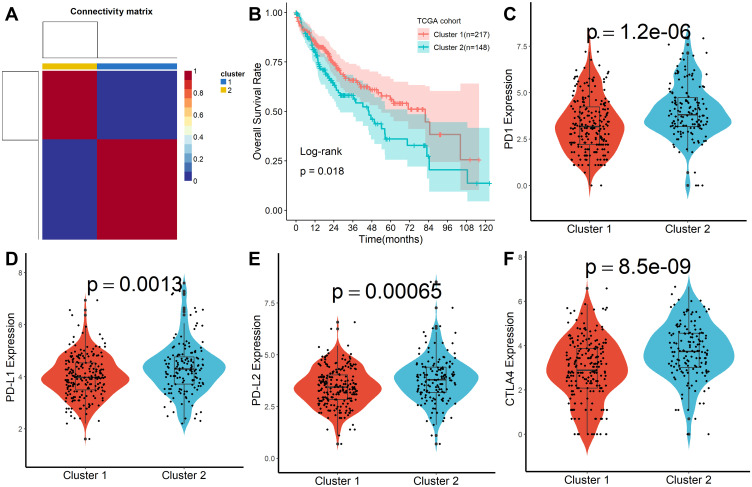
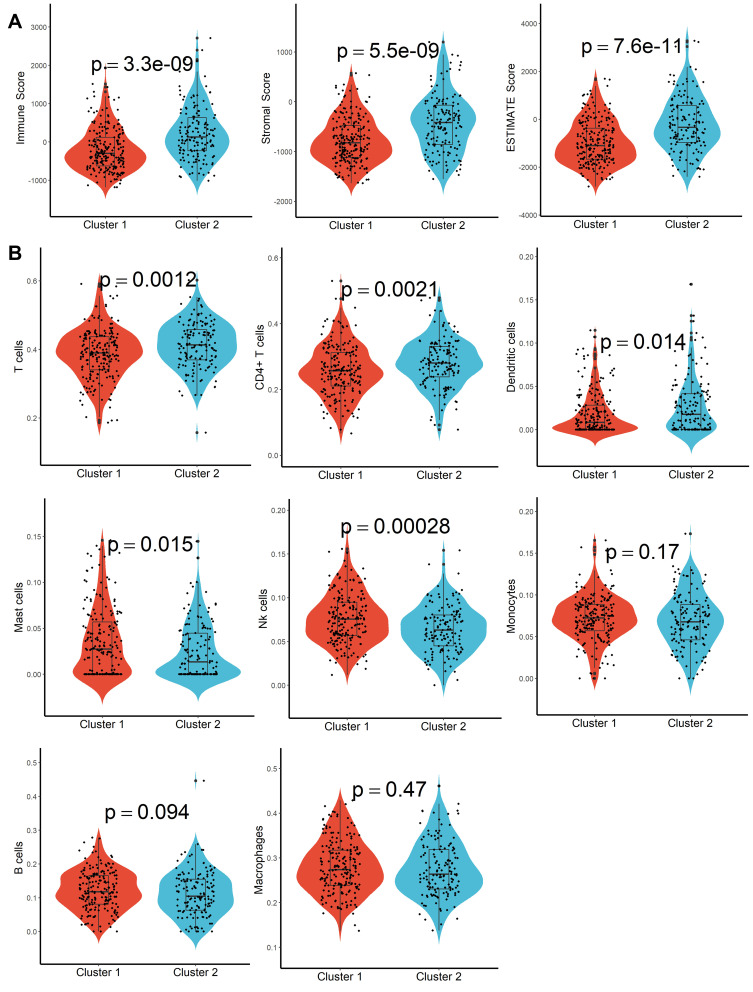
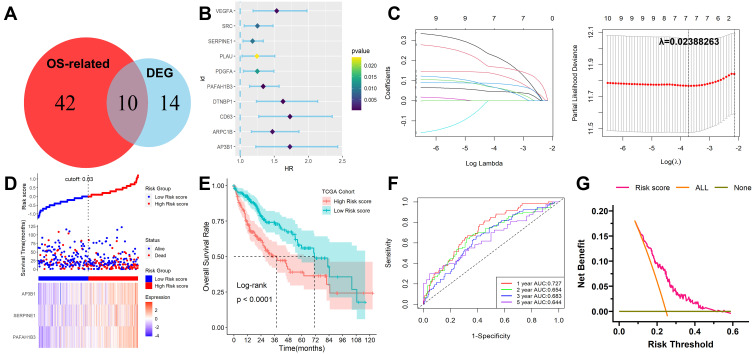
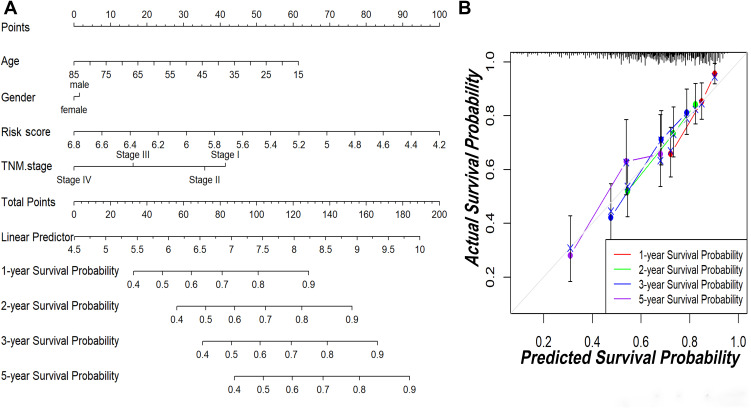
Genes associated with platelets in the GeneCards database were collected and were used to identify molecular subtypes using a non-negative matrix decomposition algorithm (NMF) and constructed a platelet-related genes-based prognostic stratification model by the LASSO-Cox regression and stepwise Cox regression analysis. The effect of this feature on the immune microenvironment of HCC and the response to immune checkpoint inhibitors was also explored.
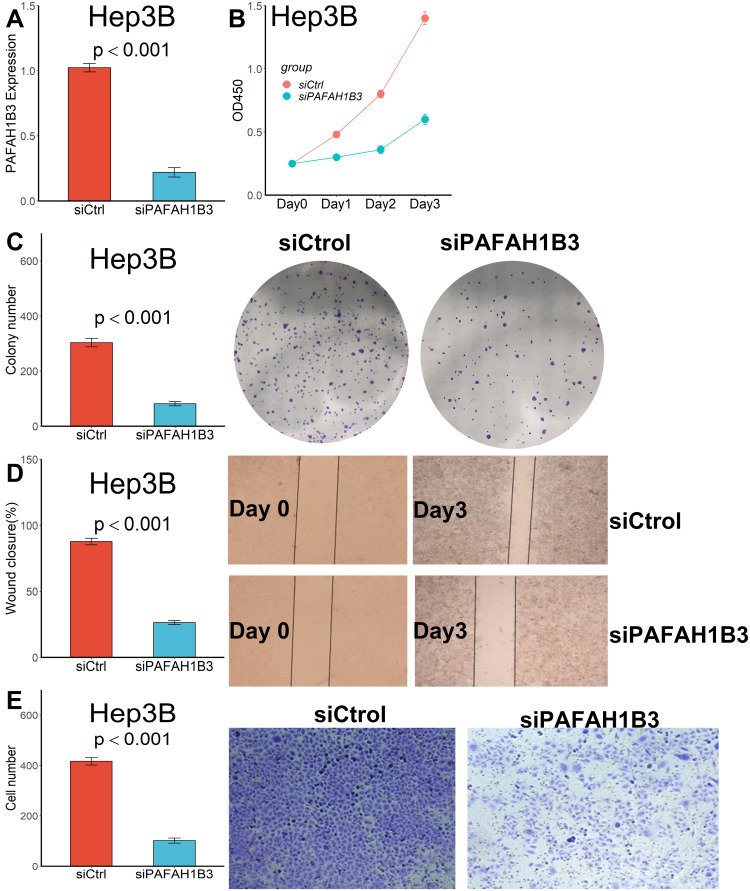
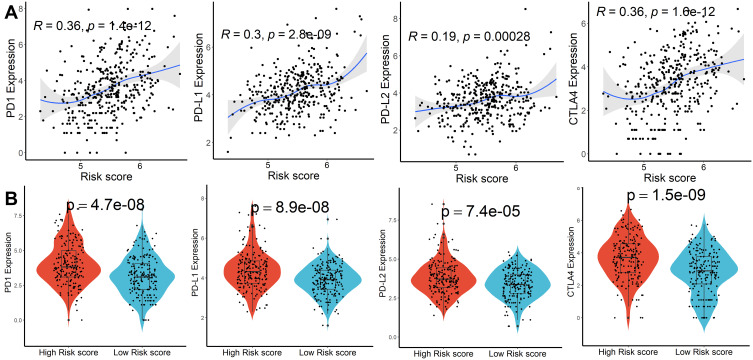
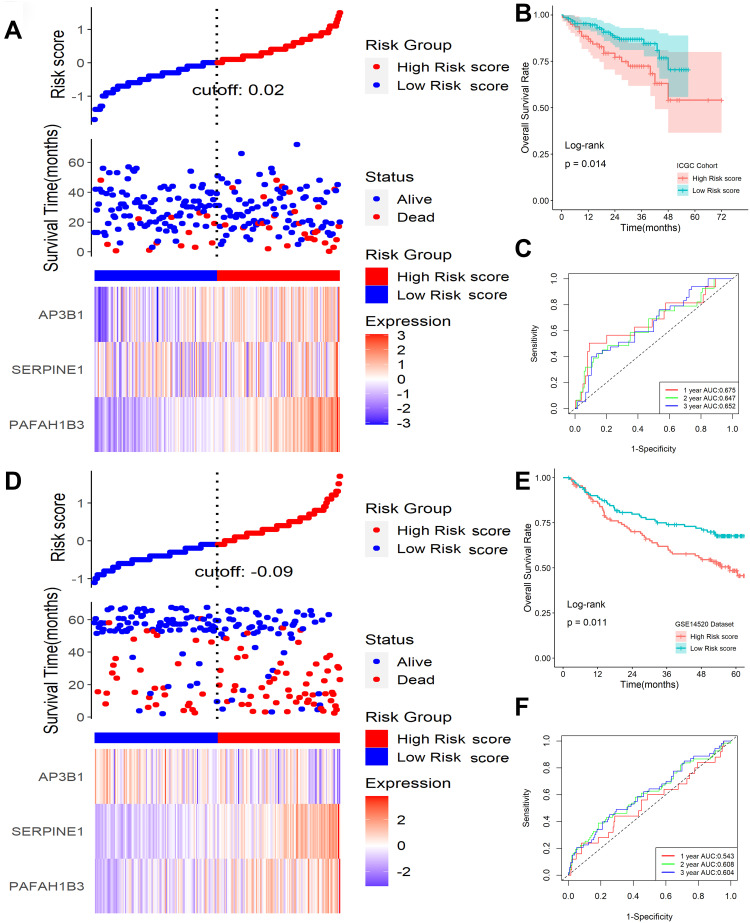
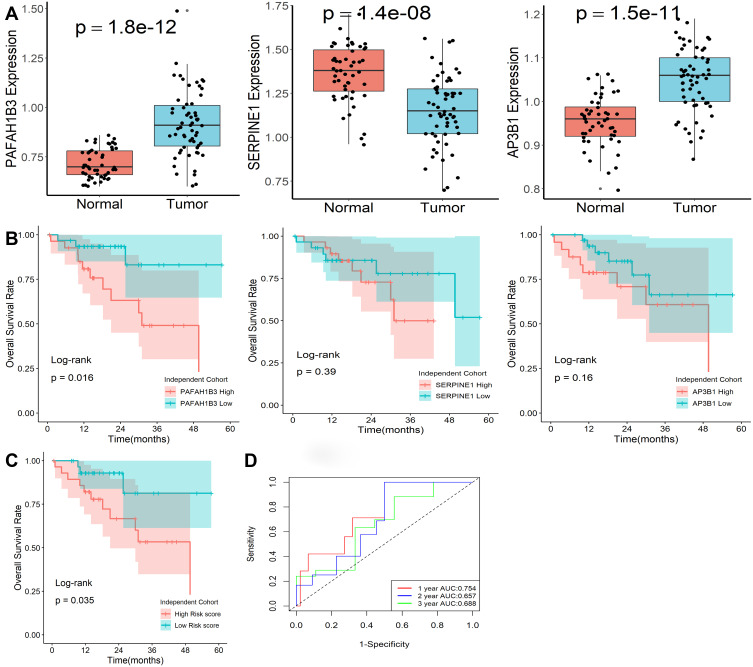
After identifying two molecular subtypes, we constructed a platelet-related genes-based prognostic stratification model that can be effectively used for immune checkpoint inhibitor (PD1, PD-L1, PD-L2, and CTLA4) efficacy and prognosis prediction in HCC patients, which was subsequently validated using patient samples from ICGC, GSE14520 and a small sample size clinical cohort. We also found downregulation of PAFAH1B3 remarkably inhibited the proliferation and migration ability of Hep3B cells by cytological experiments.
We constructed a prognostic classifier based on platelet-related genes that could effectively classify HCC patients for prognostic prediction and provide new light on the selection of optimal individualized antiplatelet therapy for HCC patients in future clinical practice.
肿瘤细胞与血小板之间复杂的串扰与肝细胞癌(HCC)的发生、复发及耐药性密切相关。因此,深入分析血小板相关基因与免疫治疗疗效之间的关系对于改善HCC患者的不良预后至关重要。
收集GeneCards数据库中与血小板相关的基因,使用非负矩阵分解算法(NMF)识别分子亚型,并通过LASSO-Cox回归和逐步Cox回归分析构建基于血小板相关基因的预后分层模型。还探讨了该特征对HCC免疫微环境及免疫检查点抑制剂反应的影响。
在识别出两种分子亚型后,我们构建了一个基于血小板相关基因的预后分层模型,该模型可有效用于预测HCC患者免疫检查点抑制剂(PD1、PD-L1,、PD-L2和CTLA4)的疗效和预后,随后使用来自ICGC、GSE14520的患者样本及一个小样本量临床队列进行了验证。我们还通过细胞学实验发现,PAFAH1B3的下调显著抑制了Hep3B细胞的增殖和迁移能力。
我们构建了一个基于血小板相关基因的预后分类器,可有效对HCC患者进行预后预测分类,并为未来临床实践中为HCC患者选择最佳个体化抗血小板治疗提供新的思路。