Grout Sarah, Dave Madhuri, Lefort Roxanna
Department of Pediatrics Indiana University School of Medicine Indianapolis Indiana USA.
Division of Pediatric Emergency Medicine Department of Emergency Medicine Indiana University School of Medicine Indianapolis Indiana USA.
J Am Coll Emerg Physicians Open. 2022 May 23;3(3):e12740. doi: 10.1002/emp2.12740. eCollection 2022 Jun.
Annually, close to 5000 children under age 6 years are treated in emergency departments or admitted for care due to opioid exposures. Naloxone is effectively used to treat opioid overdose in both children and adults. Non-cardiogenic pulmonary edema is a rare but serious adverse effect of naloxone administration that has been reported in adults.
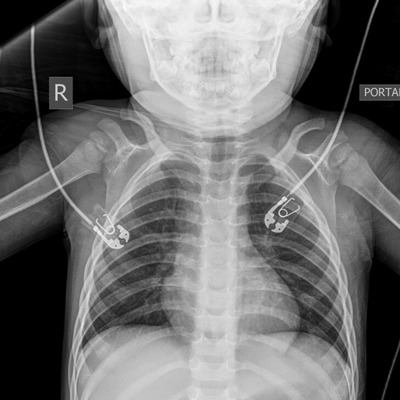
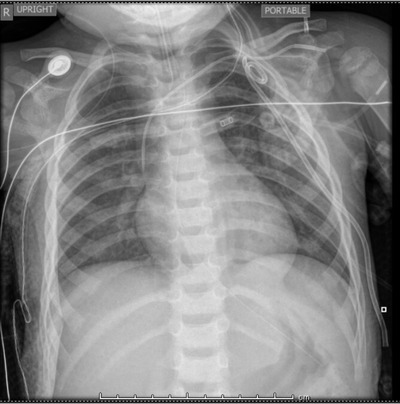
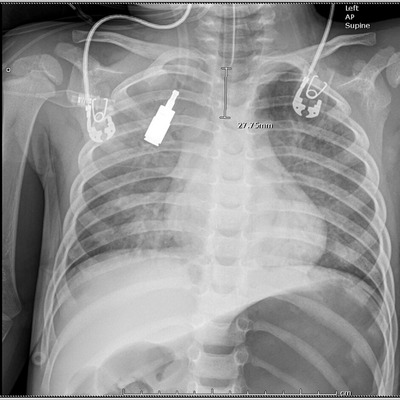
We present the case of a 3-year-old male with suspected opioid overdose who developed acute hypoxia due to pulmonary edema after administration of naloxone following a likely prolonged downtime.
WHY SHOULD AN EMERGENCY PHYSICIAN BE AWARE OF THIS?: The copious fluid in the airway made for difficult intubation at a pediatric tertiary care center. Given the incidence of opioid exposures in children, clinicians should be aware of this rare, but dangerous adverse effect of naloxone and consider airway precautions and pediatric critical care availability early in the presentation.
每年有近5000名6岁以下儿童因阿片类药物暴露在急诊科接受治疗或住院治疗。纳洛酮可有效治疗儿童和成人的阿片类药物过量。非心源性肺水肿是成人中已报道的纳洛酮给药的一种罕见但严重的不良反应。
我们报告一例3岁男性疑似阿片类药物过量病例,在可能的长时间停搏后给予纳洛酮,随后因肺水肿出现急性缺氧。
急诊医生为何应知晓此事?:在一家儿科三级护理中心,气道内大量液体导致插管困难。鉴于儿童阿片类药物暴露的发生率,临床医生应知晓纳洛酮这种罕见但危险的不良反应,并在就诊早期考虑气道预防措施和儿科重症监护的可用性。