Spassov Sashko G, Faller Simone, Goeft Andreas, Von Itter Marc-Nicolas A, Birkigt Andreas, Meyerhoefer Peter, Ihle Andreas, Seiler Raphael, Schumann Stefan, Hoetzel Alexander
Department of Anesthesiology and Critical Care, Medical Center-University of Freiburg, Faculty of Medicine, University of Freiburg, Hugstetter Str. 55, 79106 Freiburg, Germany.
Antioxidants (Basel). 2022 May 19;11(5):1001. doi: 10.3390/antiox11051001.
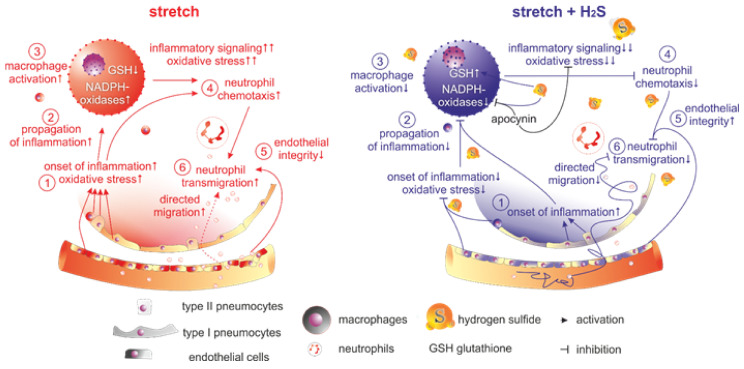
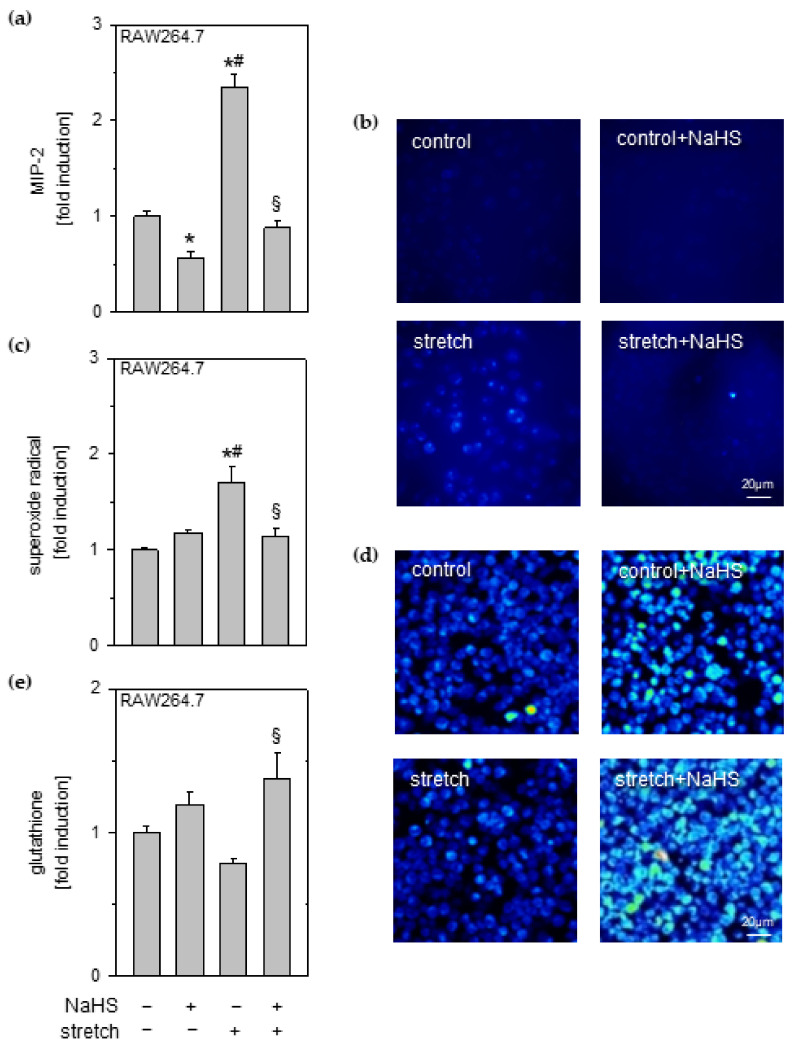
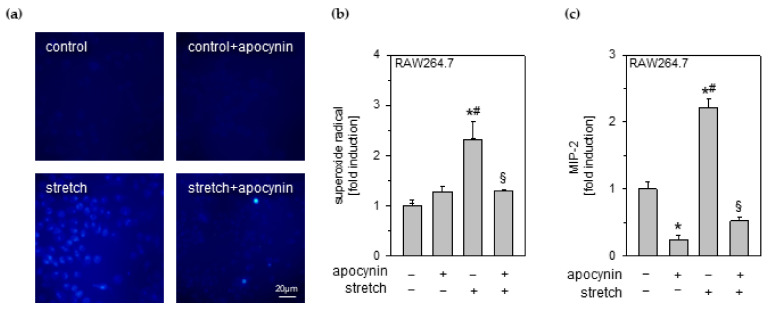
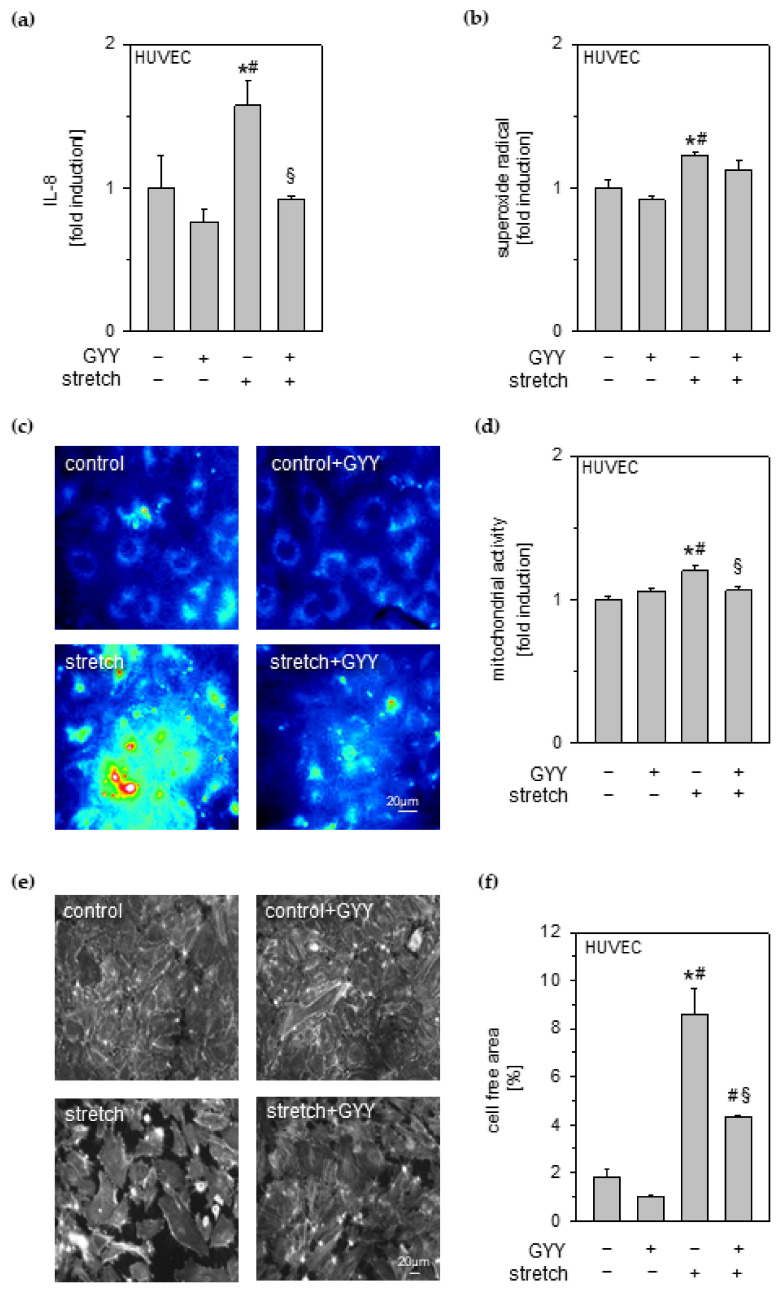
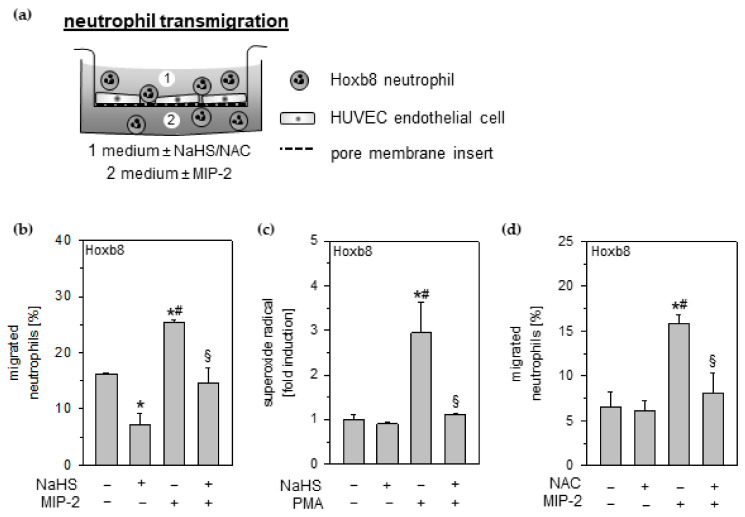
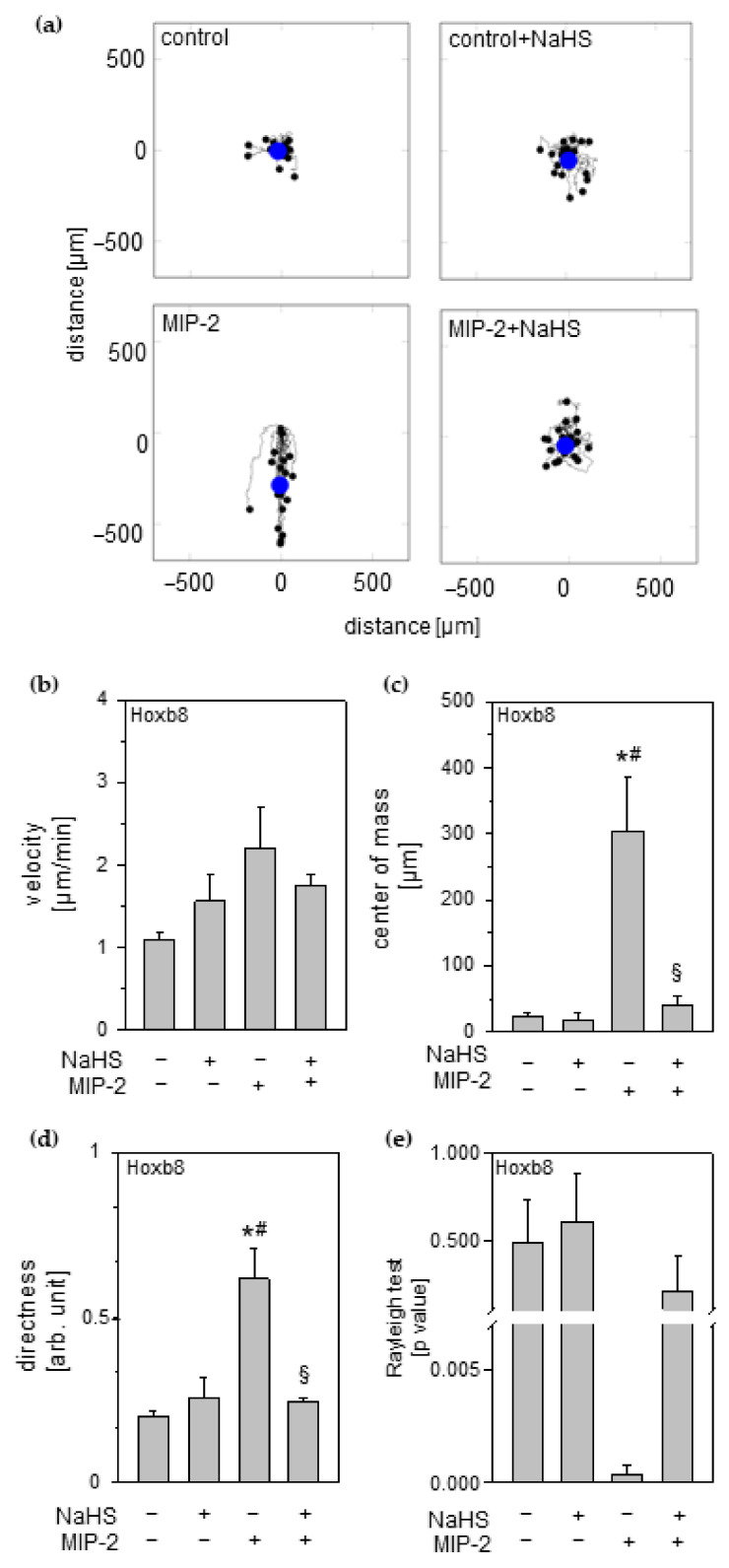
Hydrogen sulfide (HS) protects against stretch-induced lung injury. However, the impact of HS on individual cells or their crosstalk upon stretch remains unclear. Therefore, we addressed this issue in vitro using relevant lung cells. We have explored (i) the anti-inflammatory properties of HS on epithelial (A549 and BEAS-2B), macrophage (RAW264.7) and endothelial (HUVEC) cells subjected to cycling mechanical stretch; (ii) the intercellular transduction of inflammation by co-culturing epithelial cells and macrophages (A549 and RAW264.7); (iii) the effect of HS on neutrophils (Hoxb8) in transmigration (co-culture setup with HUVECs) and chemotaxis experiments. In stretched epithelial cells (A549, BEAS-2B), the release of interleukin-8 was not prevented by HS treatment. However, HS reduced macrophage inflammatory protein-2 (MIP-2) release from unstretched macrophages (RAW264.7) co-cultured with stretched epithelial cells. In stretched macrophages, HS prevented MIP-2 release by limiting nicotinamide adenine dinucleotide phosphate oxidase-derived superoxide radicals (ROS). In endothelial cells (HUVEC), HS inhibited interleukin-8 release and preserved endothelial integrity. In neutrophils (Hoxb8), HS limited MIP-2-induced transmigration through endothelial monolayers, ROS formation and their chemotactic movement. HS induces anti-inflammatory effects in a cell-type specific manner. HS limits stretch- and/or paracrine-induced inflammatory response in endothelial, macrophage, and neutrophil cells by maintaining redox homeostasis as underlying mechanism.
硫化氢(HS)可预防拉伸诱导的肺损伤。然而,HS对单个细胞的影响或其在拉伸时的细胞间相互作用仍不清楚。因此,我们在体外使用相关肺细胞解决了这个问题。我们研究了:(i)HS对经历循环机械拉伸的上皮细胞(A549和BEAS - 2B)、巨噬细胞(RAW264.7)和内皮细胞(HUVEC)的抗炎特性;(ii)通过共培养上皮细胞和巨噬细胞(A549和RAW264.7)进行炎症的细胞间转导;(iii)HS在迁移(与HUVECs的共培养设置)和趋化实验中对中性粒细胞(Hoxb8)的影响。在拉伸的上皮细胞(A549、BEAS - 2B)中,HS处理并不能阻止白细胞介素 - 8的释放。然而,HS减少了与拉伸上皮细胞共培养的未拉伸巨噬细胞(RAW264.7)中巨噬细胞炎性蛋白 - 2(MIP - 2)的释放。在拉伸的巨噬细胞中,HS通过限制烟酰胺腺嘌呤二核苷酸磷酸氧化酶衍生的超氧自由基(ROS)来阻止MIP - 2的释放。在内皮细胞(HUVEC)中,HS抑制白细胞介素 - 8的释放并维持内皮完整性。在中性粒细胞(Hoxb8)中,HS限制了MIP - 2诱导的通过内皮单层的迁移、ROS形成及其趋化运动。HS以细胞类型特异性方式诱导抗炎作用。HS通过维持氧化还原稳态作为潜在机制,限制内皮细胞、巨噬细胞和中性粒细胞中拉伸和/或旁分泌诱导的炎症反应。