Elhady Sameh S, Goda Marwa S, Mehanna Eman T, Elfaky Mahmoud A, Koshak Abdulrahman E, Noor Ahmad O, Bogari Hanin A, Malatani Rania T, Abdelhameed Reda F A, Wahba Alaa S
Department of Natural Products, Faculty of Pharmacy, King Abdulaziz University, Jeddah 21589, Saudi Arabia.
Department of Pharmacognosy, Faculty of Pharmacy, Suez Canal University, Ismailia 41522, Egypt.
Biomedicines. 2022 May 18;10(5):1164. doi: 10.3390/biomedicines10051164.
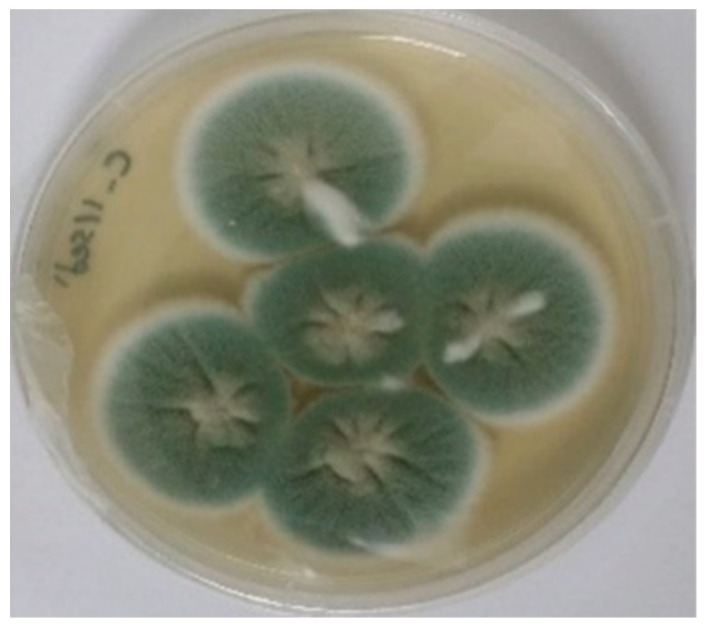
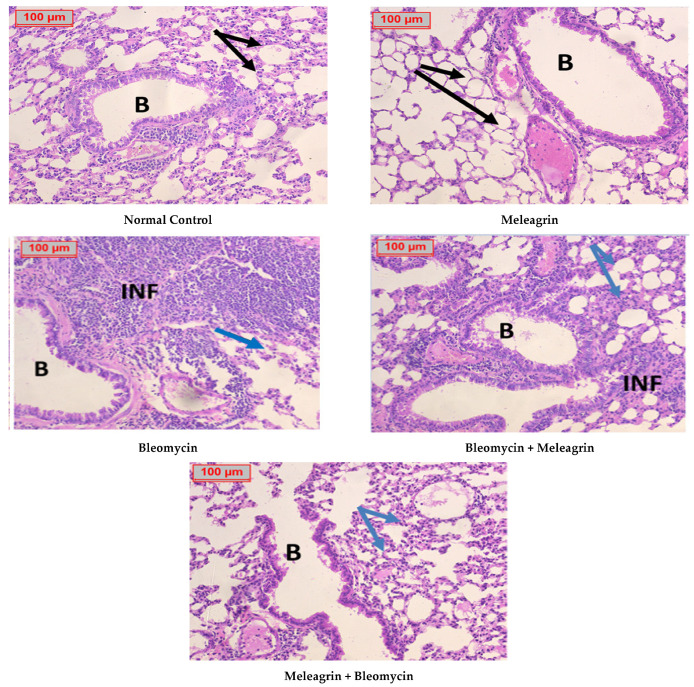
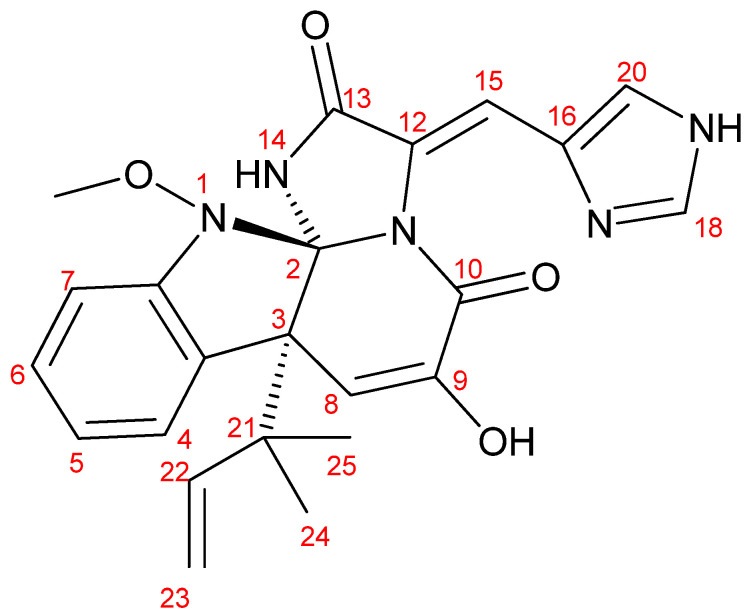
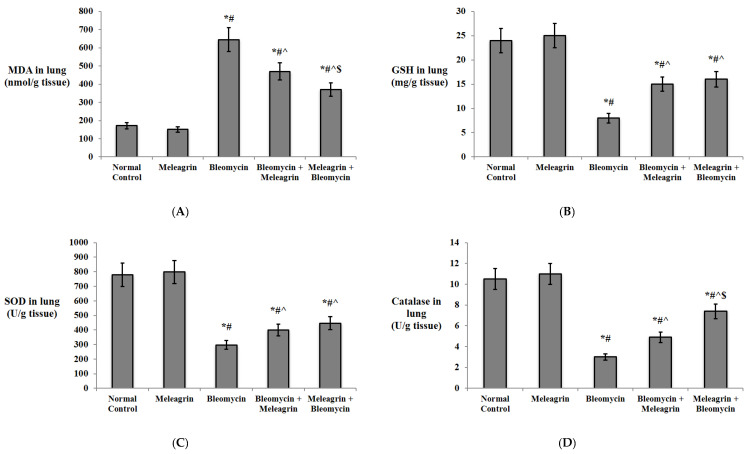
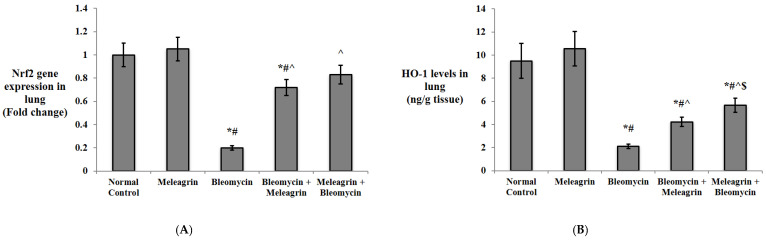
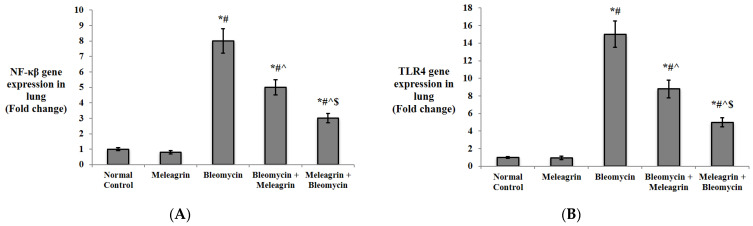
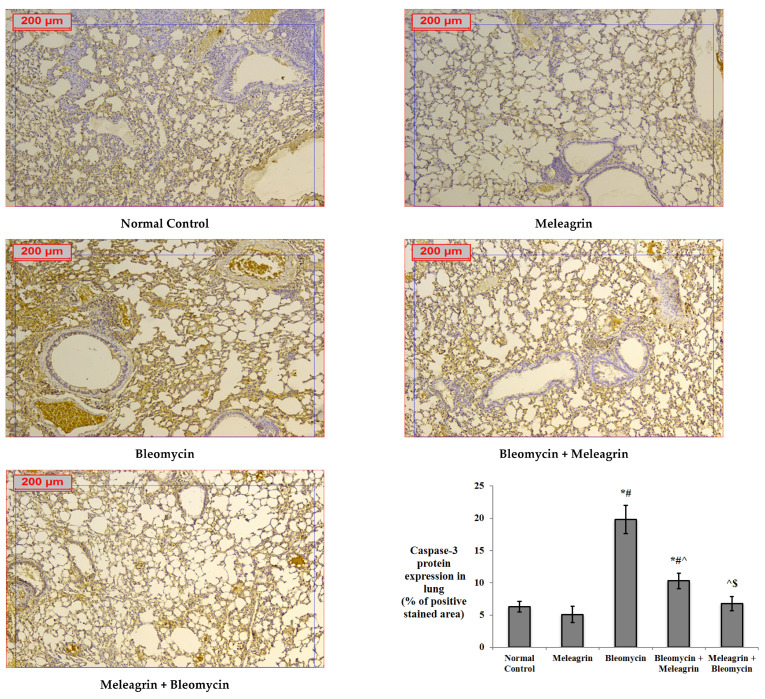
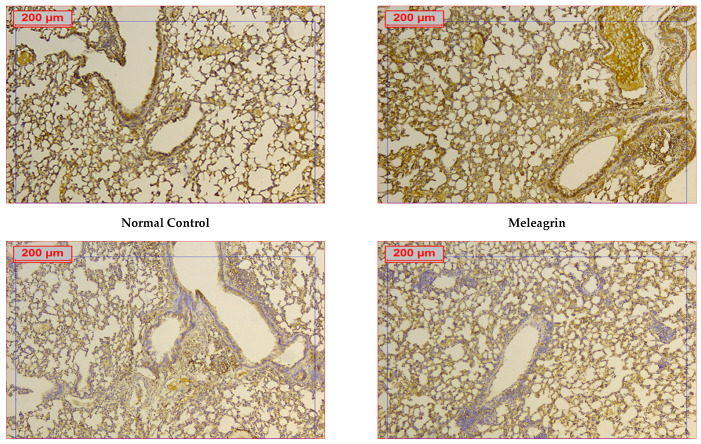
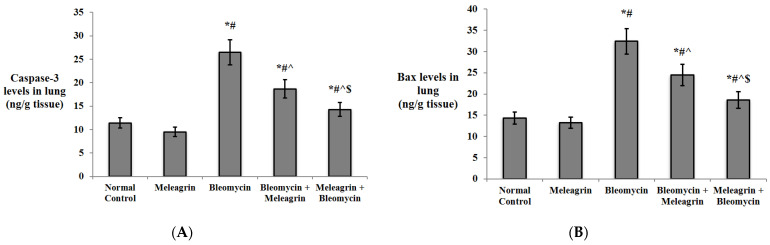
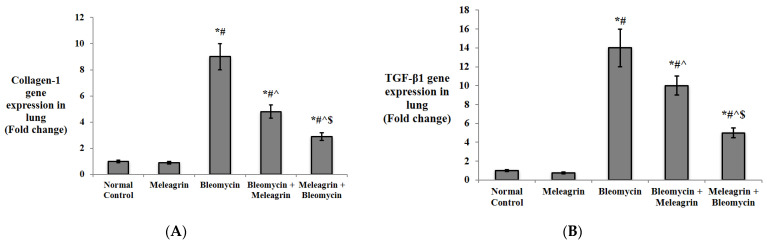
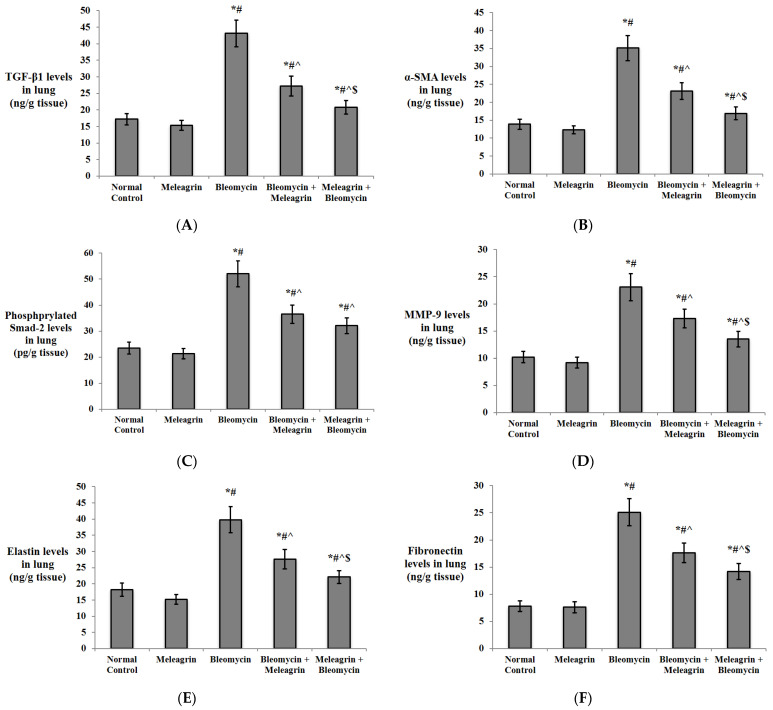
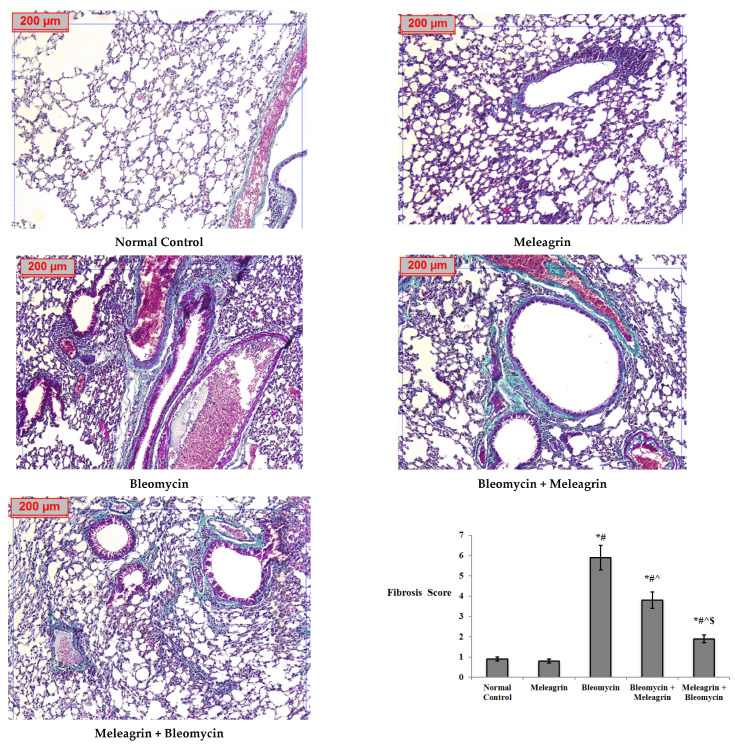
The Red Sea marine fungus (Family: Ascomycota) comprises a panel of chemically diverse natural metabolites. A meleagrin alkaloid was isolated from deep-sediment-derived Strain S003 and has been reported to exert antibacterial and cytotoxic activities. The present study aimed to explore the therapeutic potential of meleagrin on pulmonary fibrosis. Lung fibrosis was induced in mice by a single intratracheal instillation of 2.5 mg/kg bleomycin. Mice were given 5 mg/kg meleagrin daily either for 3 weeks after bleomycin administration in the treatment group or 2 weeks before and 3 weeks after bleomycin administration in the protection group. Bleomycin triggered excessive ROS production, inflammatory infiltration, collagen overproduction and fibrosis. Bleomycin-induced pulmonary fibrosis was attenuated by meleagrin. Meleagrin was noted to restore the oxidant-antioxidant balance, as evidenced by lower MDA contents and higher levels of SOD and catalase activities and GSH content compared to the bleomycin group. Meleagrin also activated the Nrf2/HO-1 antioxidant signaling pathway and inhibited TLR4 and NF-κB gene expression, with a subsequent decreased release of pro-inflammatory cytokines (TNF-α, IL-6 and IFN-γ). Additionally, meleagrin inhibited bleomycin-induced apoptosis by abating the activities of pro-apoptotic proteins Bax and caspase-3 while elevating Bcl2. Furthermore, it suppressed the gene expression of α-SMA, TGF-β1, Smad-2, type I collagen and MMP-9, with a concomitant decrease in the protein levels of TGF-β1, α-SMA, phosphorylated Smad-2, MMP-9, elastin and fibronectin. This study revealed that meleagrin's protective effects against bleomycin-induced pulmonary fibrosis are attributed to its antioxidant, anti-inflammatory, anti-apoptotic and antifibrotic properties. Notably, the use of meleagrin as a protective agent against bleomycin-induced lung fibrosis was more efficient than its use as a treatment agent.
红海海洋真菌(子囊菌门)包含一系列化学性质多样的天然代谢产物。从深海沉积物来源的菌株S003中分离出一种珍珠鸡素生物碱,据报道其具有抗菌和细胞毒性活性。本研究旨在探索珍珠鸡素对肺纤维化的治疗潜力。通过气管内单次注射2.5mg/kg博来霉素诱导小鼠肺纤维化。治疗组在博来霉素给药后3周每天给予小鼠5mg/kg珍珠鸡素,保护组在博来霉素给药前2周及给药后3周每天给予小鼠5mg/kg珍珠鸡素。博来霉素引发过量活性氧生成、炎症浸润、胶原蛋白过度产生和纤维化。珍珠鸡素减轻了博来霉素诱导的肺纤维化。与博来霉素组相比,珍珠鸡素能恢复氧化还原平衡,表现为丙二醛含量降低、超氧化物歧化酶和过氧化氢酶活性以及谷胱甘肽含量升高。珍珠鸡素还激活了Nrf2/HO-1抗氧化信号通路并抑制TLR4和NF-κB基因表达,随后促炎细胞因子(TNF-α、IL-6和IFN-γ)释放减少。此外,珍珠鸡素通过降低促凋亡蛋白Bax和半胱天冬酶-3的活性同时升高Bcl2来抑制博来霉素诱导的细胞凋亡。此外,它抑制α-SMA、TGF-β1、Smad-2、I型胶原蛋白和MMP-9的基因表达,同时TGF-β1、α-SMA、磷酸化Smad-2、MMP-9、弹性蛋白和纤连蛋白的蛋白质水平降低。本研究表明,珍珠鸡素对博来霉素诱导的肺纤维化的保护作用归因于其抗氧化、抗炎、抗凋亡和抗纤维化特性。值得注意的是,将珍珠鸡素用作博来霉素诱导的肺纤维化的保护剂比用作治疗剂更有效。