Key Laboratory for Northern Urban Agriculture of Ministry of Agriculture and Rural Affairs, Beijing University of Agriculture, Beijing 102206, China.
Beijing Advanced Innovation Center for Tree Breeding by Molecular Design, Beijing University of Agriculture, Beijing 102206, China.
Nutrients. 2022 May 16;14(10):2077. doi: 10.3390/nu14102077.
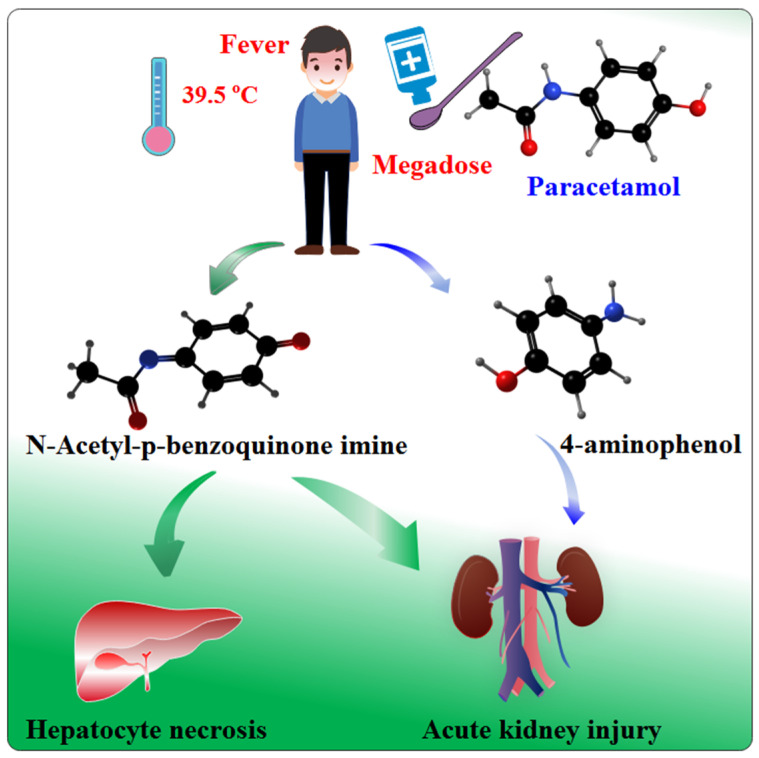
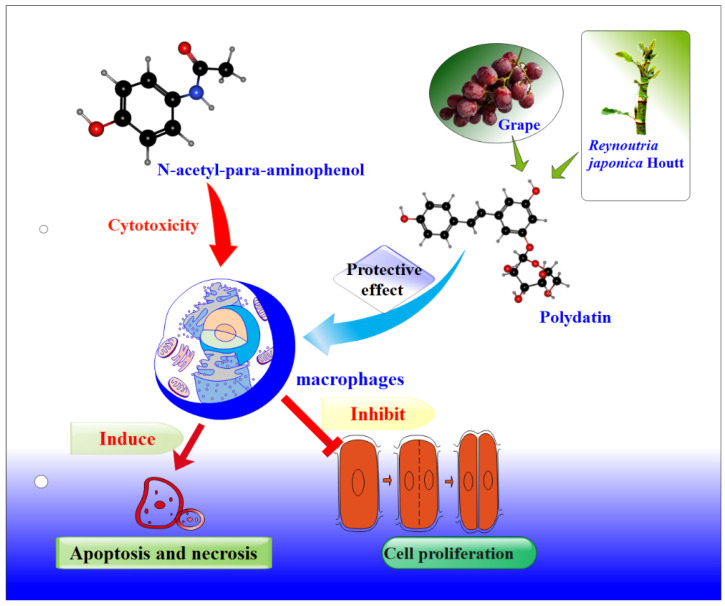
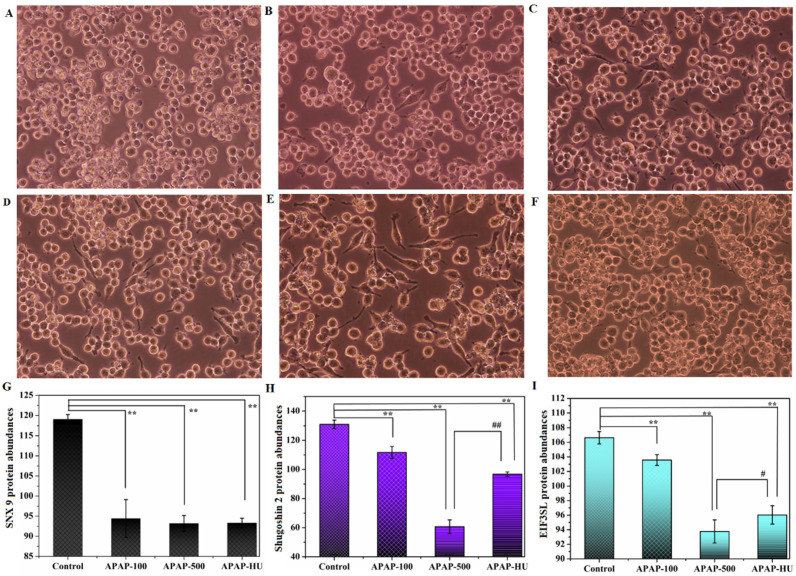
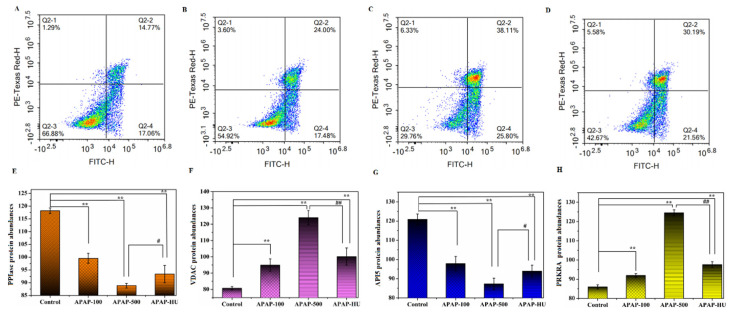
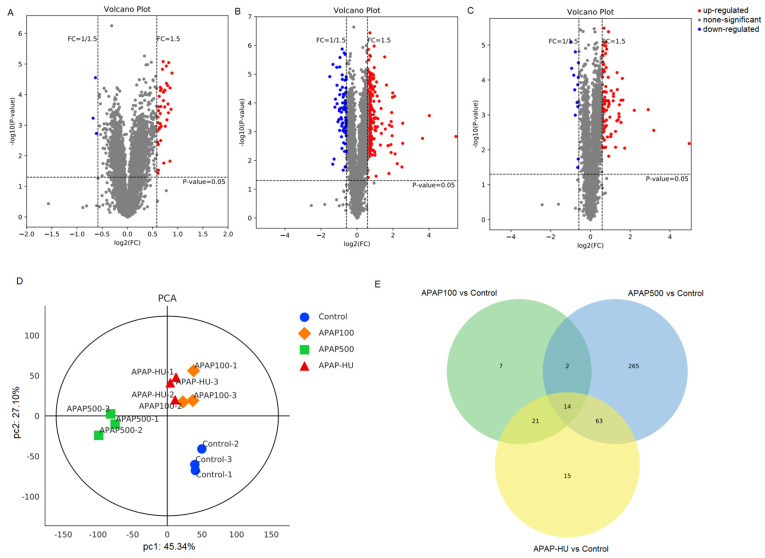
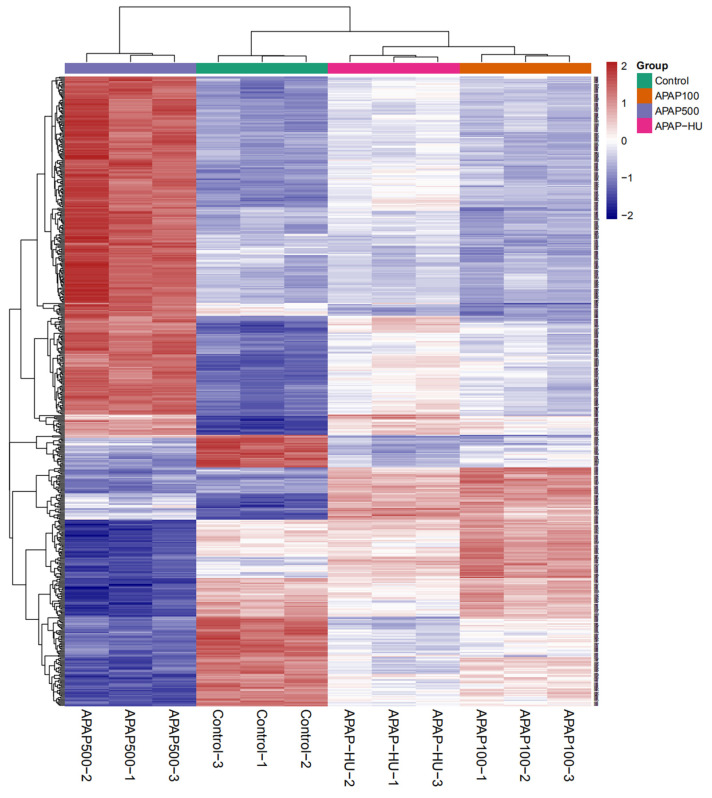
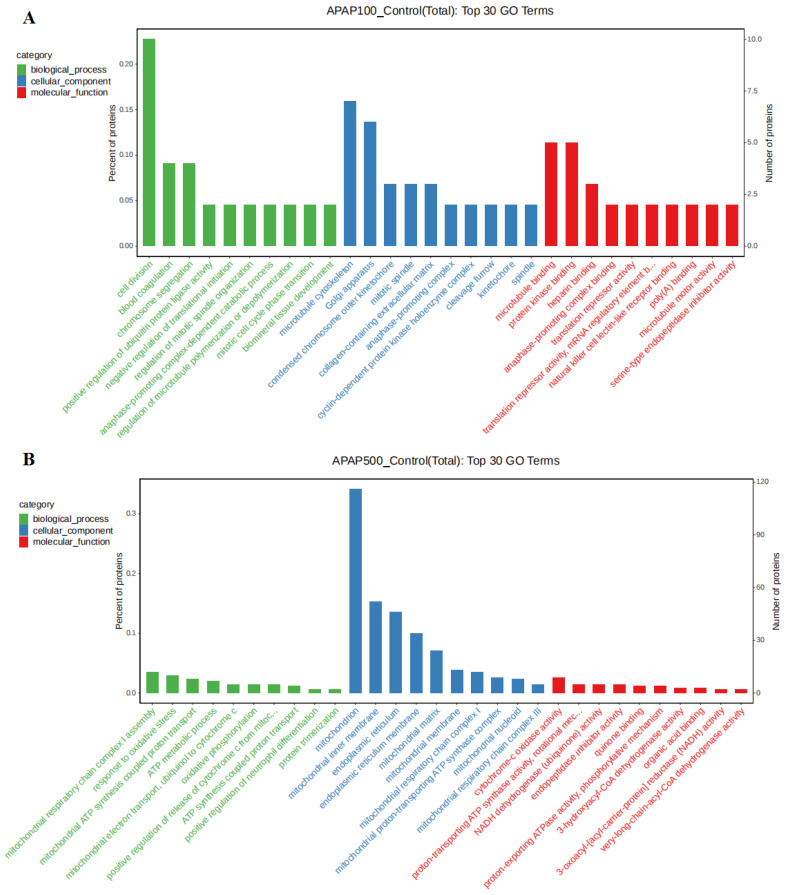
The unregulated use of acetaminophen (APAP), an antipyretic and analgesic drug, harms hepatocytes and kidney cells, leading to liver failure and acute kidney injury. Herein, we investigate whether APAP damages macrophages in the immune system by observing its effects on macrophage proliferation and apoptosis. Using proteomics, we analyzed the effects of APAP on macrophage protein expression profiles and evaluated whether polydatin, the active ingredient in grapes and wine, can repair the damaged cells. The results showed that APAP alters the morphology and physiological processes of macrophages, inhibits macrophage proliferation, and promotes apoptosis. We observed 528 differentially expressed proteins when 500 µg/mL APAP was administered to the cells. These proteins are involved in biological processes including cell division, apoptosis, and acute phase response. Overall, our findings demonstrate that APAP harms the immune system by damaging macrophages and that polydatin can repair this damage.
对乙酰氨基酚(APAP)是一种解热镇痛药,如果不受监管地使用,会损害肝细胞和肾细胞,导致肝衰竭和急性肾损伤。在此,我们通过观察对乙酰氨基酚对巨噬细胞增殖和凋亡的影响,研究其是否会损害免疫系统中的巨噬细胞。我们使用蛋白质组学分析了对乙酰氨基酚对巨噬细胞蛋白表达谱的影响,并评估了白藜芦醇(葡萄和葡萄酒中的活性成分)是否可以修复受损细胞。结果表明,对乙酰氨基酚改变了巨噬细胞的形态和生理过程,抑制了巨噬细胞的增殖,并促进了细胞凋亡。当向细胞中给予 500µg/mL 的对乙酰氨基酚时,我们观察到 528 个差异表达蛋白。这些蛋白参与细胞分裂、凋亡和急性期反应等生物学过程。总的来说,我们的研究结果表明,对乙酰氨基酚通过损害巨噬细胞来损害免疫系统,而白藜芦醇可以修复这种损伤。