Cardiovascular Research Institute, Icahn School of Medicine at Mount Sinai, New York, NY, USA.
Center for Systems Biology and Department of Radiology, Massachusetts General Hospital and Harvard Medical School, Boston, MA, USA.
Nature. 2022 Jul;607(7919):578-584. doi: 10.1038/s41586-022-04890-z. Epub 2022 May 30.
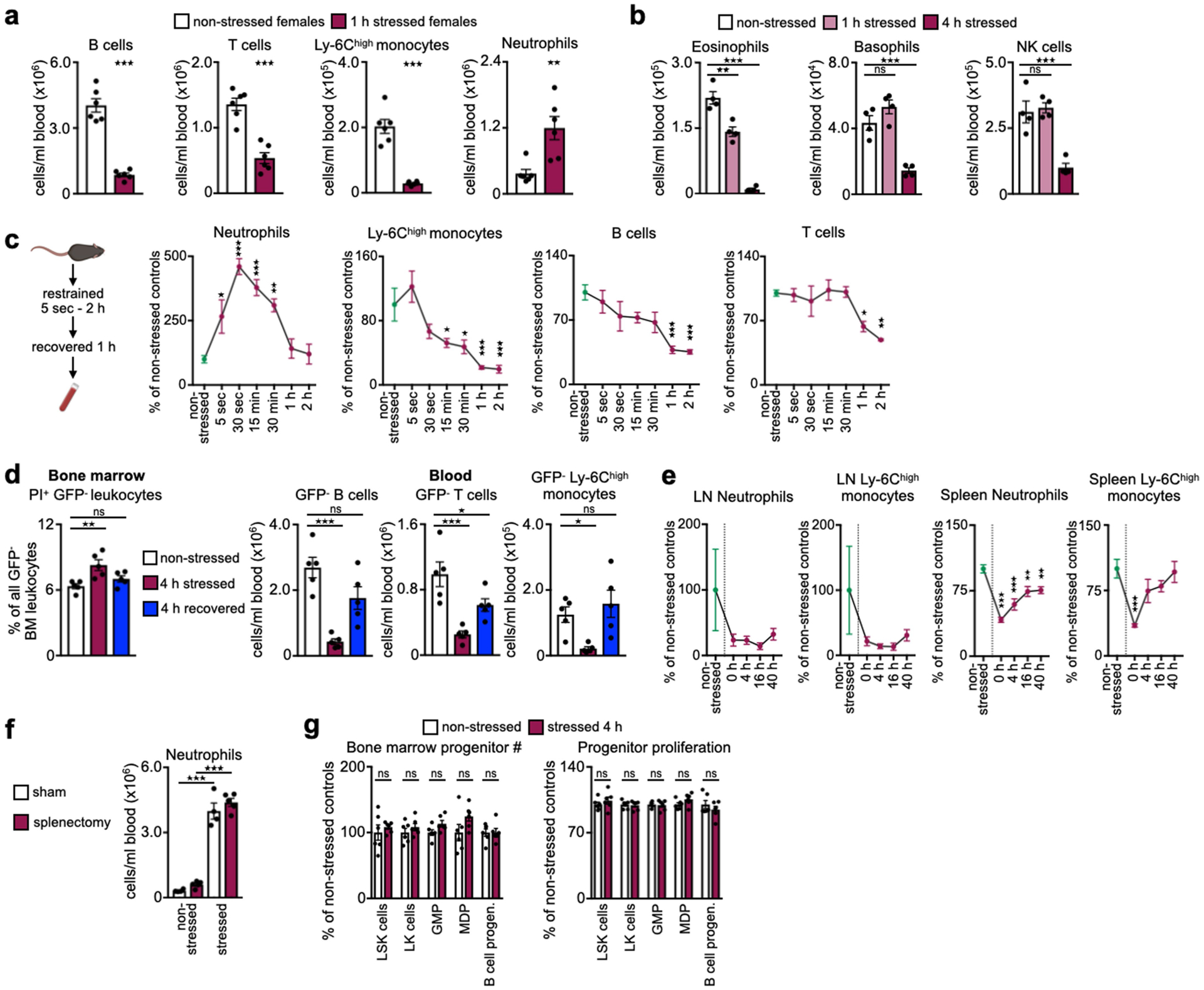
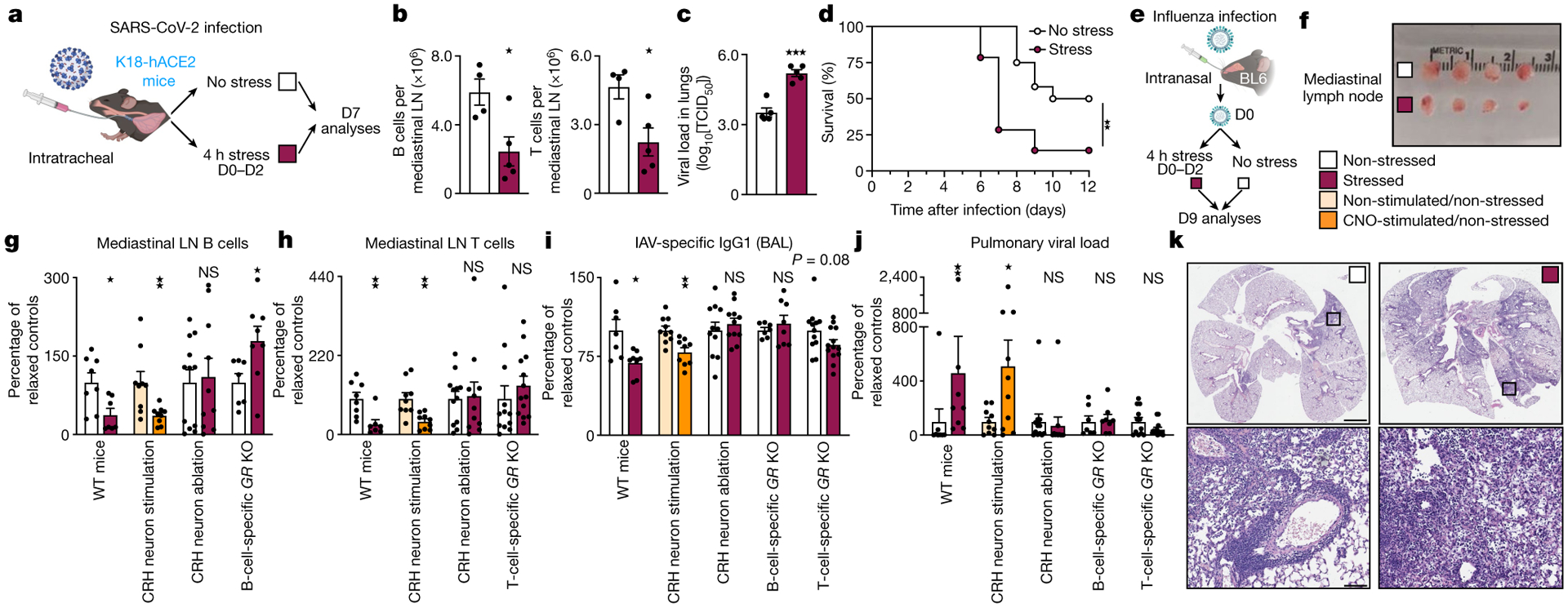
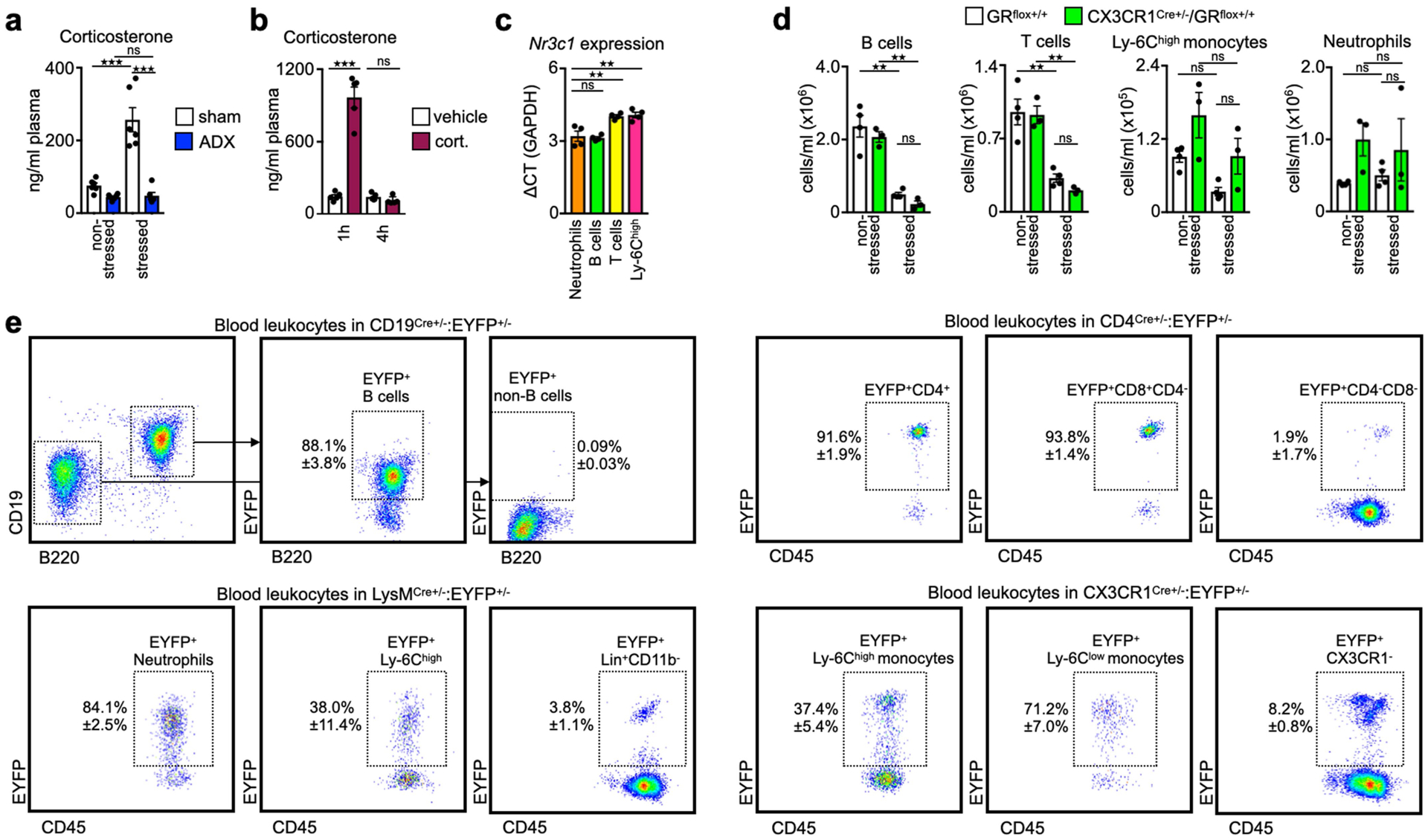
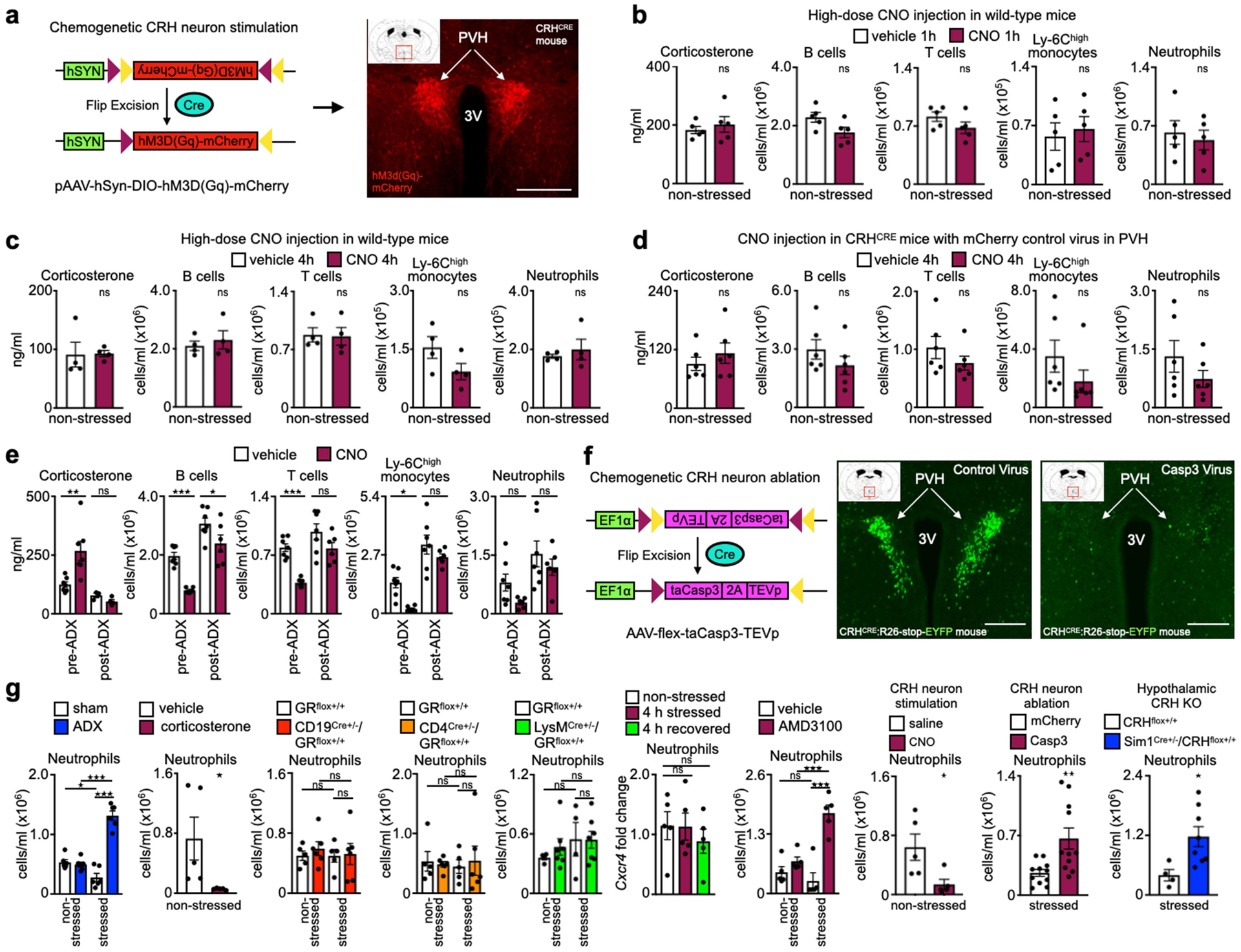
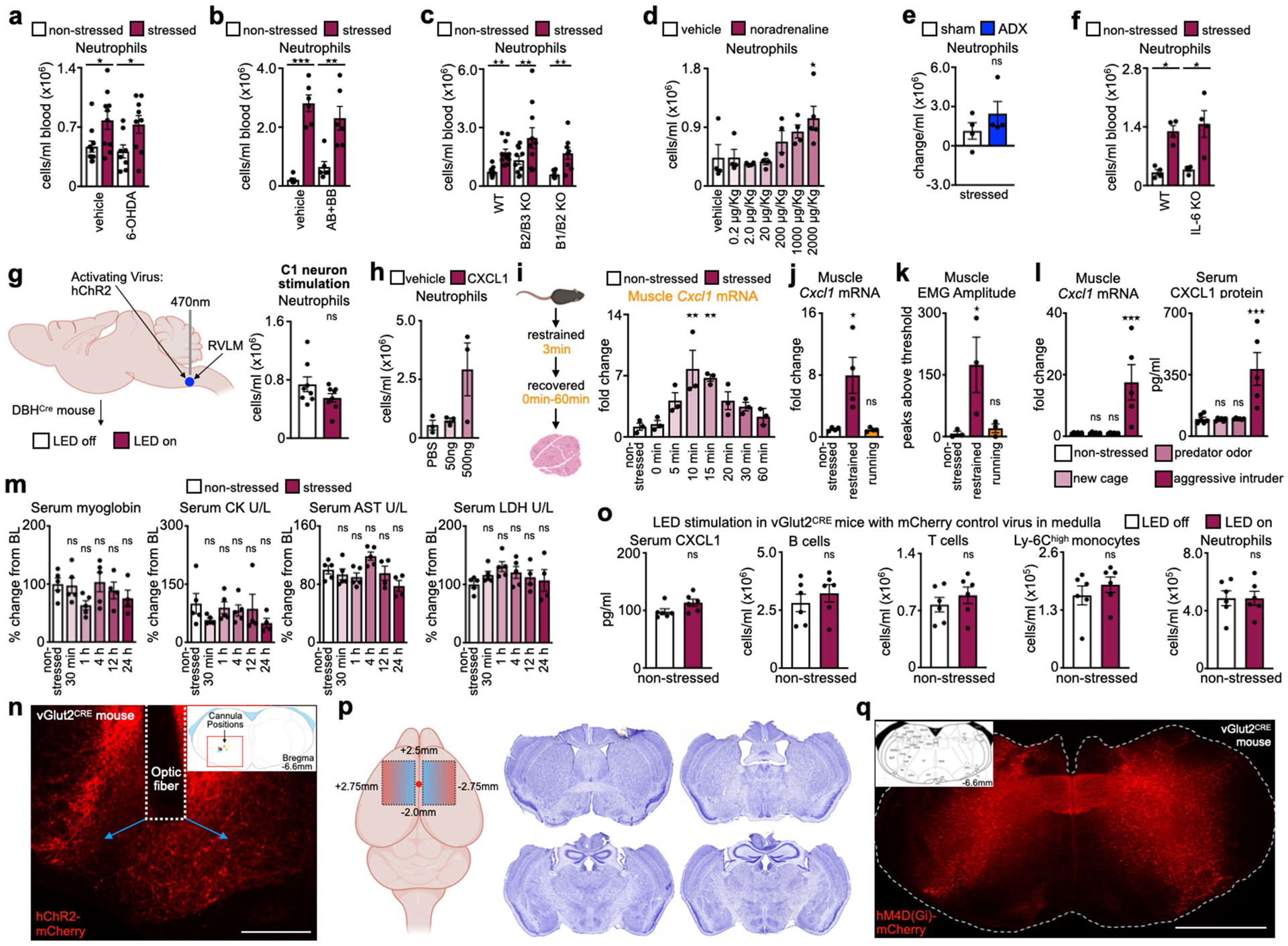
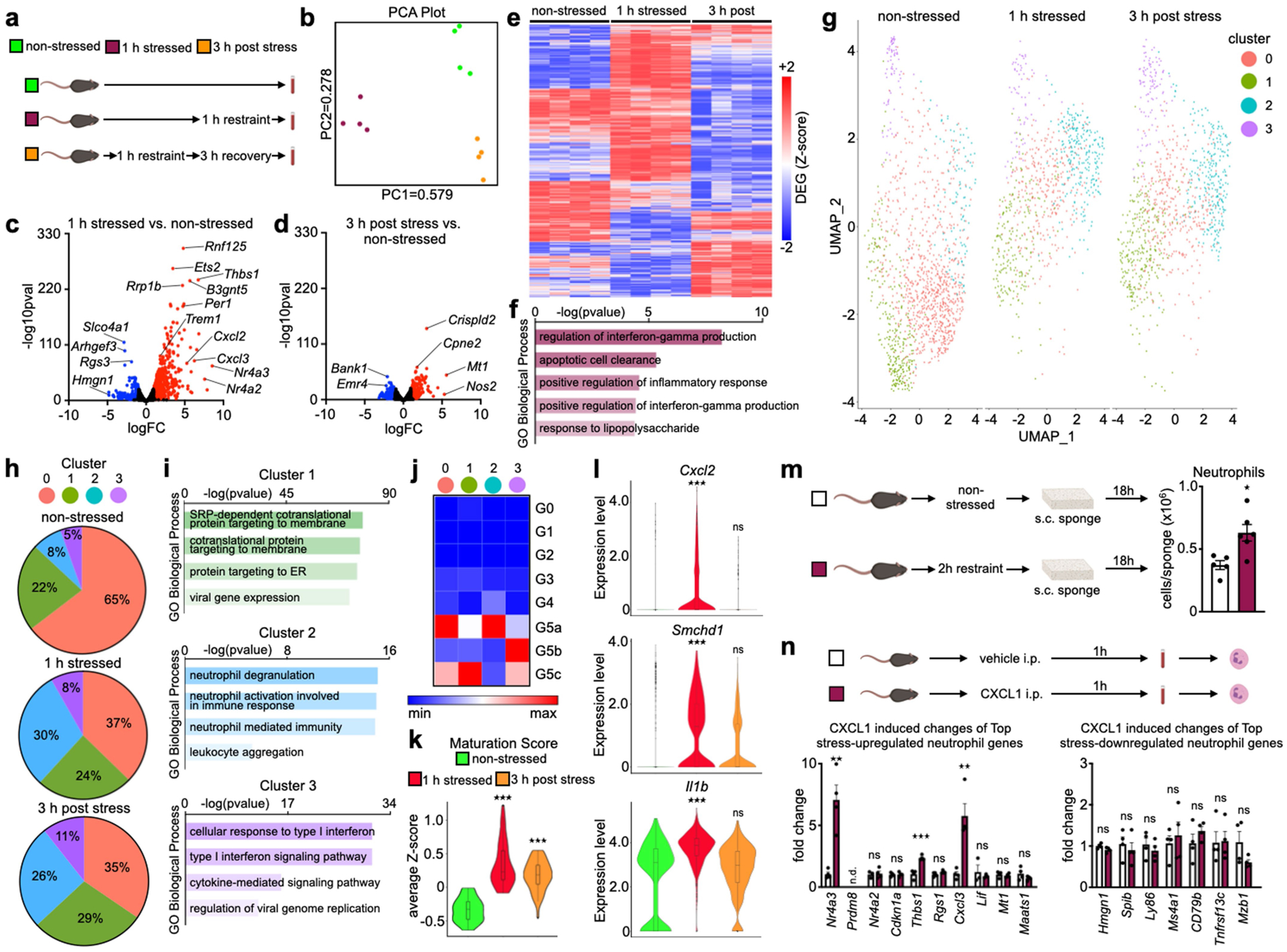
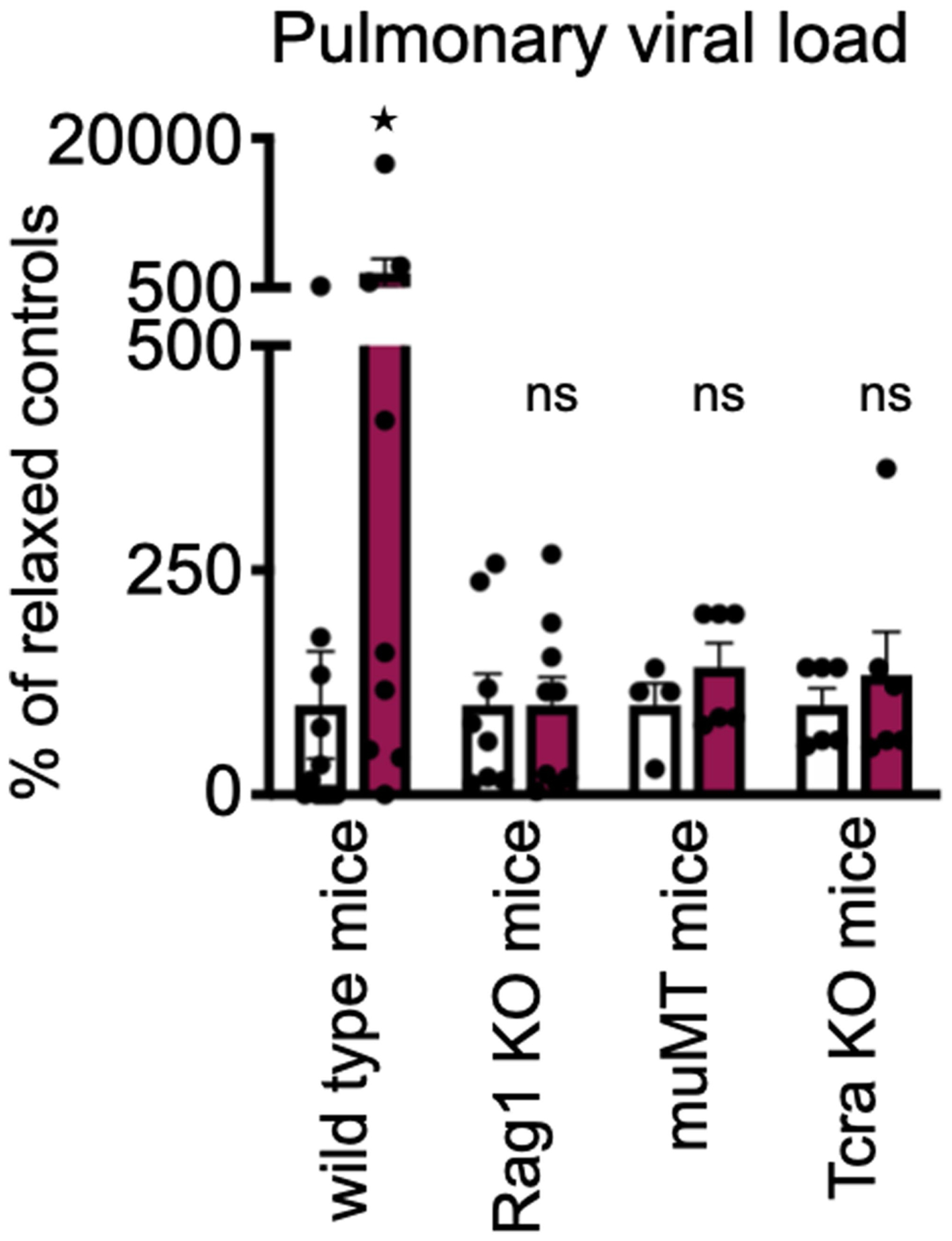
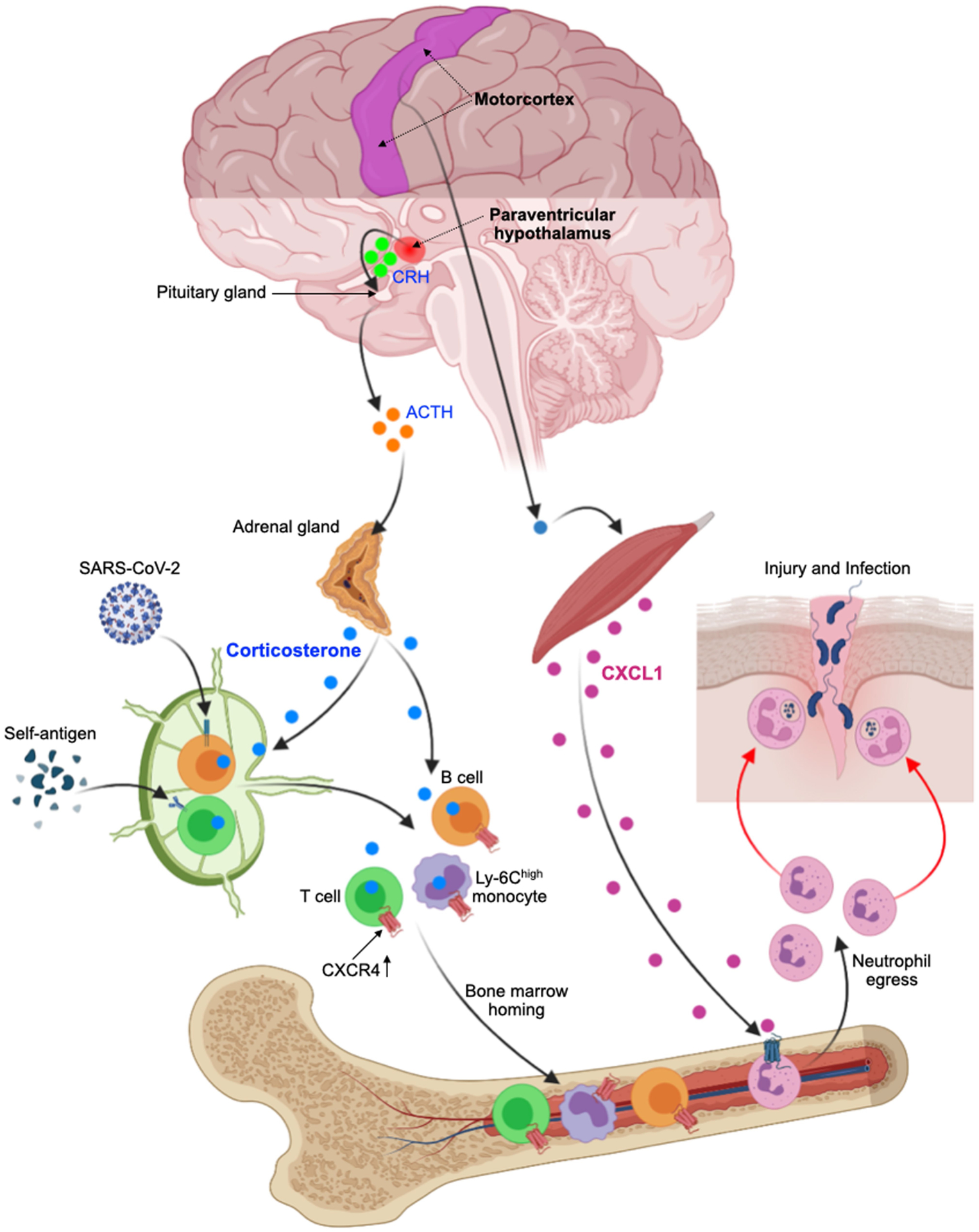
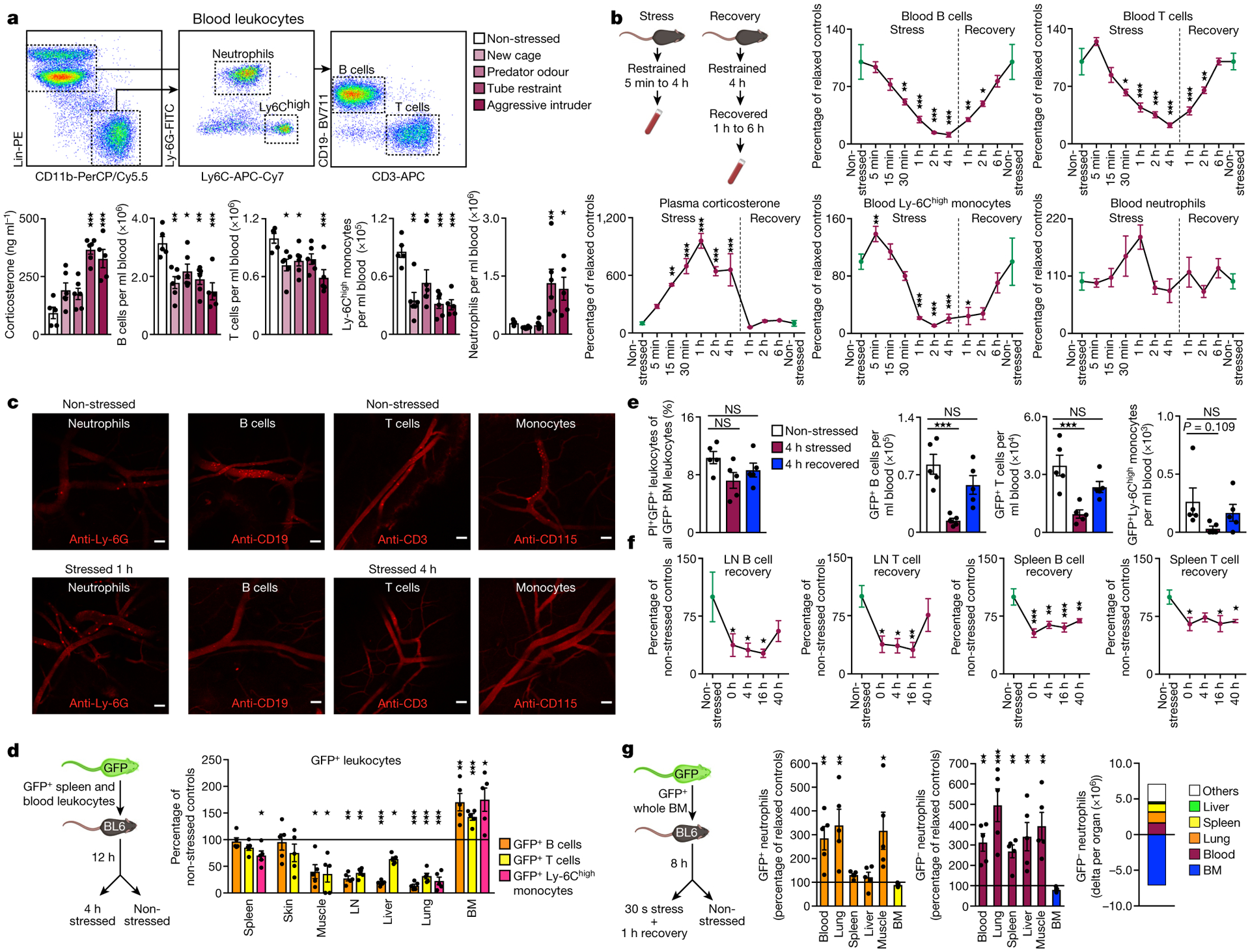
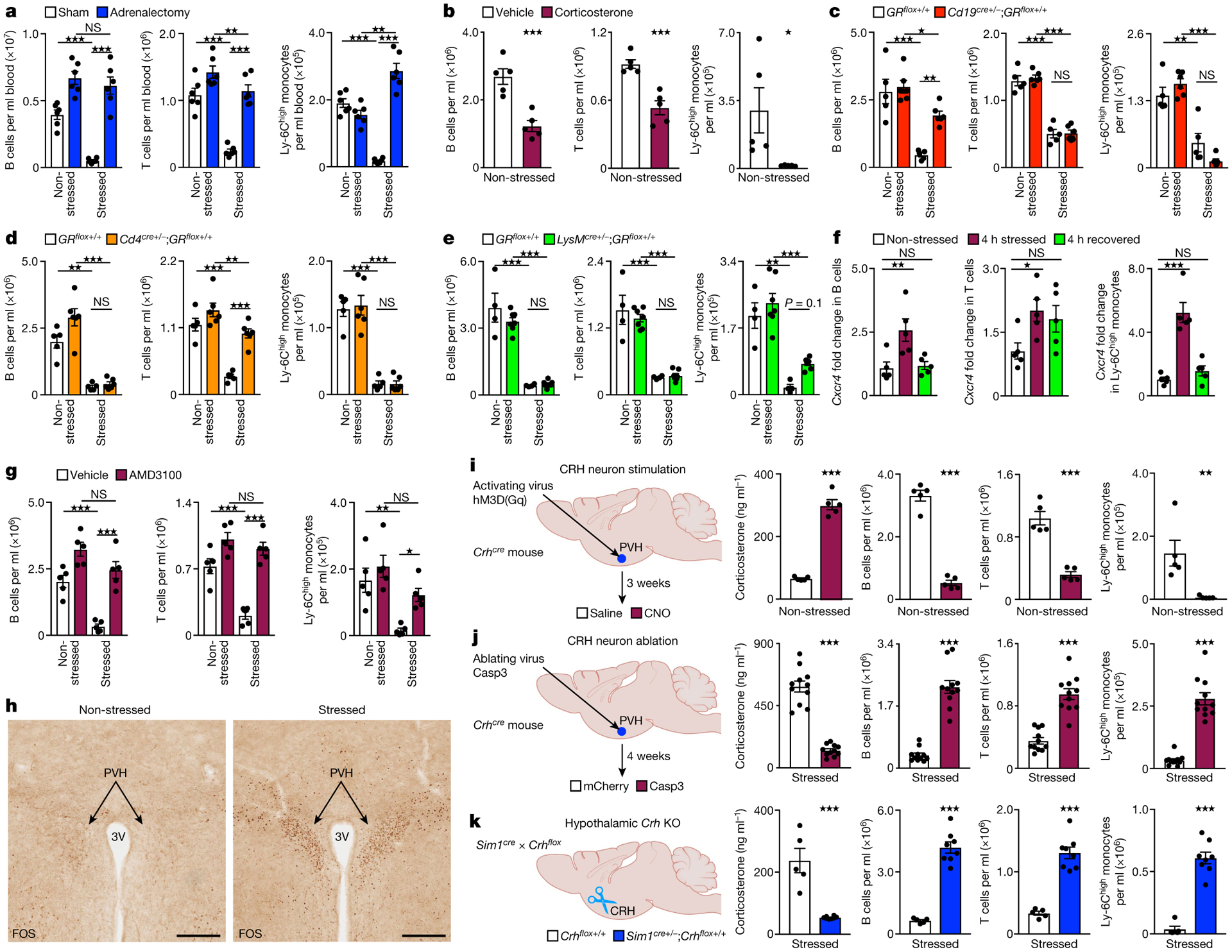
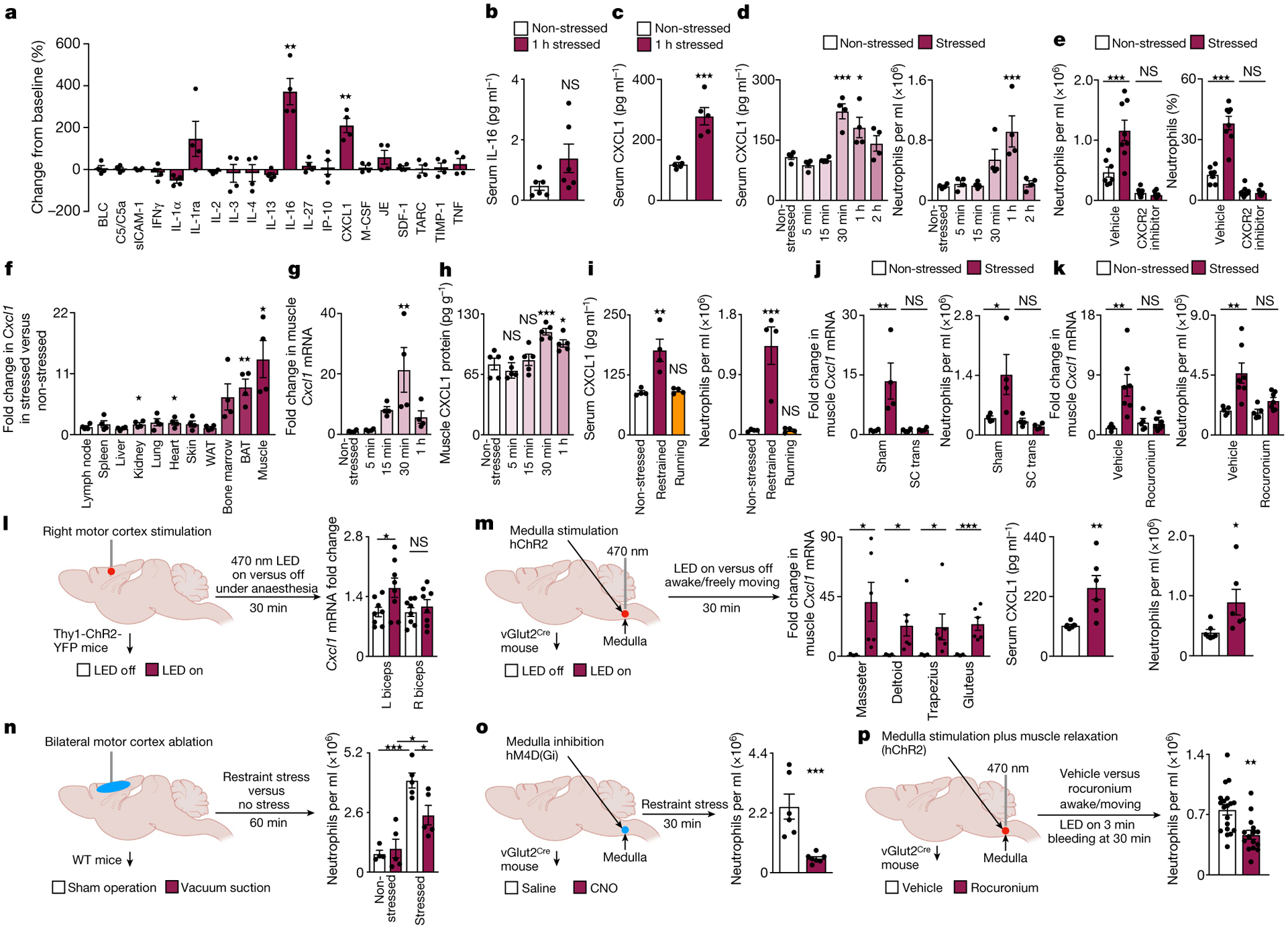
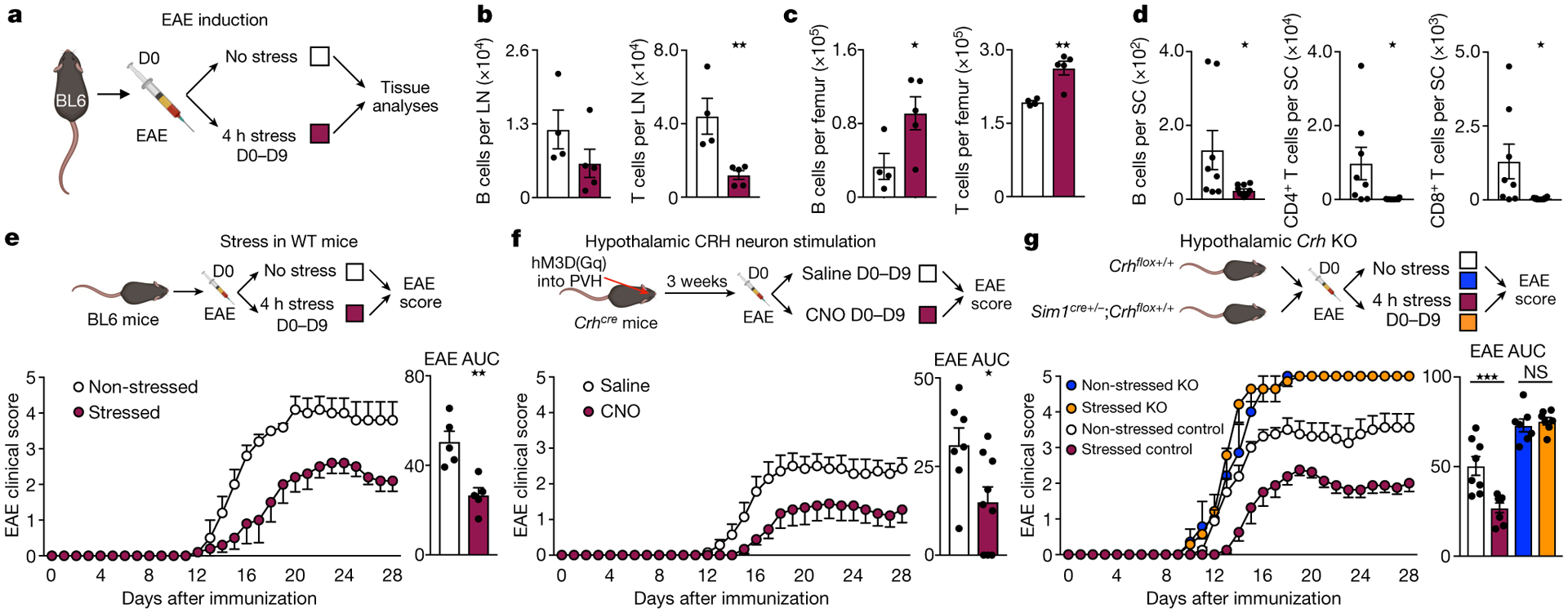
The nervous and immune systems are intricately linked. Although psychological stress is known to modulate immune function, mechanistic pathways linking stress networks in the brain to peripheral leukocytes remain poorly understood. Here we show that distinct brain regions shape leukocyte distribution and function throughout the body during acute stress in mice. Using optogenetics and chemogenetics, we demonstrate that motor circuits induce rapid neutrophil mobilization from the bone marrow to peripheral tissues through skeletal-muscle-derived neutrophil-attracting chemokines. Conversely, the paraventricular hypothalamus controls monocyte and lymphocyte egress from secondary lymphoid organs and blood to the bone marrow through direct, cell-intrinsic glucocorticoid signalling. These stress-induced, counter-directional, population-wide leukocyte shifts are associated with altered disease susceptibility. On the one hand, acute stress changes innate immunity by reprogramming neutrophils and directing their recruitment to sites of injury. On the other hand, corticotropin-releasing hormone neuron-mediated leukocyte shifts protect against the acquisition of autoimmunity, but impair immunity to SARS-CoV-2 and influenza infection. Collectively, these data show that distinct brain regions differentially and rapidly tailor the leukocyte landscape during psychological stress, therefore calibrating the ability of the immune system to respond to physical threats.
神经系统和免疫系统紧密相连。虽然已知心理压力会调节免疫功能,但将大脑中的压力网络与外周白细胞联系起来的机制途径仍知之甚少。在这里,我们展示了在小鼠急性应激期间,不同的大脑区域会塑造全身白细胞的分布和功能。我们使用光遗传学和化学遗传学证明,运动回路通过骨骼肌衍生的中性粒细胞趋化因子诱导中性粒细胞从骨髓快速动员到外周组织。相反,室旁下丘脑通过直接的、细胞内在的糖皮质激素信号控制单核细胞和淋巴细胞从次级淋巴器官和血液流出到骨髓。这些应激诱导的、相反方向的、全人群白细胞转移与改变的疾病易感性有关。一方面,急性应激通过重新编程中性粒细胞并指导其募集到损伤部位来改变先天免疫。另一方面,促肾上腺皮质激素释放激素神经元介导的白细胞转移可预防自身免疫的获得,但会损害对 SARS-CoV-2 和流感感染的免疫。总的来说,这些数据表明,不同的大脑区域在心理应激期间以不同的方式和速度调整白细胞图谱,从而调节免疫系统对身体威胁做出反应的能力。