Ke Mujing
Department of Ultrasound, Xiangya Hospital, Central South University, Changsha, China.
Front Mol Biosci. 2022 May 12;9:860323. doi: 10.3389/fmolb.2022.860323. eCollection 2022.
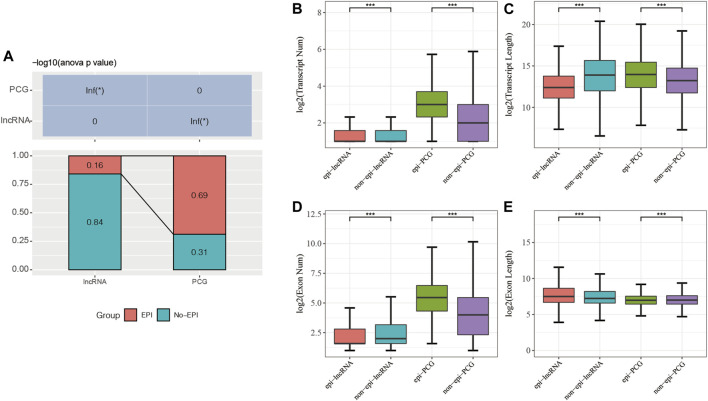
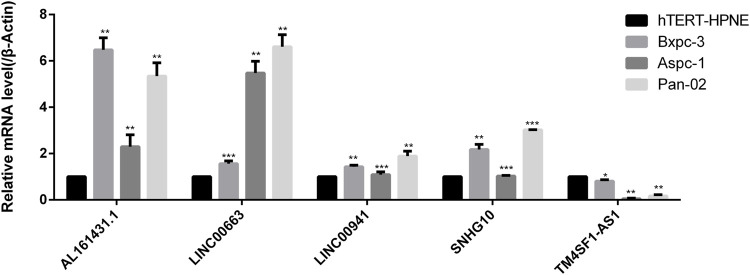
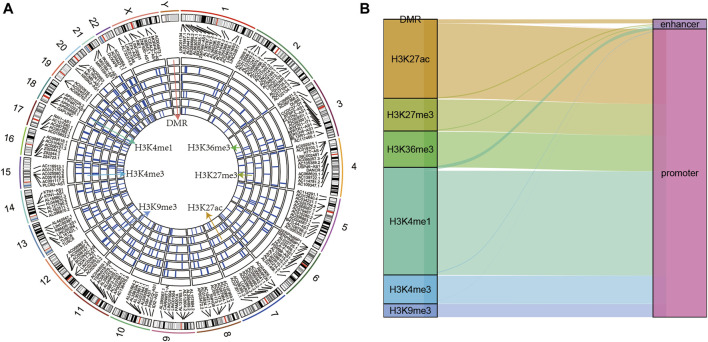
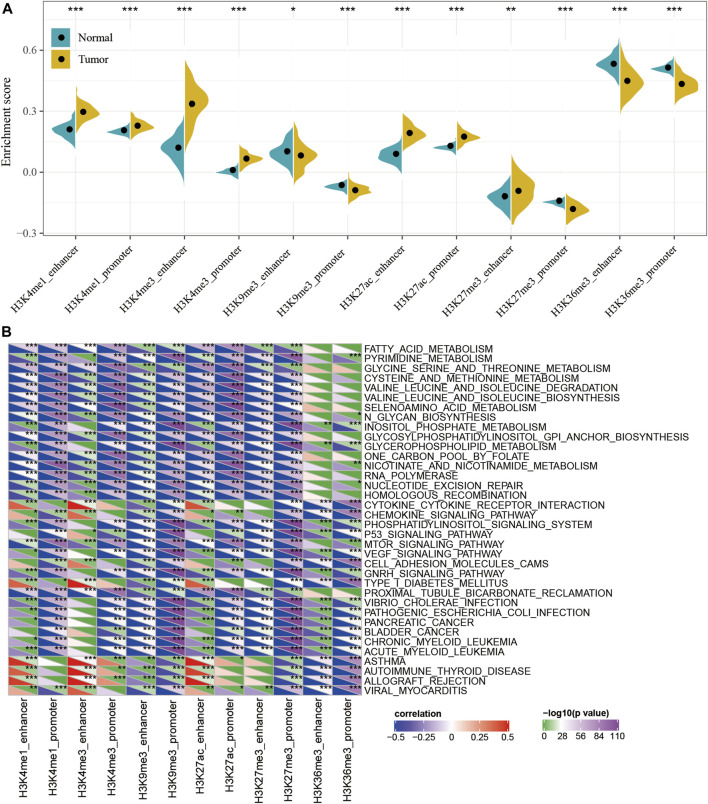
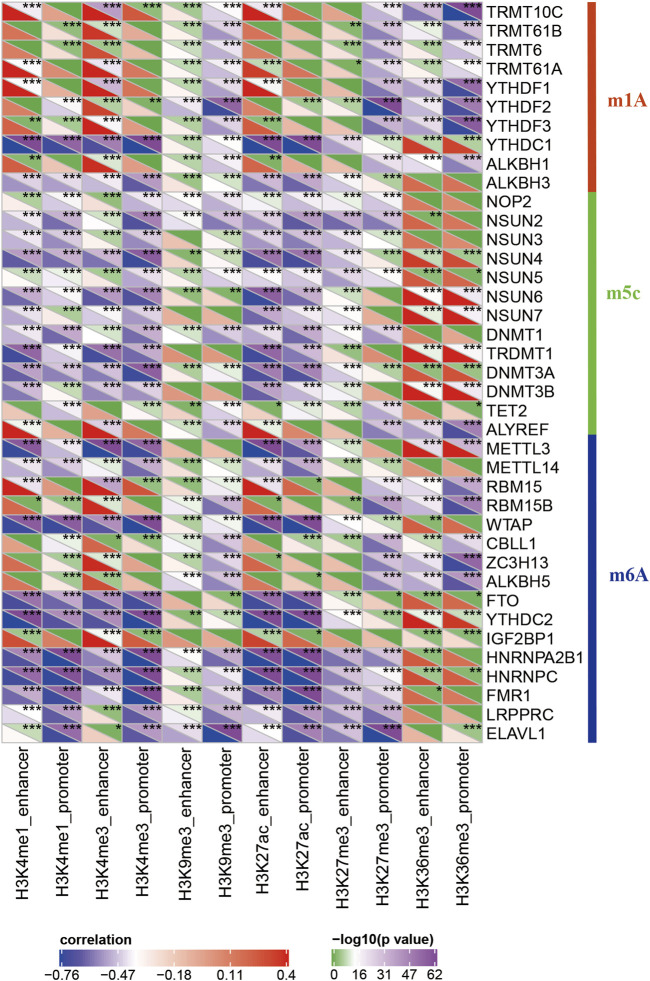
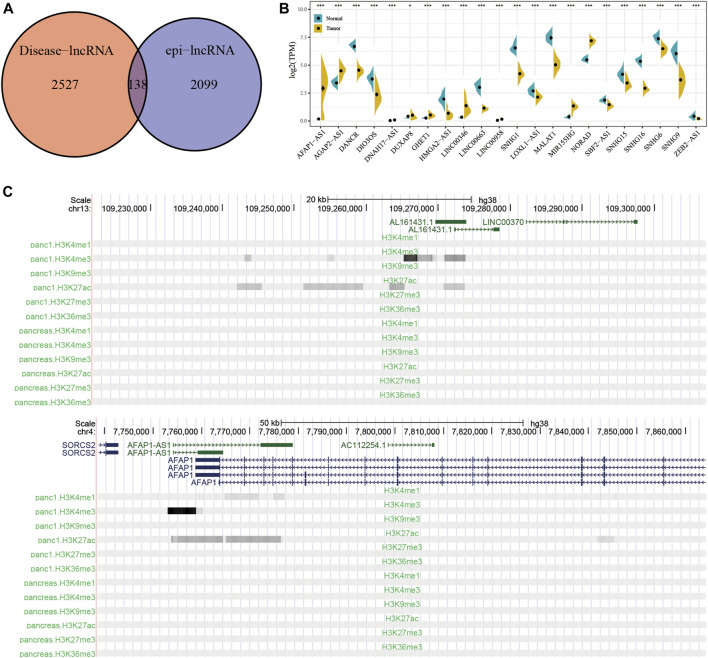
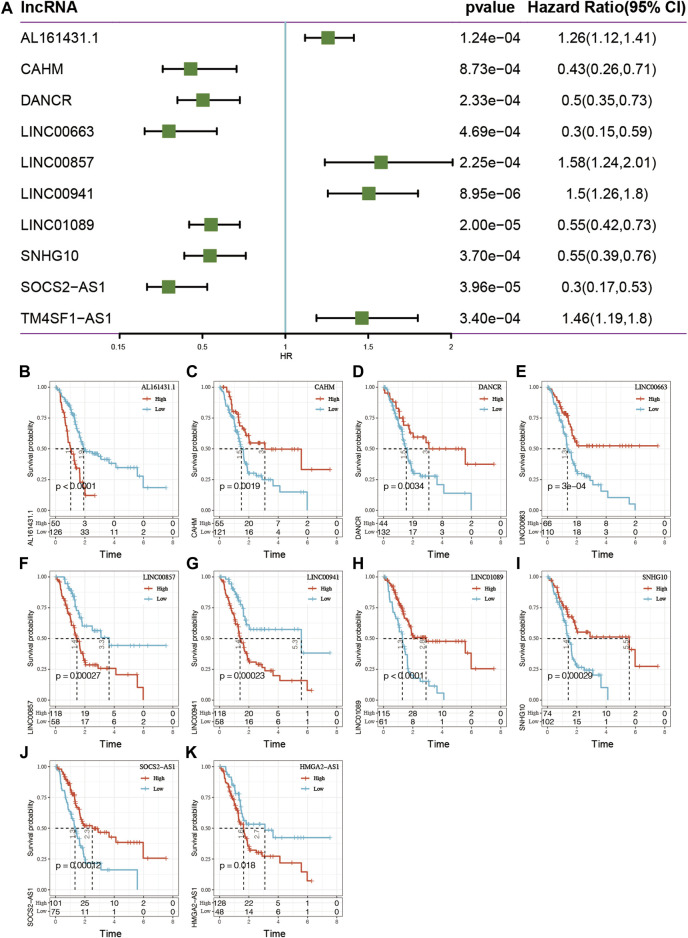
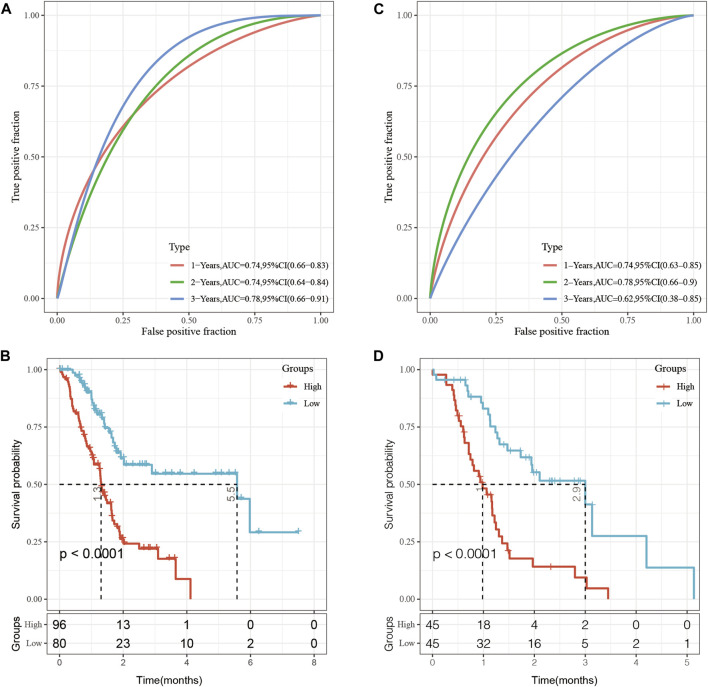
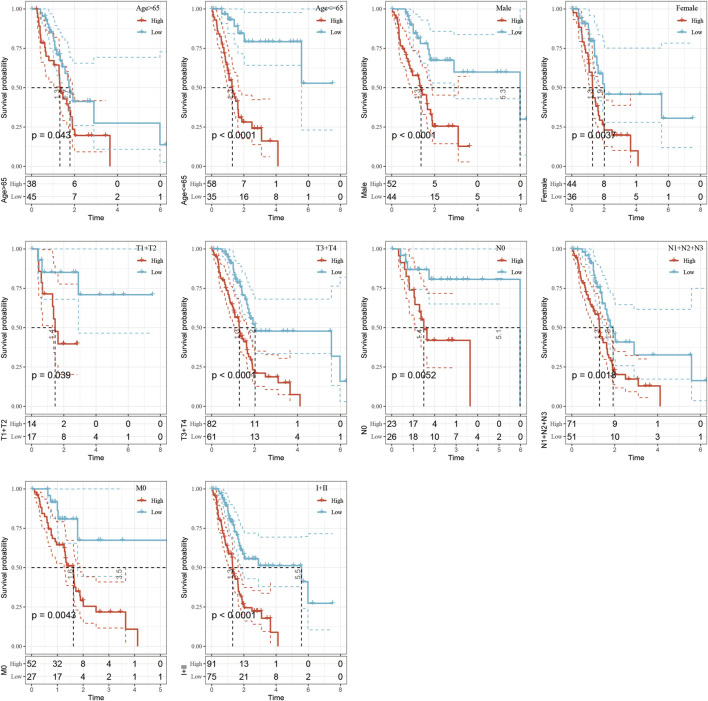
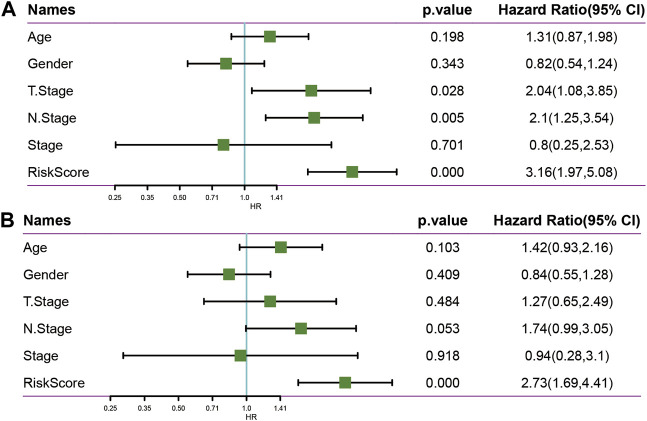
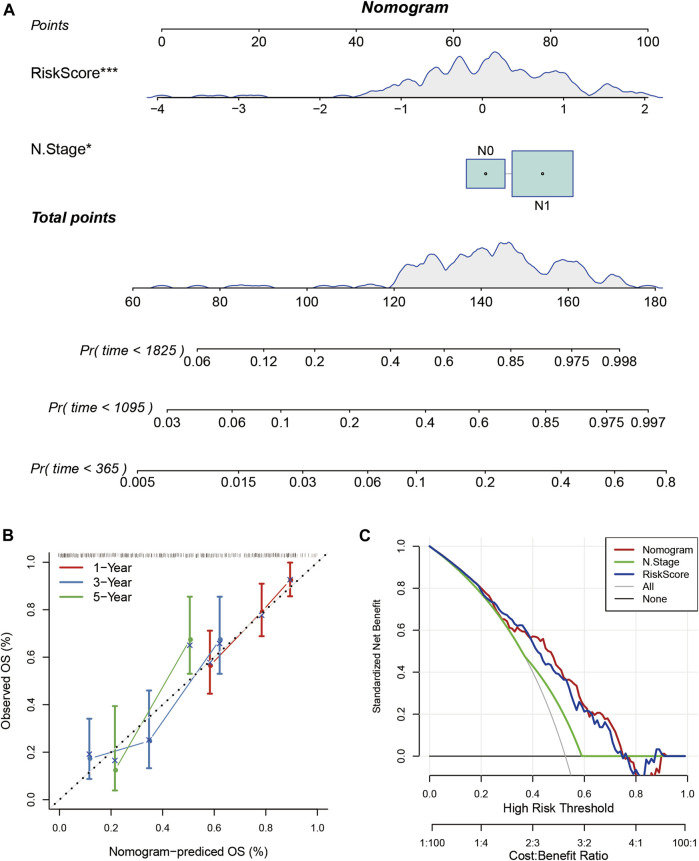
Globally, pancreatic adenocarcinoma is a recognized cause of pancreatic death (PAAD) associated with high mortality. Long non-coding RNAs (lncRNAs) play an important role in several biological processes in pancreatic cancer. The gene expression profile of PAAD patients were obtained from The Cancer Genome Atlas (TCGA) database. The package was used to identify epigenetic disorders of lncRNAs and PCG. Subsequently, the genomic characteristics and landscape of lncRNAs were explored. The pancreatic cancer-related lncRNAs gene set from Lnc2Cancer v3.0 were collected and the difference between cancer samples and normal samples were analysed. A prognostic model consisting of five epigenetic lncRNA (epi-lncRNAs) was established by univariate and multivariate Cox proportional hazards regression analyses and was verified across different data sets. Finally, the expression of core epi-lncRNAs was identified by PCR experiment. A total of 2237 epi-lncRNAs, 11855 non-epi-lncRNAs, 13518 epi-PCGs, and 6097 non-epi-PCGs, were identified. The abnormal frequency of lncRNAs in pancreatic cancer was much lower than that in PCG, and 138 epi-lncRNAs were enriched in human cancer-related lncRNAs. Epi-lncRNAs had a higher number with longer lengths and a greater number of transcripts. Epi-lncRNAs associated with epigenetic disorders had a higher number of exons, gene length, and isomers as compared to non-epi-lncRNAs. Further, the five pancreatic cancer-specific epi-lncRNA genes (AL161431.1, LINC00663, LINC00941, SNHG10, and TM4SF1-AS1) were identified. Based on these five pancreatic cancer-specific epis-lncRNAs, a prognostic model for pancreatic cancer was established. The RT-PCR result confirmed that AL161431.1, LINC00663, LINC00941, and SNHG10 expressions in pancreatic cancer samples were higher as compared to normal pancreatic samples; the expression of TM4SF1-AS1 in pancreatic cancer cells was significantly lower than that in normal pancreatic samples. Epigenetic abnormalities could promote abnormal lncRNA expression in pancreatic cancer and may play an important role in its progression.
在全球范围内,胰腺腺癌是导致胰腺死亡(PAAD)的一个公认原因,且死亡率很高。长链非编码RNA(lncRNA)在胰腺癌的多个生物学过程中发挥重要作用。PAAD患者的基因表达谱来自癌症基因组图谱(TCGA)数据库。使用该软件包来识别lncRNA和蛋白质编码基因(PCG)的表观遗传紊乱。随后,探索了lncRNA的基因组特征和格局。收集了来自Lnc2Cancer v3.0的胰腺癌相关lncRNA基因集,并分析了癌症样本与正常样本之间的差异。通过单变量和多变量Cox比例风险回归分析建立了一个由五个表观遗传lncRNA(epi-lncRNA)组成的预后模型,并在不同数据集上进行了验证。最后,通过PCR实验确定了核心epi-lncRNA的表达。共鉴定出2237个epi-lncRNA、11855个非epi-lncRNA、13518个epi-PCG和6097个非epi-PCG。胰腺癌中lncRNA的异常频率远低于PCG,并且138个epi-lncRNA在人类癌症相关lncRNA中富集。Epi-lncRNA的数量更多,长度更长,转录本数量也更多。与非epi-lncRNA相比,与表观遗传紊乱相关的epi-lncRNA的外显子数量、基因长度和异构体数量更多。此外,还鉴定出了五个胰腺癌特异性epi-lncRNA基因(AL161431.1、LINC00663、LINC00941、SNHG10和TM4SF1-AS1)。基于这五个胰腺癌特异性epi-lncRNA建立了胰腺癌的预后模型。RT-PCR结果证实,与正常胰腺样本相比,胰腺癌样本中AL161431.1、LINC00663、LINC00941和SNHG10的表达更高;TM4SF1-AS1在胰腺癌细胞中的表达明显低于正常胰腺样本。表观遗传异常可促进胰腺癌中lncRNA的异常表达,并可能在其进展中起重要作用。