IRCCS Istituto Ortopedico Rizzoli, Ortopedia-Traumatologia e Chirurgia Protesica e dei Reimpianti d'Anca e Ginocchio, Bologna, Italy.
IRCCS Istituto Ortopedico Rizzoli, Laboratorio di Tecnologia Medica, Bologna, Italy.
J Orthop Surg Res. 2022 Jun 3;17(1):293. doi: 10.1186/s13018-022-03190-6.
Ceramic bearings are used in total hip arthroplasty due to their excellent wear behaviour and biocompatibility. The major concern related to their use is material brittleness, which significantly impacts on the risk of fracture of ceramic components. Fracture toughness improvement has contributed to the decrease in fracture rate, at least of the prosthetic head. However, the root cause behind these rare events is not fully understood. This study evaluated head fracture occurrence in a sizeable cohort of patients with fourth-generation ceramic-on-ceramic implants and described the circumstances reported by patients in the rare cases of head fracture.
The clinical survivorship of 29,495 hip prostheses, with fourth-generation ceramic bearings, was determined using data from a joint replacement registry. The average follow-up period was 5.2 years (range 0.1-15.6). Retrieval analysis was performed in one case for which the ceramic components were available.
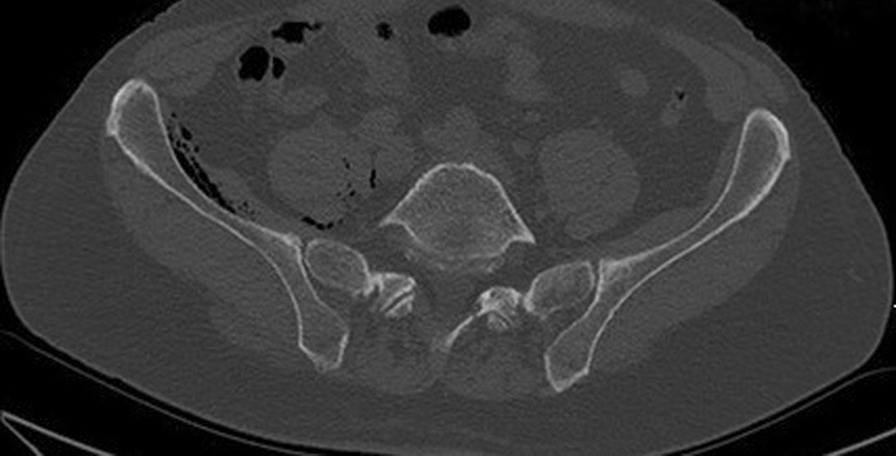
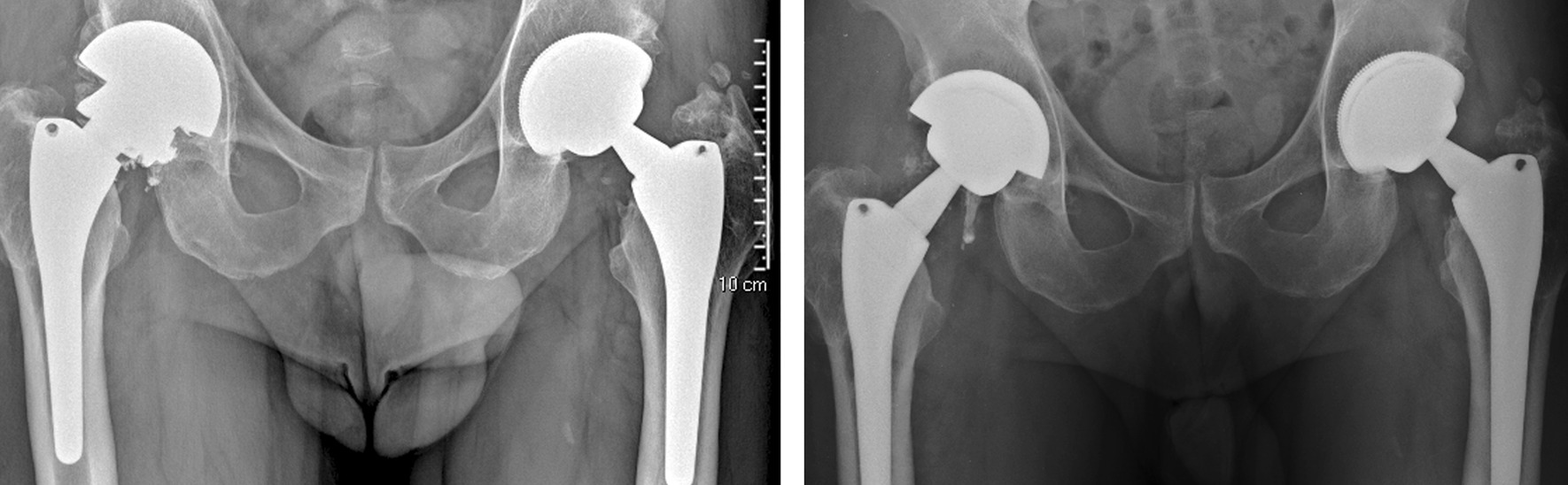
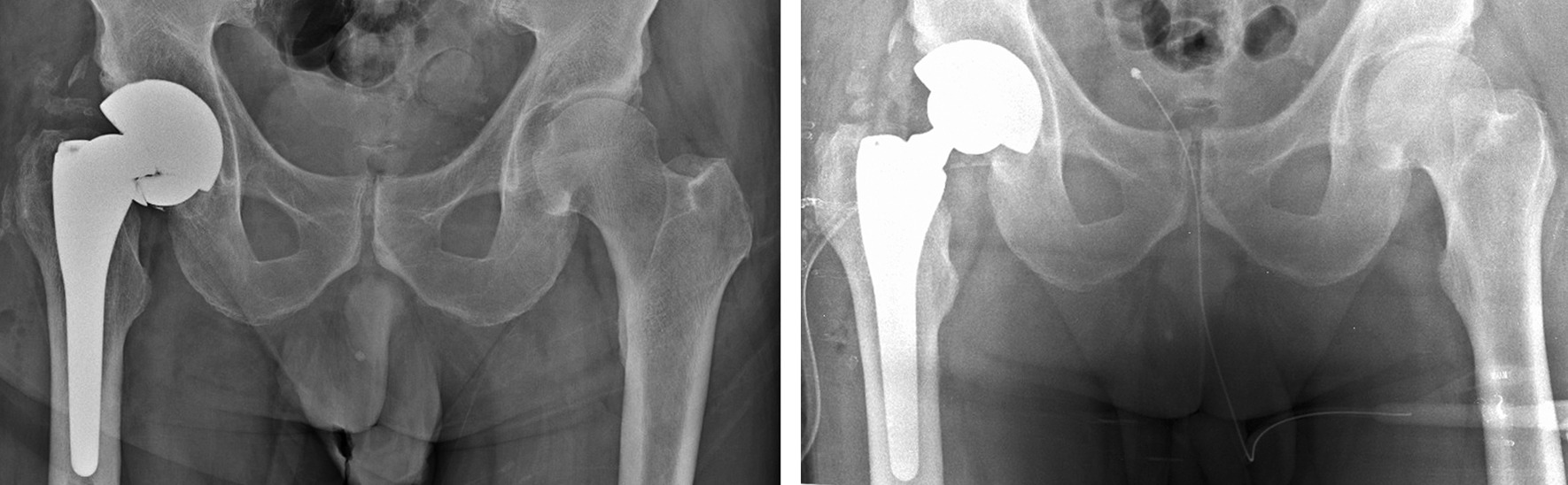
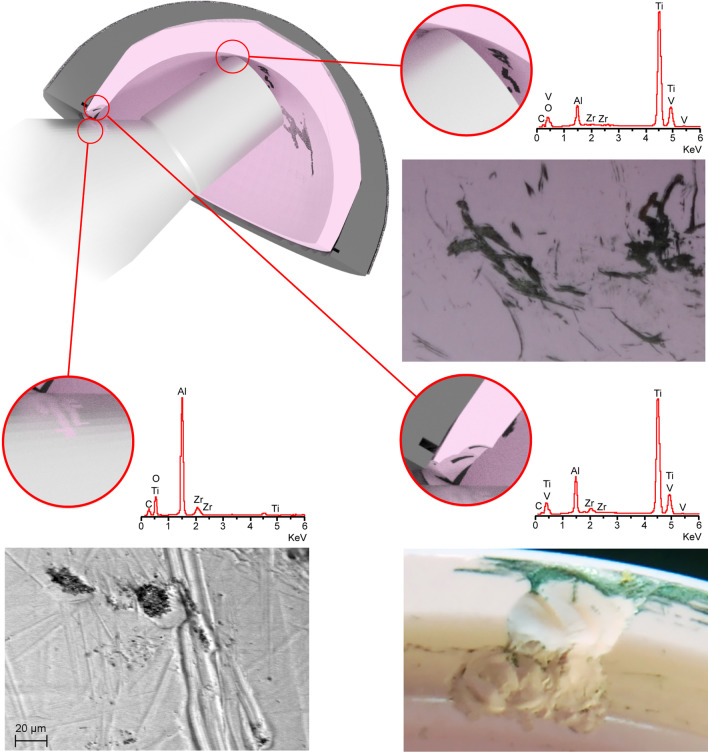
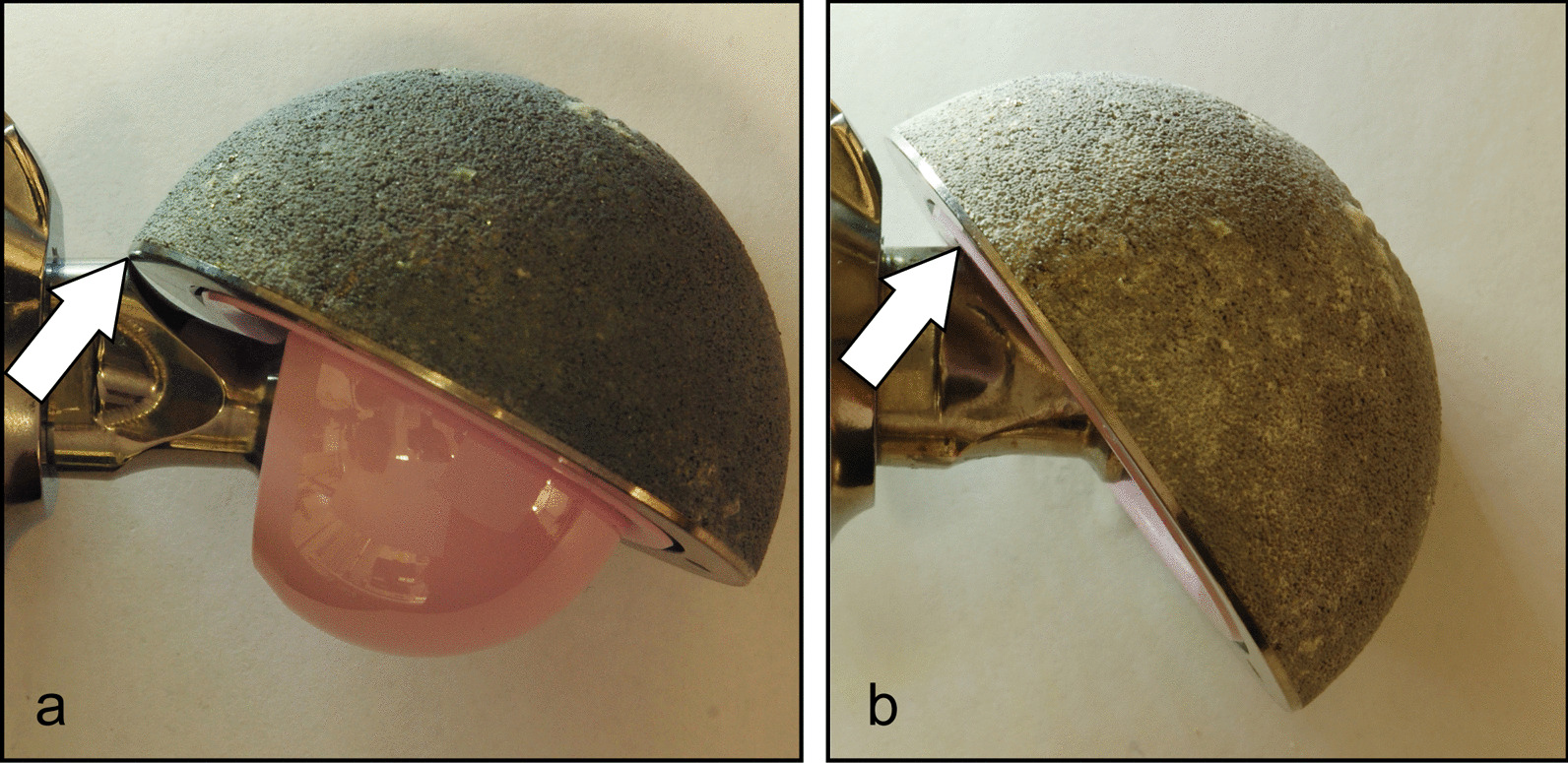
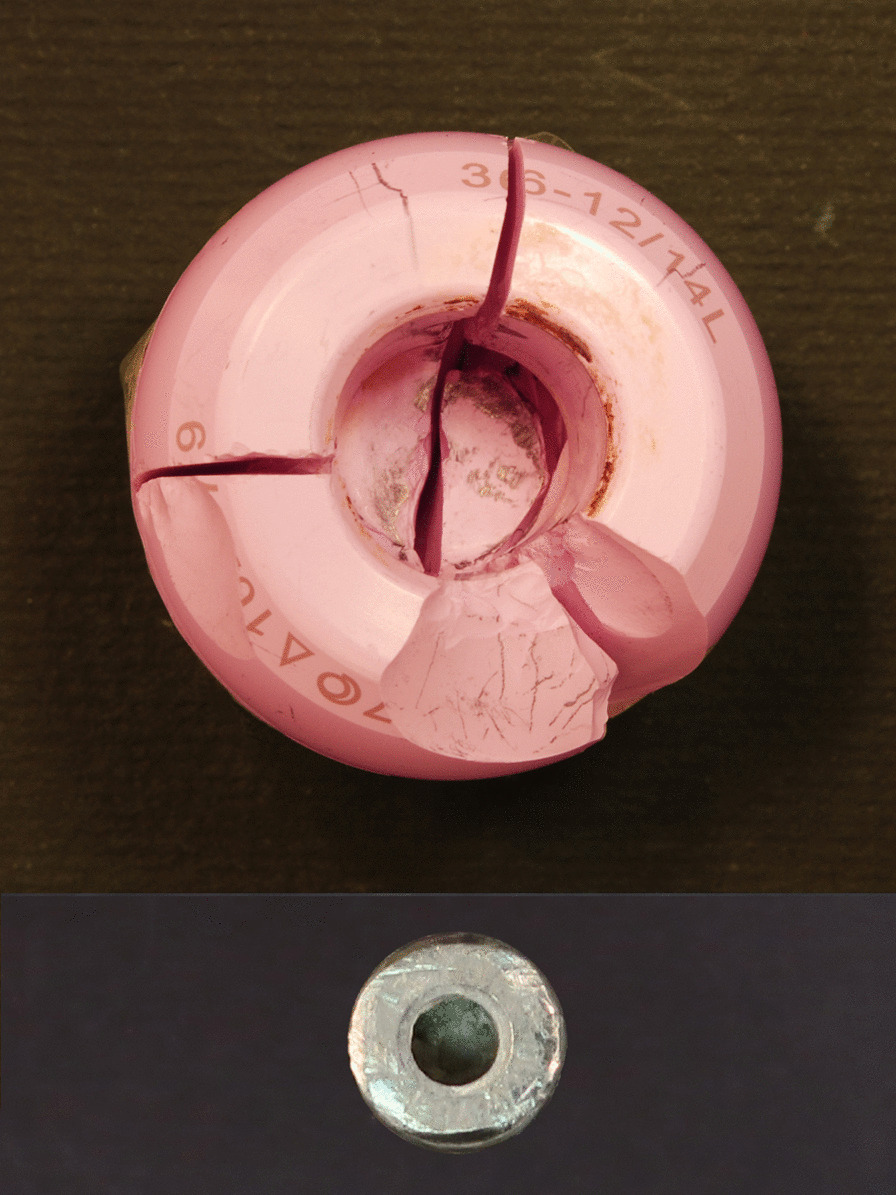
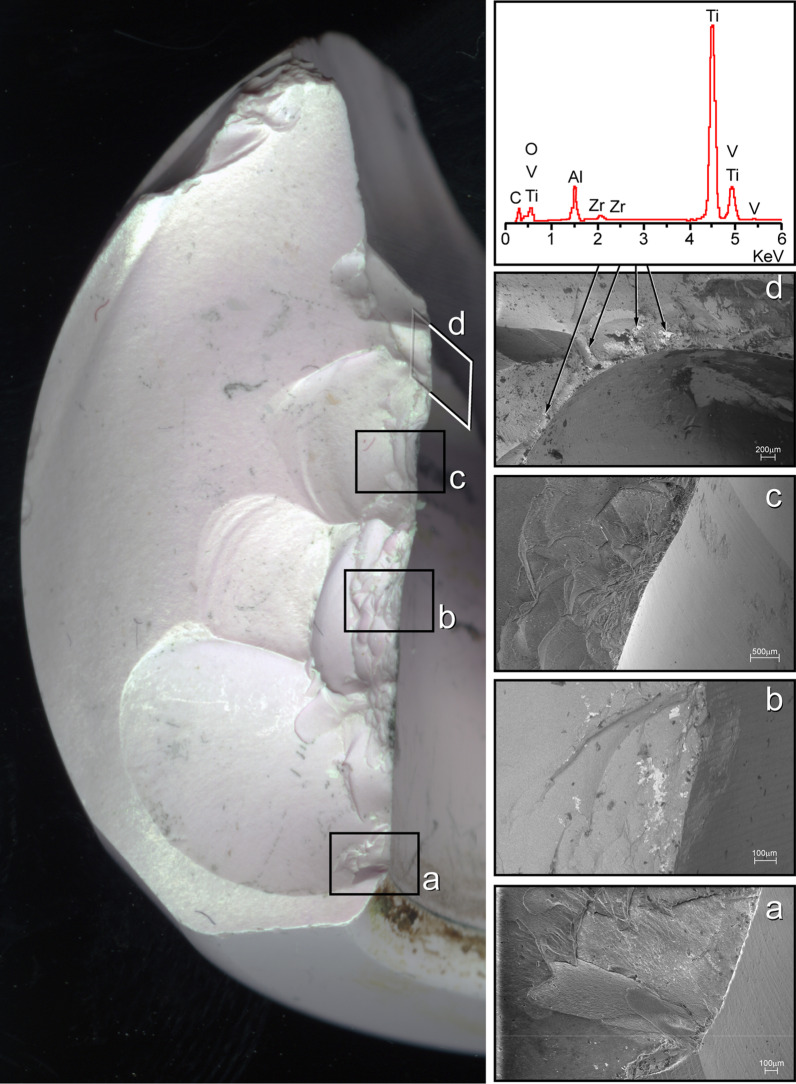
Clinical outcomes confirmed the extremely low fracture rate of fourth-generation ceramic heads: only two out of 29,495 heads fractured. The two fractures, both involving 36 mm heads, occurred without a concurrent or previous remarkable trauma. Considering the feature of the fractured head, a multi-stage crack growth mechanism has been hypothesized to occur following damage at the head-neck taper interface.
Surgeons must continue to pay attention to the assembly of the femoral head: achieving a proper head seating on a clean taper is a prerequisite to decrease the risk of occurrence of any damage process within head-neck junction, which may cause high stress concentration at the contact surface, promoting crack nucleation and propagation even in toughened ceramics.
陶瓷轴承因其优异的耐磨性能和生物相容性而被用于全髋关节置换术。与它们的使用相关的主要问题是材料脆性,这显著影响陶瓷部件的断裂风险。断裂韧性的提高有助于降低陶瓷部件的断裂率,至少降低了假体头的断裂率。然而,这些罕见事件的根本原因尚未完全了解。本研究评估了第四代陶瓷对陶瓷假体的大量患者中头断裂的发生情况,并描述了在罕见的头断裂病例中患者报告的情况。
使用关节置换登记处的数据,确定了 29495 例第四代陶瓷轴承髋关节假体的临床存活率。平均随访时间为 5.2 年(范围 0.1-15.6 年)。对一个可获得陶瓷部件的病例进行了检索分析。
临床结果证实了第四代陶瓷头极低的断裂率:29495 个头中只有两个断裂。这两个骨折都涉及 36 毫米的头,没有并发或先前明显的创伤。考虑到头的断裂特征,假设在头颈锥度界面处发生损伤后,会出现多阶段裂纹扩展机制。
外科医生必须继续注意股骨头的装配:在干净的锥度上获得适当的头座是降低头颈交界处任何损伤过程发生风险的前提,这可能导致在接触表面处产生高应力集中,促进裂纹成核和扩展,即使在增韧陶瓷中也是如此。