Department of Pediatrics, Peking Union Medical College Hospital, Chinese Academy of Medical Sciences, Beijing, China.
State Key Laboratory of Complex Severe and Rare Diseases, Peking Union Medical College Hospital, Beijing, China.
Orphanet J Rare Dis. 2022 Jun 6;17(1):214. doi: 10.1186/s13023-022-02364-z.
NLRP3-associated autoinflammatory disease (NLRP3-AID), caused by mutations of NLRP3, is one of the autoinflammatory diseases affecting inflammasomes. Since there are little cases of Chinese NLRP3-AID, we reported 14 Chinese NLRP3-AID patients in our center and summarized the clinical features of all Chinese patients by reviewing the literature.
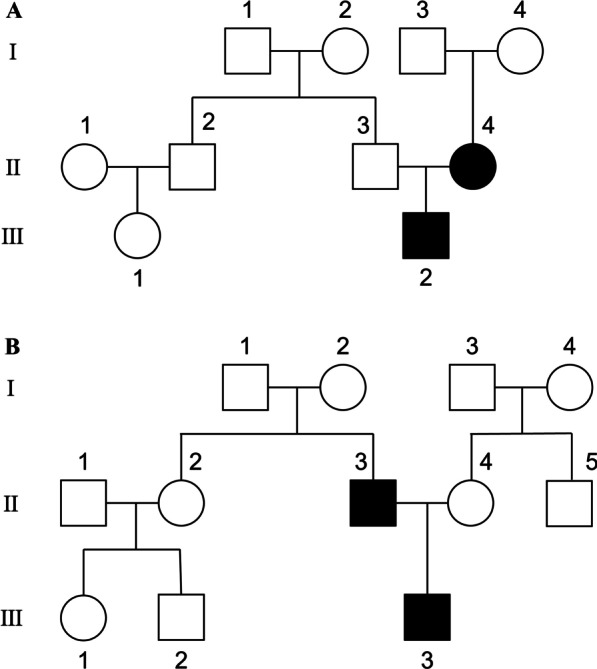
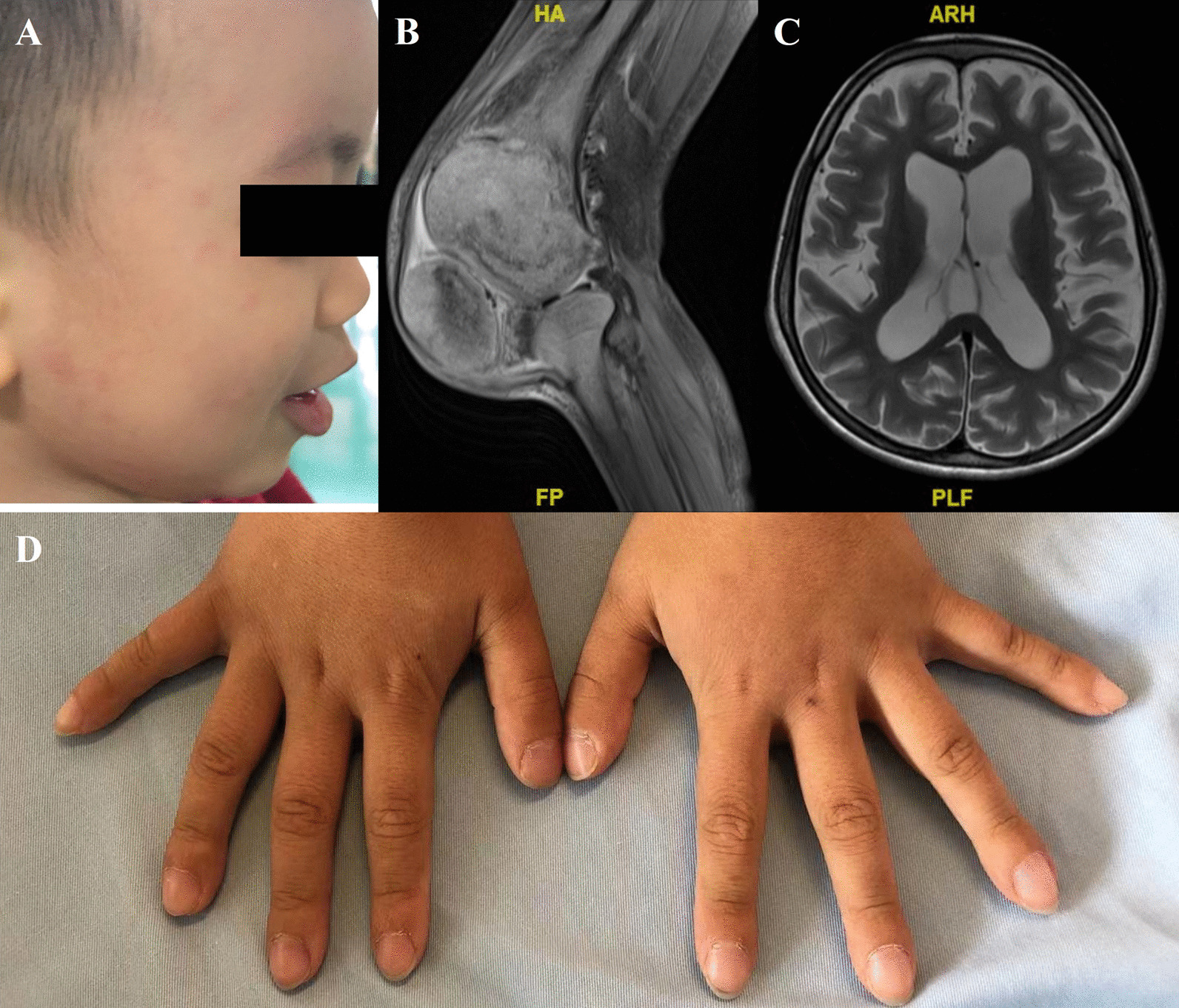
Fourteen patients had been diagnosed as NLRP3-AID in our center. 12 different NLRP3 variants were identified, among which one is novel: p.Leu361Trp. Rash, recurrent fever, arthritis/arthralgia, uveitis, sensorineural deafness, symptoms of central neural systems (CNS), and increased inflammatory markers (including CRP, ESR, except Ferritin) were the common findings in Chinese patients. The frequencies of fever, neurological symptoms, musculoskeletal manifestations and ocular manifestations in Chinese patients might differ from that of patients from other regions. Besides, we also found clubbing fingers and optic neuritis in some NLRP3-AID patients, which were not commonly mentioned in previous reports.
In our study, we expanded the clinical spectrum as well as the genetic pathogenic variants of NLRP3-AID. We also found that there were some differences between Chinese patients and patients from other regions, and that Chinese patients were more likely to develop severe symptoms.
NLRP3 相关性自身炎症性疾病(NLRP3-AID)是一种影响炎症小体的自身炎症性疾病,由 NLRP3 突变引起。由于中国 NLRP3-AID 病例较少,我们报道了 14 例中国 NLRP3-AID 患者,并通过文献复习总结了所有中国患者的临床特征。
在本中心,共诊断出 14 例 NLRP3-AID 患者。共鉴定出 12 种不同的 NLRP3 变异体,其中一种为新型变异体:p.Leu361Trp。皮疹、反复发热、关节炎/关节痛、葡萄膜炎、感觉神经性耳聋、中枢神经系统(CNS)症状和炎症标志物升高(CRP、ESR 升高,Ferritin 除外)是中国患者的常见表现。中国患者的发热、神经系统症状、肌肉骨骼表现和眼部表现的频率可能与其他地区的患者不同。此外,我们还发现一些 NLRP3-AID 患者存在杵状指和视神经炎,这在以往的报道中并不常见。
在本研究中,我们扩展了 NLRP3-AID 的临床谱和遗传致病性变异体。我们还发现,中国患者与其他地区的患者存在一些差异,中国患者更有可能出现严重症状。