Department of Radiology, The Royal Marsden Hospital, 203 Fulham Rd, London, SW3 6JJ, England, UK.
Department of Radiology, The Royal Marsden Hospital, Downs Rd, Sutton, SM2 5PT, England, UK.
Cancer Imaging. 2022 Jun 7;22(1):26. doi: 10.1186/s40644-022-00464-4.
The assessment of metastatic breast cancer (MBC) can be limited with routine imaging such as computed tomography (CT) especially in bone-only or bone-predominant disease. This analysis investigates the effects of the use of WBMRI in addition to the use of routine CT, bone scintigraphy (BS) and fluorine-18-fluorodeoxyglucose positron emission tomography with computed tomography (FDG-PET/CT) on influencing systemic anti-cancer treatment (SACT) decisions in patients with known MBC.
MBC patients undergoing SACT who had WBMRI undertaken within 8 weeks of either a routine CT, BS or FDG-PET/CT were reviewed retrospectively. The clinical indications for undertaking the WBMRI examinations were recorded. Data on the extent and distribution of the disease were collected and discordance/concordance of disease status across the imaging modalities were compared. SACT decisions at each time point were also evaluated.
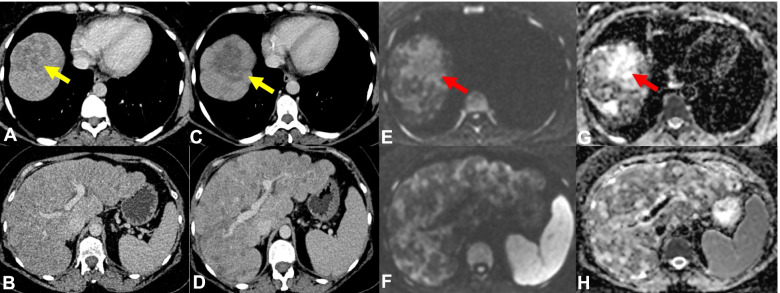
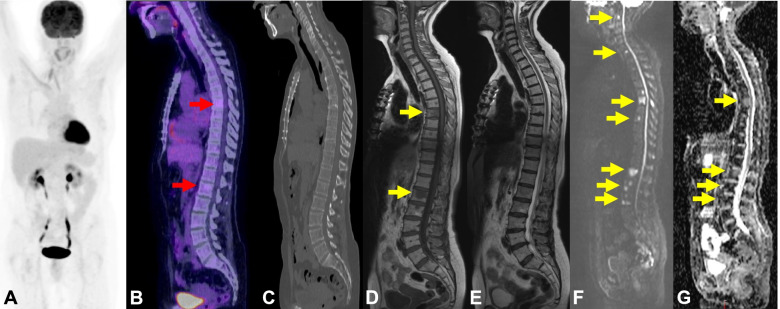
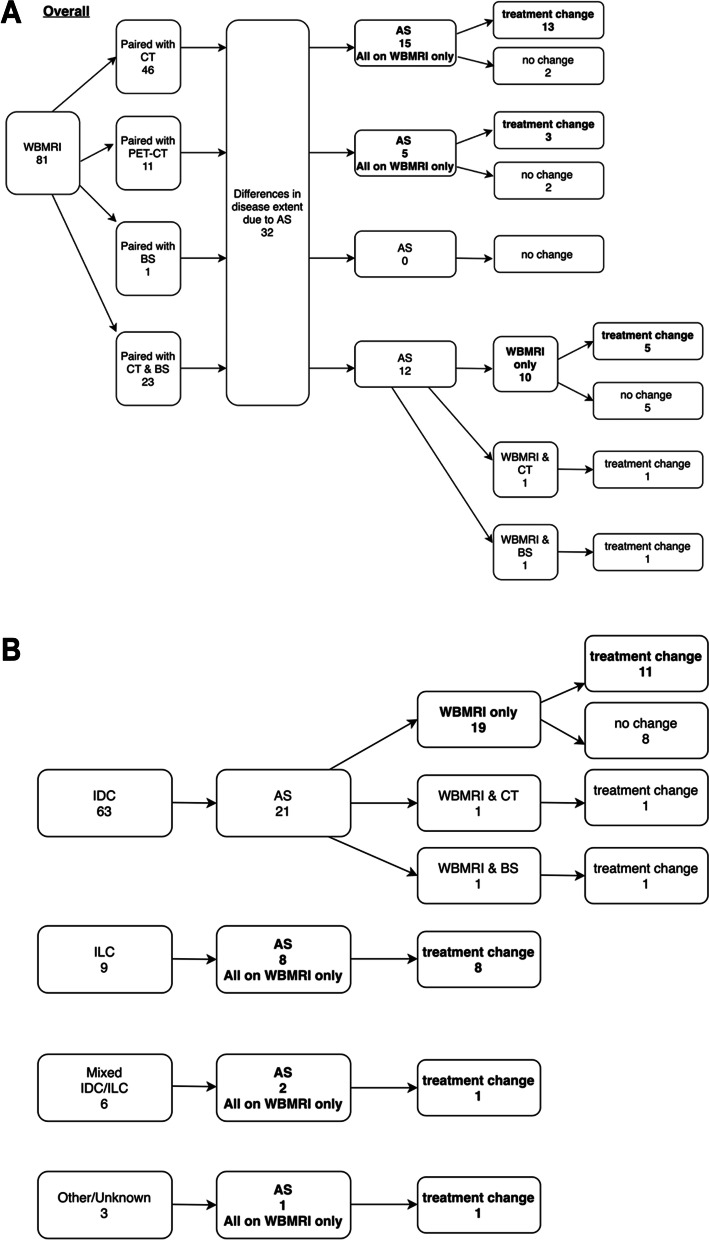
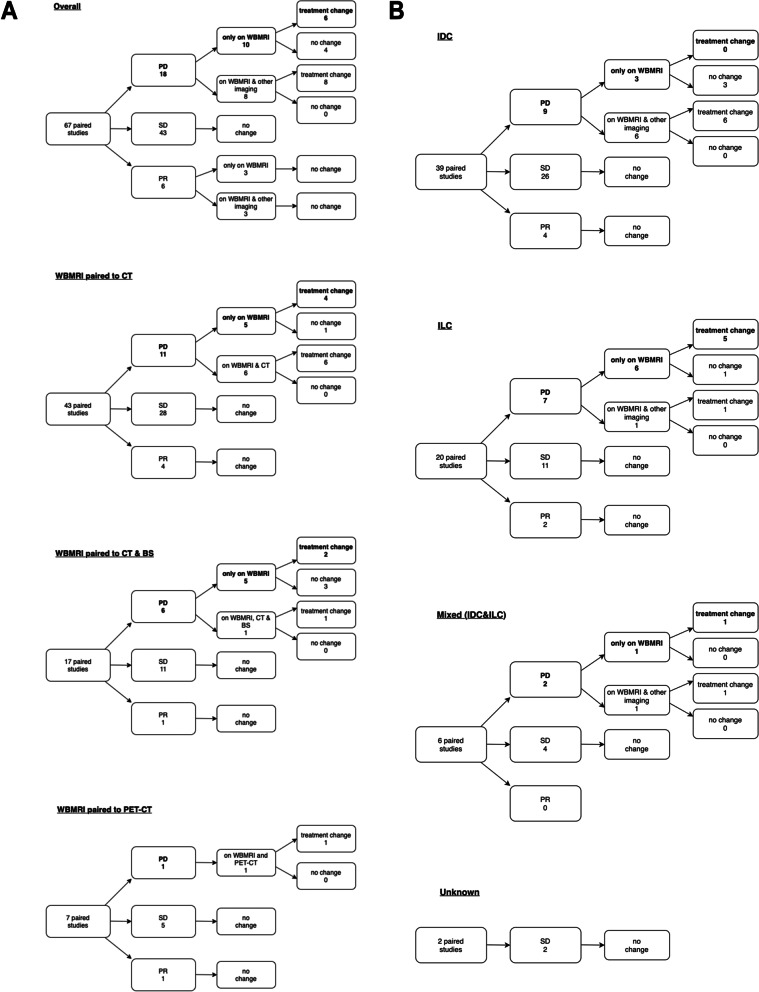
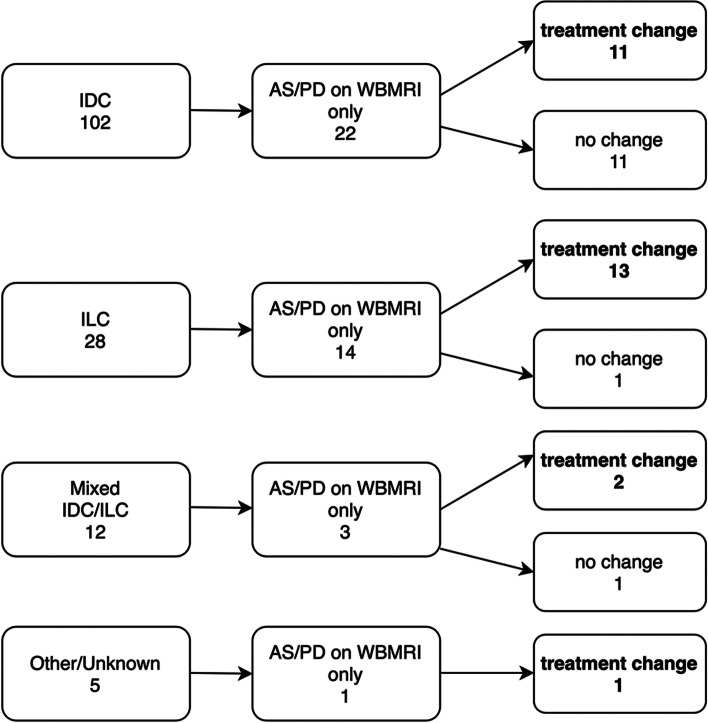
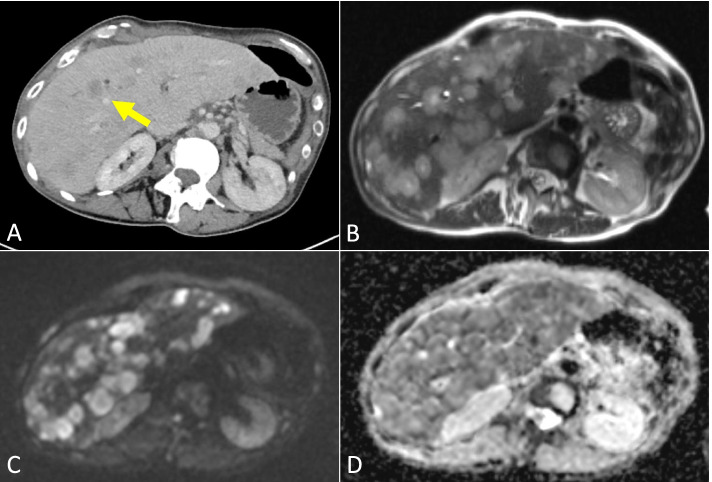
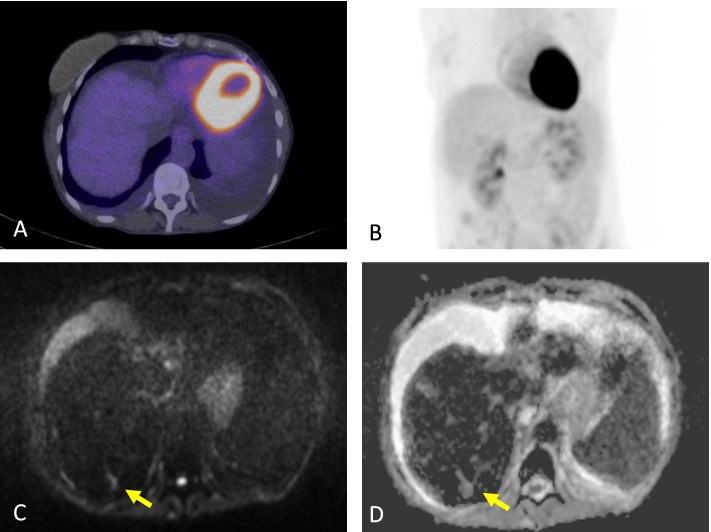
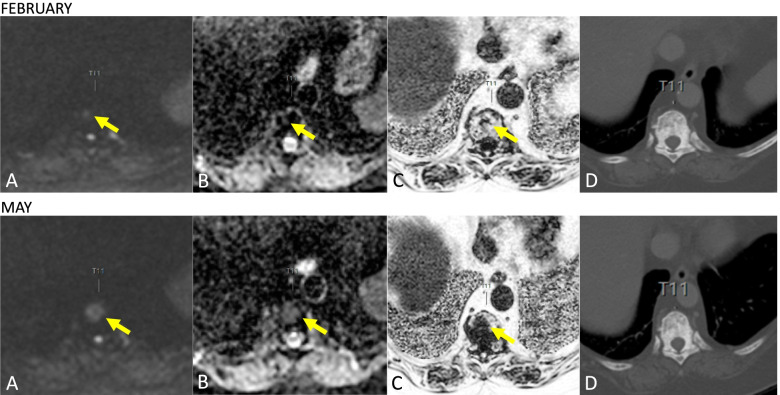
There were 105 MBC patients with 148 WBMRI studies paired with CT, BS or FDG-PET/CT. 50 pairs (33.8%) showed differences in the extent of disease, with 44 pairs due to additional sites (AS) reported on WBMRI alone. 81 patients (Group 1) had one WBMRI paired with routine imaging due to a variety of indications, with clinical symptoms (such as bone pain) being the most common (24.7%). 24 patients (Group 2) had more than one WBMRI study paired with routine imaging comprising 67 pairs. 13/67 pairs (19.4%) showed discordance in assessments. 10/13 pairs had progressive disease (PD) reported on WBMRI alone. SACT change due to AS reported on WBMRI alone occurred in 21/23 pairs (91.3%) in Group 1. SACT change due to PD reported on WBMRI alone in Group 2 occurred in 6/14 pairs (42.9%). SACT change due to AS/PD in both groups occurred in 11/102 pairs (10.8%) with known invasive ductal carcinoma (IDC) and 13/28 pairs (46.4%) with invasive lobular carcinoma (ILC).
The use of WBMRI in MBC led to earlier recognition of PD and SACT change compared with the other imaging modalities. A higher proportion of discordant response assessments and SACT changes were observed in ILC compared with IDC in our patient group, although larger-scale studies are required to investigate this further.
常规影像学检查(如计算机断层扫描(CT))在评估转移性乳腺癌(MBC)时可能存在局限性,尤其是在仅存在骨转移或骨转移为主的疾病中。本分析研究了在已知 MBC 患者中,除常规 CT、骨闪烁扫描(BS)和氟-18-氟代脱氧葡萄糖正电子发射断层扫描与计算机断层扫描(FDG-PET/CT)外,还使用全身磁共振骨成像(WBMRI)对影响全身抗癌治疗(SACT)决策的影响。
回顾性分析了在常规 CT、BS 或 FDG-PET/CT 检查后 8 周内接受 SACT 并同时进行 WBMRI 检查的 MBC 患者。记录了进行 WBMRI 检查的临床指征。收集了疾病的范围和分布数据,并比较了各种成像方式的疾病状态的差异/一致性。还评估了每个时间点的 SACT 决策。
共有 105 例 MBC 患者,共进行了 148 次 WBMRI 检查,与 CT、BS 或 FDG-PET/CT 配对。50 对(33.8%)的疾病范围存在差异,其中 44 对仅在 WBMRI 上报告了额外部位(AS)。81 例患者(第 1 组)由于各种原因(如骨痛等)与常规影像学检查配对进行了一次 WBMRI 检查,其中最常见的原因是临床症状(24.7%)。24 例患者(第 2 组)接受了多次 WBMRI 检查,与常规影像学检查配对,共进行了 67 次。13/67 对(19.4%)的评估结果存在差异。10/13 对(76.9%)的报告仅在 WBMRI 上发现进展性疾病(PD)。第 1 组中,21/23 对(91.3%)因 WBMRI 上报告的 AS 而发生 SACT 改变。第 2 组中,6/14 对(42.9%)因 WBMRI 上报告的 PD 而发生 SACT 改变。第 1 组和第 2 组均因 AS/PD 而发生 SACT 改变的患者有 11/102 对(10.8%)为已知浸润性导管癌(IDC),13/28 对(46.4%)为浸润性小叶癌(ILC)。
与其他影像学检查相比,在 MBC 中使用 WBMRI 可更早地发现 PD 和 SACT 变化。在我们的患者群体中,与 IDC 相比,ILC 的反应评估和 SACT 变化的不相符比例更高,尽管需要更大规模的研究来进一步研究这一现象。