Departments of Cell, Developmental and Integrative Biology.
Department of Neurology, and.
JCI Insight. 2022 Jun 8;7(11):e155002. doi: 10.1172/jci.insight.155002.
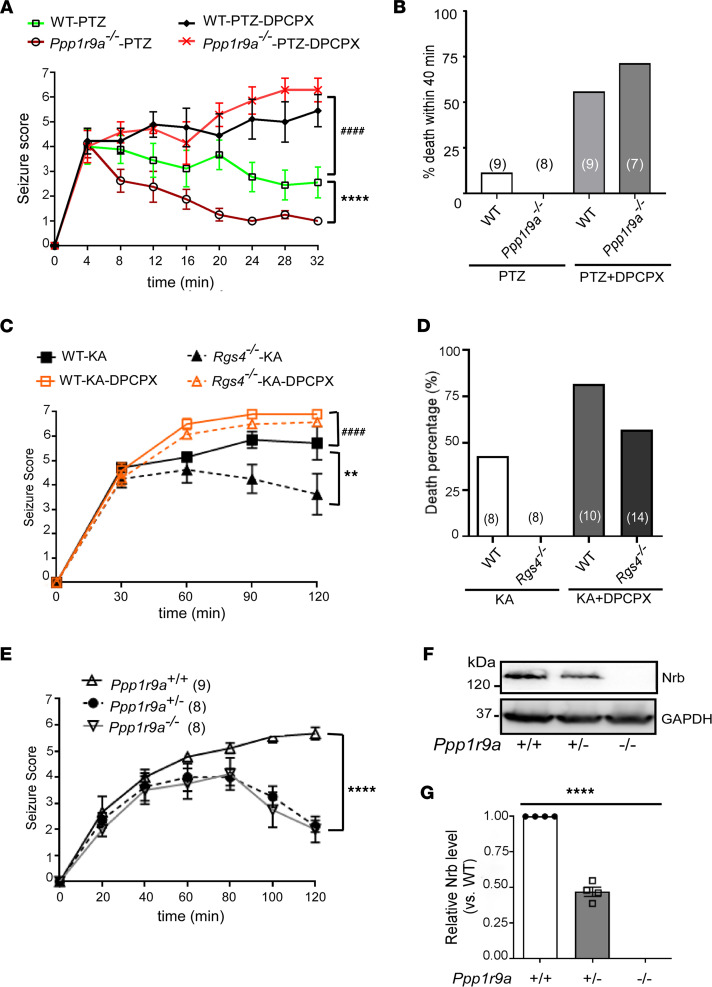
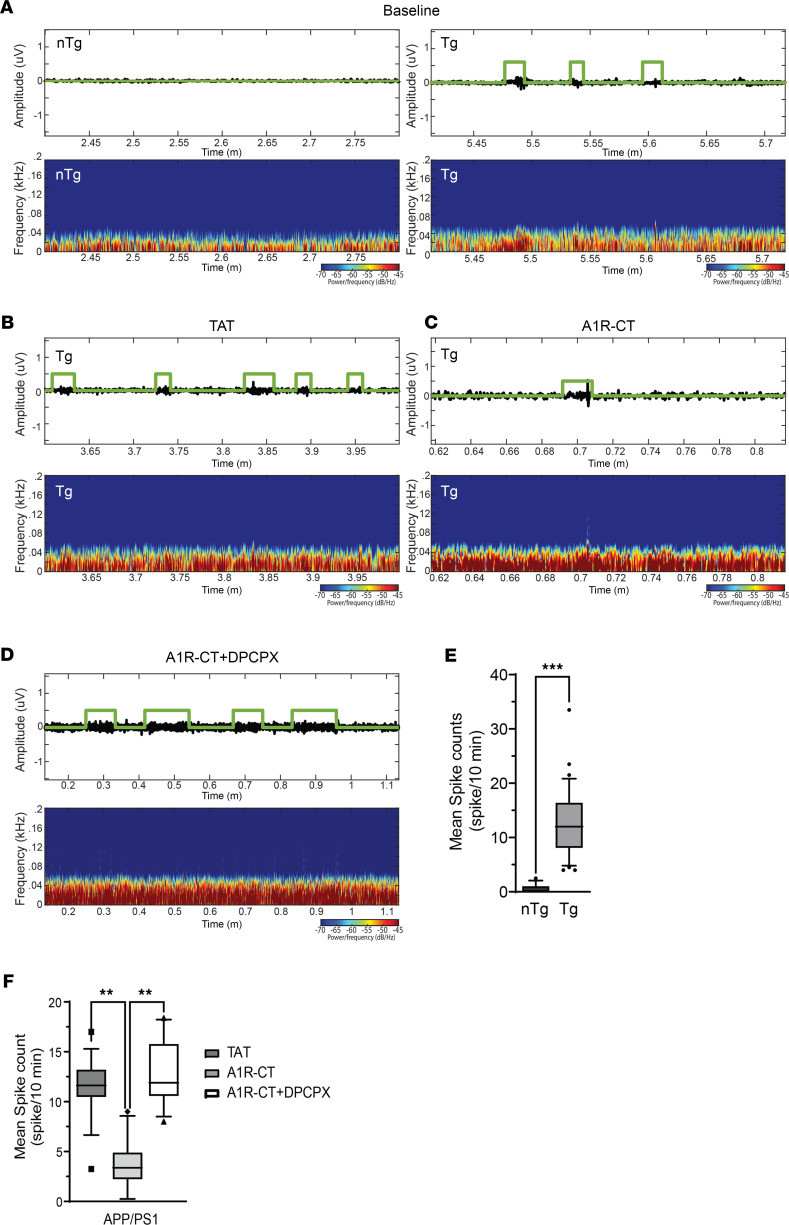
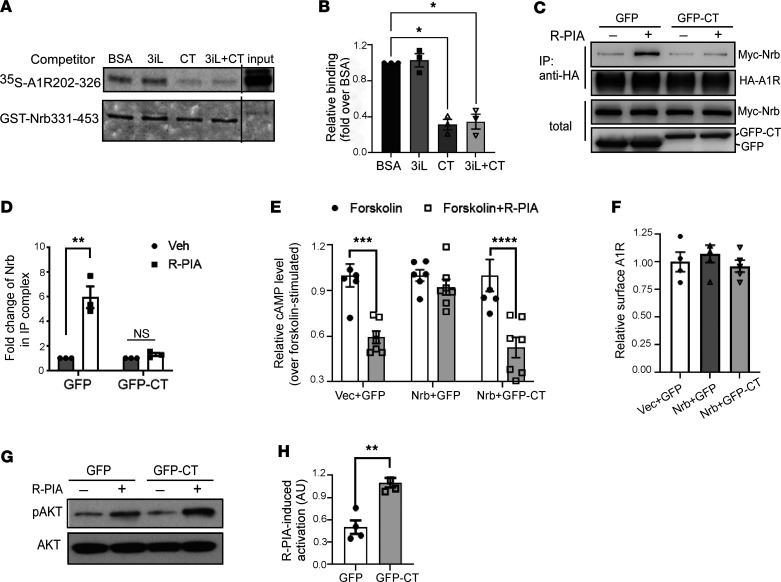
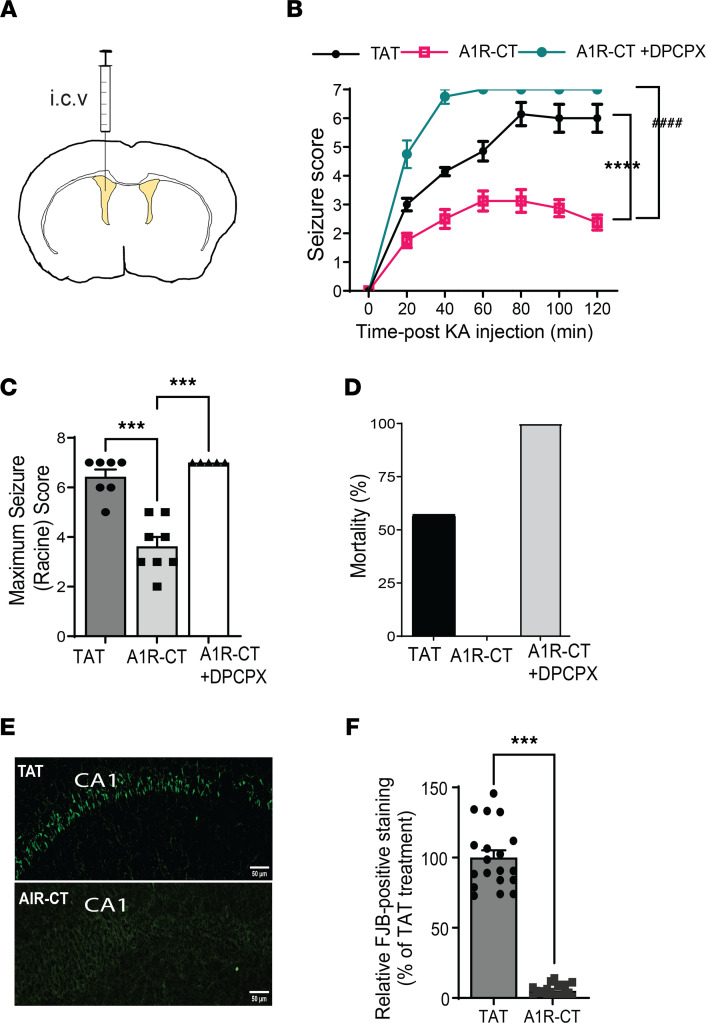
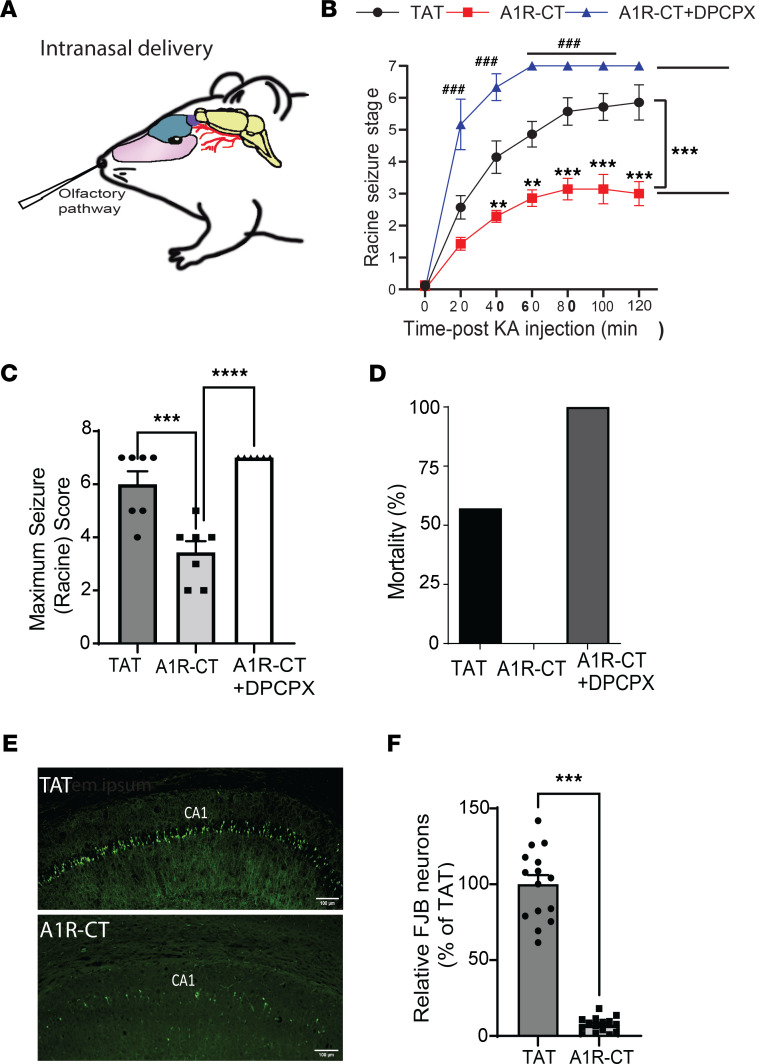
Epileptic seizures are common sequelae of stroke, acute brain injury, and chronic neurodegenerative diseases, including Alzheimer's disease (AD), and cannot be effectively controlled in approximately 40% of patients, necessitating the development of novel therapeutic agents. Activation of the A1 receptor (A1R) by endogenous adenosine is an intrinsic mechanism to self-terminate seizures and protect neurons from excitotoxicity. However, targeting A1R for neurological disorders has been hindered by side effects associated with its broad expression outside the nervous system. Here we aim to target the neural-specific A1R/neurabin/regulator of G protein signaling 4 (A1R/neurabin/RGS4) complex that dictates A1R signaling strength and response outcome in the brain. We developed a peptide that blocks the A1R-neurabin interaction to enhance A1R activity. Intracerebroventricular or i.n. administration of this peptide shows marked protection against kainate-induced seizures and neuronal death. Furthermore, in an AD mouse model with spontaneous seizures, nasal delivery of this blocking peptide reduces epileptic spike frequency. Significantly, the anticonvulsant and neuroprotective effects of this peptide are achieved through enhanced A1R function in response to endogenous adenosine in the brain, thus, avoiding side effects associated with A1R activation in peripheral tissues and organs. Our study informs potentially new anti-seizure therapy applicable to epilepsy and other neurological illness with comorbid seizures.
癫痫发作是中风、急性脑损伤和慢性神经退行性疾病(包括阿尔茨海默病)的常见后遗症,约 40%的患者无法有效控制癫痫发作,因此需要开发新的治疗药物。内源性腺苷激活 A1 受体(A1R)是自行终止癫痫发作和保护神经元免受兴奋性毒性的内在机制。然而,由于 A1R 在神经系统外广泛表达所带来的副作用,靶向 A1R 治疗神经疾病受到了阻碍。在这里,我们旨在针对神经特异性 A1R/neurabin/调节 G 蛋白信号转导 4(A1R/neurabin/RGS4)复合物,该复合物决定了大脑中 A1R 信号的强度和反应结果。我们开发了一种阻断 A1R-neurabin 相互作用的肽,以增强 A1R 活性。脑室或鼻内给予这种肽可显著对抗红藻氨酸诱导的癫痫发作和神经元死亡。此外,在具有自发性癫痫发作的 AD 小鼠模型中,鼻内给予这种阻断肽可降低癫痫棘波频率。重要的是,这种肽的抗惊厥和神经保护作用是通过增强大脑中内源性腺苷对 A1R 的作用而实现的,从而避免了 A1R 在周围组织和器官激活所带来的副作用。我们的研究为潜在的新的抗癫痫治疗方法提供了信息,可应用于癫痫和其他伴有癫痫发作的神经疾病。