Department of Biomedical Engineering, Yale University, New Haven, CT 06520, USA.
Department of Genetics and Institute for Biomedical Informatics, University of Pennsylvania, Philadelphia, PA 19104, USA.
Sci Adv. 2022 Jun 10;8(23):eabj2820. doi: 10.1126/sciadv.abj2820. Epub 2022 Jun 8.
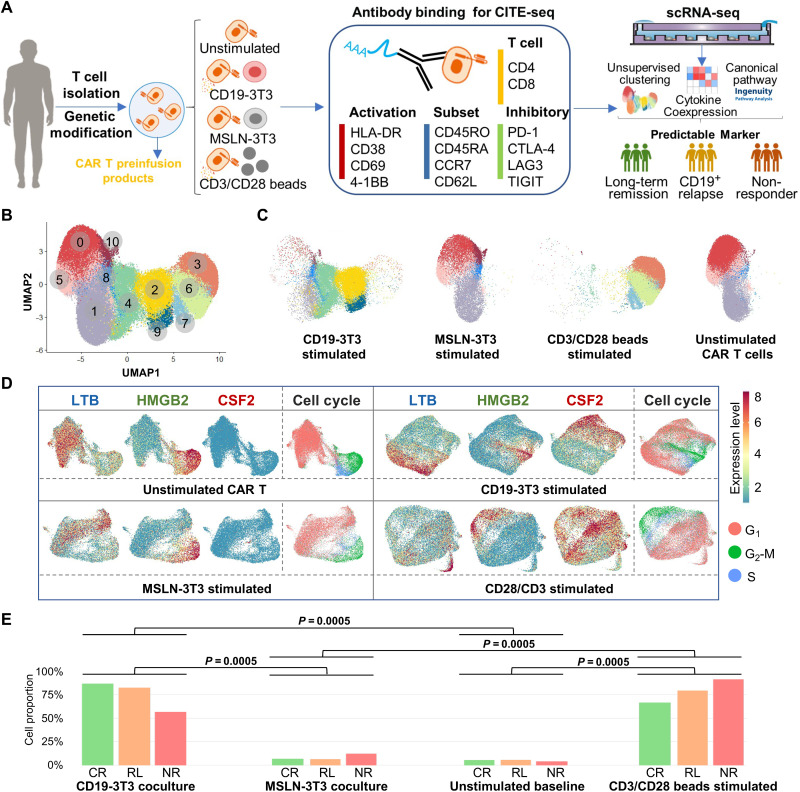
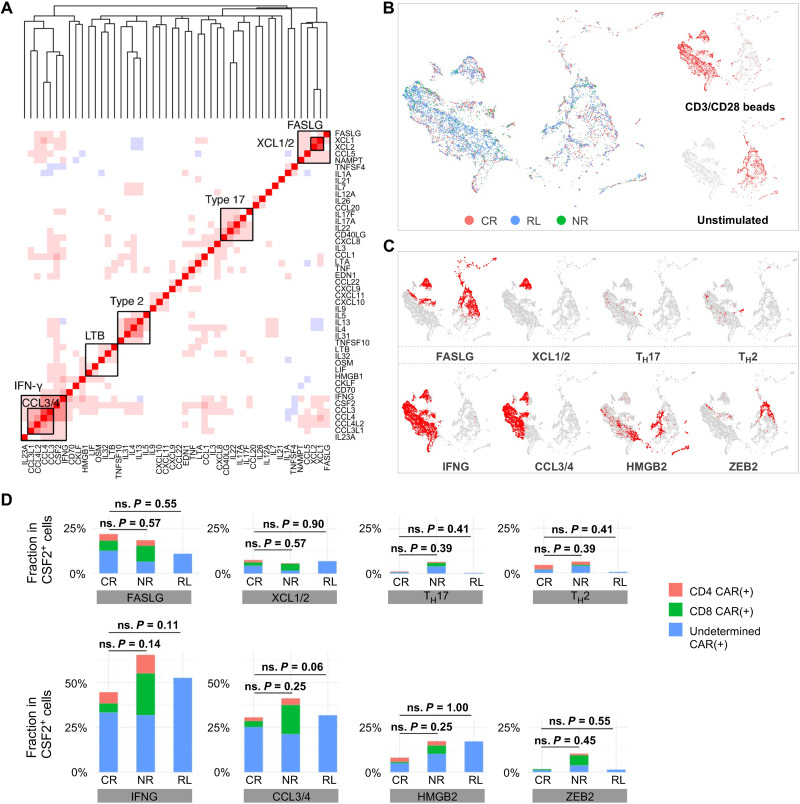
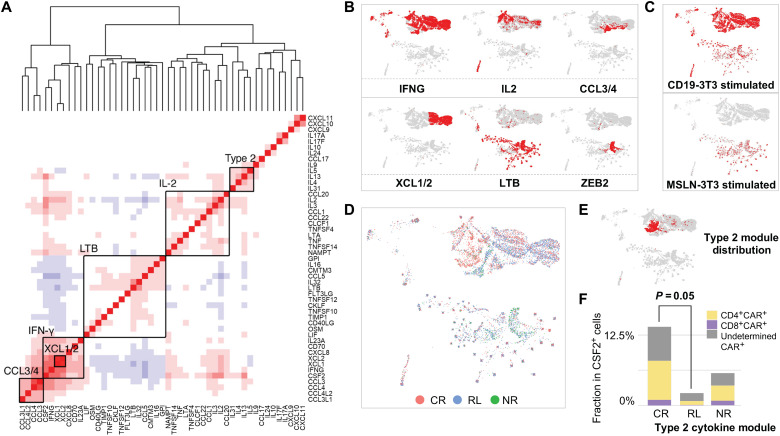
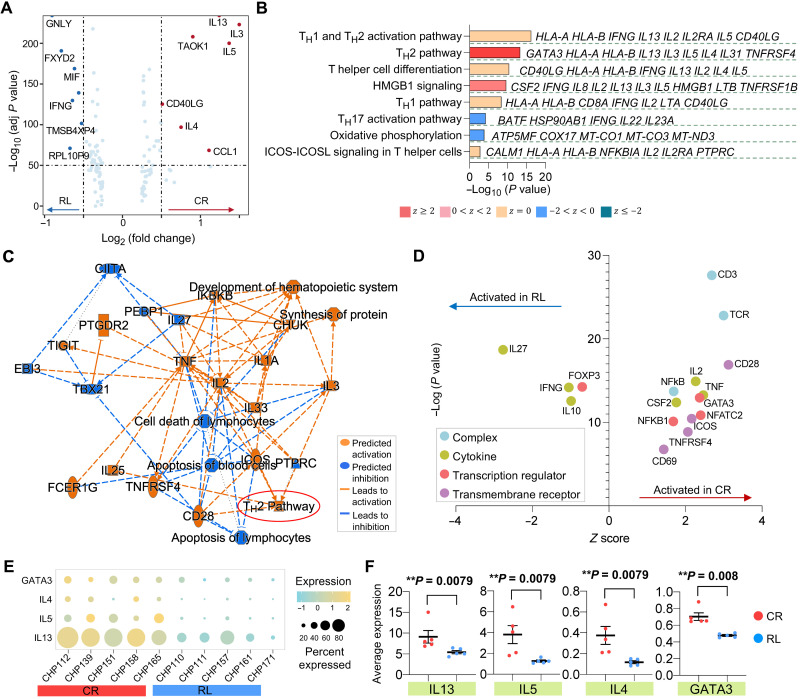
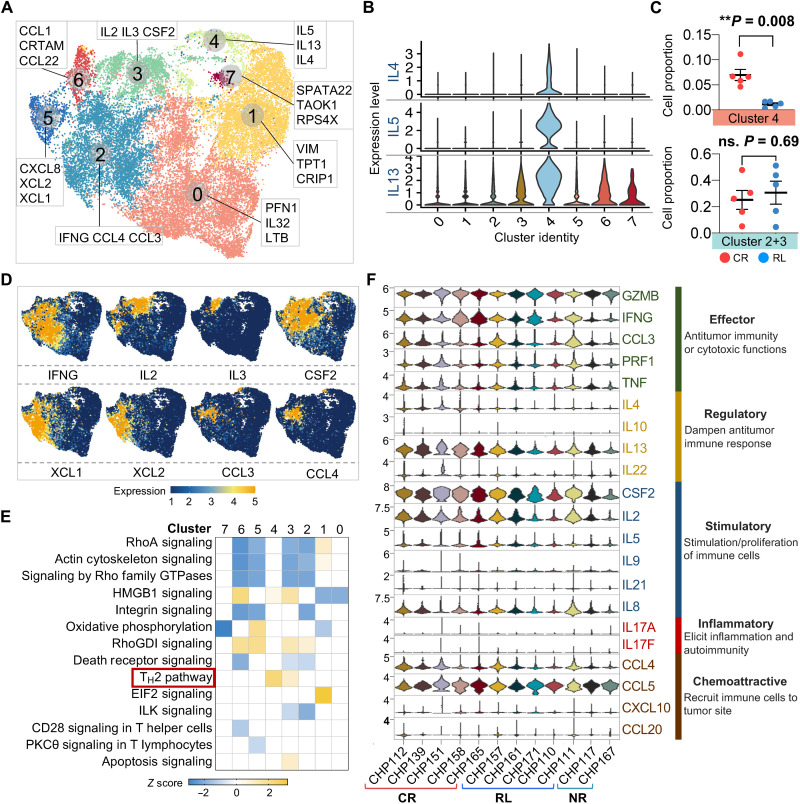
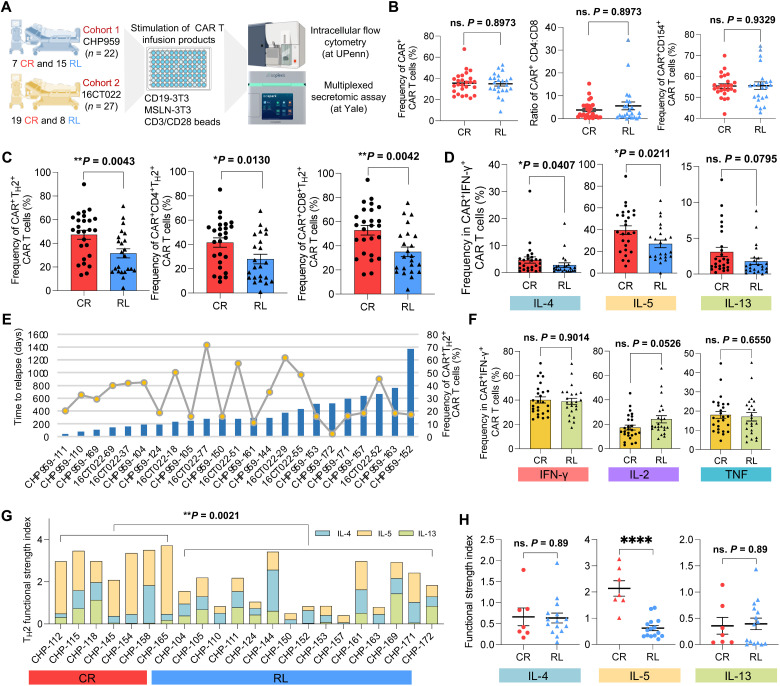
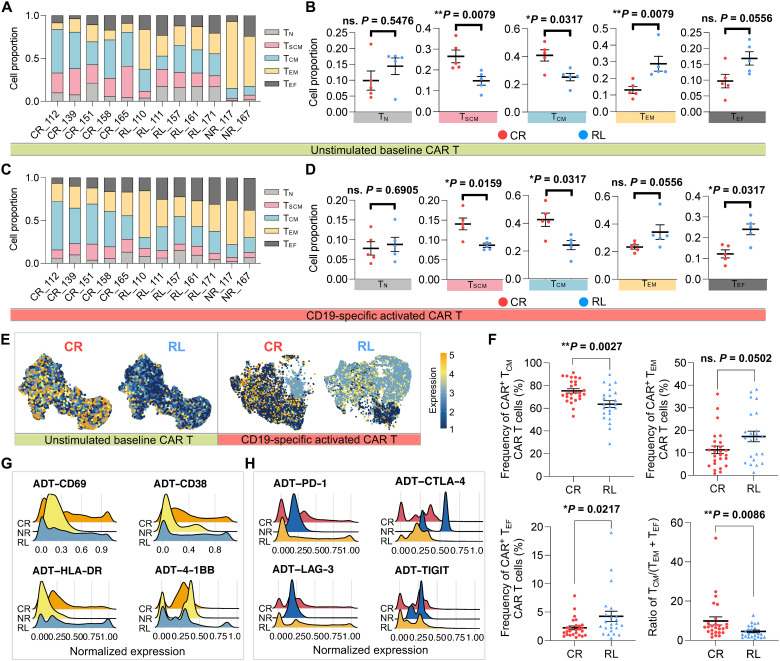
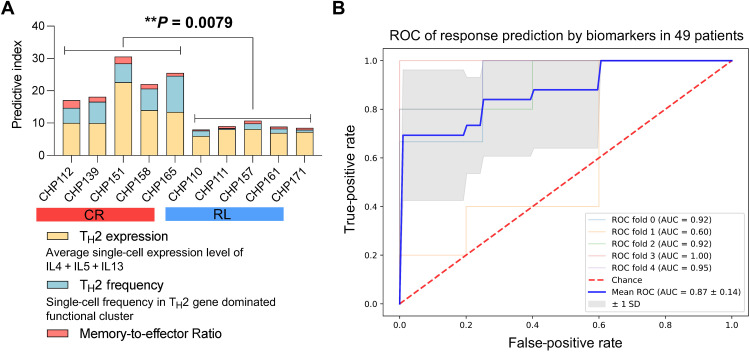
A notable number of acute lymphoblastic leukemia (ALL) patients develop CD19-positive relapse within 1 year after receiving chimeric antigen receptor (CAR) T cell therapy. It remains unclear if the long-term response is associated with the characteristics of CAR T cells in infusion products, hindering the identification of biomarkers to predict therapeutic outcomes. Here, we present 101,326 single-cell transcriptomes and surface protein landscape from the infusion products of 12 ALL patients. We observed substantial heterogeneity in the antigen-specific activation states, among which a deficiency of T helper 2 function was associated with CD19-positive relapse compared with durable responders (remission, >54 months). Proteomic data revealed that the frequency of early memory T cells, rather than activation or coinhibitory signatures, could distinguish the relapse. These findings were corroborated by independent functional profiling of 49 patients, and an integrative model was developed to predict the response. Our data unveil the molecular mechanisms that may inform strategies to boost specific T cell function to maintain long-term remission.
大量急性淋巴细胞白血病 (ALL) 患者在接受嵌合抗原受体 (CAR) T 细胞治疗后 1 年内出现 CD19 阳性复发。目前尚不清楚长期反应是否与输注产品中 CAR T 细胞的特征有关,这阻碍了治疗结果预测生物标志物的识别。在这里,我们展示了 12 名 ALL 患者输注产品中的 101,326 个单细胞转录组和表面蛋白图谱。我们观察到抗原特异性激活状态存在很大的异质性,其中与持久缓解者(缓解期>54 个月)相比,T 辅助 2 功能缺陷与 CD19 阳性复发有关。蛋白质组学数据表明,早期记忆 T 细胞的频率,而不是激活或共抑制特征,可以区分复发。这些发现得到了对 49 名患者进行的独立功能分析的证实,并建立了一个综合模型来预测反应。我们的数据揭示了可能为增强特定 T 细胞功能以维持长期缓解的策略提供信息的分子机制。