Laboratory of Stem Cells for Tissue Engineering, IRCCS Policlinico San Donato, Piazza Malan 2, San Donato Milanese, 20097 Milan, Italy.
Institute for Molecular and Translational Cardiology (IMTC), San Donato Milanese, 20097 Milan, Italy.
Int J Mol Sci. 2022 May 29;23(11):6090. doi: 10.3390/ijms23116090.
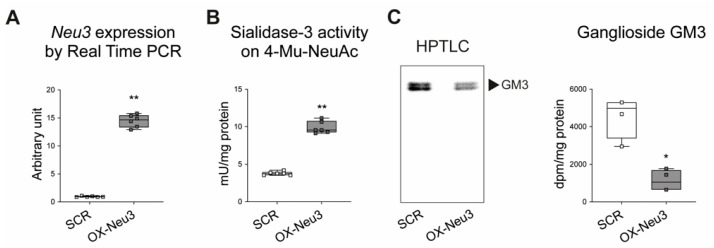
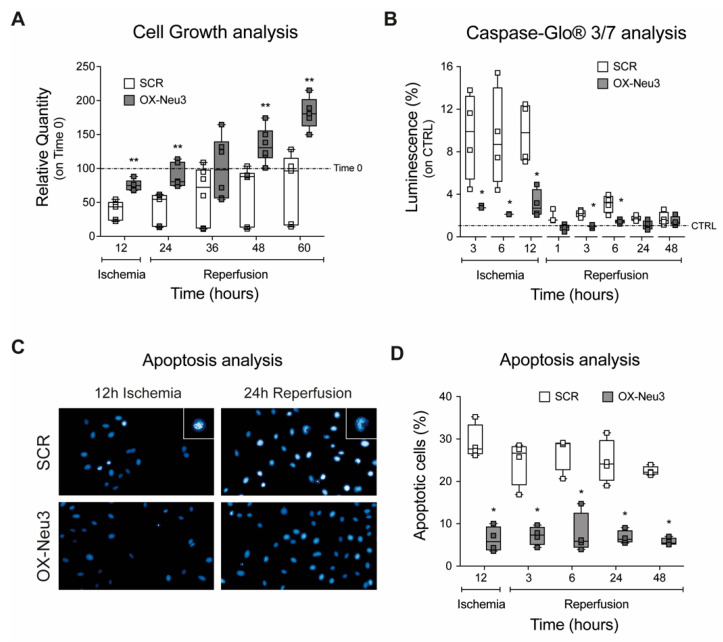
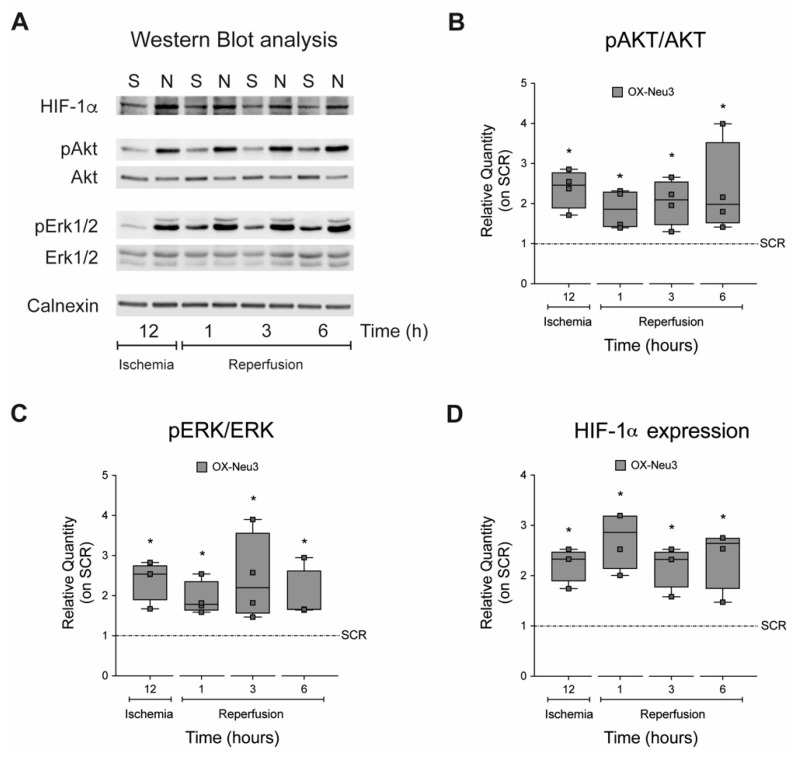
Coronary reperfusion strategies are life-saving approaches to restore blood flow to cardiac tissue after acute myocardial infarction (AMI). However, the sudden restoration of normal blood flow leads to ischemia and reperfusion injury (IRI), which results in cardiomyoblast death, irreversible tissue degeneration, and heart failure. The molecular mechanism of IRI is not fully understood, and there are no effective cardioprotective strategies to prevent it. In this study, we show that activation of sialidase-3, a glycohydrolytic enzyme that cleaves sialic acid residues from glycoconjugates, is cardioprotective by triggering RISK pro-survival signaling pathways. We found that overexpression of significantly increased cardiomyoblast resistance to IRI through activation of HIF-1α and Akt/Erk signaling pathways. This raises the possibility of using Sialidase-3 activation as a cardioprotective reperfusion strategy after myocardial infarction.
冠状动脉再灌注策略是挽救急性心肌梗死(AMI)后心肌组织血流的救生方法。然而,正常血流的突然恢复会导致缺血再灌注损伤(IRI),从而导致心肌细胞死亡、不可逆转的组织退化和心力衰竭。IRI 的分子机制尚不完全清楚,也没有有效的心脏保护策略来预防它。在这项研究中,我们表明,通过触发 RISK 生存信号通路,一种裂解糖缀合物上唾液酸残基的糖水解酶——唾液酸酶-3 的激活具有心脏保护作用。我们发现,通过激活 HIF-1α 和 Akt/Erk 信号通路,过度表达 显著增加了心肌细胞对 IRI 的抗性。这就提出了一种可能性,即使用 Sialidase-3 激活作为心肌梗死后的心脏保护再灌注策略。