Department of Neonatology, The Second Affiliated Hospital and Yuying Children's Hospital of Wenzhou Medical University, Wenzhou, China.
School of Second Clinical Medical, Wenzhou Medical University, Wenzhou, China.
Cell Commun Signal. 2022 Jun 10;20(1):84. doi: 10.1186/s12964-022-00860-0.
Neonatal hypoxic-ischemic brain injury (HIE) is caused by perinatal asphyxia, which is associated with various confounding factors. Although studies on the pathogenesis and treatment of HIE have matured, sub-hypothermia is the only clinical treatment available for HIE. Previous evidence indicates that chlorogenic acid (CGA) exerts a potential neuroprotective effect on brain injury. However, the role of CGA on neonatal HI brain damage and the exact mechanism remains elusive. Here, we investigate the effects of CGA on HI models in vivo and in vitro and explore the underlying mechanism.
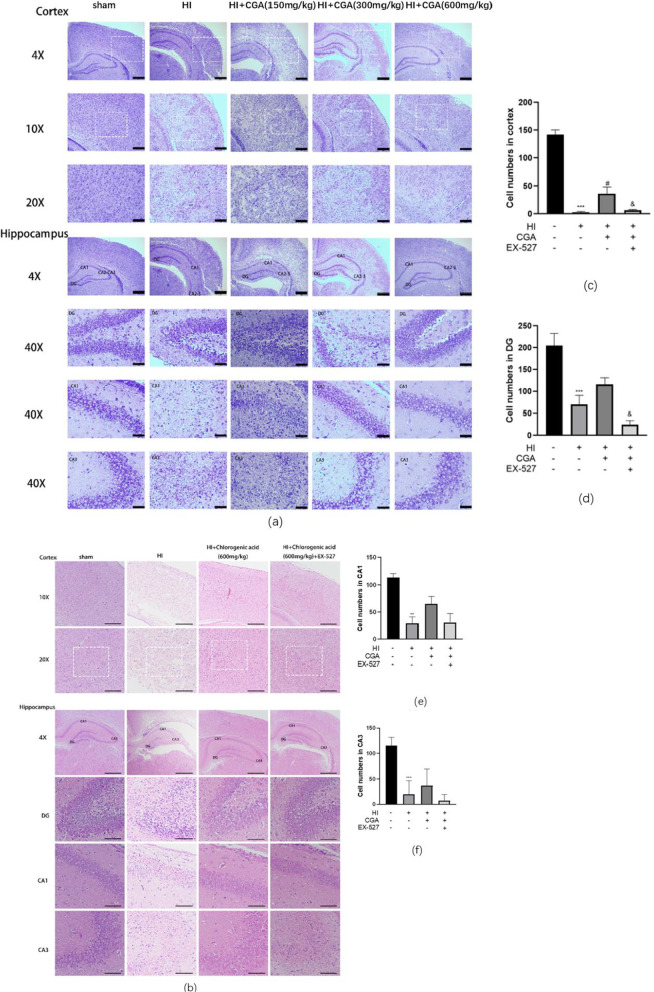
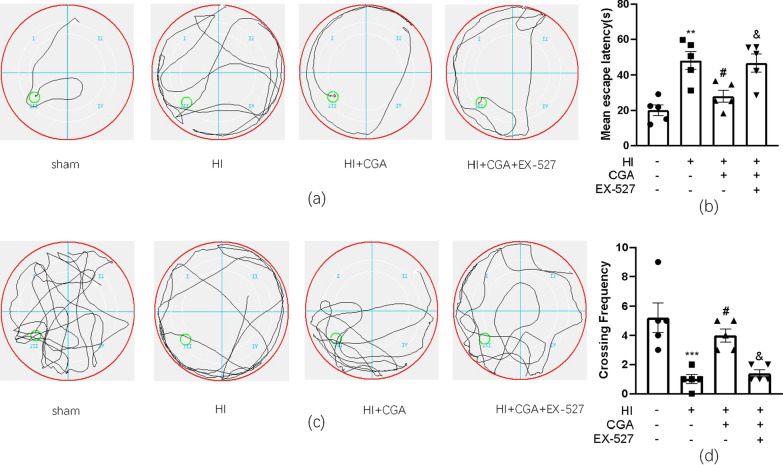
In the in vivo experiment, we ligated the left common carotid artery of 7-day-old rats and placed the rats in a hypoxic box for 2 h. We did not ligate the common carotid artery of the pups in the sham group since they did not have hypoxia. Brain atrophy and infarct size were evaluated by Nissl staining, HE staining and 2,3,5-triphenyltetrazolium chloride monohydrate (TTC) staining. Morris Water Maze test (MWM) was used to evaluate neurobehavioral disorders. Western-blotting and immunofluorescence were used to detect the cell signaling pathway. Malondialdehyde (MDA) content test, catalase (CAT) activity detection and Elisa Assay was used to detect levels of inflammation and oxidative stress. in vitro experiments were performed on isolated primary neurons.
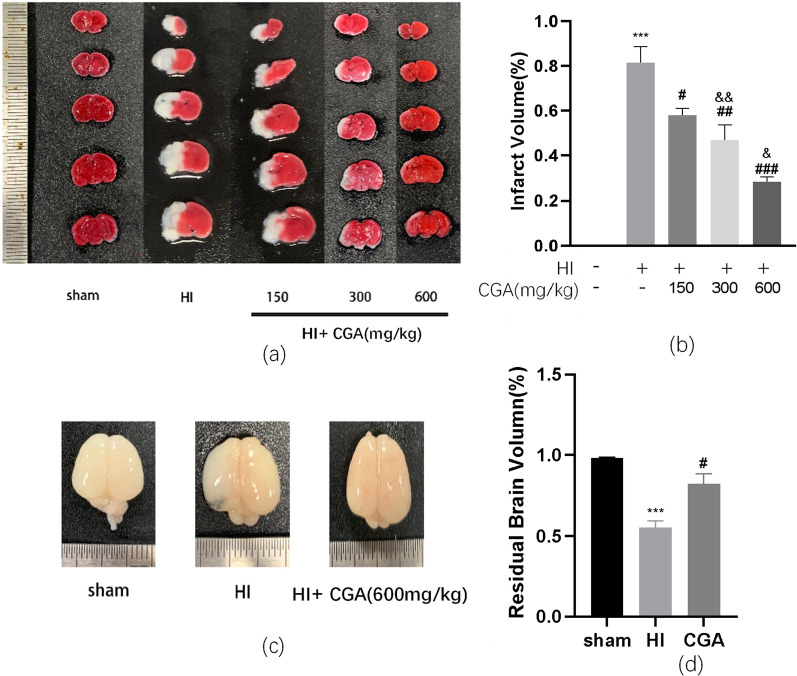
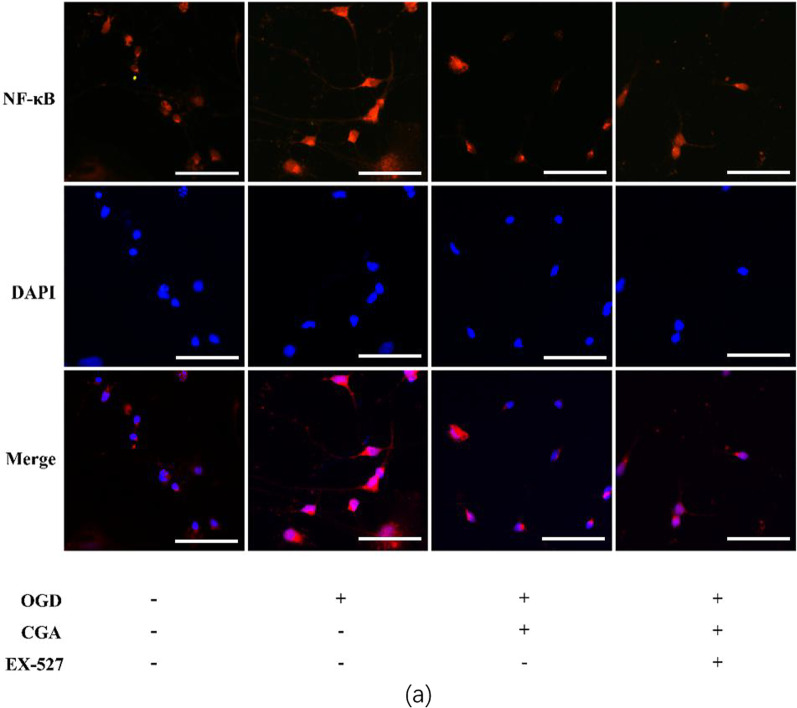
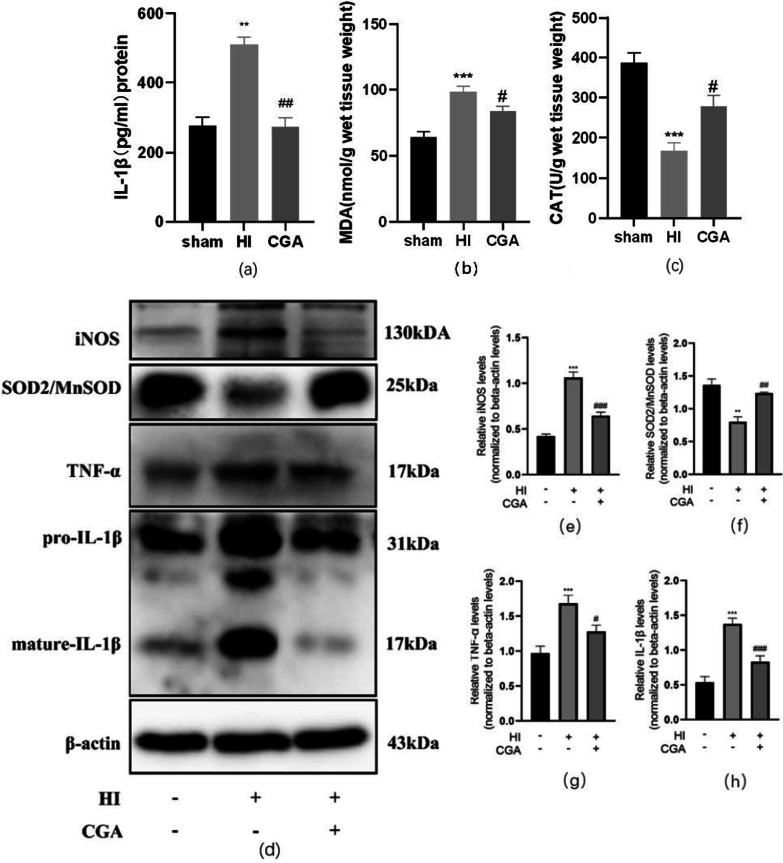
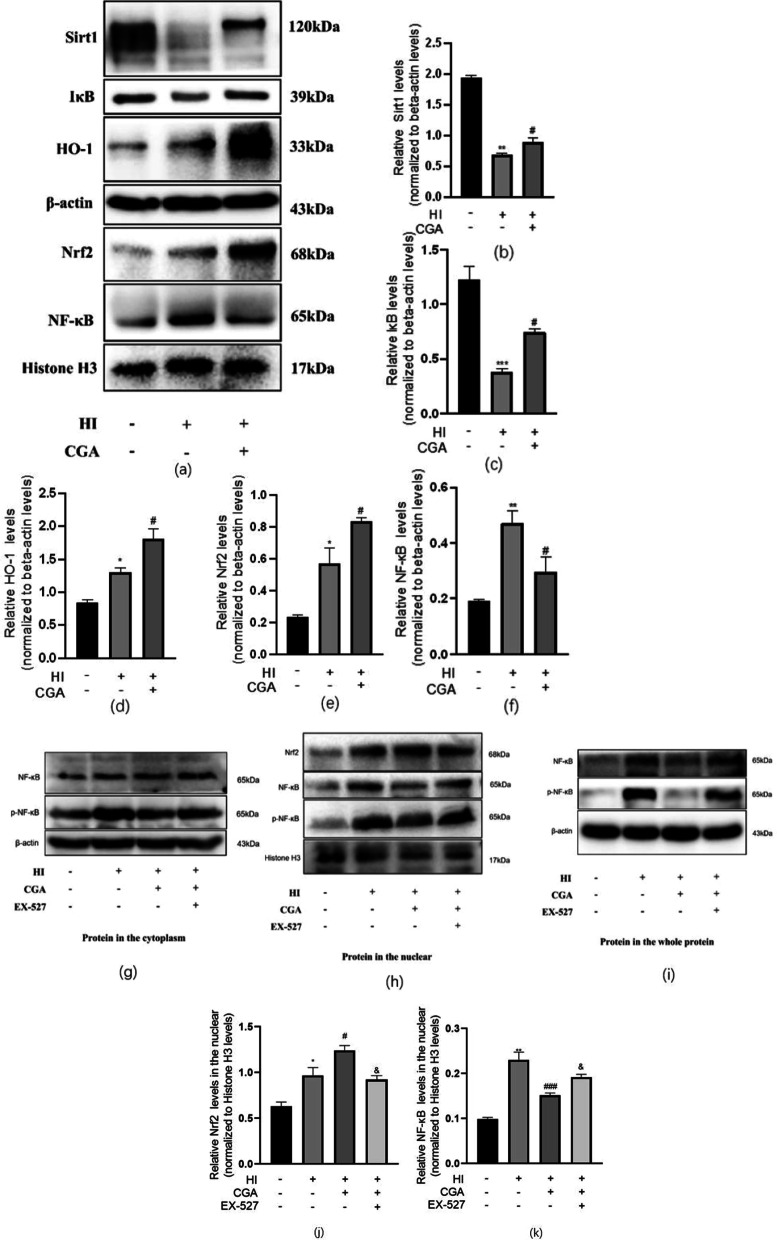
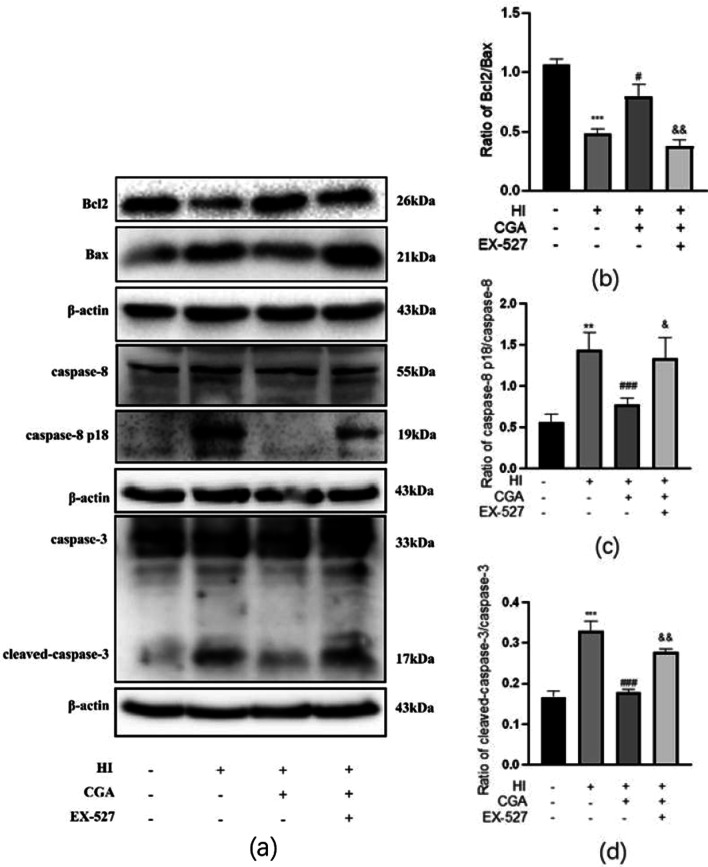
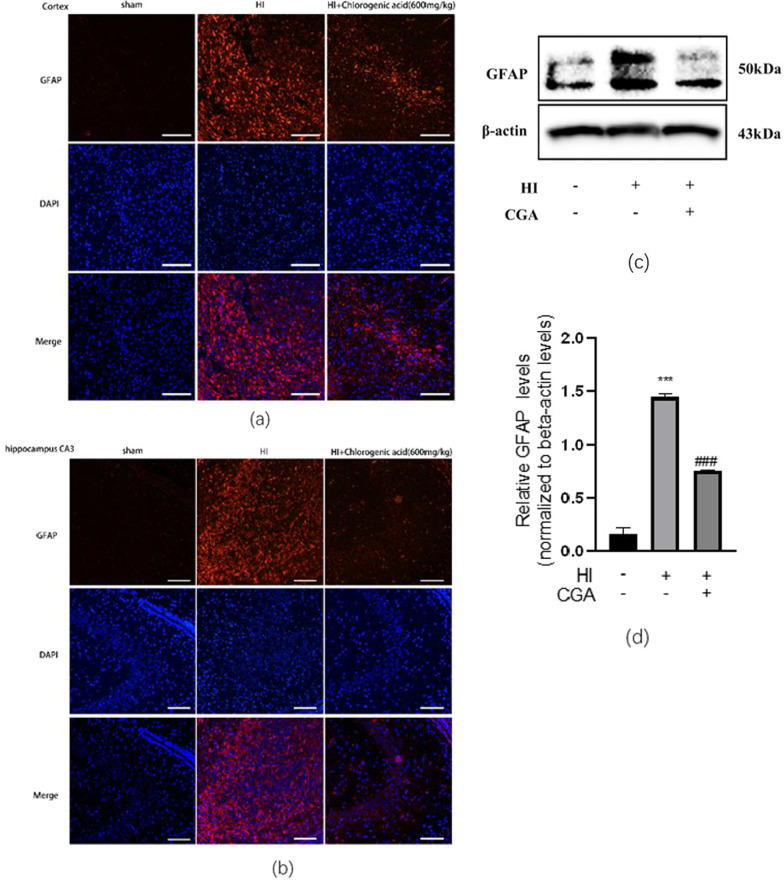
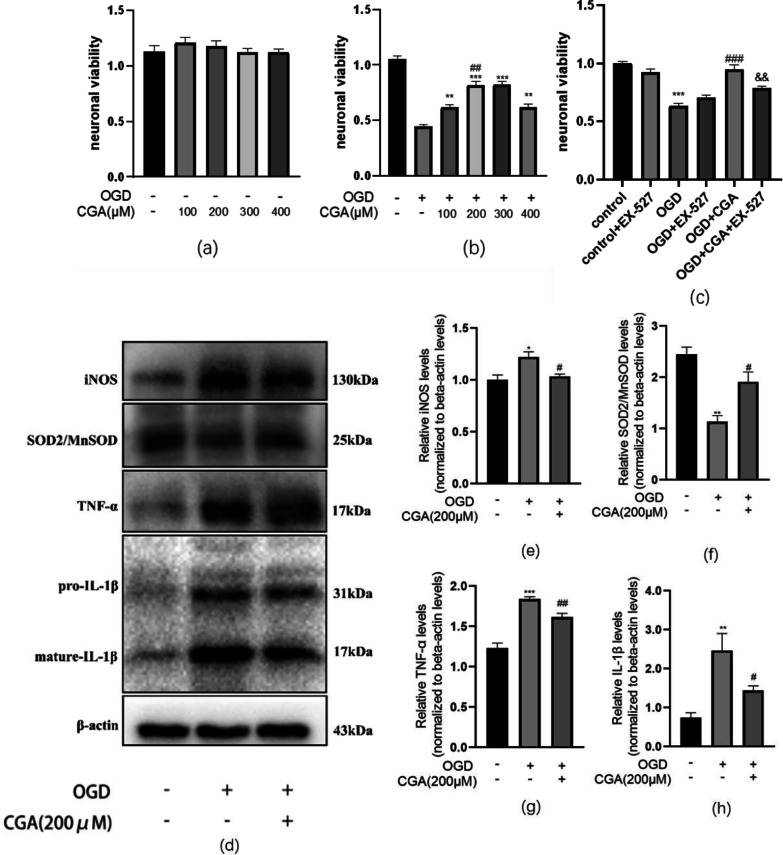
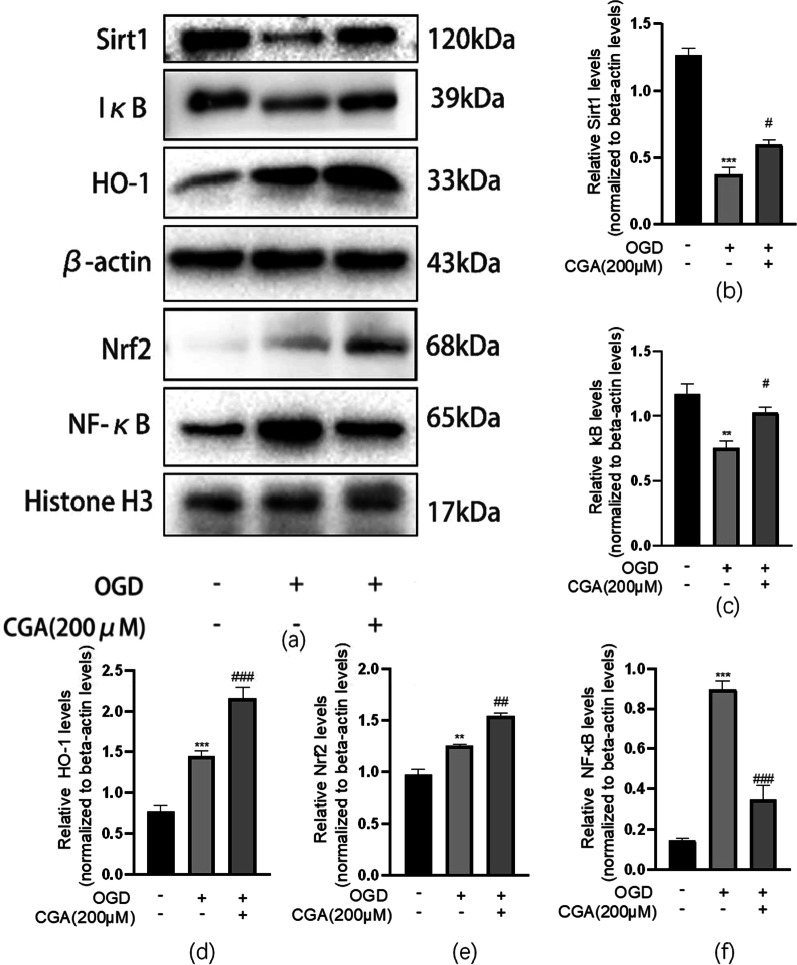
In our study, pretreatment with CGA significantly decreased the infarct volume of neonatal rats after HI, alleviated brain edema, and improved tissue structure in vivo. Moreover, we used the Morris water maze to verify CGA's effects on enhancing the learning and cognitive ability and helping to maintain the long-term spatial memory after HI injury. However, Sirt1 inhibitor EX-527 partially reversed these therapeutic effects. CGA pretreatment inhibited neuronal apoptosis induced by HI by reducing inflammation and oxidative stress. The findings suggest that CGA potentially activates Sirt1 to regulate the Nrf2-NF-κB signaling pathway by forming complexes thereby protecting primary neurons from oxygen-glucose deprivation (OGD) damage. Also, CGA treatment significantly suppresses HI-induced proliferation of glial.
Collectively, this study uncovered the underlying mechanism of CGA on neonatal HI brain damage. CGA holds promise as an effective neuroprotective agent to promote neonatal brain recovery from HI-induced injury. Video Abstract.
新生儿缺氧缺血性脑损伤(HIE)是由围产期窒息引起的,与多种混杂因素有关。尽管 HIE 的发病机制和治疗研究已经成熟,但亚低温是唯一可用的 HIE 临床治疗方法。先前的证据表明,绿原酸(CGA)对脑损伤具有潜在的神经保护作用。然而,CGA 对新生儿 HI 脑损伤的作用及其确切机制仍不清楚。在这里,我们研究了 CGA 对体内和体外 HI 模型的影响,并探讨了潜在的机制。
在体内实验中,我们结扎了 7 日龄大鼠的左侧颈总动脉,并将大鼠置于缺氧箱中 2 小时。在假手术组中,我们没有结扎幼仔的颈总动脉,因为它们没有缺氧。通过尼氏染色、HE 染色和 2,3,5-三苯基氯化四氮唑一水合物(TTC)染色评估脑萎缩和梗死面积。Morris 水迷宫测试(MWM)用于评估神经行为障碍。Western-blotting 和免疫荧光用于检测细胞信号通路。丙二醛(MDA)含量测定、过氧化氢酶(CAT)活性检测和 ELISA 分析用于检测炎症和氧化应激水平。在体外实验中,我们使用分离的原代神经元进行实验。
在我们的研究中,CGA 预处理可显著降低 HI 后新生大鼠的梗死体积,减轻脑水肿,并改善体内组织结构。此外,我们使用 Morris 水迷宫验证了 CGA 增强学习和认知能力并有助于维持 HI 损伤后长期空间记忆的作用。然而,Sirt1 抑制剂 EX-527 部分逆转了这些治疗作用。CGA 预处理通过减少炎症和氧化应激抑制 HI 诱导的神经元凋亡。这些发现表明,CGA 通过形成复合物潜在地激活 Sirt1 来调节 Nrf2-NF-κB 信号通路,从而保护原代神经元免受氧葡萄糖剥夺(OGD)损伤。此外,CGA 处理可显著抑制 HI 诱导的神经胶质细胞增殖。
综上所述,本研究揭示了 CGA 对新生儿 HI 脑损伤的潜在机制。CGA 有望成为一种有效的神经保护剂,促进新生儿大脑从 HI 诱导的损伤中恢复。