State Key Laboratory of Natural Medicines, School of Traditional Chinese Pharmacy, China Pharmaceutical University, Nanjing, Jiangsu, 211198, China.
State Key Laboratory of Natural Medicines, School of Traditional Chinese Pharmacy, China Pharmaceutical University, Nanjing, Jiangsu, 211198, China; Clinical Metabolomics Center, China Pharmaceutical University, Nanjing, Jiangsu, 211198, China.
Redox Biol. 2022 Aug;54:102363. doi: 10.1016/j.redox.2022.102363. Epub 2022 Jun 8.
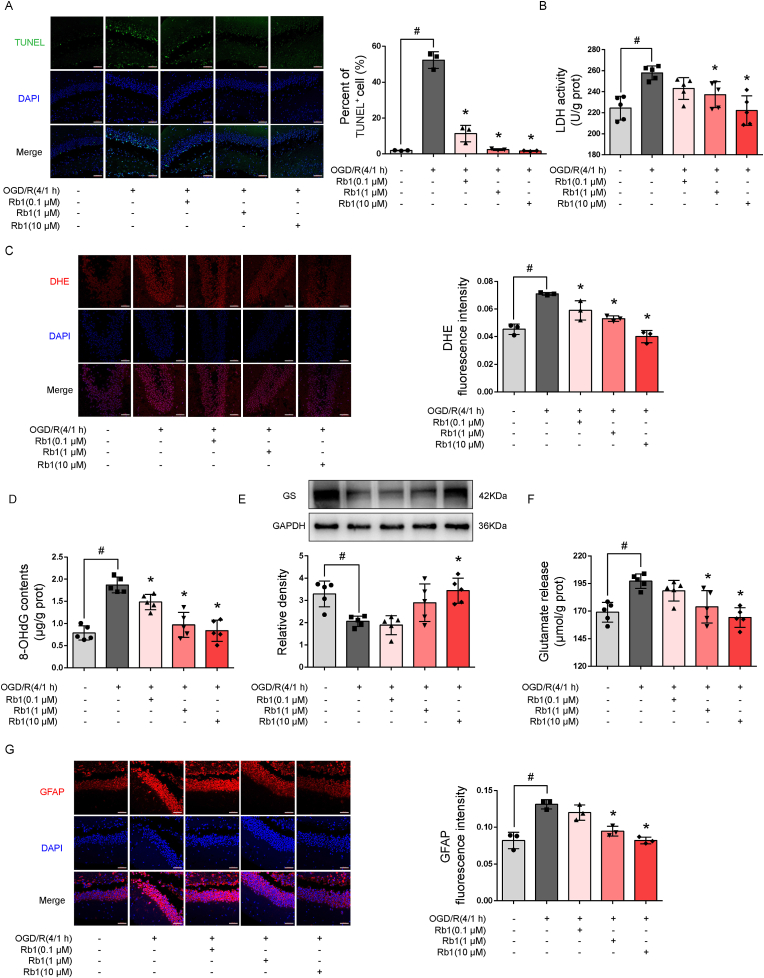
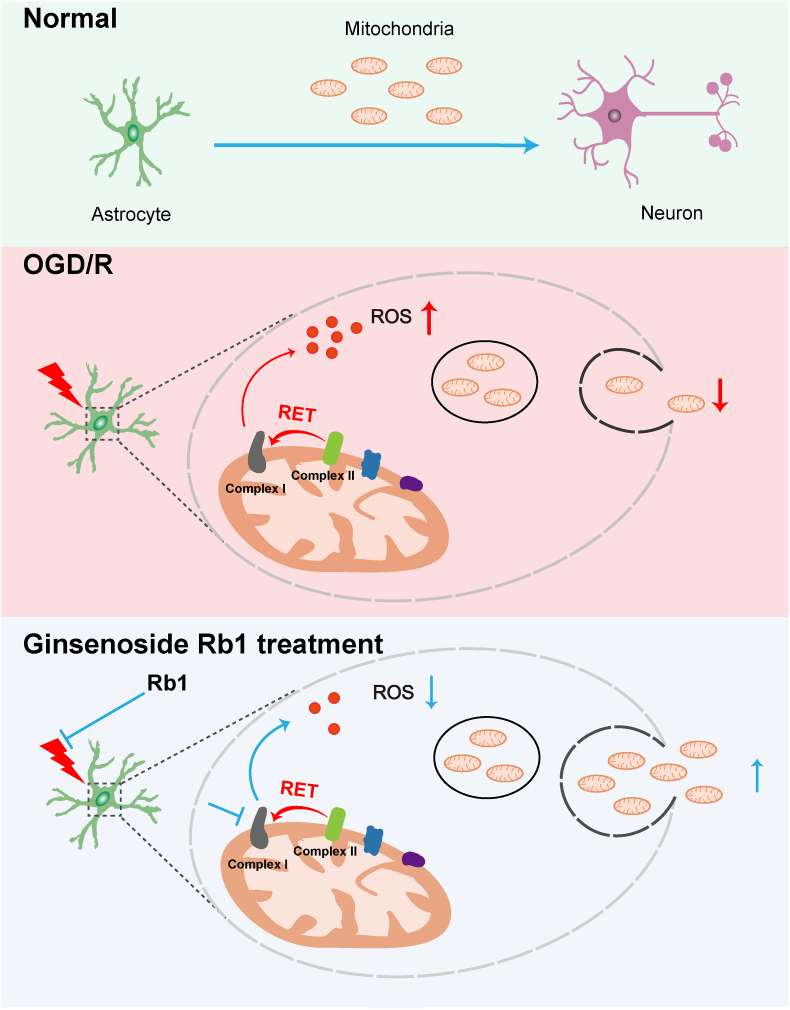
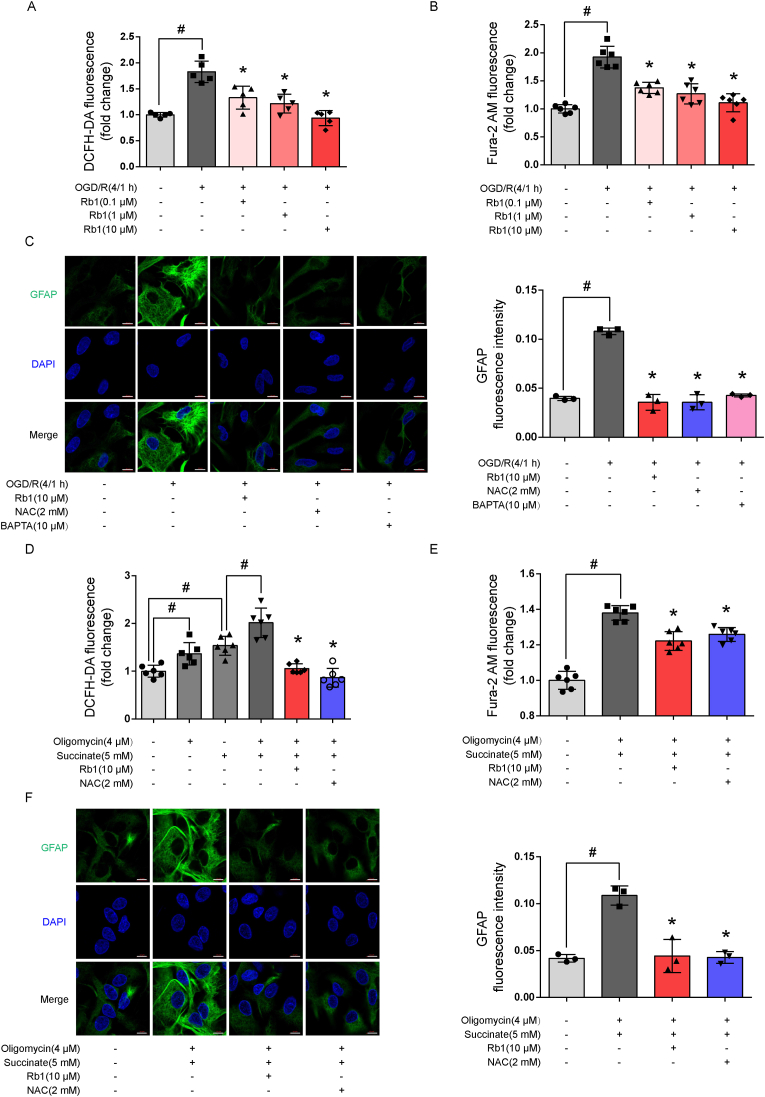
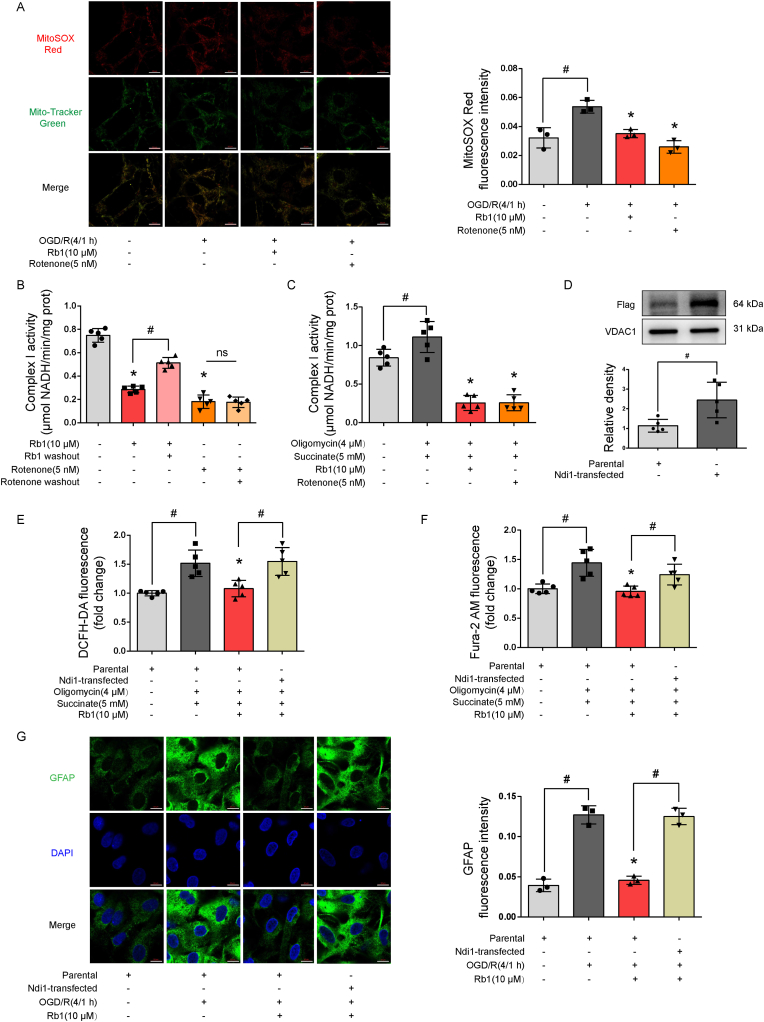
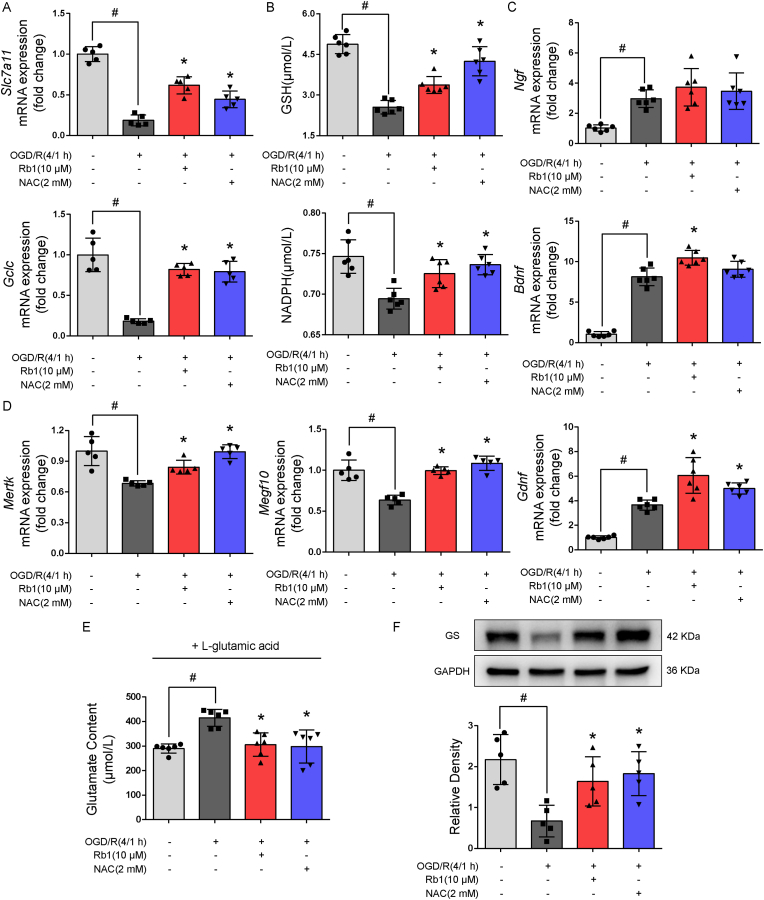
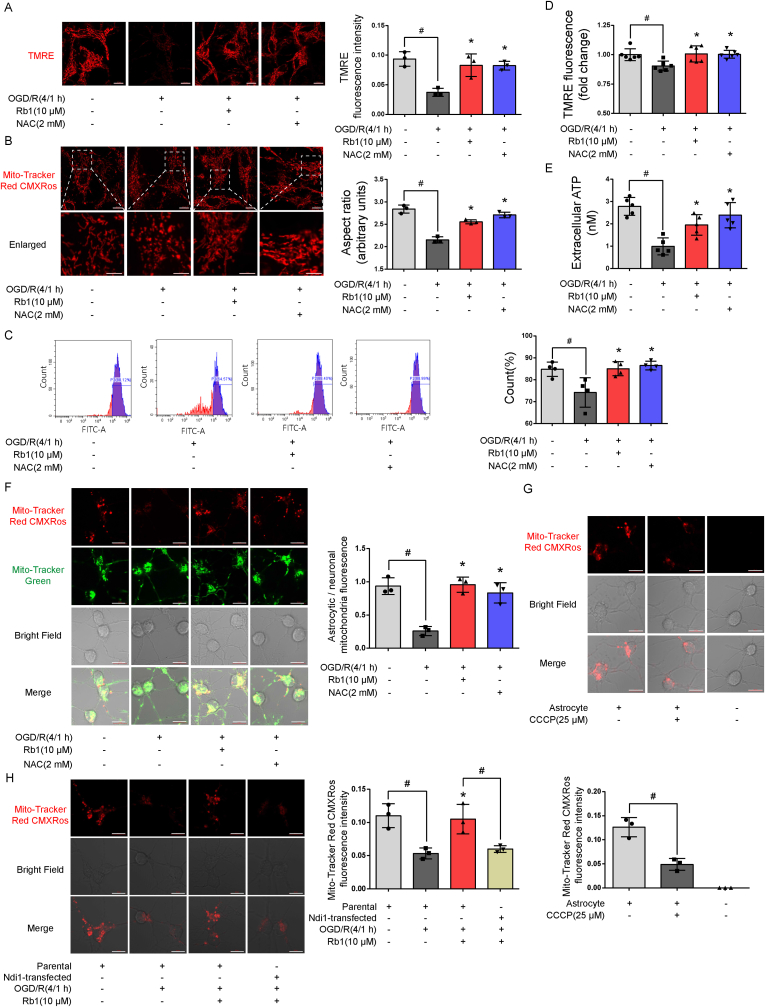
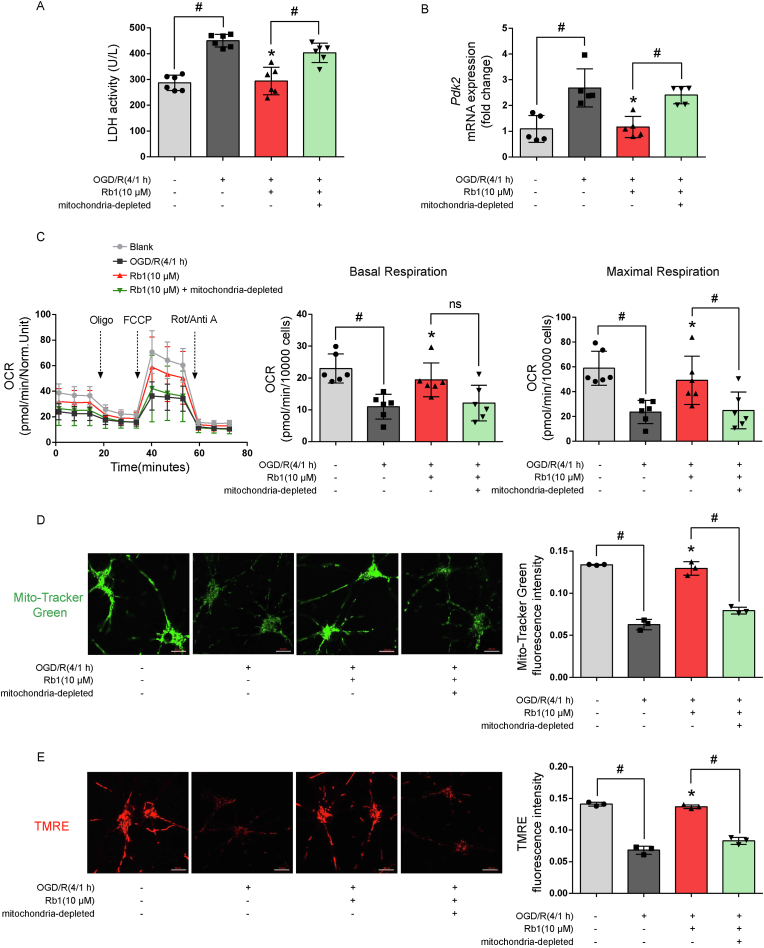
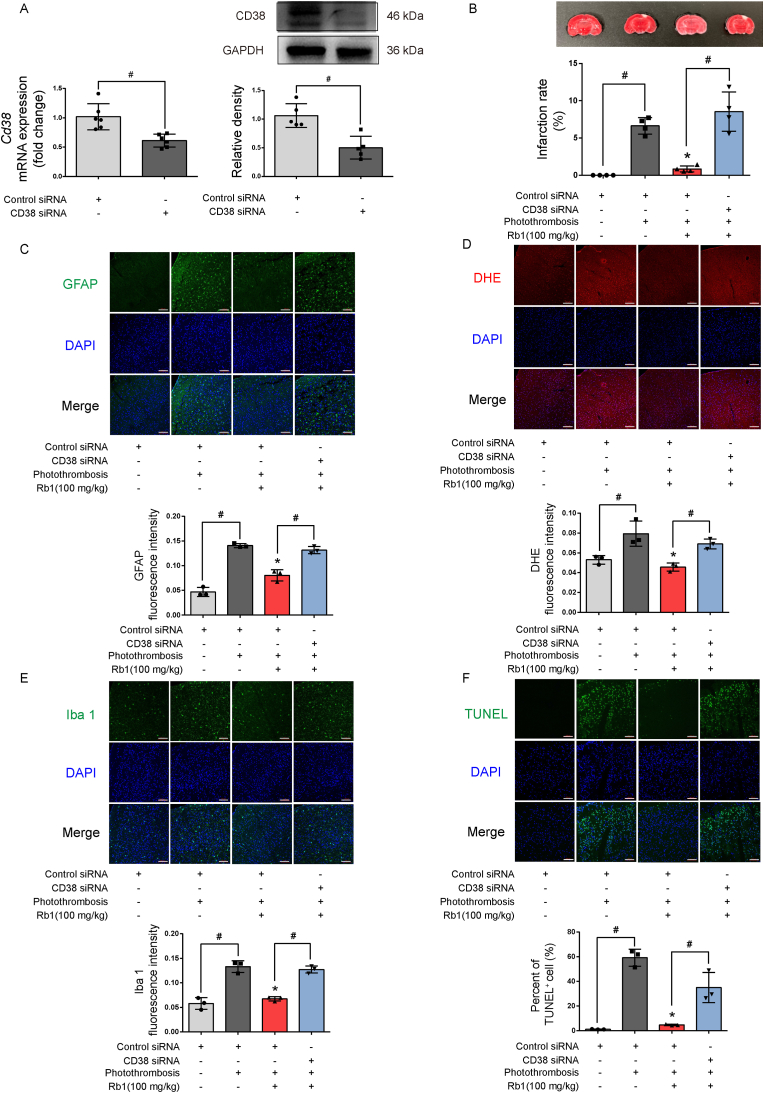
Astrocytes activation in response to stroke results in altered mitochondrial exchange with neurons. Ginsenoside Rb1is a major ginsenoside of Panax ginseng particularly known for its neuroprotective potential. This work aimed to investigate if Rb1 could rescue neurons from ischemic insult via astrocyte inactivation and mitochondrial transfer. We prepared conditioned astrocytes-derived medium for co-culture with neurons and examined the role of Rb1 in mitochondrial transfer from astrocytes to neurons. The neuroprotective potential of Rb1 was further confirmed in vivo using a mouse model of brain ischemia. In response to oxygen-glucose deprivation and reperfusion (OGD/R), astrocytes were reactivated and produced reactive oxygen species (ROS), an action that was blocked by Rb1. Mechanistically, Rb1 inhibited NADH dehydrogenase in mitochondrial complex I to block reverse electron transport-derived ROS production from complex I, and thus inactivated astrocytes to protect the mitochondria. Mitochondrial signal, mitochondrial membrane potential and ATP production detected in conditioned astrocyte-derived medium indicated that Rb1 protected functional mitochondria and facilitated their transfer. When neurons were injured by OGD/R insult, co-culturing with conditioned medium increased mitochondrial membrane potential and oxygen consumption rate within the neurons, indicating the protection conferred on them by Rb1 via mitochondrial transfer from astrocytes. Using the ischemic mouse brain model, CD38 knockdown in the cerebral ventricles diminished the neuroprotective effects of Rb1, providing evidence in support of the role of astrocyte mitochondrial transfer. Transient inhibition of mitochondrial complex I by Rb1 reduced mitochondrial ROS production and consequently avoided astrocyte activation. Astrocyte mitochondrial transfer therefore seemed a means by which Rb1 could promote neuronal survival and function. Different from the neurocentric view, these findings suggest the astrocytes may be a promising target for pharmacological interventions in ischemic brain injury.
星形胶质细胞在对中风的反应中被激活,导致与神经元的线粒体交换发生改变。人参皂苷 Rb1 是人参中的主要皂苷,尤其以其神经保护潜力而闻名。本研究旨在探讨 Rb1 是否可以通过星形胶质细胞失活和线粒体转移来挽救神经元免受缺血性损伤。我们制备了条件性星形胶质细胞衍生的培养基进行神经元共培养,并研究了 Rb1 在星形胶质细胞向神经元线粒体转移中的作用。使用脑缺血的小鼠模型进一步证实了 Rb1 的神经保护潜力。在氧葡萄糖剥夺和再灌注 (OGD/R) 后,星形胶质细胞被重新激活并产生活性氧 (ROS),这一作用被 Rb1 阻断。在机制上,Rb1 抑制线粒体复合物 I 中的 NADH 脱氢酶,以阻止来自复合物 I 的逆向电子传递衍生的 ROS 产生,从而使星形胶质细胞失活以保护线粒体。在条件性星形胶质细胞衍生的培养基中检测到的线粒体信号、线粒体膜电位和 ATP 产生表明,Rb1 保护了功能性线粒体并促进了它们的转移。当神经元受到 OGD/R 损伤时,与条件培养基共培养增加了神经元内的线粒体膜电位和耗氧量,表明 Rb1 通过星形胶质细胞向神经元的线粒体转移为其提供了保护。使用缺血性小鼠脑模型,在脑室内敲低 CD38 可降低 Rb1 的神经保护作用,为星形胶质细胞线粒体转移的作用提供了证据支持。Rb1 瞬时抑制线粒体复合物 I 可减少线粒体 ROS 产生,从而避免星形胶质细胞激活。因此,星形胶质细胞线粒体转移似乎是 Rb1 促进神经元存活和功能的一种方式。与神经中心观点不同,这些发现表明星形胶质细胞可能是缺血性脑损伤药物干预的一个有前途的靶点。