Centre for Heart Lung Innovation, University of British Columbia, Vancouver, BC, Canada.
Department of Anesthesiology, Pharmacology and Therapeutics, University of British Columbia, 2176 Health Sciences Mall, Room 217, Vancouver, BC, V6T 1Z3, Canada.
Sci Rep. 2022 Jun 13;12(1):9771. doi: 10.1038/s41598-022-13772-3.
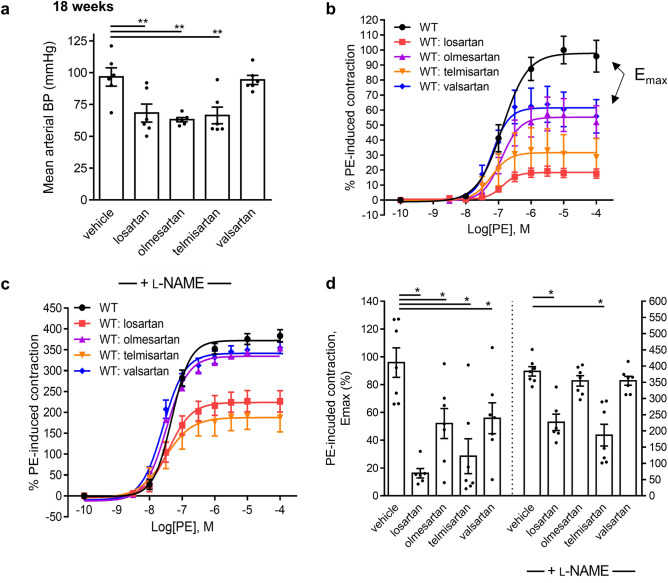
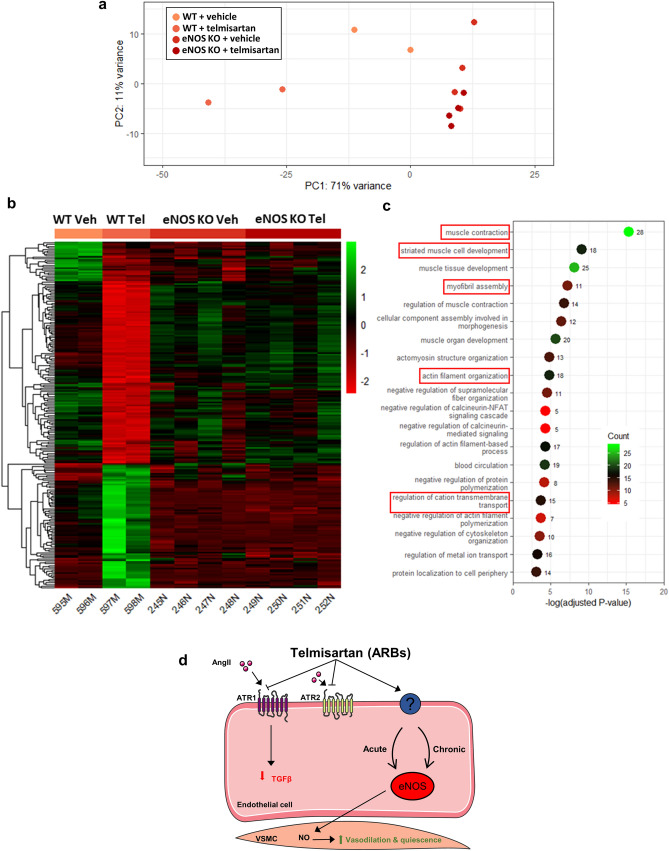
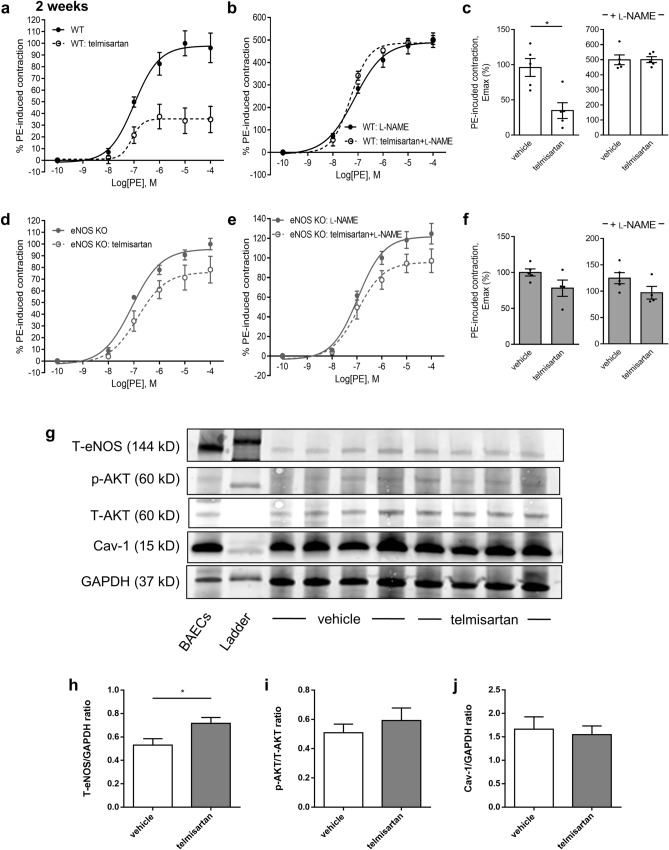
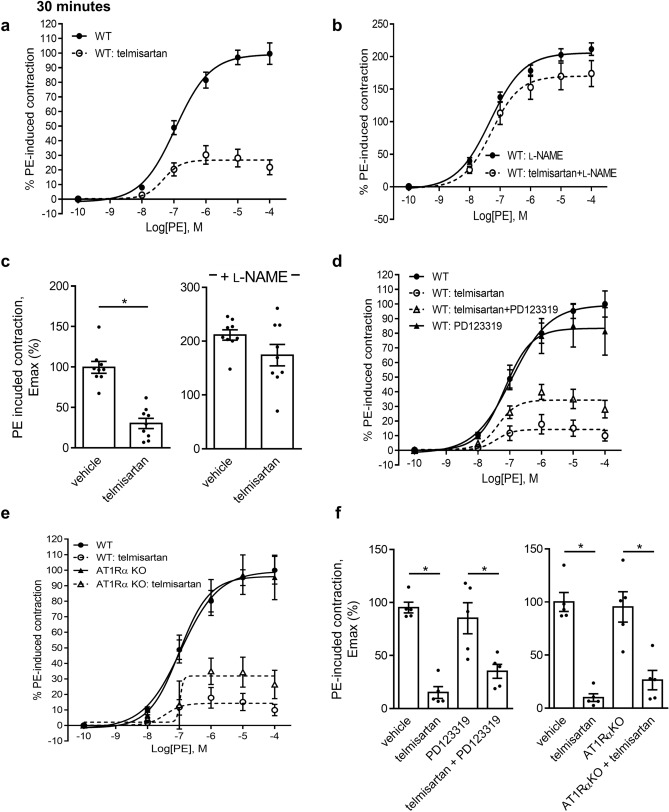
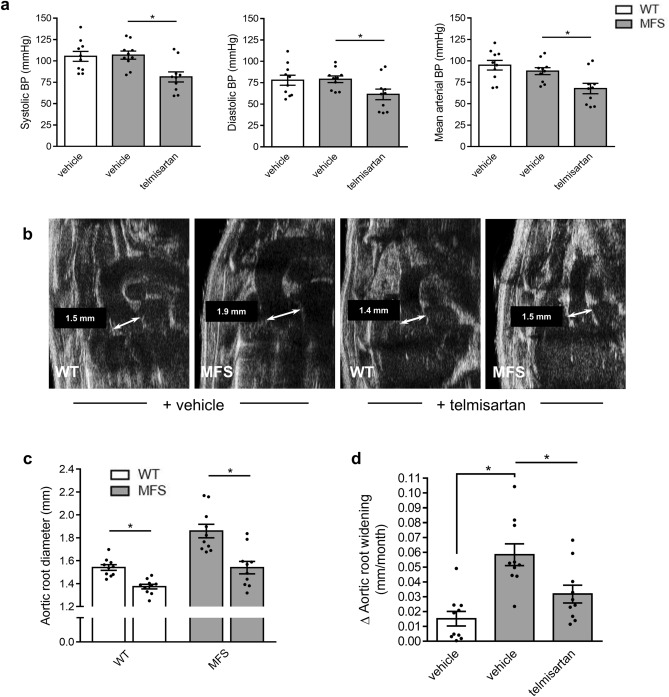
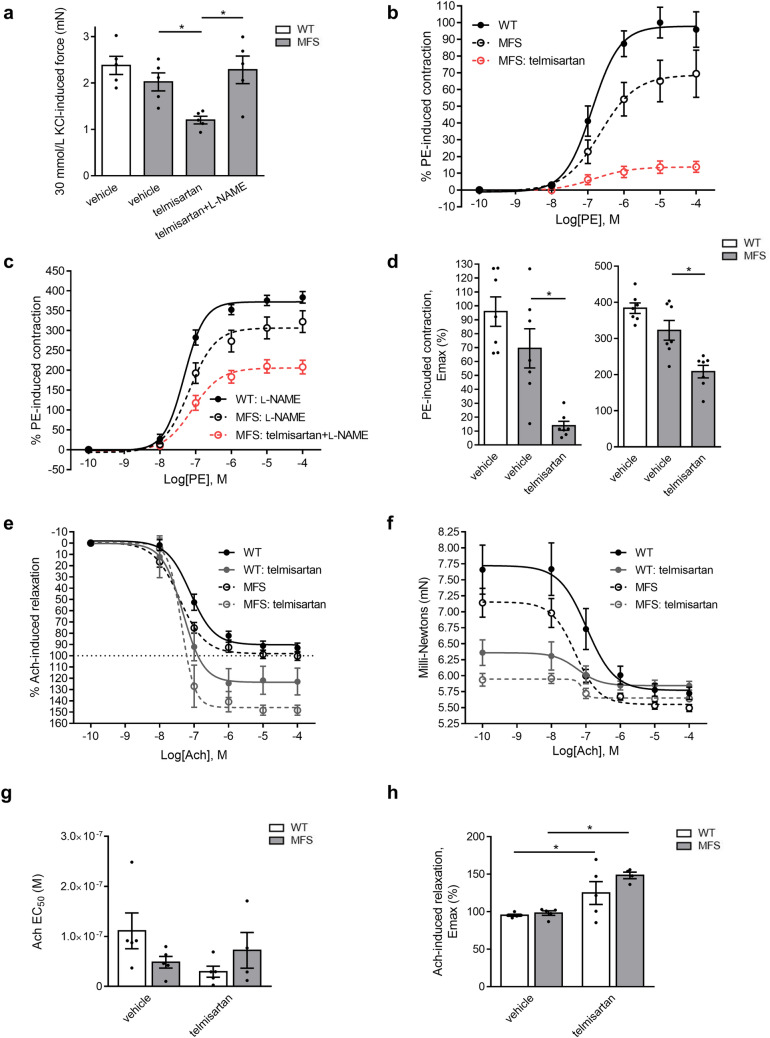
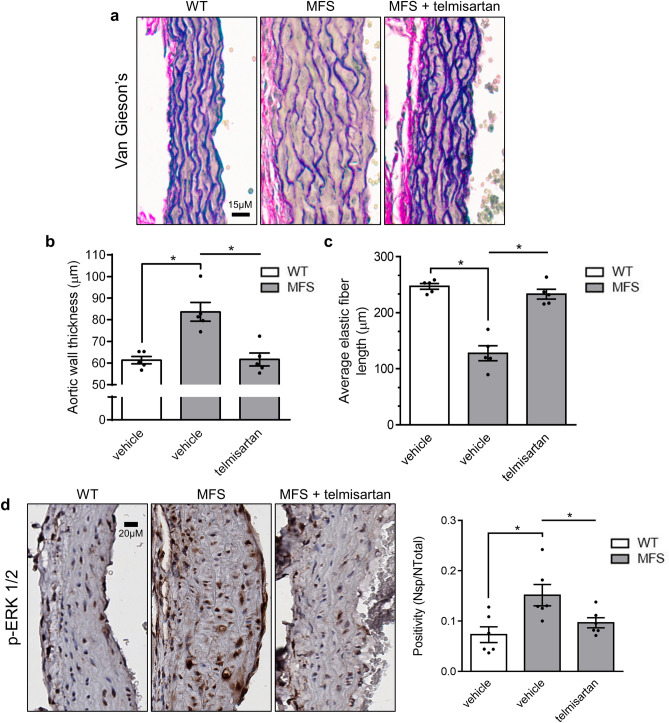
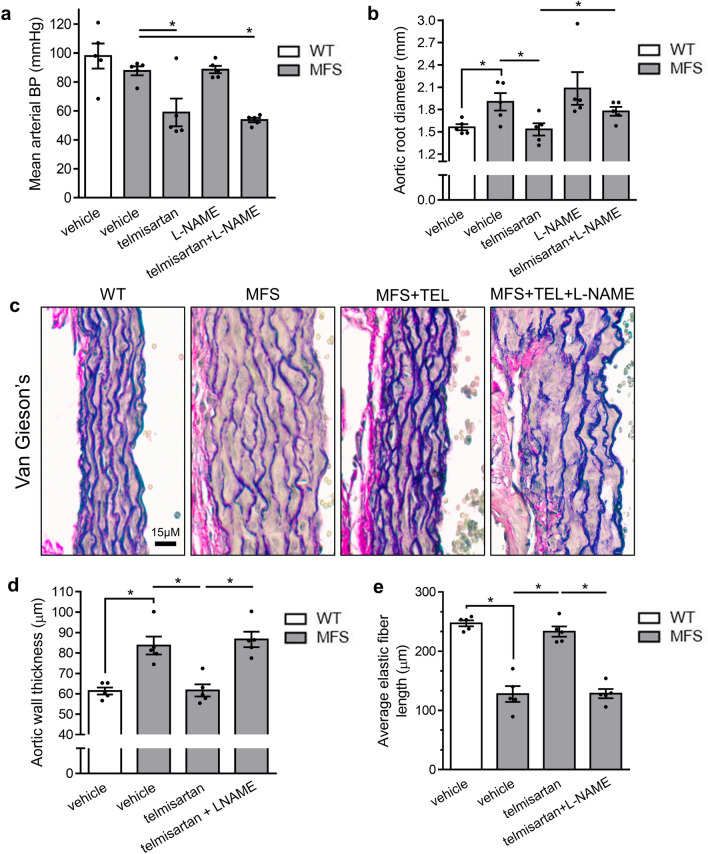
There are no therapeutics that directly enhance chronic endothelial nitric oxide (NO) release, which is typically associated with vascular homeostasis. In contrast, angiotensin II (AngII) receptor type 1 (AT1R) blockers (ARBs) can attenuate AngII-mediated oxidative stress, which often leads to increased endothelial NO bioavailability. Herein, we investigate the potential presence of direct, AngII/AT1R-independent ARB class effects on endothelial NO release and how this may result in enhanced aortic wall homeostasis and endothelial NO-specific transcriptome changes. Treatment of mice with four different ARBs induced sustained, long-term inhibition of vascular contractility by up to 82% at 16 weeks and 63% at 2 weeks, an effect reversed by L-NAME and absent in endothelial NO synthase (eNOS) KO mice or angiotensin converting enzyme inhibitor captopril-treated animals. In absence of AngII or in tissues with blunted AT1R expression or incubated with an AT2R blocker, telmisartan reduced vascular tone, supporting AngII/AT1R-independent pleiotropism. Finally, telmisartan was able to inhibit aging- and Marfan syndrome (MFS)-associated aortic root widening in NO-sensitive, BP-independent fashions, and correct aberrant TGF-β signaling. RNAseq analyses of aortic tissues identified early eNOS-specific transcriptome reprogramming of the aortic wall in response to telmisartan. This study suggests that ARBs are capable of major class effects on vasodilatory NO release in fashions that may not involve blockade of the AngII/AT1R pathway. Broader prophylactic use of ARBs along with identification of non-AngII/AT1R pathways activated by telmisartan should be investigated.
目前尚无能够直接增强慢性内皮型一氧化氮(NO)释放的治疗方法,而后者通常与血管稳态有关。相比之下,血管紧张素 II(AngII)受体 1 型(AT1R)阻滞剂(ARB)可减轻 AngII 介导的氧化应激,从而导致内皮 NO 生物利用度增加。在此,我们研究了 ARB 类药物对内皮型 NO 释放的潜在直接、非 AngII/AT1R 作用,并探讨了这可能如何导致增强的主动脉壁稳态和内皮型 NO 特异性转录组变化。用四种不同的 ARB 治疗小鼠可导致血管收缩性在 16 周时高达 82%、2 周时高达 63%的持续、长期抑制,这种作用可被 L-NAME 逆转,在 eNOS 敲除小鼠或血管紧张素转换酶抑制剂卡托普利治疗的动物中则不存在。在没有 AngII 或 AT1R 表达减弱的组织中或与 AT2R 阻滞剂孵育时,替米沙坦可降低血管张力,支持非 AngII/AT1R 多效性。最后,替米沙坦能够以不依赖 NO 和 BP 的方式抑制衰老和马凡综合征(MFS)相关的主动脉根部扩张,并纠正异常的 TGF-β信号。对主动脉组织的 RNAseq 分析鉴定出,替米沙坦可引起主动脉壁中早期 eNOS 特异性转录组的重编程。本研究表明,ARB 类药物能够以可能不涉及阻断 AngII/AT1R 途径的方式对血管舒张性 NO 释放产生主要的类效应。应研究更广泛地预防性使用 ARB 以及替米沙坦激活的非 AngII/AT1R 途径。