Sasaki Sayaka, Oba Kazuhito, Kodera Yoshio, Itakura Makoto, Shichiri Masayoshi
Department of Endocrinology, Diabetes and Metabolism, Kitasato University School of Medicine, Kanagawa 252-0374, Japan.
Department of Physics, Kitasato University School of Science, Kanagawa 252-0373, Japan.
J Endocr Soc. 2022 May 19;6(7):bvac082. doi: 10.1210/jendso/bvac082. eCollection 2022 Jul 1.
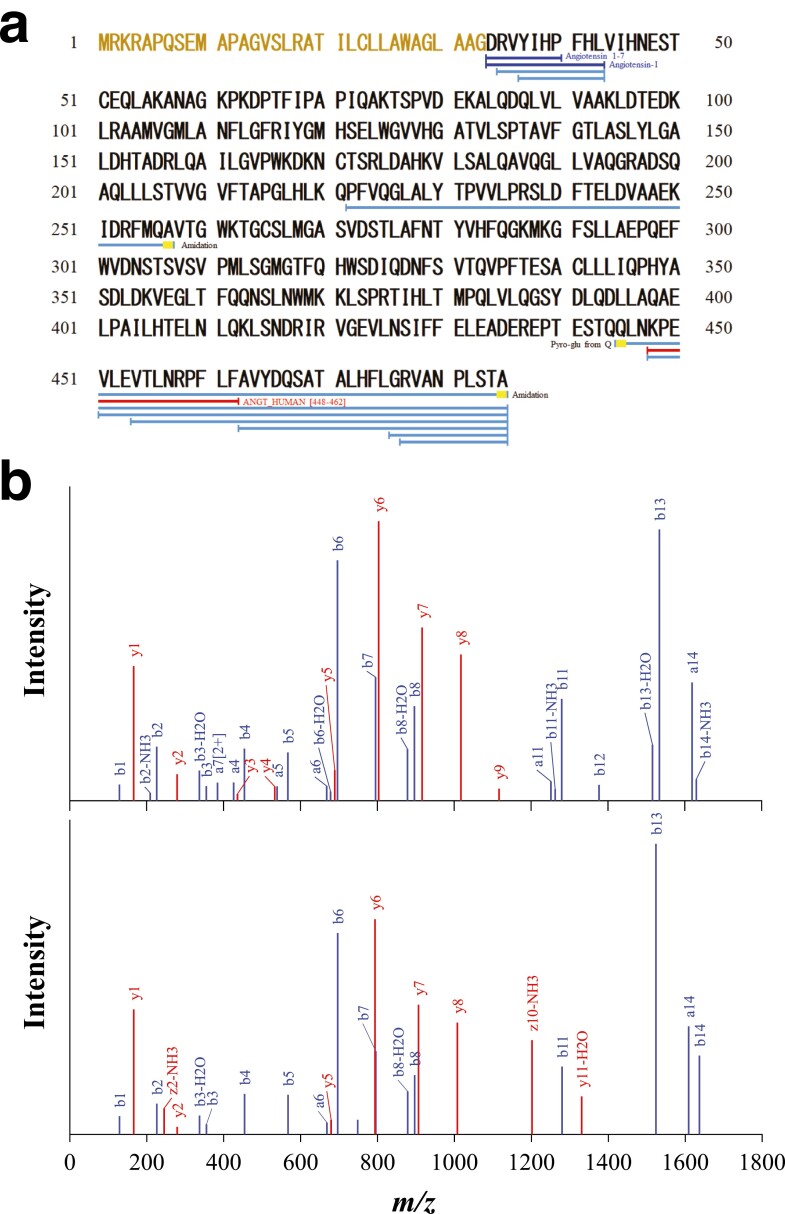
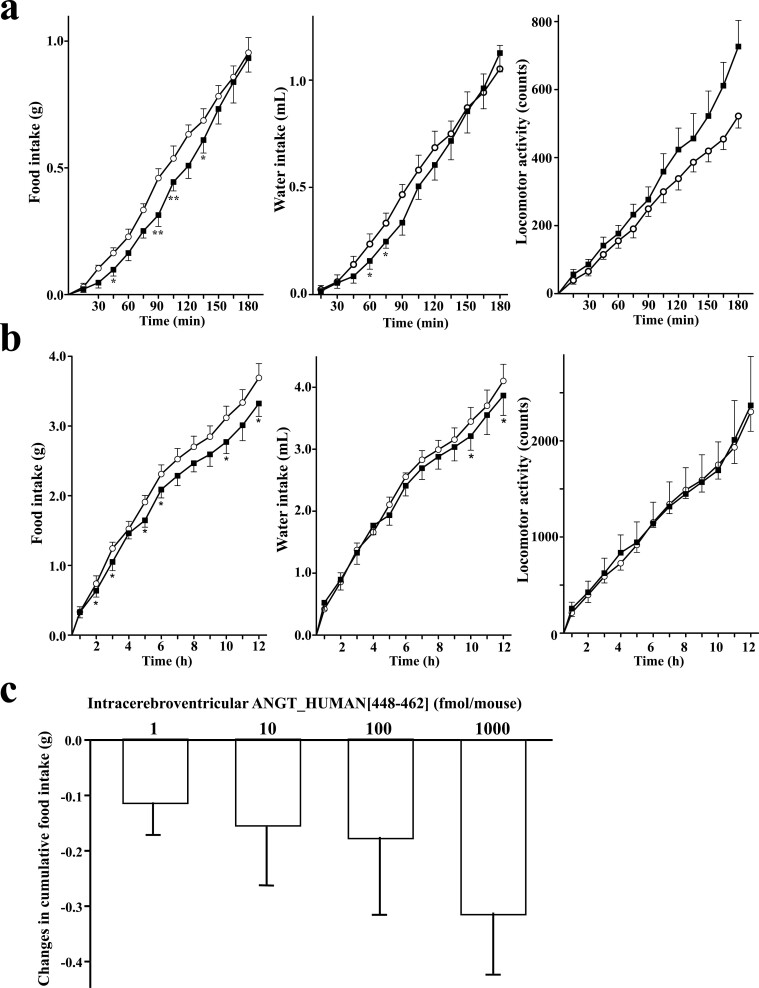
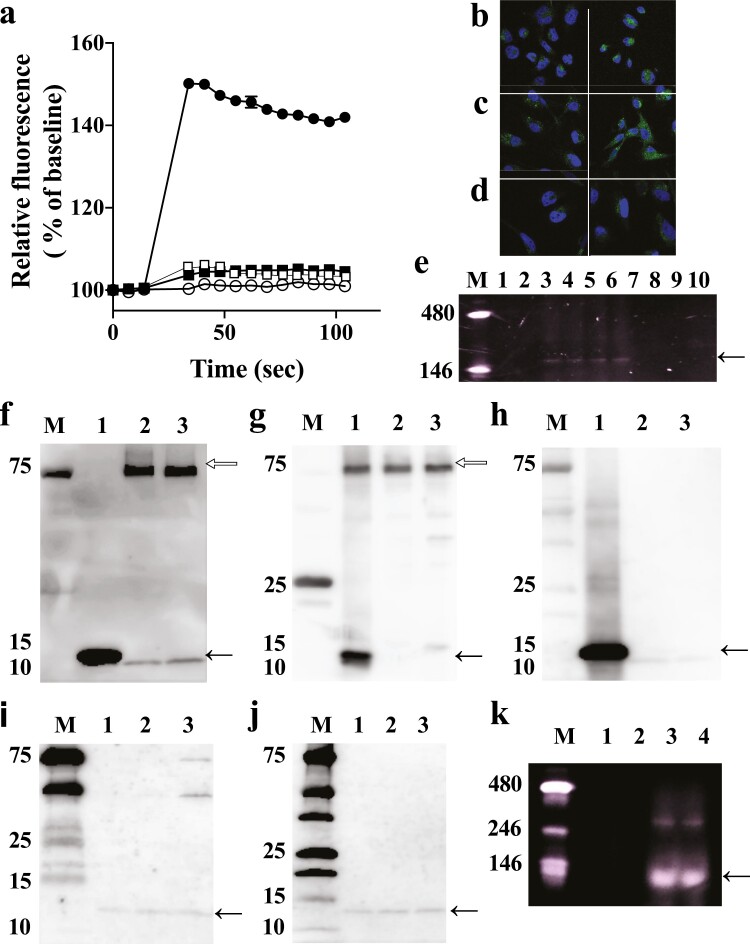
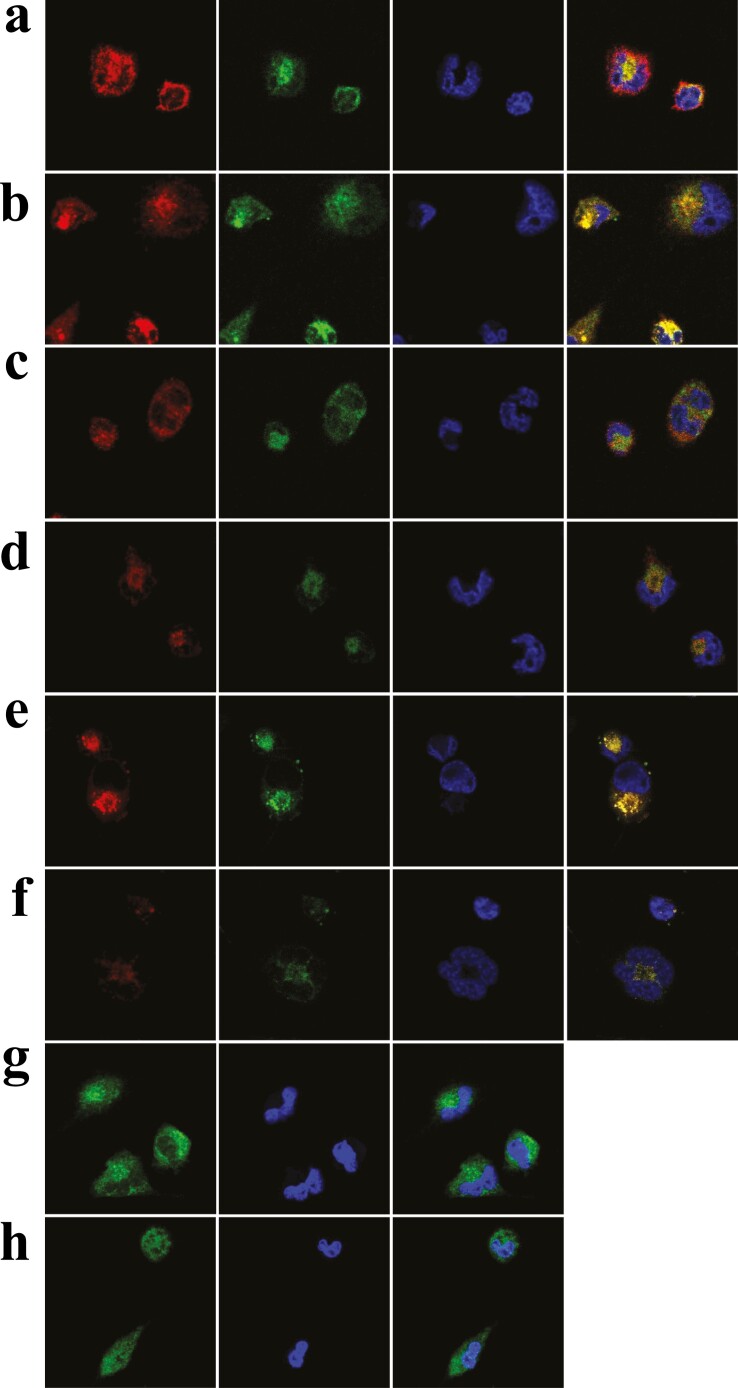
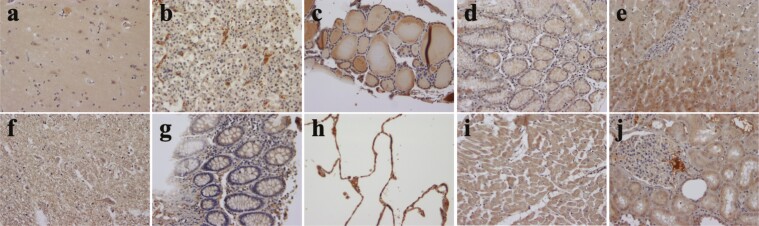
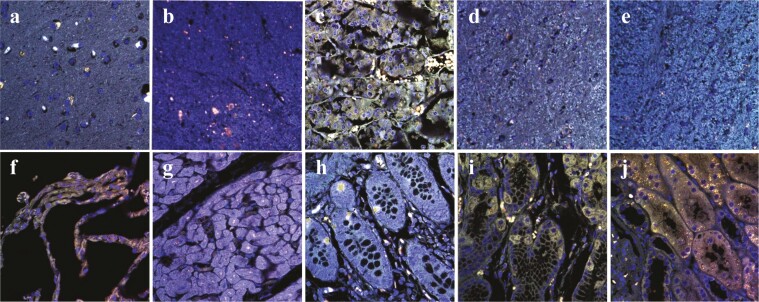
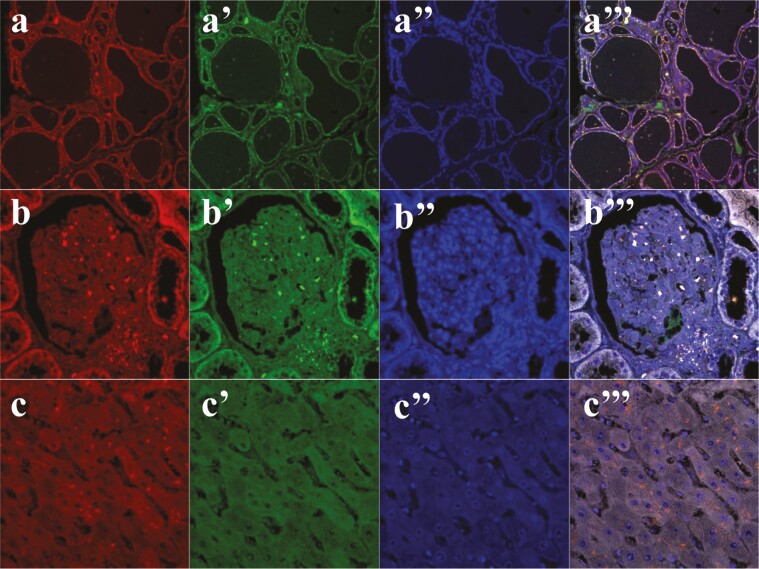
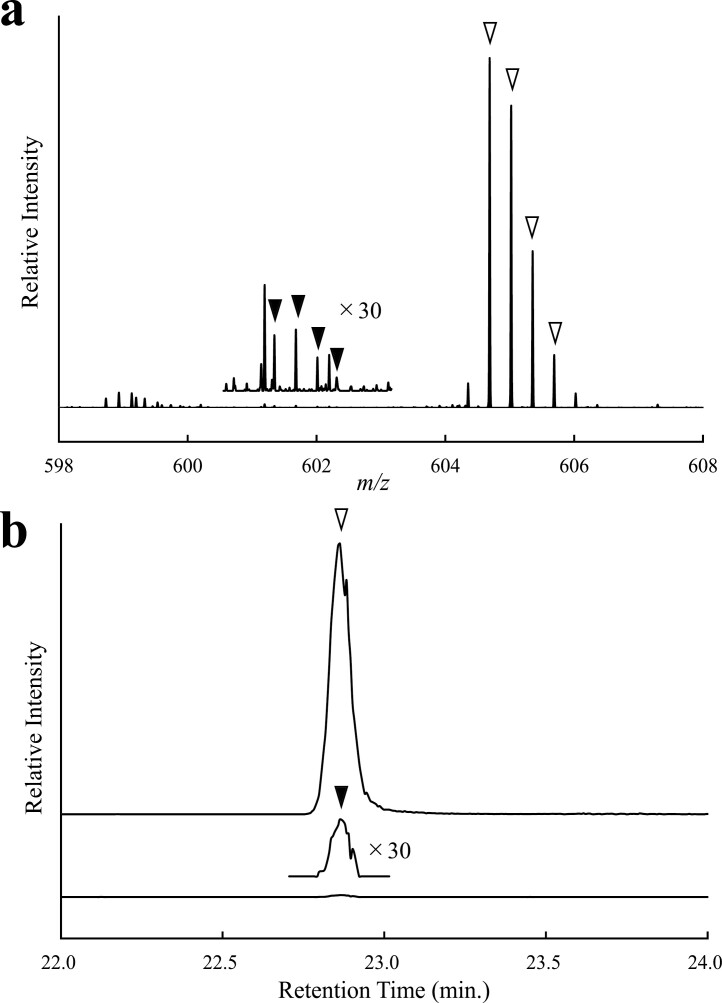
The discovery of bioactive peptides is an important research target that enables the elucidation of the pathophysiology of human diseases and provides seeds for drug discovery. Using a large number of native peptides previously identified using plasma peptidomics technology, we sequentially synthesized selected sequences and subjected them to functional screening using human cultured cells. A 15-amino-acid residue proangiotensinogen-derived peptide, designated ANGT_HUMAN[448-462], elicited cellular responses and bound to cultured human cells. Synthetic fluorescent-labeled and biotinylated ANGT_HUMAN[448-462] peptides were rendered to bind to cell- and tissue-derived proteins and peptide-cell protein complexes were retrieved and analyzed using liquid chromatography-tandem mass spectrometry, revealing the β-subunit of ATP synthase as its cell-surface binding protein. Because ATP synthase mediates the effects of anorexigenic peptides, the ability of ANGT_HUMAN[448-462] to modulate eating behavior in mice was investigated. Both intraperitoneal and intracerebroventricular injections of low doses of ANGT_HUMAN[448-462] suppressed spontaneous food and water intake throughout the dark phase of the diurnal cycle without affecting locomotor activity. Immunoreactive ANGT_HUMAN[448-462], distributed throughout human tissues and in human-derived cells, is mostly co-localized with angiotensin II and is occasionally present separately from angiotensin II. In this study, an anorexigenic peptide, ANGT_HUMAN[448-462], was identified by exploring cell surface target proteins of the human native peptides identified using plasma peptidomics.
生物活性肽的发现是一个重要的研究目标,它有助于阐明人类疾病的病理生理学,并为药物发现提供种子。我们利用先前通过血浆肽组学技术鉴定出的大量天然肽,依次合成选定的序列,并使用人类培养细胞对其进行功能筛选。一种由15个氨基酸残基组成的血管紧张素原衍生肽,命名为ANGT_HUMAN[448-462],引发了细胞反应并与培养的人类细胞结合。合成的荧光标记和生物素化的ANGT_HUMAN[448-462]肽与细胞和组织衍生的蛋白质结合,回收肽-细胞蛋白质复合物并使用液相色谱-串联质谱进行分析,揭示ATP合酶的β亚基是其细胞表面结合蛋白。由于ATP合酶介导厌食肽的作用,因此研究了ANGT_HUMAN[448-462]调节小鼠进食行为的能力。在昼夜周期的整个黑暗阶段,腹腔内和脑室内注射低剂量的ANGT_HUMAN[448-462]均能抑制自发的食物和水摄入,而不影响运动活性。免疫反应性ANGT_HUMAN[448-462]分布于整个人体组织和人源细胞中,大多与血管紧张素II共定位,偶尔与血管紧张素II分开存在。在本研究中,通过探索使用血浆肽组学鉴定的人类天然肽的细胞表面靶蛋白,鉴定出一种厌食肽ANGT_HUMAN[448-462]。