Ibrahim Mostafa, Roshdy Noran, Taleb Amerah, Alfadda Abdulrahman, Al-Lehibi Abed, Altonbary Ahmed, Galal Ahmed, El-Fouly Amr, Kozlowska Anna, Khor Christopher, Isayama Hiroyuki, Okasha Hussein, Barthet Marc, Giovannini Marc, Pausawasdi Nonthalee, Eisendrath Pierre, Kongkam Pradermchai, Ratanachu-Ek Thawee, Nakai Yousuke
Department of Gastroenterology, Hepatopancreatology, and Digestive Oncology, Université Libre de Bruxelles, Brussels, Belgium; Department of Gastroenterology and Hepatology, Theodor Bilharz Research Institute, Cairo, Egypt.
ROEYA Gastroenterology, Hepatology and Endoscopy Center, Cairo, Egypt.
Endosc Ultrasound. 2022 May-Jun;11(3):201-207. doi: 10.4103/EUS-D-21-00109.
EUS-guided cystogastrostomy is a well-established advanced endoscopic technique with a steep-learning curve which necessitates an ex-vivo simulator that would allow for adequate training. The aim of this study is to evaluate the feasibility of the model in allowing training for EUS-guided cystogastrostomy using lumen-apposing metal stent (LAMS).
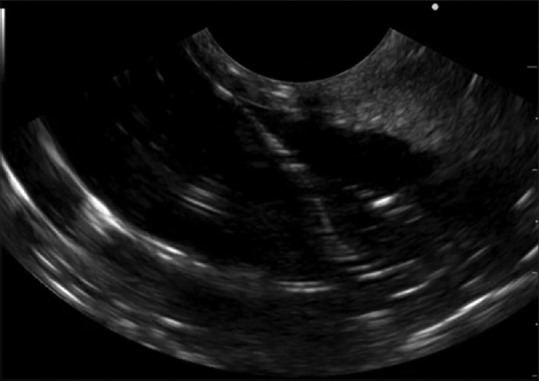
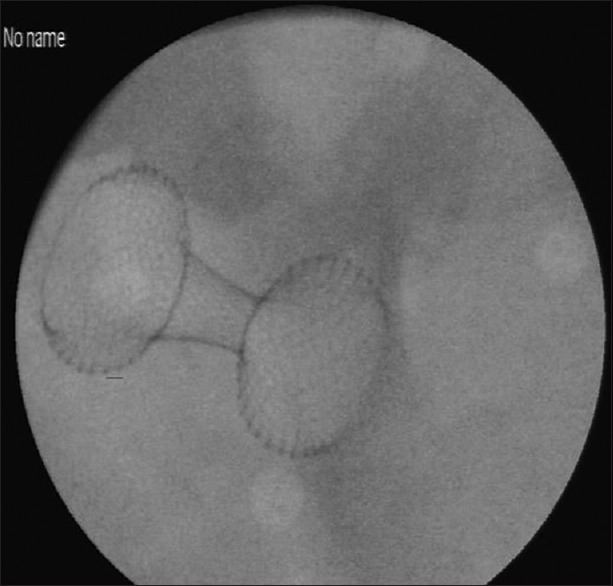
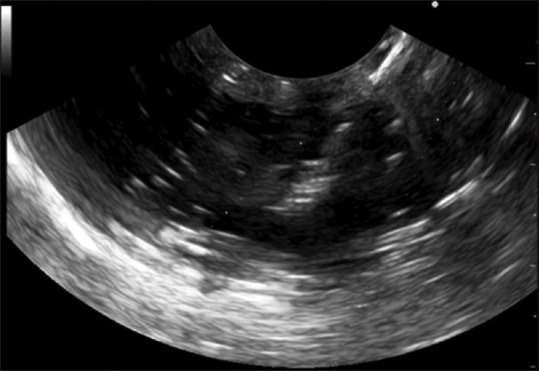
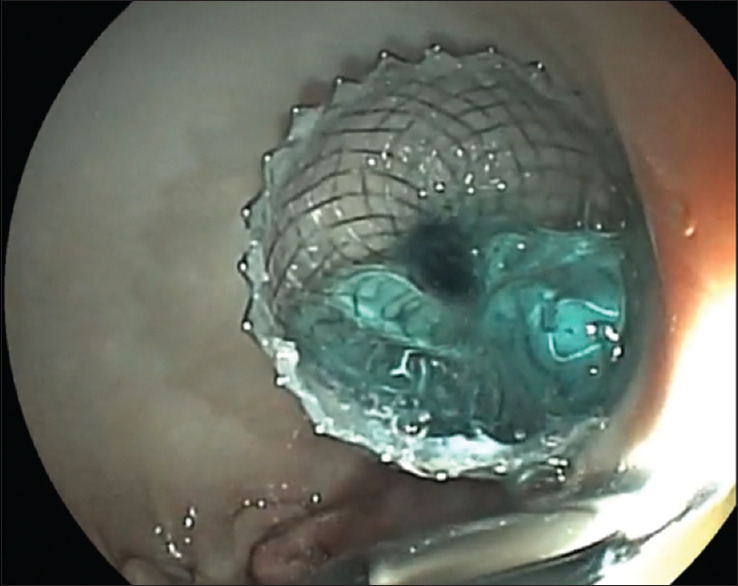
The model was created by ROEYA Training Center, Egypt, using native porcine tissue to create fluid collections simulating both cystic and solid lesions. It was designed and tested in advance while the hydrogel was added on-site. The simulator was evaluated prospectively in five training sessions involving 17 international experts. The task was to successfully deploy the LAMS to drain the created cyst. After using the simulator, the experts were asked to fill a questionnaire to assess their experience. The primary endpoint was overall satisfaction with the model as a training tool.
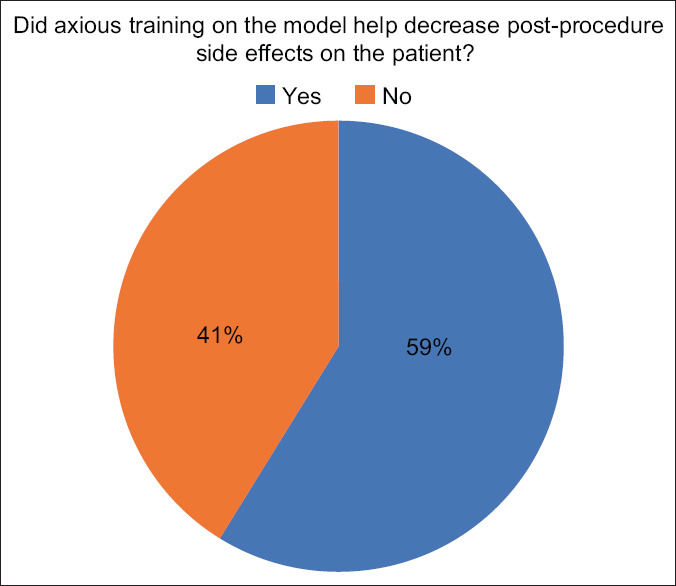
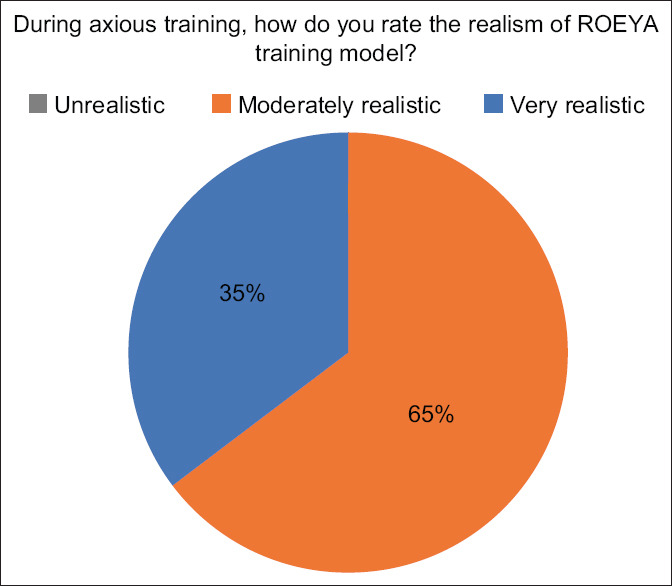
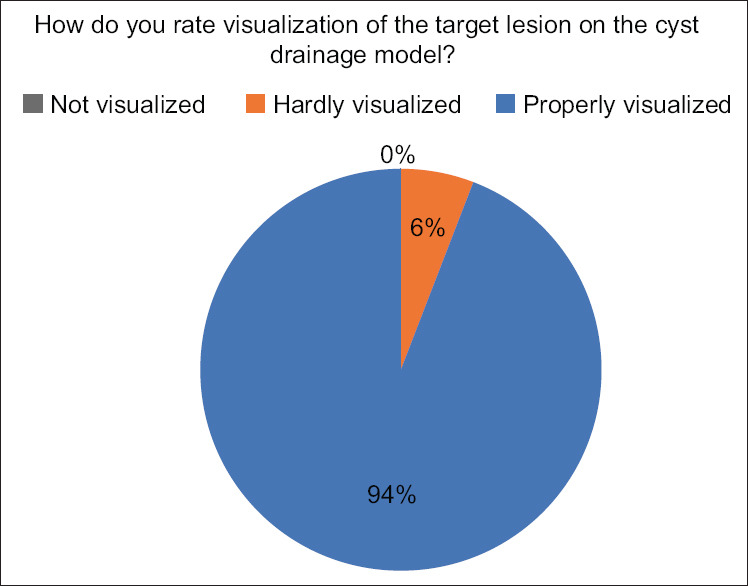
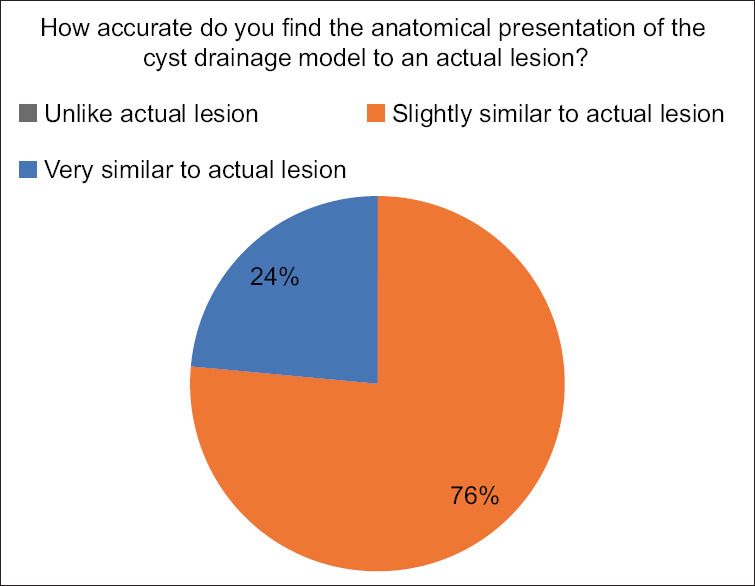
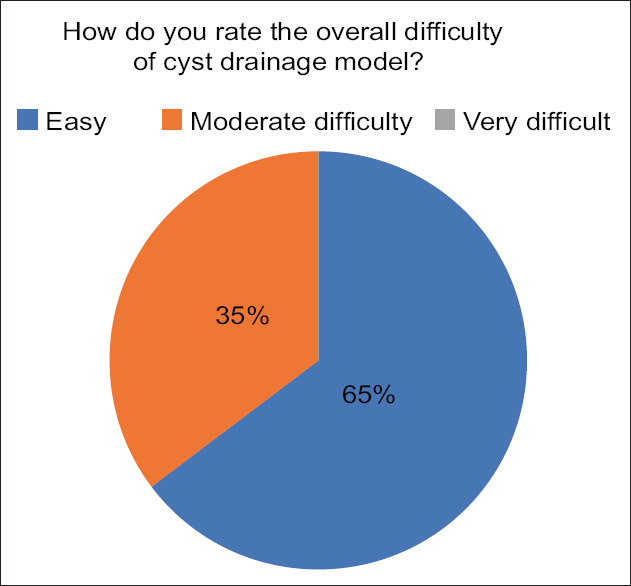
All of the experts were satisfied with the model as a tool to train endoscopists for the technique. 76.5% (n = 11) of the experts thought the model to be moderately realistic. Proper visualization was reported by 94.1% of the experts. All experts believed the lesions to be either slightly like or very similar to real lesions. The model was graded "easy" in difficulty by 11 of the experts.
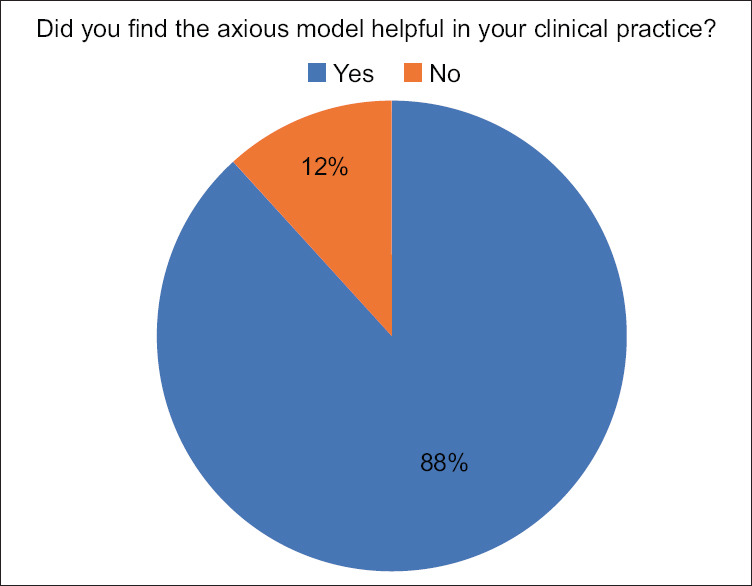
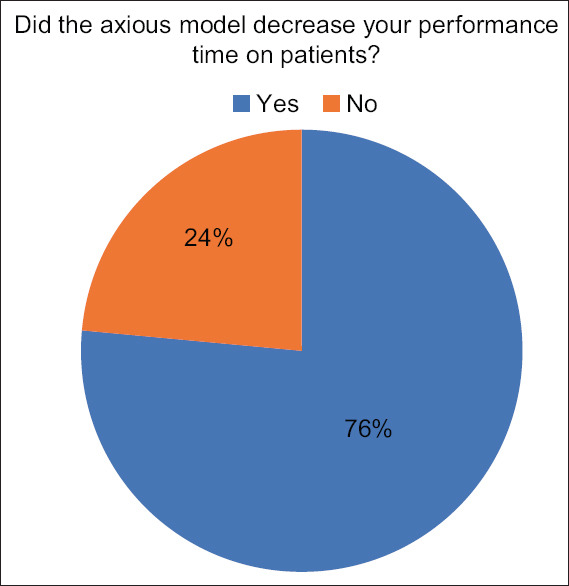
In all parameters assessed, the experts thought the model to be a useful tool for future training. This preliminary study suggests that the aforementioned simulator can be used to train endoscopists on using LAMS in a risk-free environment.
超声内镜引导下囊肿胃造口术是一种成熟的先进内镜技术,学习曲线较陡,需要一个离体模拟器以进行充分训练。本研究的目的是评估该模型用于超声内镜引导下使用管腔贴壁金属支架(LAMS)进行囊肿胃造口术训练的可行性。
该模型由埃及ROEYA培训中心使用猪的天然组织制作,用于创建模拟囊性和实性病变的液体聚集。它在预先设计和测试后,于现场添加水凝胶。该模拟器在涉及17名国际专家的五次培训课程中进行了前瞻性评估。任务是成功部署LAMS以引流创建的囊肿。使用模拟器后,要求专家填写一份问卷以评估他们的体验。主要终点是对该模型作为训练工具的总体满意度。
所有专家都对该模型作为培训内镜医师掌握该技术的工具感到满意。76.5%(n = 11)的专家认为该模型具有适度的逼真度。94.1%的专家报告可视化效果良好。所有专家都认为这些病变与真实病变略有相似或非常相似。11名专家将该模型的难度评为“容易”。
在所有评估参数中,专家们认为该模型是未来培训的有用工具。这项初步研究表明,上述模拟器可用于在无风险环境中培训内镜医师使用LAMS。