Centre Hospitalier Universitaire (CHU) de Québec-Université Laval Research Center, Laval University Cancer Research Center, Québec City, Québec G1R 3S3, Canada.
Donnelly Centre for Cellular and Biomolecular Research, Department of Molecular Genetics, University of Toronto, Toronto, Ontario M5S 3E1, Canada.
Genes Dev. 2022 Jun 1;36(11-12):664-683. doi: 10.1101/gad.348982.121. Epub 2022 Jun 16.
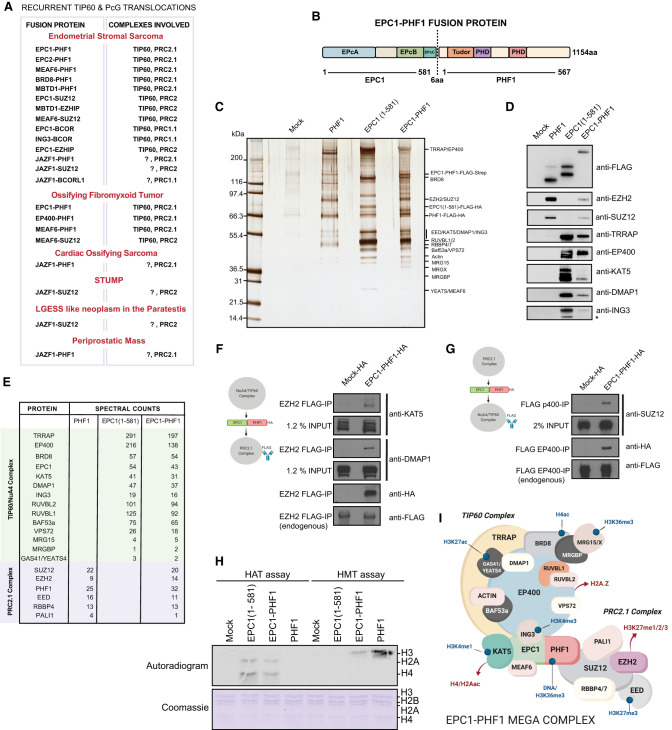
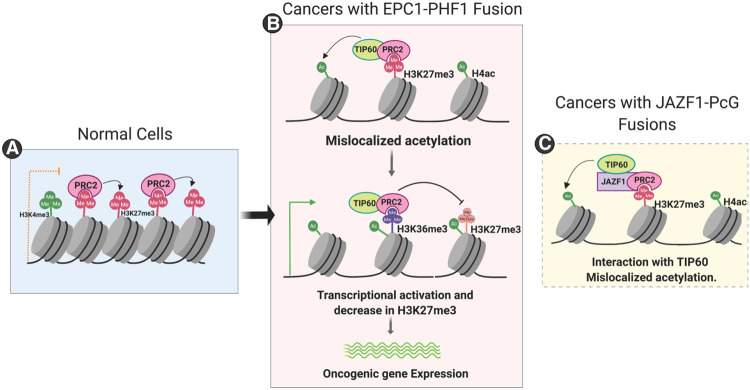
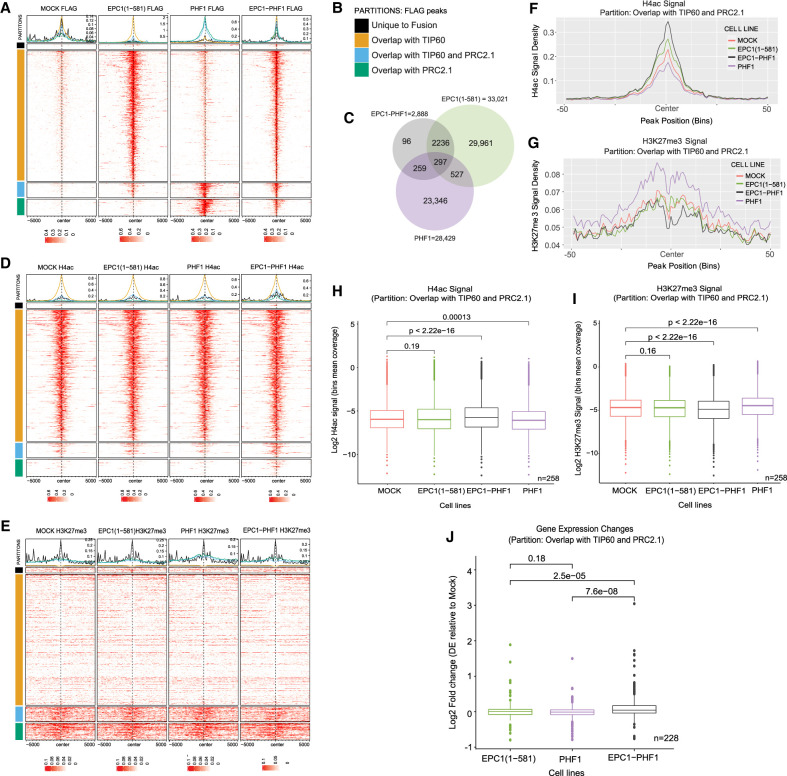
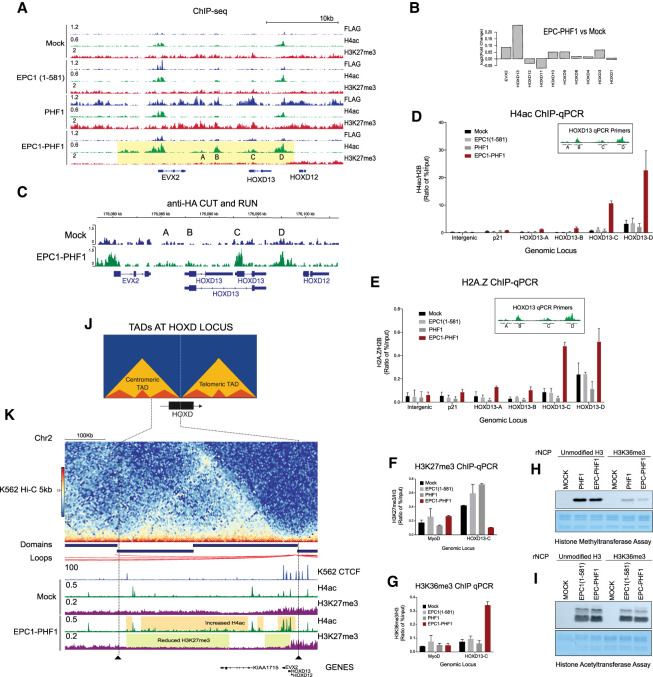
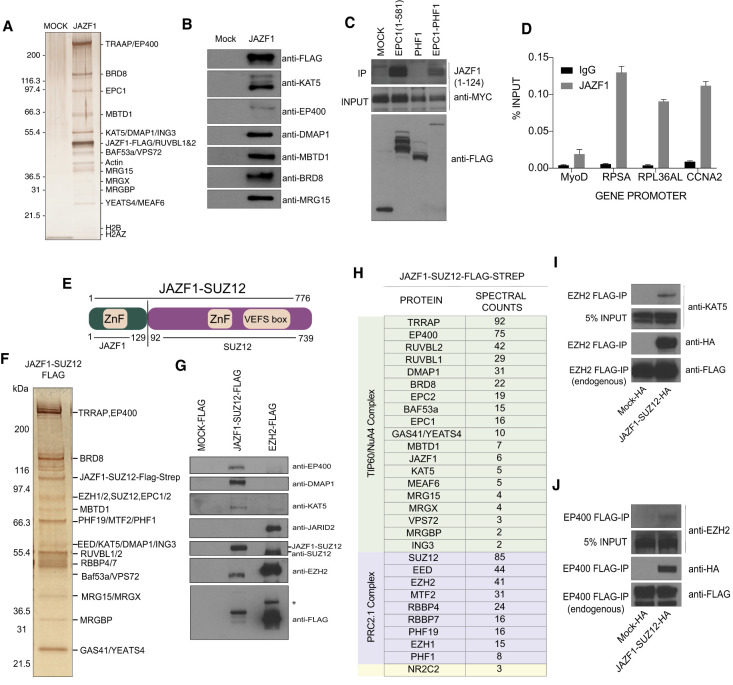
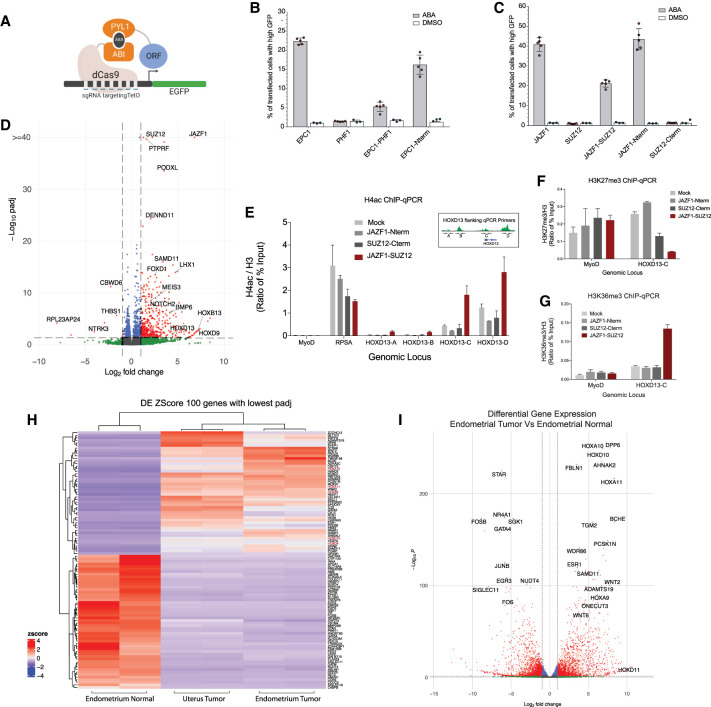
Chromosomal translocations frequently promote carcinogenesis by producing gain-of-function fusion proteins. Recent studies have identified highly recurrent chromosomal translocations in patients with endometrial stromal sarcomas (ESSs) and ossifying fibromyxoid tumors (OFMTs), leading to an in-frame fusion of PHF1 (PCL1) to six different subunits of the NuA4/TIP60 complex. While NuA4/TIP60 is a coactivator that acetylates chromatin and loads the H2A.Z histone variant, PHF1 is part of the Polycomb repressive complex 2 (PRC2) linked to transcriptional repression of key developmental genes through methylation of histone H3 on lysine 27. In this study, we characterize the fusion protein produced by the - translocation. The chimeric protein assembles a megacomplex harboring both NuA4/TIP60 and PRC2 activities and leads to mislocalization of chromatin marks in the genome, in particular over an entire topologically associating domain including part of the cluster. This is linked to aberrant gene expression-most notably increased expression of PRC2 target genes. Furthermore, we show that JAZF1-implicated with a PRC2 component in the most frequent translocation in ESSs, -is a potent transcription activator that physically associates with NuA4/TIP60, its fusion creating outcomes similar to those of Importantly, the specific increased expression of PRC2 targets/ genes was also confirmed with ESS patient samples. Altogether, these results indicate that most chromosomal translocations linked to these sarcomas use the same molecular oncogenic mechanism through a physical merge of NuA4/TIP60 and PRC2 complexes, leading to mislocalization of histone marks and aberrant Polycomb target gene expression.
染色体易位通常通过产生具有功能获得的融合蛋白来促进致癌作用。最近的研究在子宫内膜间质肉瘤(ESSs)和骨化性纤维黏液样肿瘤(OFMTs)患者中鉴定了高度重现的染色体易位,导致 PHF1(PCL1)与 NuA4/TIP60 复合物的六个不同亚基发生框内融合。虽然 NuA4/TIP60 是一种乙酰化染色质并加载 H2A.Z 组蛋白变体的共激活因子,但 PHF1 是多梳抑制复合物 2(PRC2)的一部分,通过组蛋白 H3 赖氨酸 27 上的甲基化与关键发育基因的转录抑制有关。在这项研究中,我们对 - 易位产生的融合蛋白进行了表征。嵌合蛋白组装了一个包含 NuA4/TIP60 和 PRC2 活性的巨型复合物,并导致染色质标记在基因组中的错误定位,特别是在整个拓扑关联结构域上,包括部分 簇。这与异常基因表达有关-特别是 PRC2 靶基因的表达增加。此外,我们还表明,JAZF1-在 ESSs 中最常见的易位中与 PRC2 成分有关,是一种有效的转录激活因子,它与 NuA4/TIP60 物理相关,其融合产生的结果与 相似。重要的是,还在 ESS 患者样本中证实了 PRC2 靶基因/基因的特异性表达增加。总之,这些结果表明,与这些肉瘤相关的大多数染色体易位通过 NuA4/TIP60 和 PRC2 复合物的物理融合使用相同的分子致癌机制,导致组蛋白标记的错误定位和异常多梳靶基因表达。