School of Pharmacy and Biomolecular Sciences, Irish Centre for Vascular Biology, Royal College of Surgeons in Ireland, Dublin, Ireland.
Cellular and Molecular Imaging Core, Royal College of Surgeons in Ireland, Dublin, Ireland.
J Thromb Haemost. 2022 Oct;20(10):2350-2365. doi: 10.1111/jth.15794. Epub 2022 Jul 10.
Breast cancer results in a three- to four-fold increased risk of venous thromboembolism (VTE), which is associated with reduced patient survival. Despite this, the mechanisms underpinning breast cancer-associated thrombosis remain poorly defined. Tumor cells can trigger endothelial cell (EC) activation resulting in increased von Willebrand factor (VWF) secretion. Importantly, elevated plasma VWF levels constitute an independent biomarker for VTE risk. Moreover, in a model of melanoma, treatment with low molecular weight heparin (LMWH) negatively regulated VWF secretion and attenuated tumor metastasis.
To investigate the role of VWF in breast cancer metastasis and examine the effect of LMWH in modulating EC activation and breast tumor transmigration.
von Willebrand factor levels were measured by ELISA. Primary ECs were used to assess tumor-induced activation, angiogenesis, tumor adhesion, and transendothelial migration.
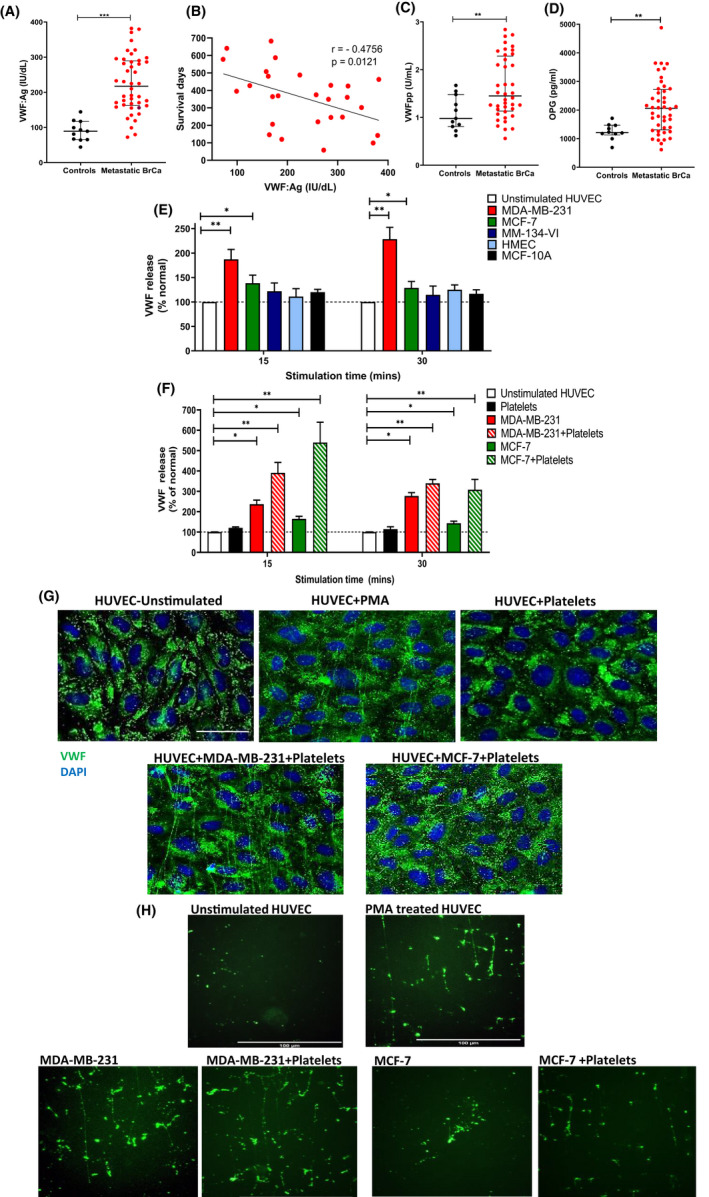
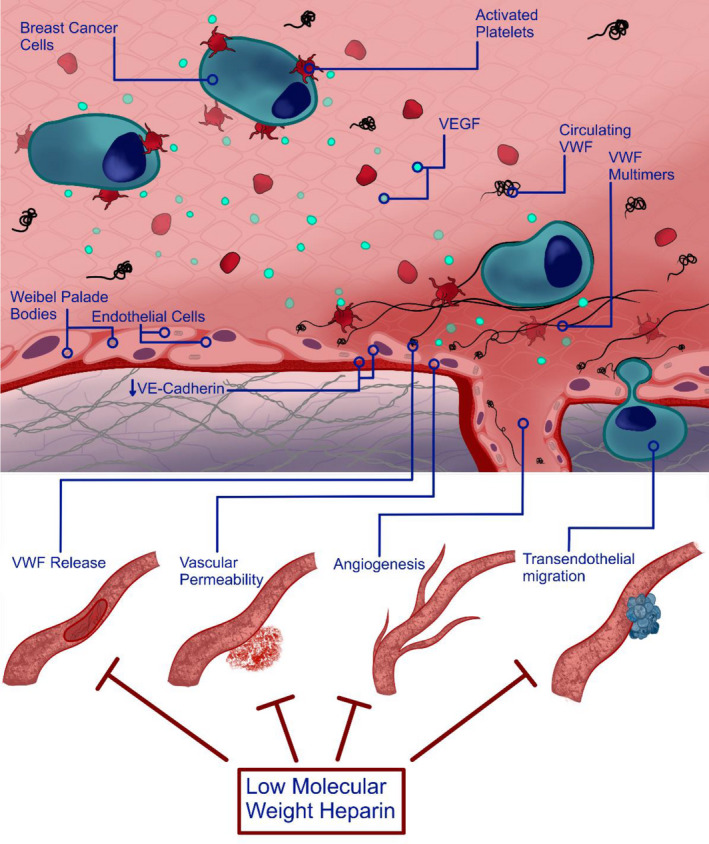
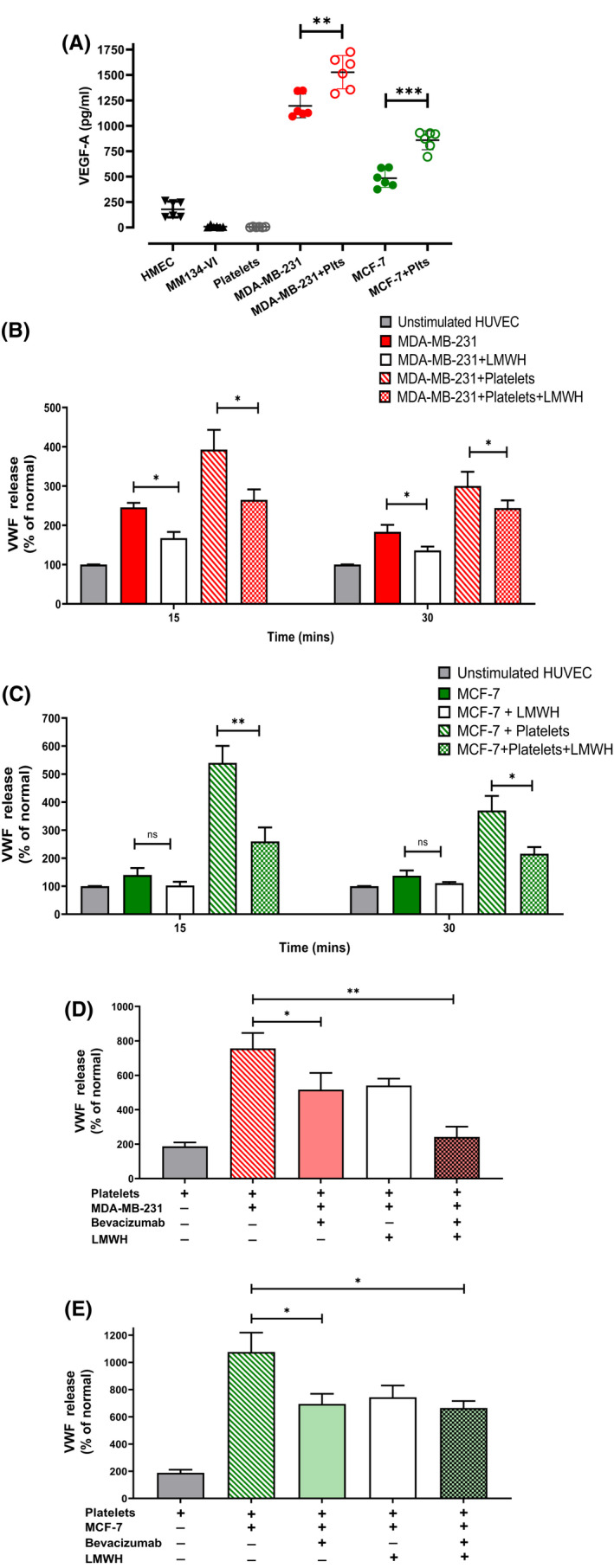
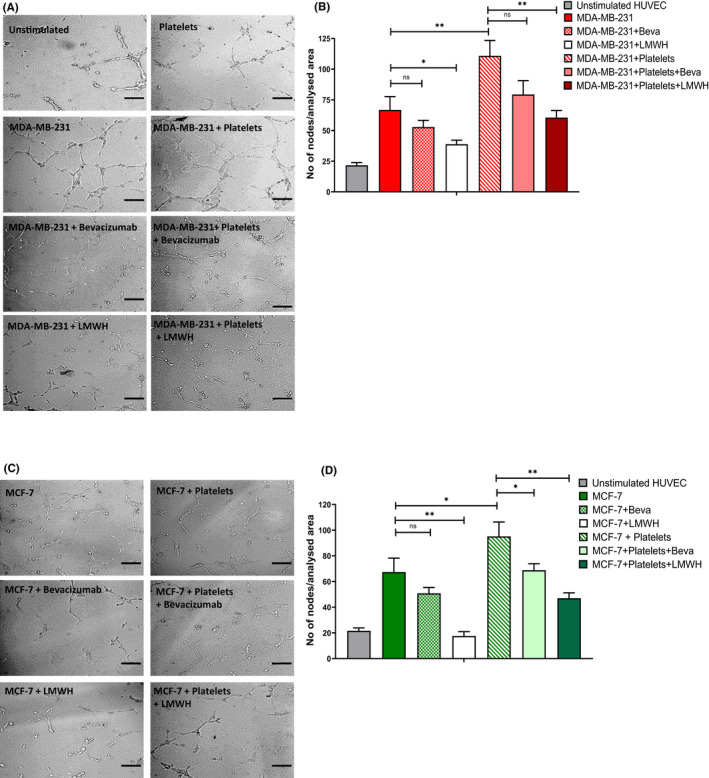
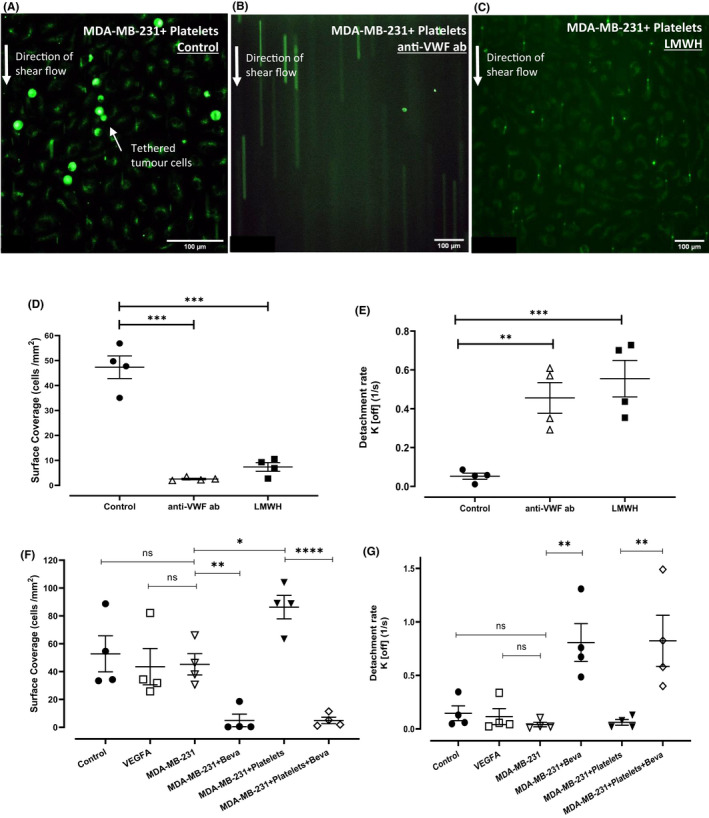
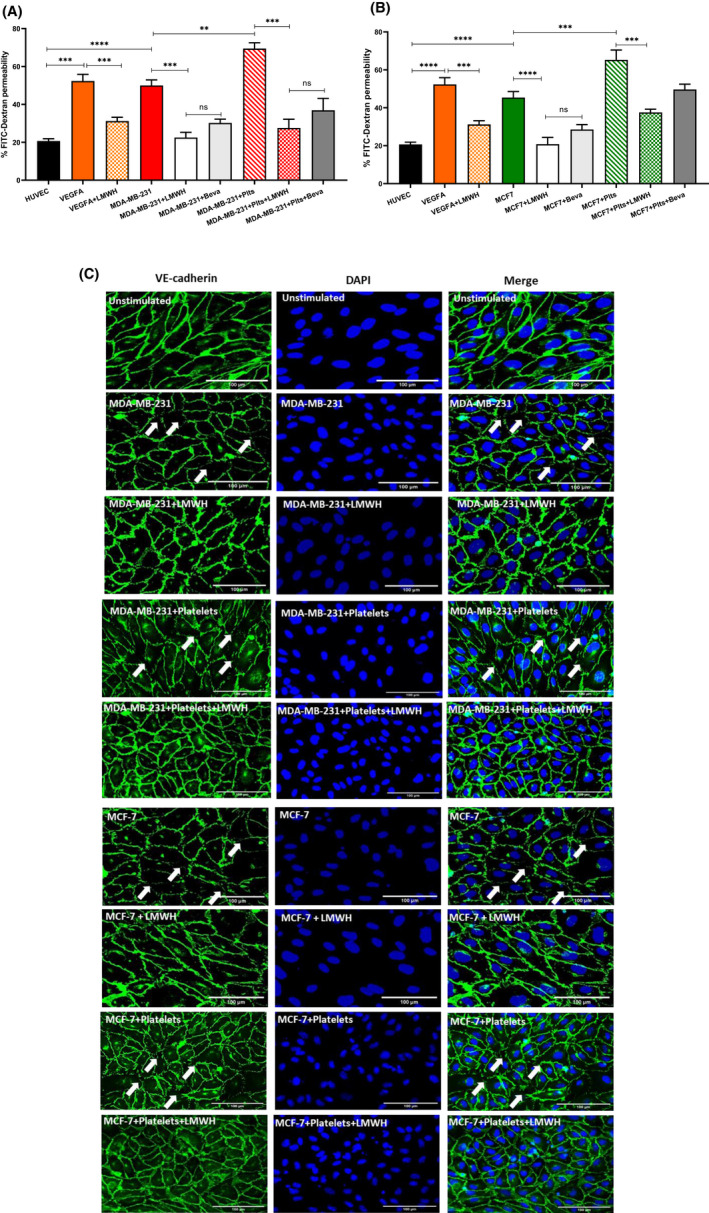
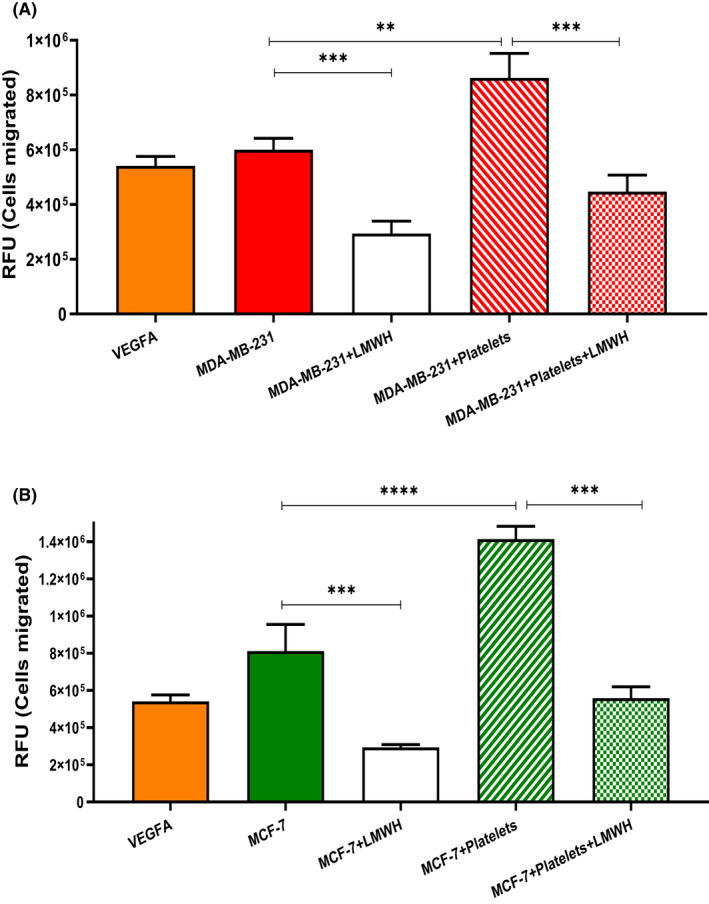
Patients with metastatic breast cancer have markedly elevated plasma VWF:Ag levels that also correlate with poorer survival. MDA-MB-231 and MCF-7 breast cancer cells induce secretion of VWF, angiopoietin-2, and osteoprotegerin from ECs, which is further enhanced by the presence of platelets. Vascular endothelial growth factor-A (VEGF-A) plays an important role in modulating breast cancer-induced VWF release. Moreover, VEGF-A from breast tumor cells also contributes to a pro-angiogenic effect on ECs. VWF multimers secreted from ECs, in response to tumor-VEGF-A, mediate adhesion of breast tumor cells along the endothelium. LMWH inhibits VWF-breast tumor adhesion and transendothelial migration. Our findings highlight the significant crosstalk between tumor cells and the endothelium including increased VWF secretion which may contribute to tumor metastasis.
乳腺癌会使静脉血栓栓塞症(VTE)的风险增加三到四倍,这与患者生存率降低有关。尽管如此,乳腺癌相关血栓形成的机制仍未得到很好的定义。肿瘤细胞可以触发内皮细胞(EC)激活,导致血管性血友病因子(VWF)分泌增加。重要的是,血浆 VWF 水平升高是 VTE 风险的独立生物标志物。此外,在黑色素瘤模型中,低分子量肝素(LMWH)治疗可负调控 VWF 分泌并减弱肿瘤转移。
研究 VWF 在乳腺癌转移中的作用,并研究 LMWH 调节 EC 激活和乳腺癌肿瘤转移的作用。
通过 ELISA 测量 VWF 水平。使用原代 EC 评估肿瘤诱导的激活、血管生成、肿瘤黏附以及跨内皮迁移。
转移性乳腺癌患者的血浆 VWF:Ag 水平显著升高,且与生存率较差相关。MDA-MB-231 和 MCF-7 乳腺癌细胞诱导 EC 分泌 VWF、血管生成素-2 和骨保护素,血小板的存在进一步增强了这一作用。血管内皮生长因子-A(VEGF-A)在调节乳腺癌诱导的 VWF 释放中起着重要作用。此外,乳腺癌细胞中的 VEGF-A 也有助于对 EC 产生促血管生成作用。VWF 多聚体从 EC 分泌,响应于肿瘤-VEGF-A,介导乳腺癌细胞沿着内皮的黏附。LMWH 抑制 VWF-乳腺癌细胞黏附和跨内皮迁移。我们的发现强调了肿瘤细胞与内皮之间的显著相互作用,包括增加的 VWF 分泌,这可能有助于肿瘤转移。