Department of Environmental Health Sciences, Robert Stempel College of Public Health & Social Work, Florida International University, Miami, FL 33199, USA.
Cells. 2022 Jun 18;11(12):1961. doi: 10.3390/cells11121961.
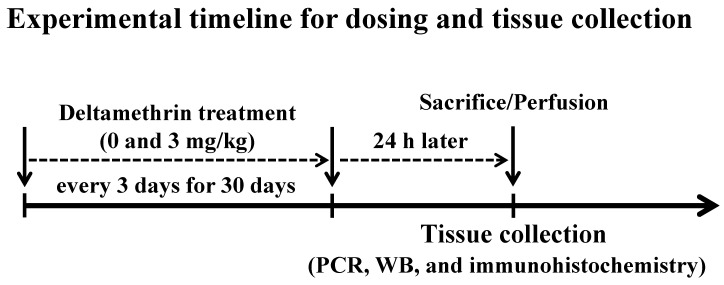
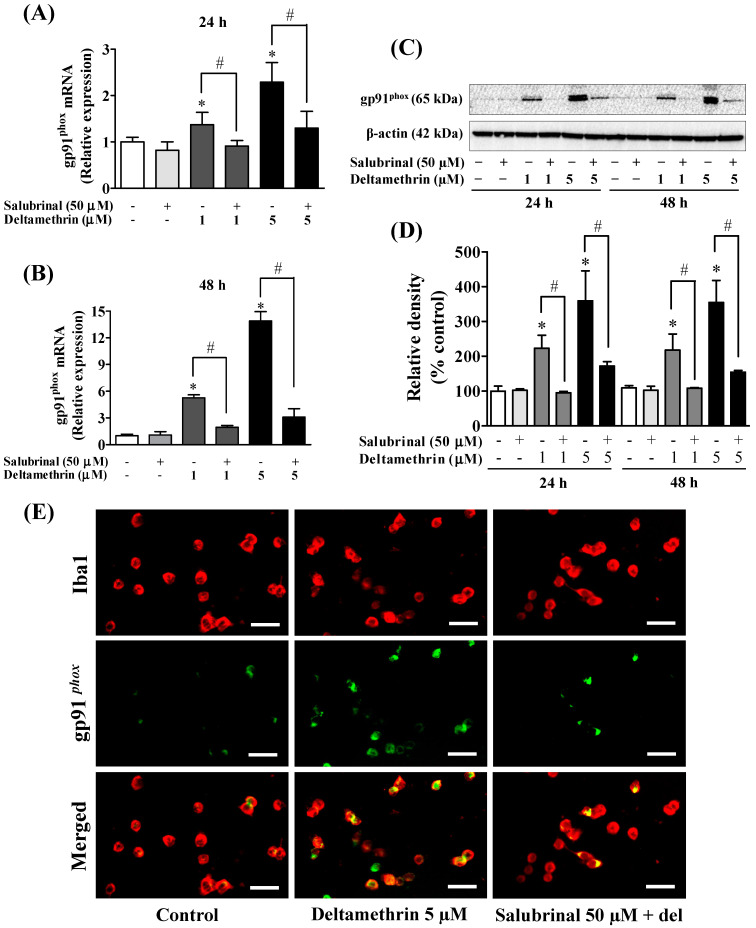
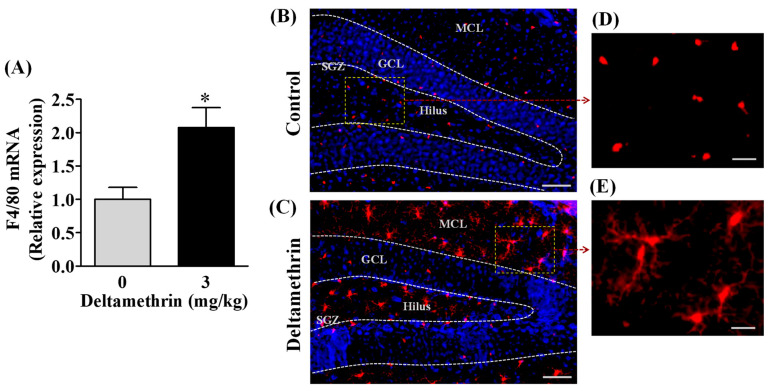
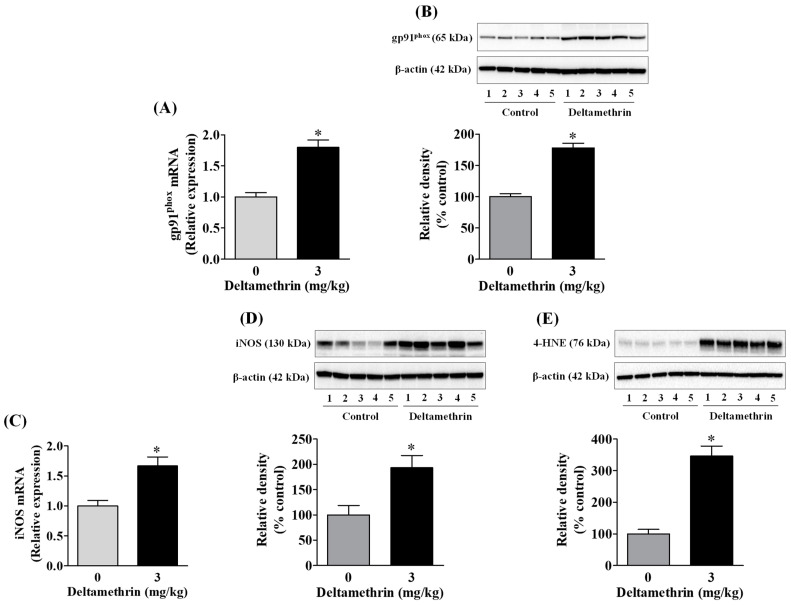
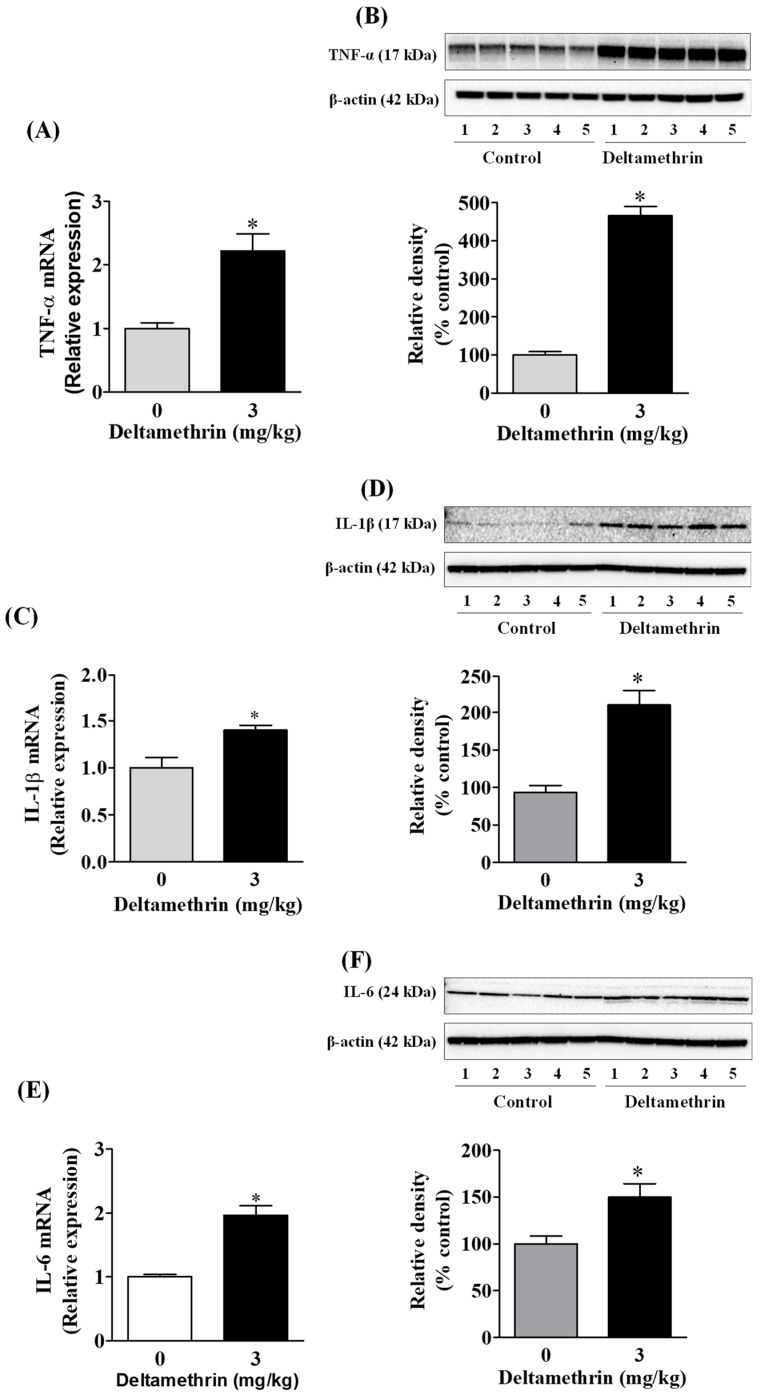
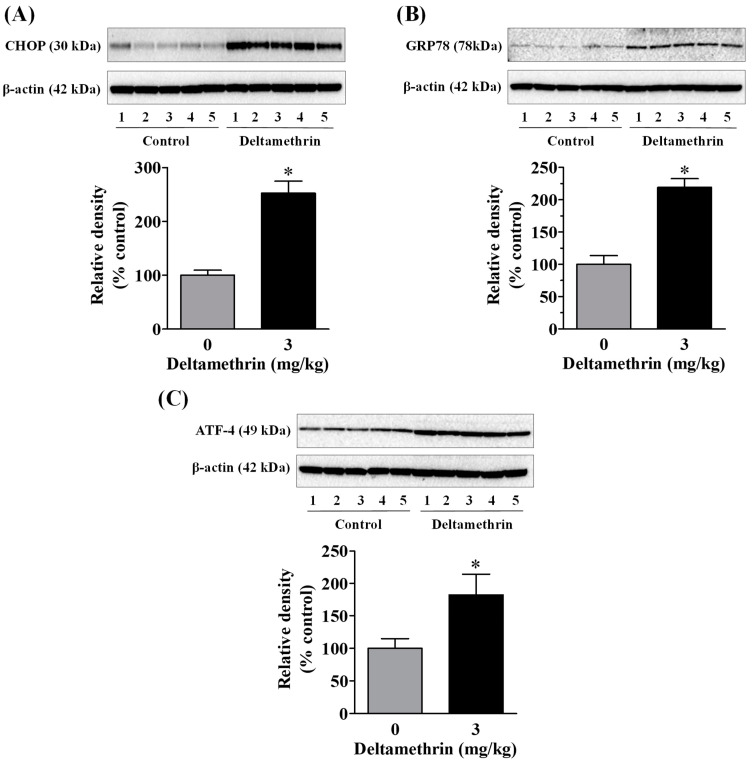
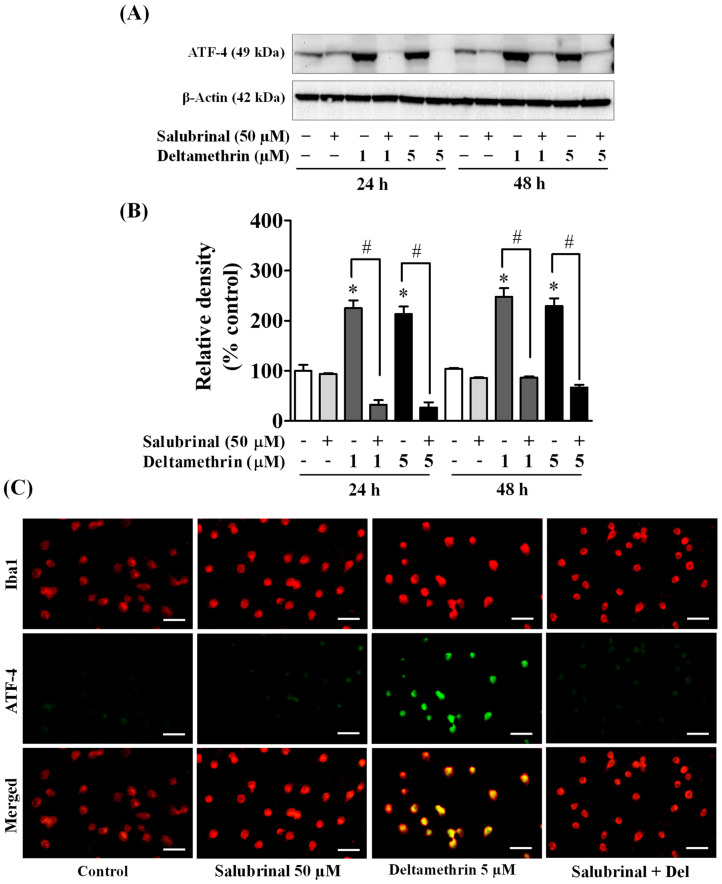
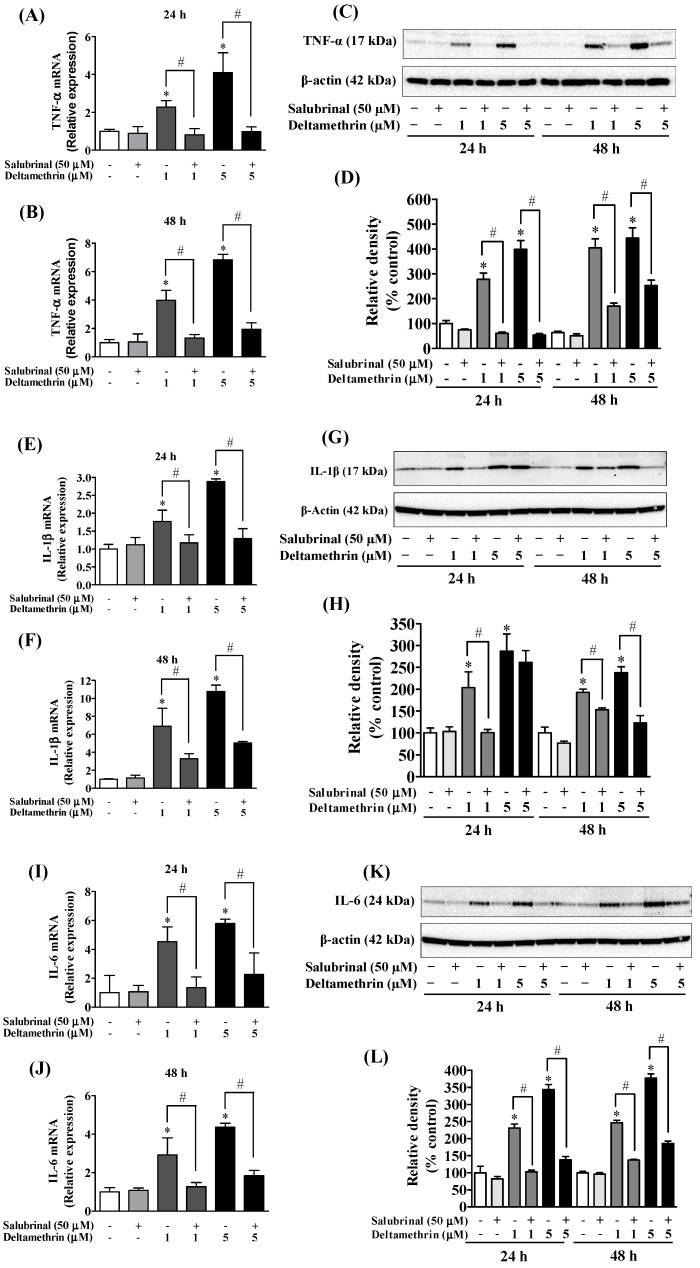
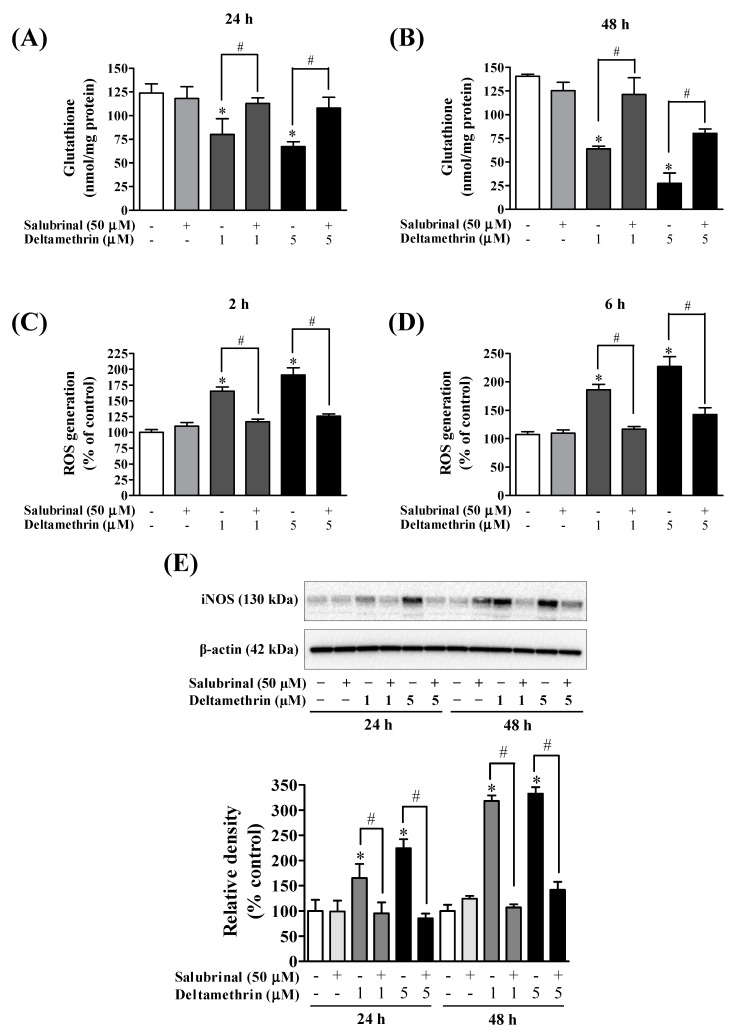
Endoplasmic reticulum (ER) stress and neuroinflammation are involved in the pathogenesis of many neurodegenerative disorders. Previously, we reported that exposure to pyrethroid insecticide deltamethrin causes hippocampal ER stress apoptosis, a reduction in neurogenesis, and learning deficits in adult male mice. Recently, we found that deltamethrin exposure also increases the markers of neuroinflammation in BV2 cells. Here, we investigated the potential mechanistic link between ER stress and neuroinflammation following exposure to deltamethrin. We found that repeated oral exposure to deltamethrin (3 mg/kg) for 30 days caused microglial activation and increased gene expressions and protein levels of TNF-α, IL-1β, IL-6, gp91, 4HNE, and iNOS in the hippocampus. These changes were preceded by the induction of ER stress as the protein levels of CHOP, ATF-4, and GRP78 were significantly increased in the hippocampus. To determine whether induction of ER stress triggers the inflammatory response, we performed an additional experiment with mouse microglial cell (MMC) line. MMCs were treated with 0-5 µM deltamethrin for 24-48 h in the presence or absence of salubrinal, a pharmacological inhibitor of the ER stress factor eIF2α. We found that salubrinal (50 µM) prevented deltamethrin-induced ER stress, as indicated by decreased levels of CHOP and ATF-4, and attenuated the levels of GSH, 4-HNE, gp91, iNOS, ROS, TNF-α, IL-1β, and IL-6 in MMCs. Together, these results demonstrate that exposure to deltamethrin leads to ER stress-mediated neuroinflammation, which may subsequently contribute to neurodegeneration and cognitive impairment in mice.
内质网(ER)应激和神经炎症参与许多神经退行性疾病的发病机制。先前,我们报道了接触拟除虫菊酯杀虫剂溴氰菊酯会导致成年雄性小鼠海马 ER 应激凋亡、神经发生减少和学习能力下降。最近,我们发现溴氰菊酯暴露也会增加 BV2 细胞中的神经炎症标志物。在这里,我们研究了暴露于溴氰菊酯后 ER 应激和神经炎症之间潜在的机制联系。我们发现,重复口服暴露于溴氰菊酯(3mg/kg)30 天会导致小胶质细胞激活,并增加海马中 TNF-α、IL-1β、IL-6、gp91、4HNE 和 iNOS 的基因表达和蛋白水平。这些变化之前是 ER 应激的诱导,因为海马中 CHOP、ATF-4 和 GRP78 的蛋白水平显著增加。为了确定 ER 应激的诱导是否会引发炎症反应,我们用小鼠小胶质细胞(MMC)系进行了额外的实验。用 0-5µM 溴氰菊酯处理 MMC 24-48 小时,同时存在或不存在 salubrinal,一种 ER 应激因子 eIF2α的药理学抑制剂。我们发现 salubrinal(50µM)可防止溴氰菊酯诱导的 ER 应激,如 CHOP 和 ATF-4 水平降低,以及减弱 MMC 中 GSH、4-HNE、gp91、iNOS、ROS、TNF-α、IL-1β 和 IL-6 的水平。总之,这些结果表明,接触溴氰菊酯会导致 ER 应激介导的神经炎症,这可能随后导致小鼠的神经退行性变和认知障碍。