Bondaruk Jolanta, Jaksik Roman, Wang Ziqiao, Cogdell David, Lee Sangkyou, Chen Yujie, Dinh Khanh Ngoc, Majewski Tadeusz, Zhang Li, Cao Shaolong, Tian Feng, Yao Hui, Kuś Paweł, Chen Huiqin, Weinstein John N, Navai Neema, Dinney Colin, Gao Jianjun, Theodorescu Dan, Logothetis Christopher, Guo Charles C, Wang Wenyi, McConkey David, Wei Peng, Kimmel Marek, Czerniak Bogdan
Department of Pathology, The University of Texas MD Anderson Cancer Center, Houston, TX, USA.
Department of Systems Biology and Engineering and Biotechnology Centre, Silesian University of Technology, Gliwice, Poland.
iScience. 2022 Jun 7;25(7):104551. doi: 10.1016/j.isci.2022.104551. eCollection 2022 Jul 15.
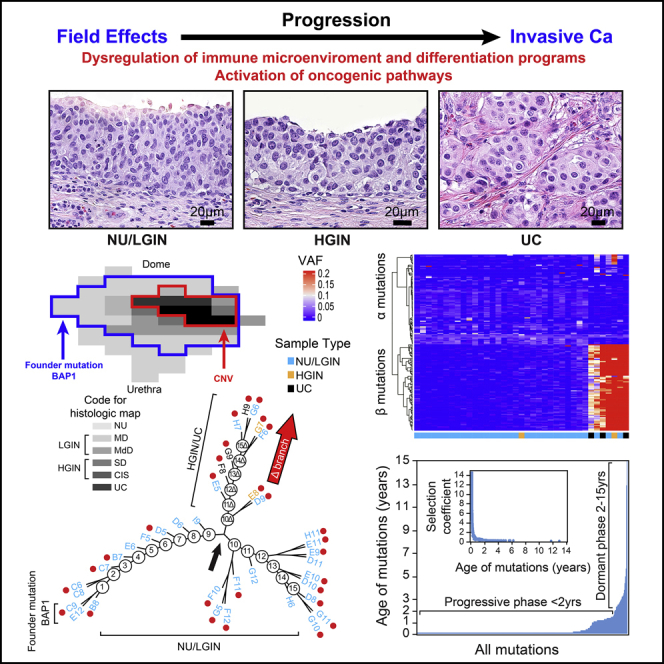
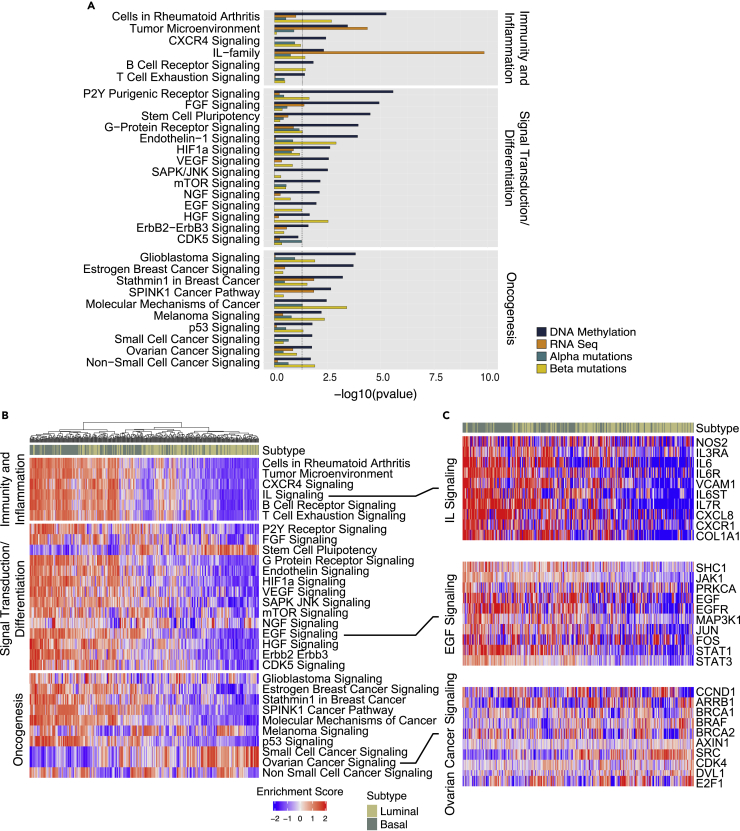
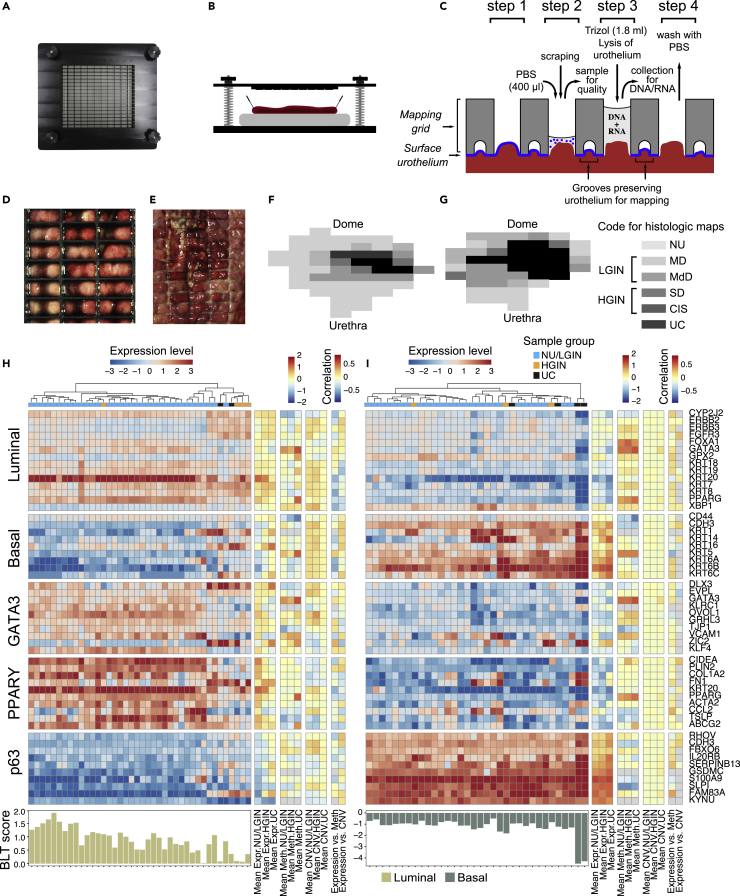
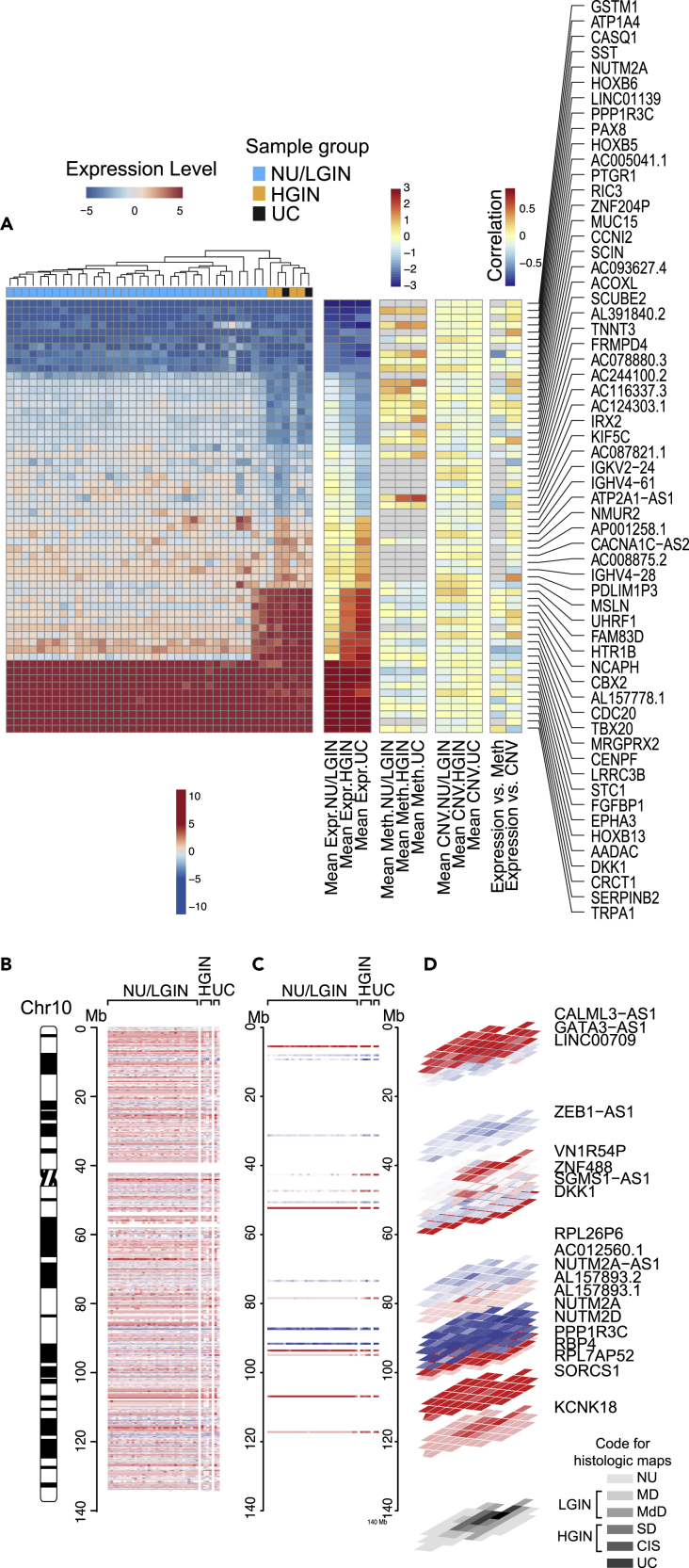
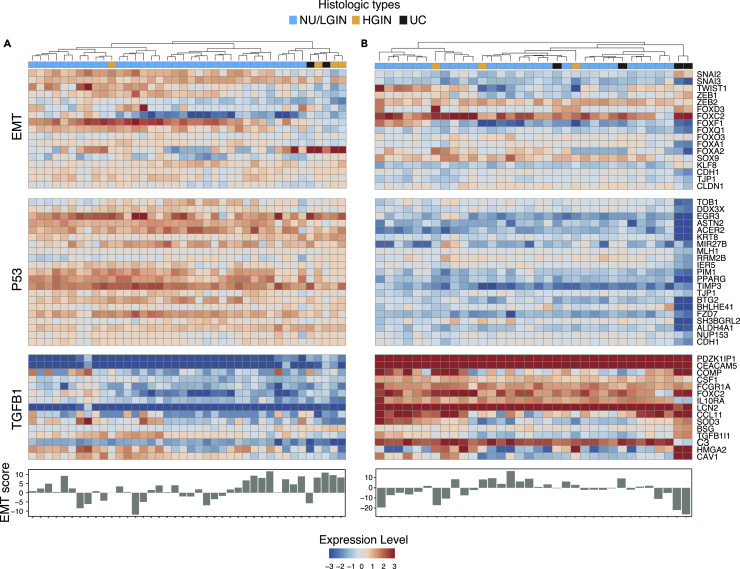
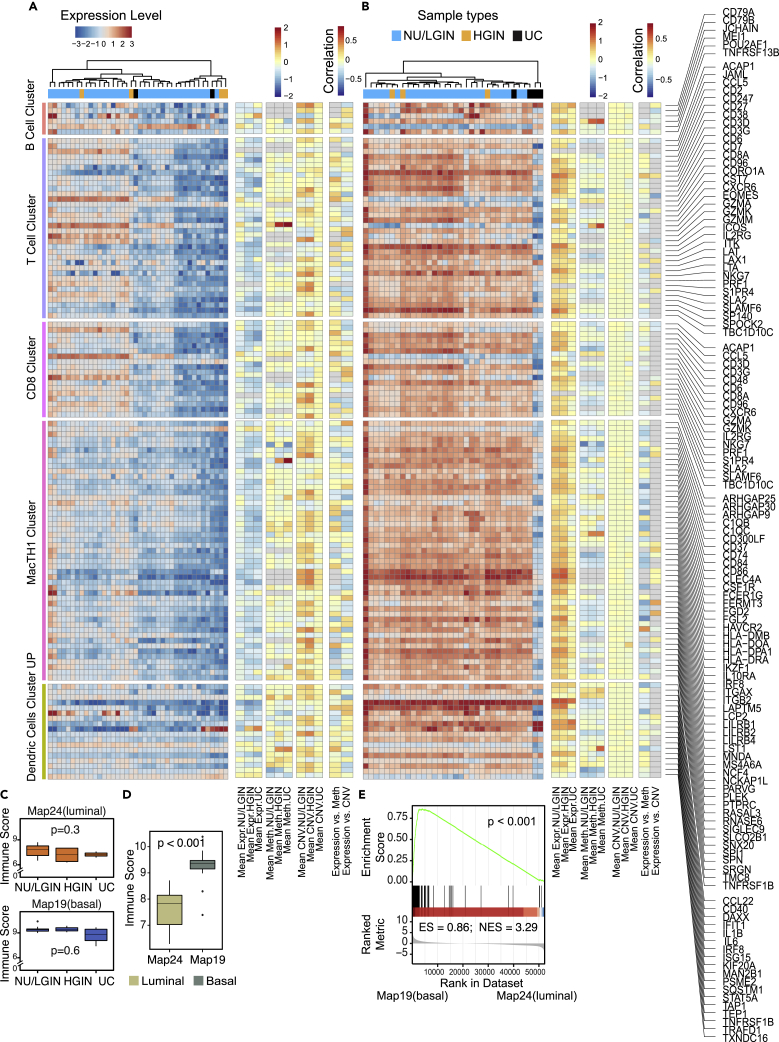
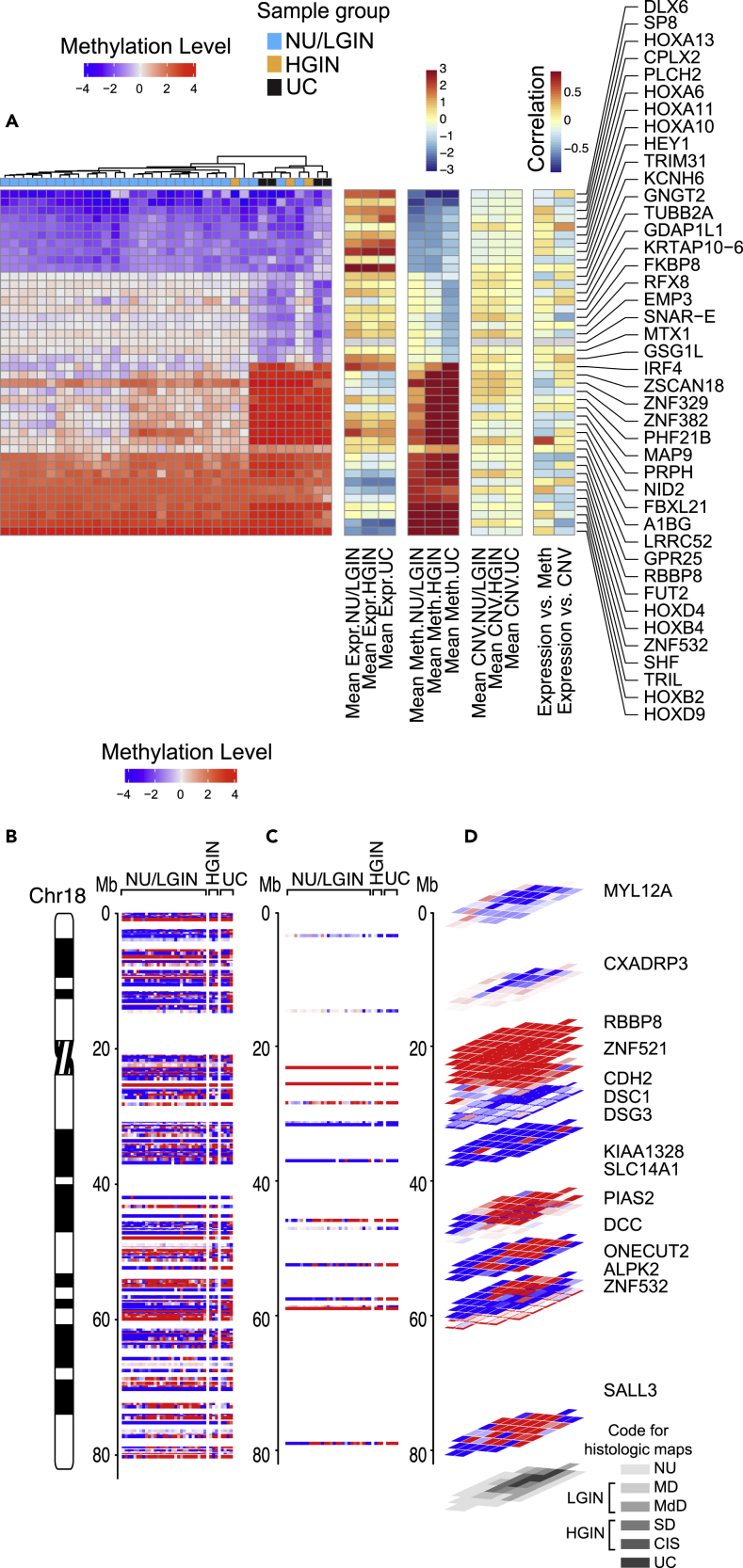
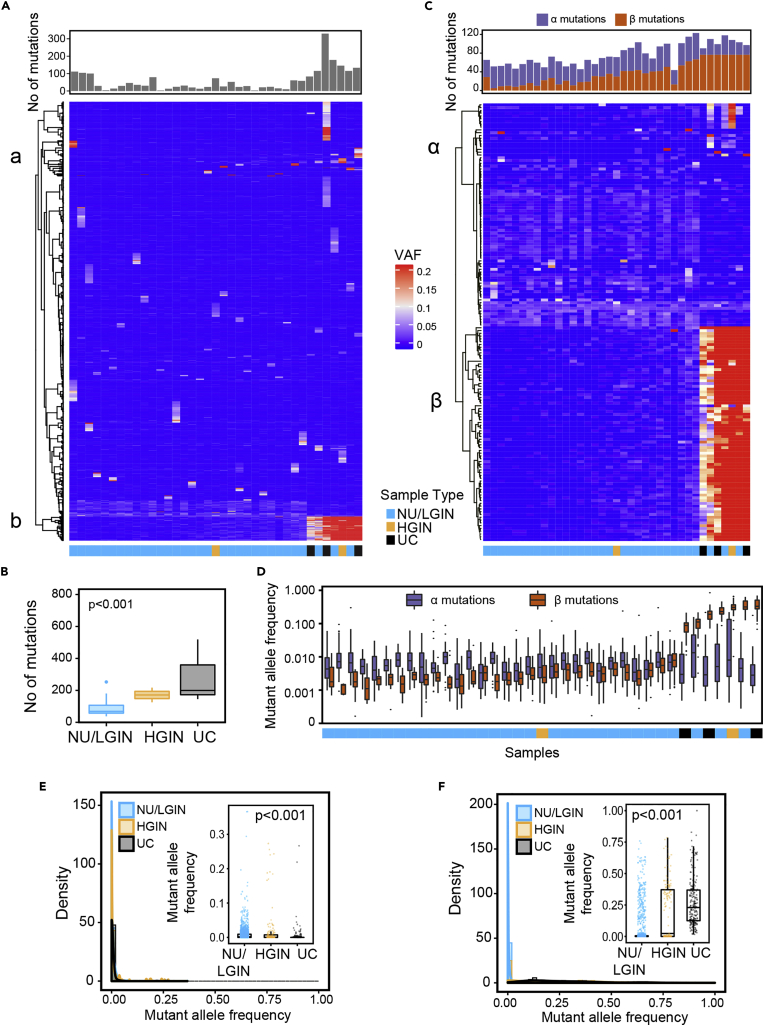
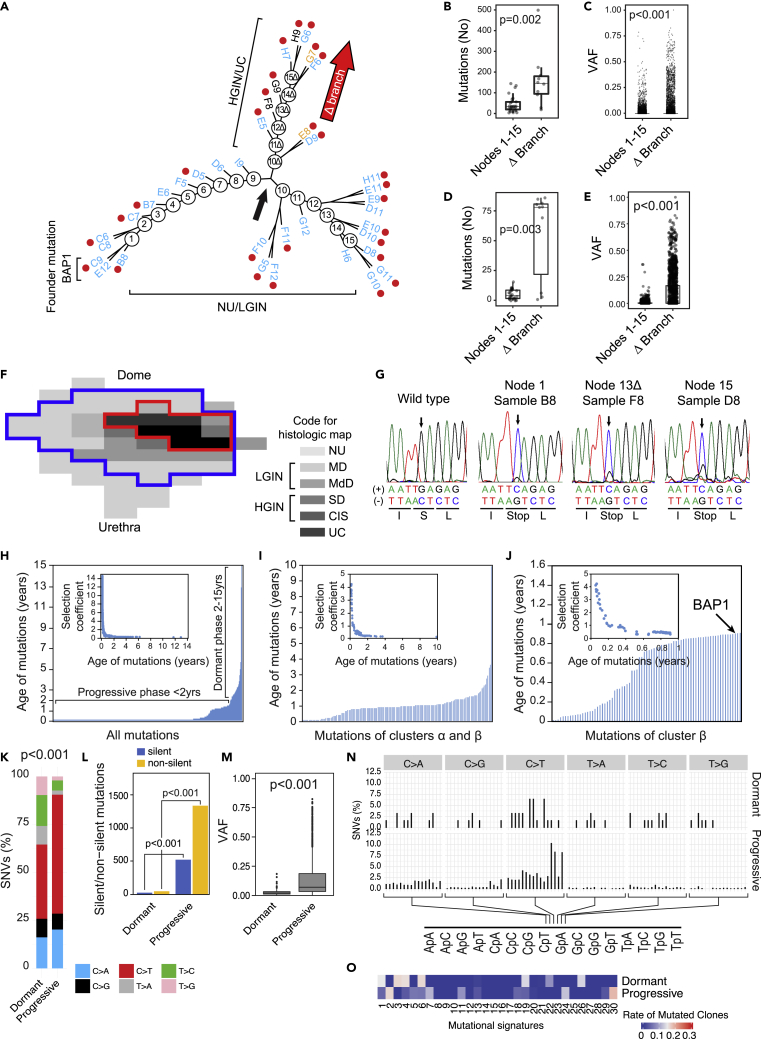
Whole-organ mapping was used to study molecular changes in the evolution of bladder cancer from field effects. We identified more than 100 dysregulated pathways, involving immunity, differentiation, and transformation, as initiators of carcinogenesis. Dysregulation of interleukins signified the involvement of inflammation in the incipient phases of the process. An aberrant methylation/expression of multiple genes signified dysregulation of the differentiation program. We identified three types of mutations based on their geographic distribution. The most common were mutations restricted to individual mucosal samples that targeted uroprogenitor cells. Two types of mutations were associated with clonal expansion and involved large areas of mucosa. The α mutations occurred at low frequencies while the β mutations increased in frequency with disease progression. Modeling revealed that bladder carcinogenesis spans 10-15 years and can be divided into dormant and progressive phases. The progressive phase lasted 1-2 years and was driven by β mutations.
全器官图谱被用于研究膀胱癌从场效应演变过程中的分子变化。我们鉴定出100多条失调的信号通路,涉及免疫、分化和转化,这些是致癌作用的起始因素。白细胞介素的失调表明炎症参与了该过程的初始阶段。多个基因的异常甲基化/表达表明分化程序失调。我们根据其地理分布鉴定出三种类型的突变。最常见的是局限于靶向尿路上皮祖细胞的单个黏膜样本的突变。两种类型的突变与克隆性扩增相关,累及大面积黏膜。α突变发生频率较低,而β突变随疾病进展频率增加。建模显示,膀胱癌发生过程持续10 - 15年,可分为休眠期和进展期。进展期持续1 - 2年,由β突变驱动。