School of Health Sciences, Mae Fah Luang University, Chiang Rai, Thailand.
Center of Excellence for Hill Tribe Health Research, Mae Fah Luang University, Chiang Rai, Thailand.
Sci Rep. 2022 Jun 30;12(1):11035. doi: 10.1038/s41598-022-15149-y.
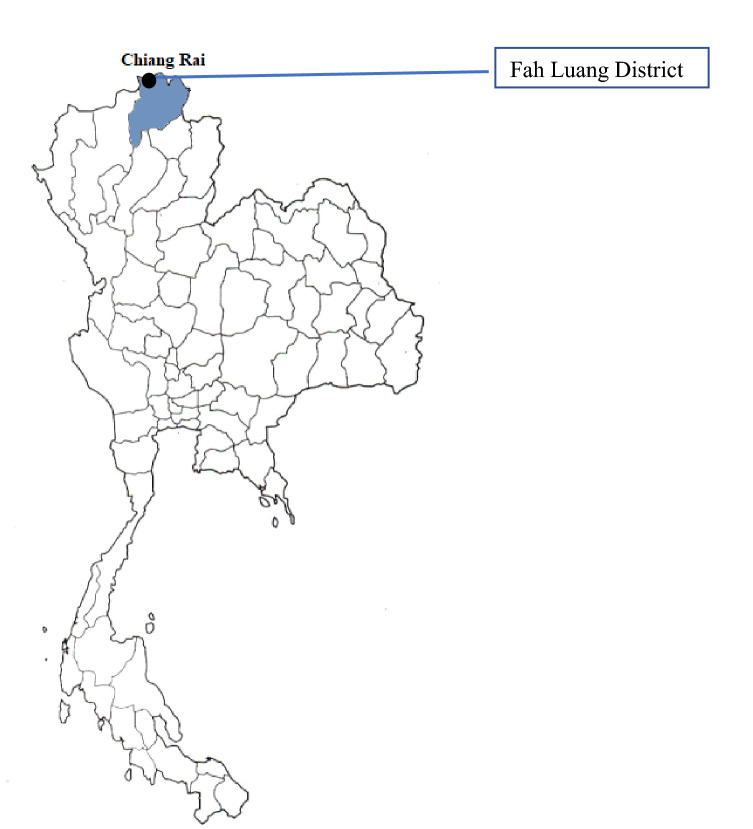
Coronavirus disease 2019 (COVID-19) is a serious emerging disease and an extreme threat to human life. This study aimed to understand the perceptions of hill tribe people living in the border areas of Thailand-Myanmar and health workers regarding the acceptability and accessibility of the COVID-19 vaccine and health workers' perceptions of the readiness to implement the vaccination program during the early period of national COVID-19 vaccination. A qualitative method was applied to elicit information from key informants who lived in hill tribe villages and the health professionals who served them. The study was conducted in seven hill tribe villages located along the Thailand-Myanmar borders in Mae Fah Luang District, Chiang Rai Province, Thailand. The participants were hill tribe villagers aged 20 years and over; public health care professionals working in village health centers who had primary roles in implementing disease prevention and control measures; and public health care professionals working in districts and provincial public health offices who had primary roles in policy development and implementation. A total of 63 participants (26 men and 37 women) from seven hill tribe villages provided information. Three acceptance choices regarding receiving the COVID-19 vaccine were found among the hill tribes: definite acceptance, likely acceptance, and no preference. Two factors related to obtaining access to the new COVID-19 vaccine were found: Thai citizenship and the level of literacy related to the vaccine. There was no process or protocol in place for implementing the new vaccine among health professionals working at the district, subdistrict, or community levels, but the national expanded immunization program (EPI) system was clearly demonstrated to extend throughout the health service chain in Thailand. During the early period of national COVID-19 vaccine implantation in Thailand, not all members of the hill tribes accepted the vaccine; participant acceptance depended on several factors, including a participant's previous experience with vaccination, whether he or she required more information before making a decision, etc. While acceptance of the vaccine depended on the individual's background, not everyone had an equal opportunity to access the vaccine. The new COVID-19 vaccine should be available at the village level, including in hill tribe villages, to reduce the systemic threat to the country.
2019 年冠状病毒病(COVID-19)是一种严重的新发疾病,对人类生命构成极端威胁。本研究旨在了解生活在泰国-缅甸边境地区的山地部落人民和卫生工作者对 COVID-19 疫苗的可接受性和可及性的看法,以及卫生工作者在全国 COVID-19 疫苗接种初期对实施疫苗接种计划的准备情况的看法。本研究采用定性方法从居住在山村的关键信息者和为他们服务的卫生专业人员那里获取信息。该研究在泰国清莱府湄宏顺区沿泰国-缅甸边境的七个山村进行。参与者为年龄在 20 岁及以上的山村村民;在村卫生中心工作的公共卫生保健专业人员,主要负责实施疾病预防和控制措施;以及在区和省级公共卫生办公室工作的公共卫生保健专业人员,主要负责政策制定和实施。共有来自七个山村的 63 名参与者(26 名男性和 37 名女性)提供了信息。在山地部落中发现了三种接受 COVID-19 疫苗的选择:明确接受、可能接受和不偏好。发现获得新的 COVID-19 疫苗的两个相关因素:泰国公民身份和与疫苗相关的文化程度。在区、分区或社区一级工作的卫生专业人员中,没有实施新疫苗的程序或协议,但泰国全国扩大免疫规划(EPI)系统清楚地显示在整个卫生服务链中延伸。在泰国全国 COVID-19 疫苗接种的早期阶段,并非所有山地部落成员都接受疫苗;参与者的接受程度取决于几个因素,包括参与者以前的接种经验、他或她在做出决定之前是否需要更多信息等。虽然疫苗的接受程度取决于个人背景,但并非每个人都有平等的机会获得疫苗。新的 COVID-19 疫苗应在村级,包括山村,提供,以减少对国家的系统威胁。