Du Shibin, Wu Shaogen, Feng Xiaozhou, Wang Bing, Xia Shangzhou, Liang Lingli, Zhang Li, Govindarajalu Gokulapriya, Bunk Alexander, Kadakia Feni, Mao Qingxiang, Guo Xinying, Zhao Hui, Berkman Tolga, Liu Tong, Li Hong, Stillman Jordan, Bekker Alex, Davidson Steve, Tao Yuan-Xiang
Department of Anesthesiology, New Jersey Medical School, Rutgers, The State University of New Jersey, Newark, New Jersey, USA.
Department of Anesthesiology, Pain Research Center, and Neuroscience Graduate Program, University of Cincinnati College of Medicine, Cincinnati, Ohio, USA.
J Clin Invest. 2022 Jul 1;132(13). doi: 10.1172/JCI153563.
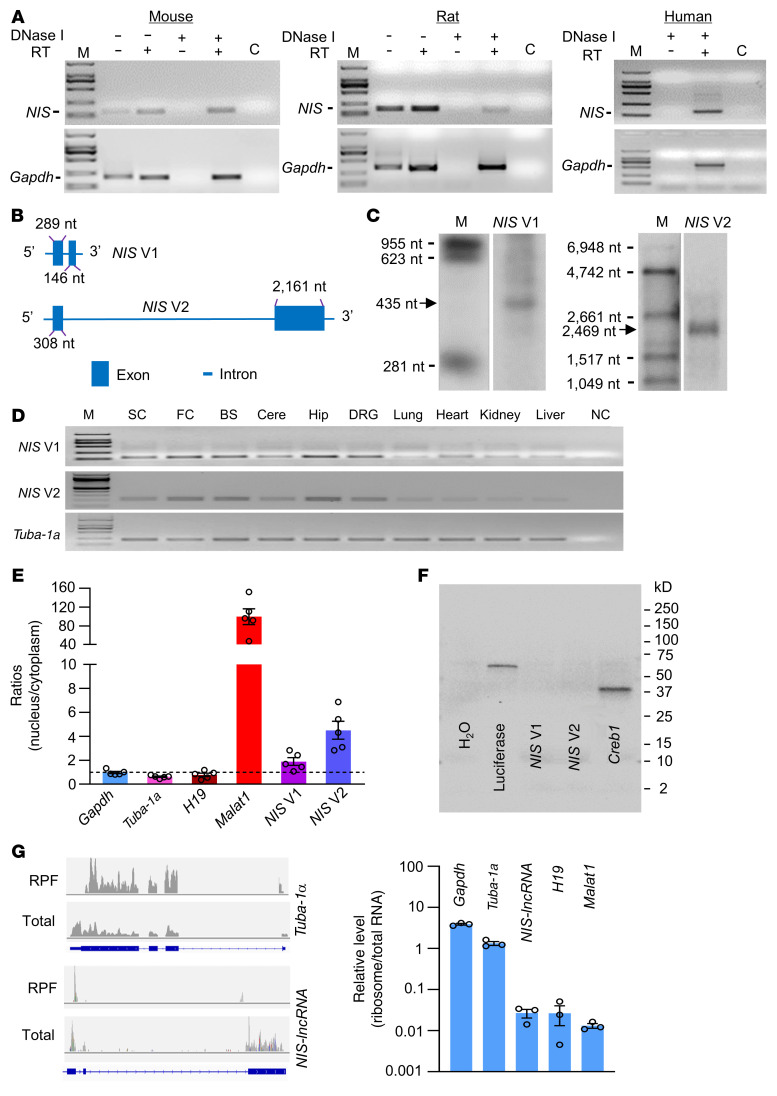
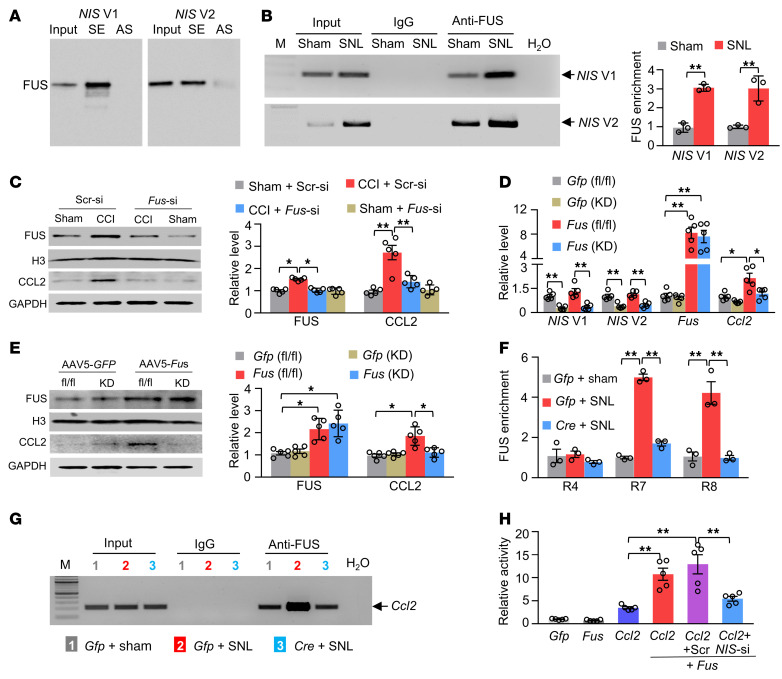
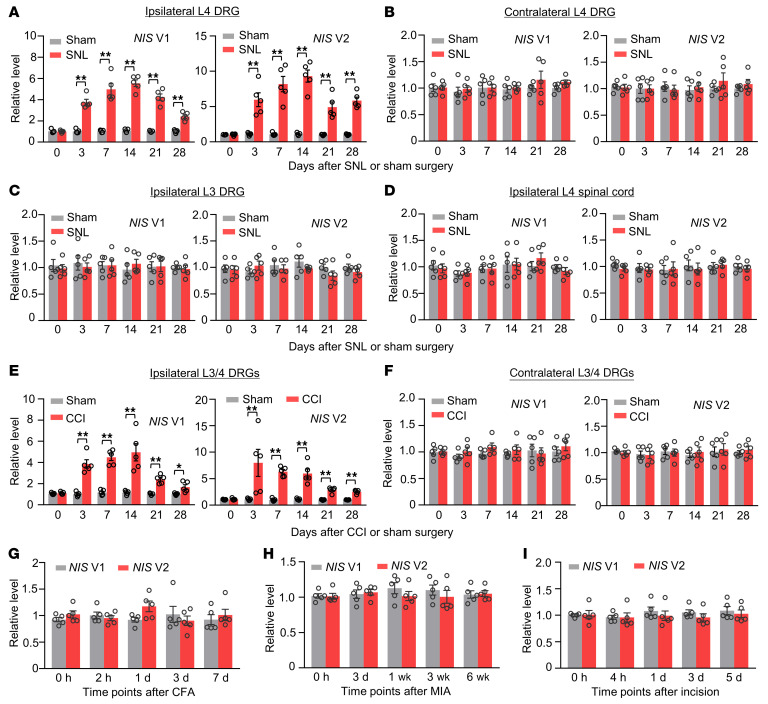
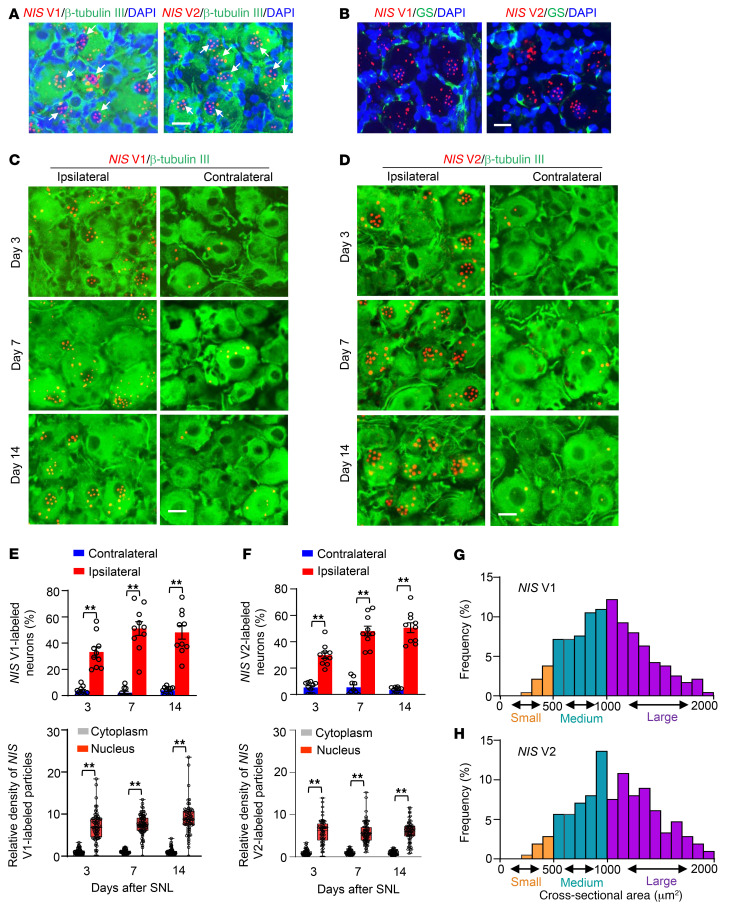
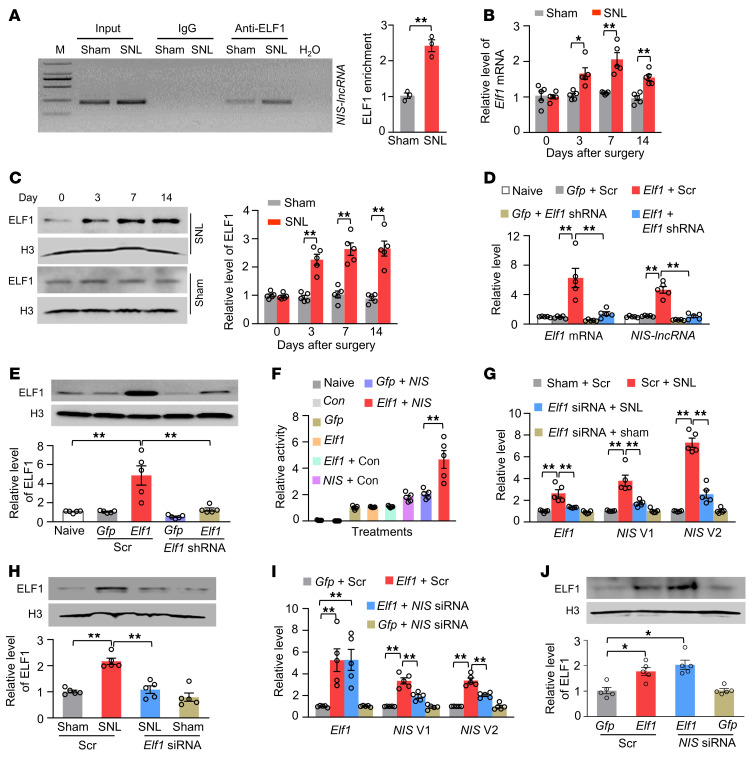
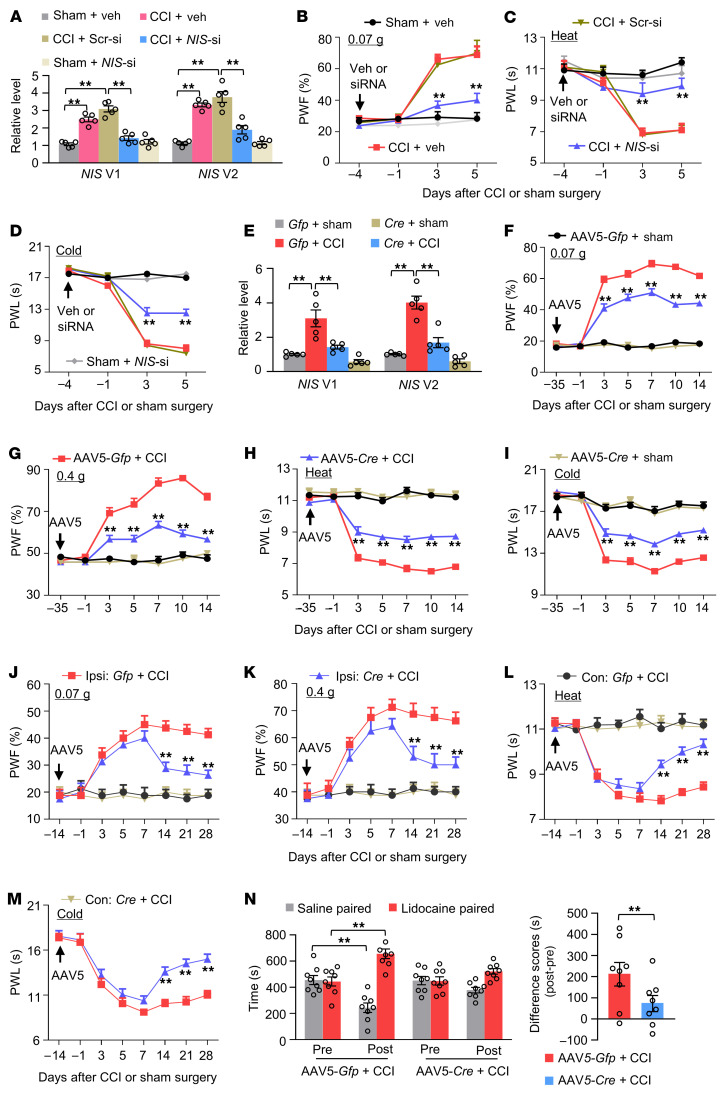
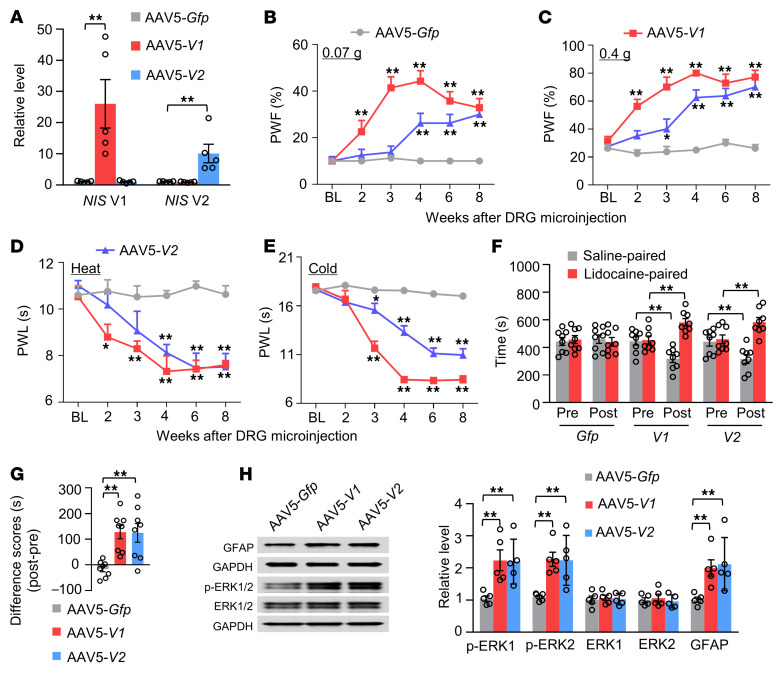
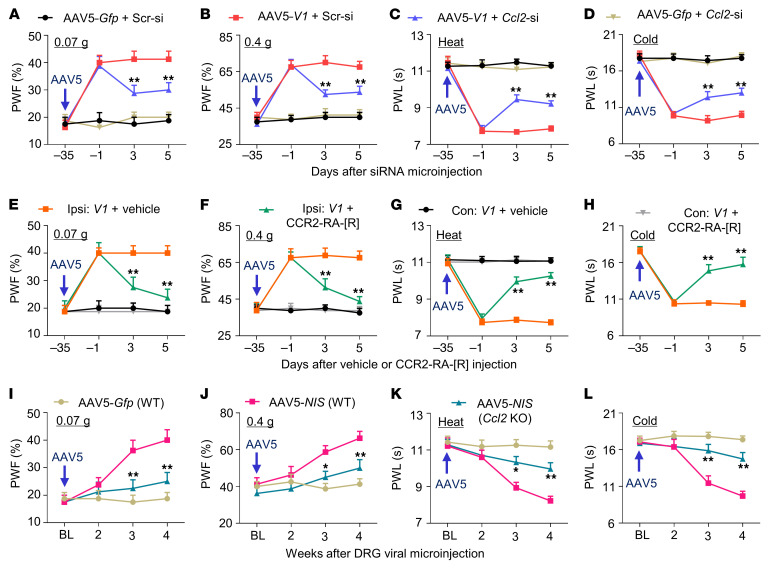
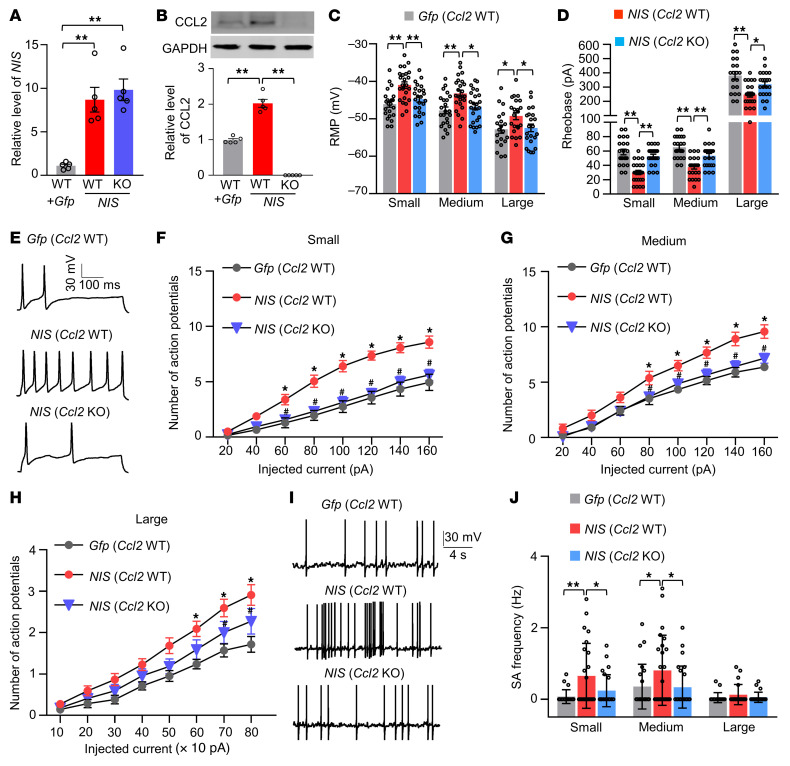
Maladaptive changes of nerve injury-associated genes in dorsal root ganglia (DRGs) are critical for neuropathic pain genesis. Emerging evidence supports the role of long noncoding RNAs (lncRNAs) in regulating gene transcription. Here we identified a conserved lncRNA, named nerve injury-specific lncRNA (NIS-lncRNA) for its upregulation in injured DRGs exclusively in response to nerve injury. This upregulation was triggered by nerve injury-induced increase in DRG ELF1, a transcription factor that bound to the NIS-lncRNA promoter. Blocking this upregulation attenuated nerve injury-induced CCL2 increase in injured DRGs and nociceptive hypersensitivity during the development and maintenance periods of neuropathic pain. Mimicking NIS-lncRNA upregulation elevated CCL2 expression, increased CCL2-mediated excitability in DRG neurons, and produced neuropathic pain symptoms. Mechanistically, NIS-lncRNA recruited more binding of the RNA-interacting protein FUS to the Ccl2 promoter and augmented Ccl2 transcription in injured DRGs. Thus, NIS-lncRNA participates in neuropathic pain likely by promoting FUS-triggered DRG Ccl2 expression and may be a potential target in neuropathic pain management.
背根神经节(DRG)中与神经损伤相关基因的适应性改变对神经性疼痛的发生至关重要。新出现的证据支持长链非编码RNA(lncRNA)在调节基因转录中的作用。在此,我们鉴定出一种保守的lncRNA,因其仅在损伤的DRG中响应神经损伤而上调,故而命名为神经损伤特异性lncRNA(NIS-lncRNA)。这种上调是由神经损伤诱导的DRG ELF1增加所触发的,ELF1是一种与NIS-lncRNA启动子结合的转录因子。阻断这种上调可减弱神经损伤诱导的损伤DRG中CCL2的增加以及神经性疼痛发展和维持期的伤害性超敏反应。模拟NIS-lncRNA上调可提高CCL2表达,增加CCL2介导的DRG神经元兴奋性,并产生神经性疼痛症状。从机制上讲,NIS-lncRNA招募更多RNA相互作用蛋白FUS与Ccl2启动子结合,并增强损伤DRG中Ccl2的转录。因此,NIS-lncRNA可能通过促进FUS触发的DRG Ccl2表达参与神经性疼痛,并且可能是神经性疼痛治疗的潜在靶点。