Laboratório de Genética e Imunologia das Infecções Virais, Departamento de Virologia, Instituto de Microbiologia Paulo de Góes, Universidade Federal do Rio de Janeiro (UFRJ), Rio de Janeiro, RJ, Brazil.
Laboratório de Virologia Molecular, Departamento de Genética, Instituto de Biologia, Universidade Federal do Rio de Janeiro (UFRJ), Rio de Janeiro, RJ, Brazil.
Antiviral Res. 2022 Sep;205:105373. doi: 10.1016/j.antiviral.2022.105373. Epub 2022 Jul 4.
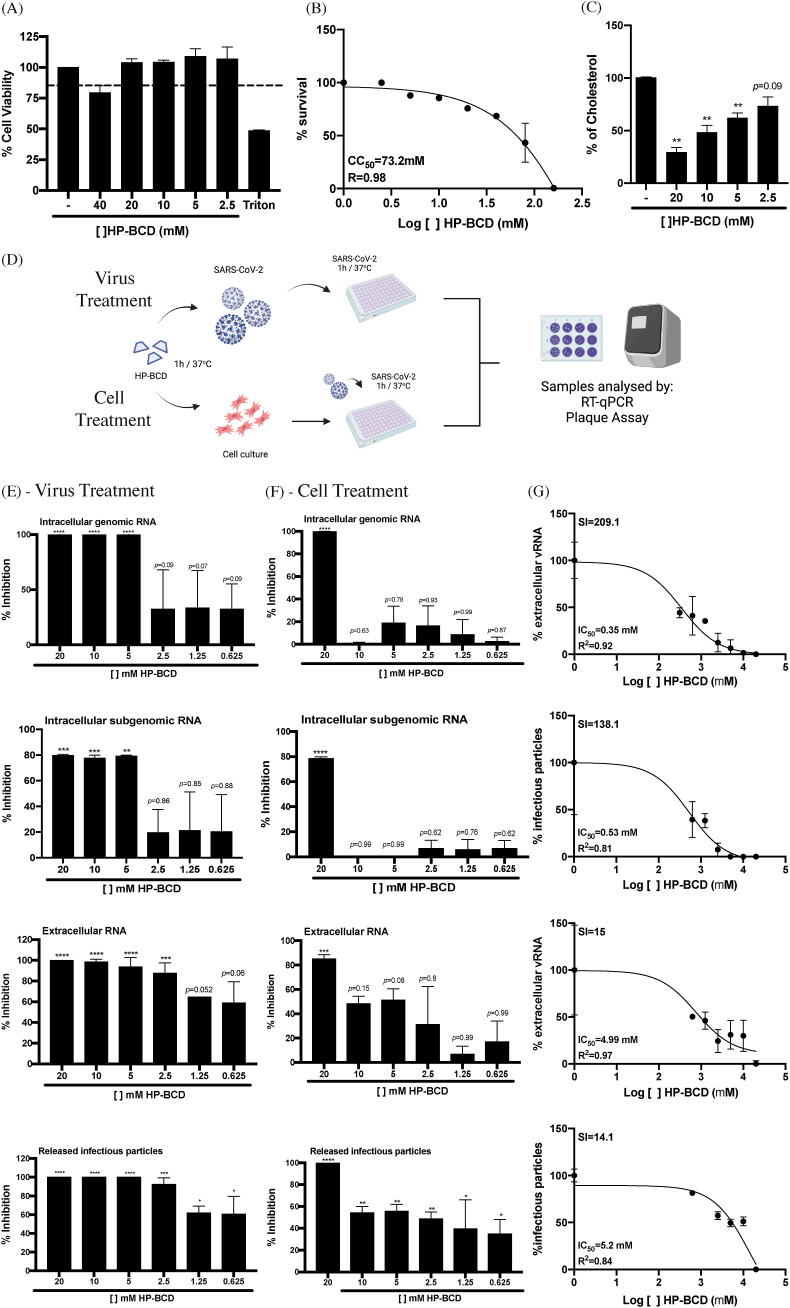
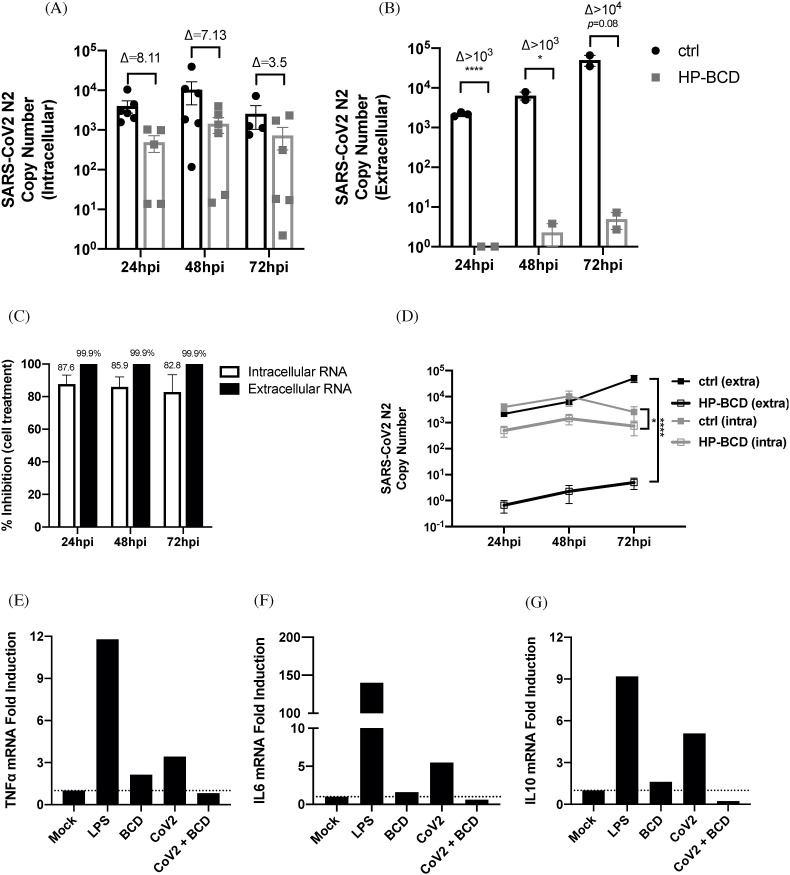
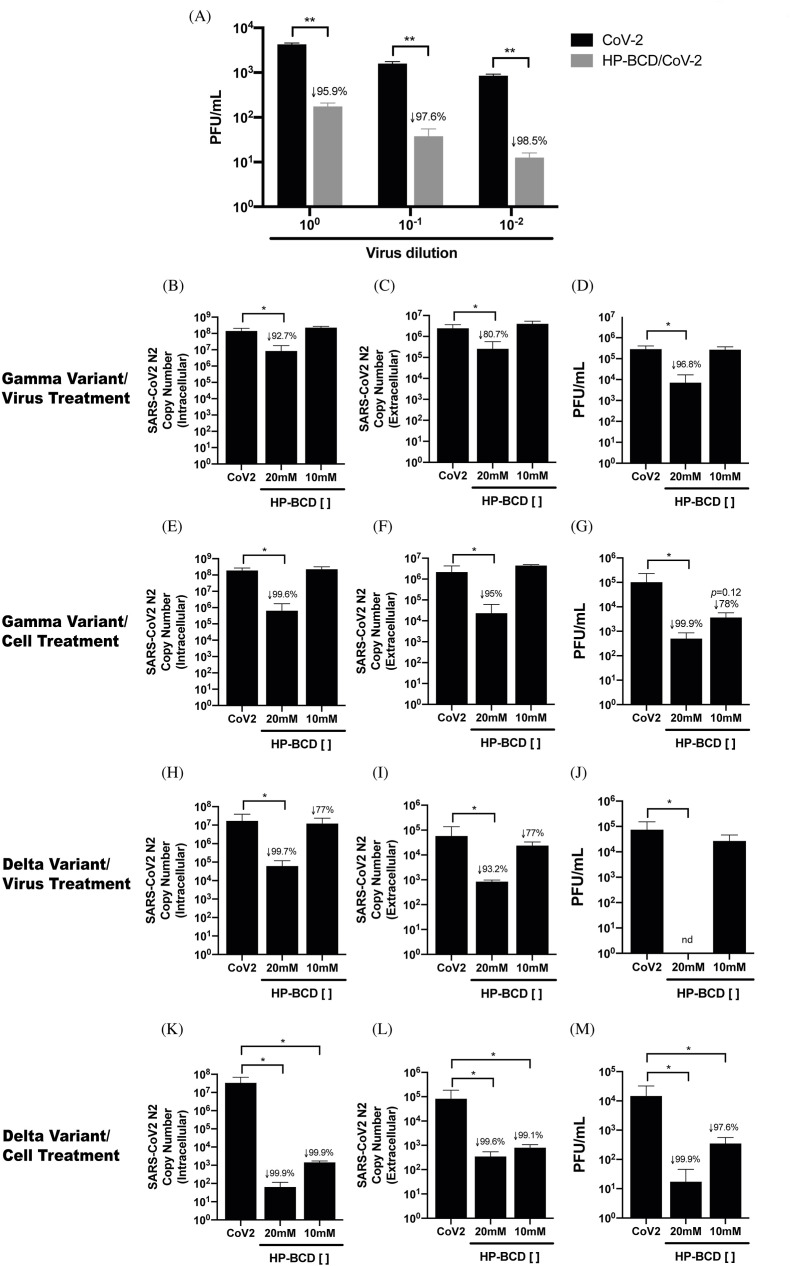
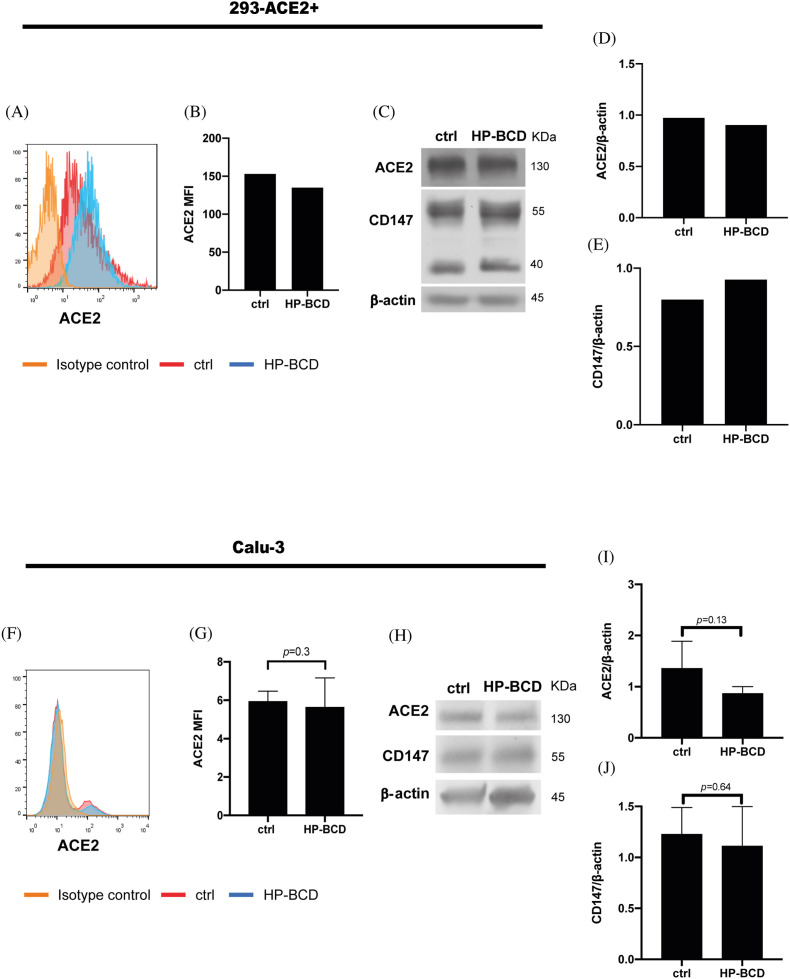
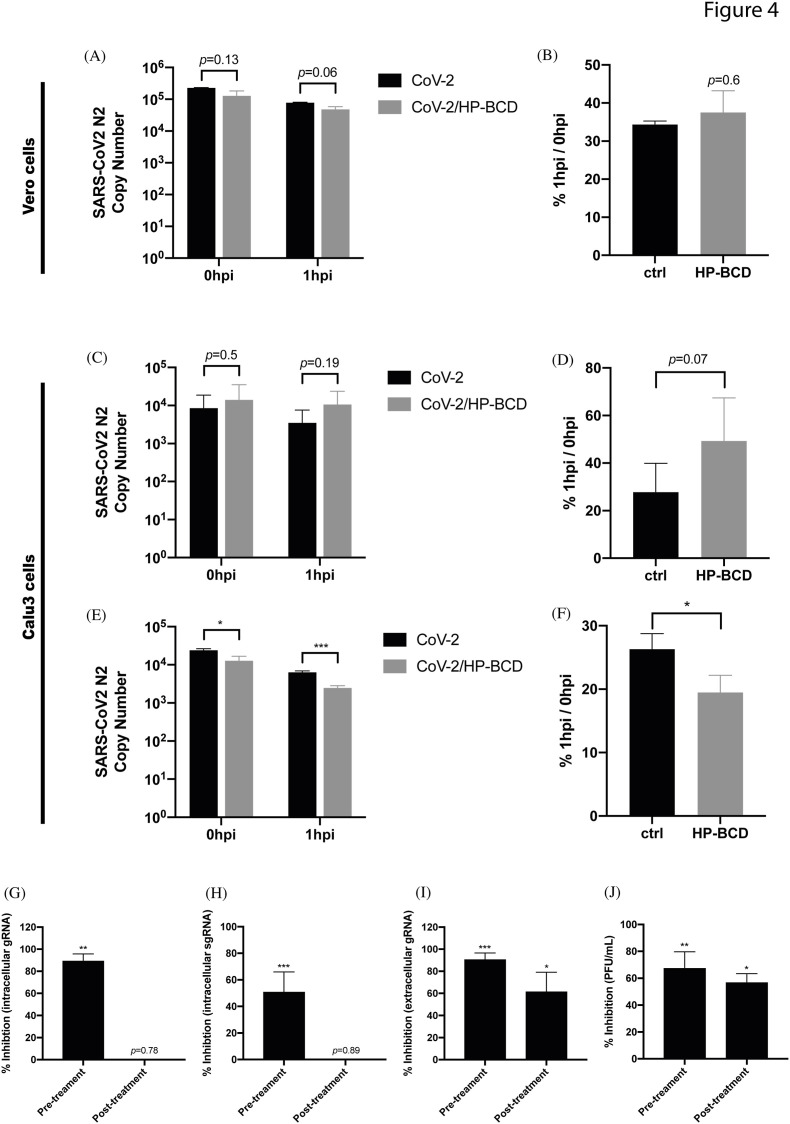
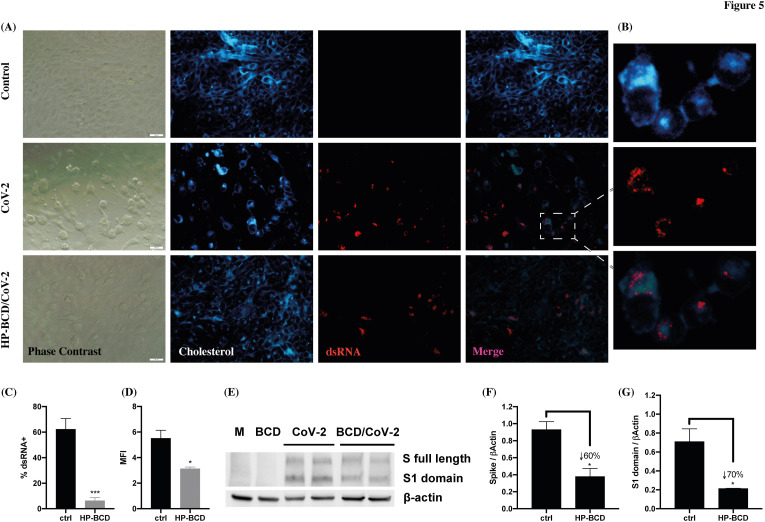
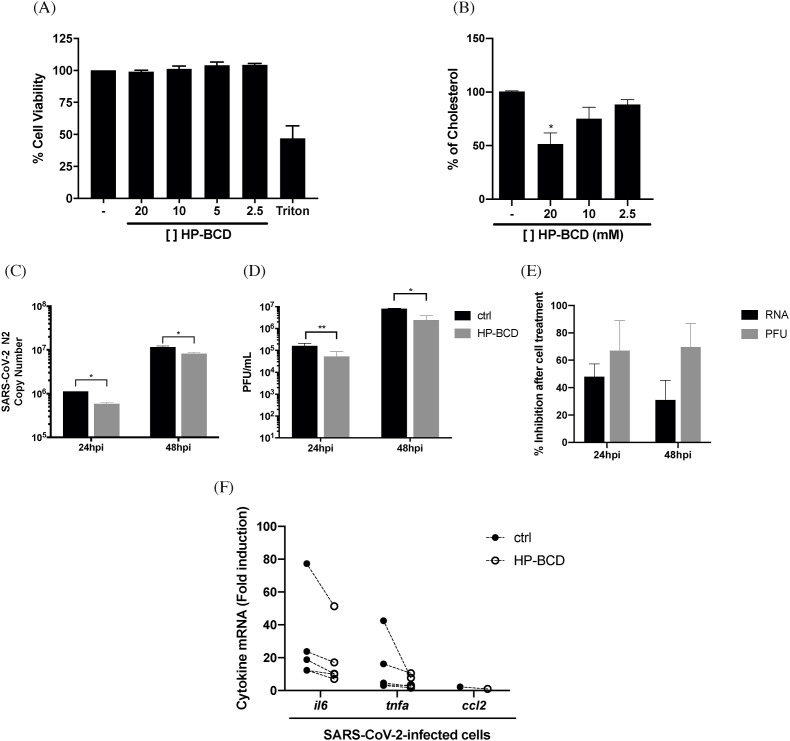
COVID-19 is marked by extensive damage to the respiratory system, often accompanied by systemic manifestations, due to both viral cytopathic effects and hyperinflammatory syndrome. Therefore, the development of new therapeutic strategies or drug repurposing aiming to control virus replication and inflammation are required to mitigate the impact of the disease. Hydroxypropyl-beta-cyclodextrin (HP-BCD) is a cholesterol-sequestering agent with antiviral activity that has been demonstrated against enveloped viruses in in vitro and in vivo experimental models. We also demonstrated that HP-BCD has an immunomodulatory effect, inhibiting the production of selected proinflammatory cytokines induced by microbial products. Importantly, this drug has been used in humans for decades as an excipient in drug delivery systems and as a therapeutic agent in the treatment of Niemann pick C disease. The safety profile for this compound is well established. Here, we investigated whether HP-BCD would affect SARS-CoV-2 replication and virus-induced inflammatory response, using established cell lines and primary human cells. Treating virus or cells with HP-BCD significantly inhibited SARS-CoV-2 replication with a high selective index. A broad activity against distinct SARS-CoV-2 variants was evidenced by a remarkable reduction in the release of infectious particles. The drug did not alter ACE2 surface expression, but affected cholesterol accumulation into intracellular replication complexes, lowering virus RNA and protein levels, and reducing virus-induced cytopathic effects. Virus replication was also impaired by HP-BCD in Calu-3 pulmonary cell line and human primary monocytes, in which not only the virus, but also the production of proinflammatory cytokines were significantly inhibited. Given the pathophysiology of COVID-19 disease, these data indicate that the use HP-BCD, which inhibits both SARS-CoV2 replication and production of proinflammatory cytokines, as a potential COVID-19 therapeutic warrants further investigation.
新型冠状病毒病(COVID-19)的特点是呼吸系统广泛受损,常伴有全身表现,这是由病毒细胞病变效应和过度炎症综合征共同引起的。因此,需要开发新的治疗策略或药物再利用,以控制病毒复制和炎症,从而减轻疾病的影响。羟丙基-β-环糊精(HP-BCD)是一种具有抗病毒活性的胆固醇螯合剂,已在体外和体内实验模型中证明对包膜病毒有效。我们还证明了 HP-BCD 具有免疫调节作用,可抑制微生物产物诱导的某些促炎细胞因子的产生。重要的是,这种药物已在人类中使用了数十年,作为药物递送系统中的赋形剂,并作为尼曼匹克 C 病治疗的治疗剂。该化合物的安全性已得到充分证实。在这里,我们使用已建立的细胞系和原代人细胞研究了 HP-BCD 是否会影响 SARS-CoV-2 的复制和病毒诱导的炎症反应。用 HP-BCD 处理病毒或细胞可显著抑制 SARS-CoV-2 复制,具有高选择性指数。通过显著减少传染性颗粒的释放,证明该药物对不同的 SARS-CoV-2 变体具有广泛的活性。该药物不会改变 ACE2 表面表达,但会影响胆固醇在细胞内复制复合物中的积累,从而降低病毒 RNA 和蛋白质水平,并减少病毒引起的细胞病变作用。HP-BCD 还可抑制 Calu-3 肺细胞系和人原代单核细胞中的病毒复制,其中不仅病毒,而且促炎细胞因子的产生也受到显著抑制。鉴于 COVID-19 疾病的病理生理学,这些数据表明,抑制 SARS-CoV2 复制和促炎细胞因子产生的 HP-BCD 的使用作为一种潜在的 COVID-19 治疗方法值得进一步研究。