School of Chemistry, Raymond and Beverly Sackler Faculty of Exact Sciences, Tel Aviv University, Tel Aviv 6997801, Israel.
J Org Chem. 2022 Aug 5;87(15):9688-9698. doi: 10.1021/acs.joc.2c00745. Epub 2022 Jul 8.
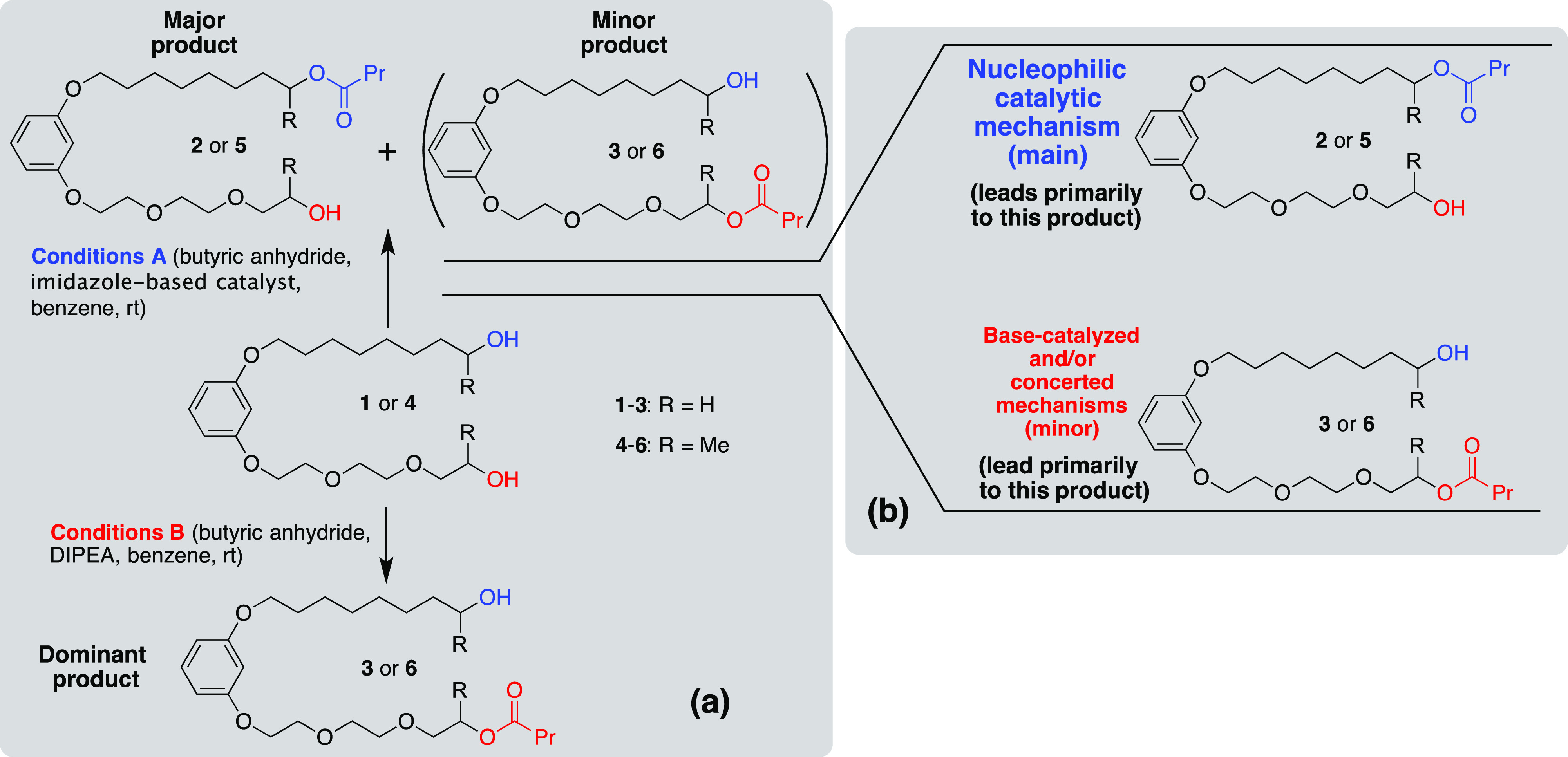
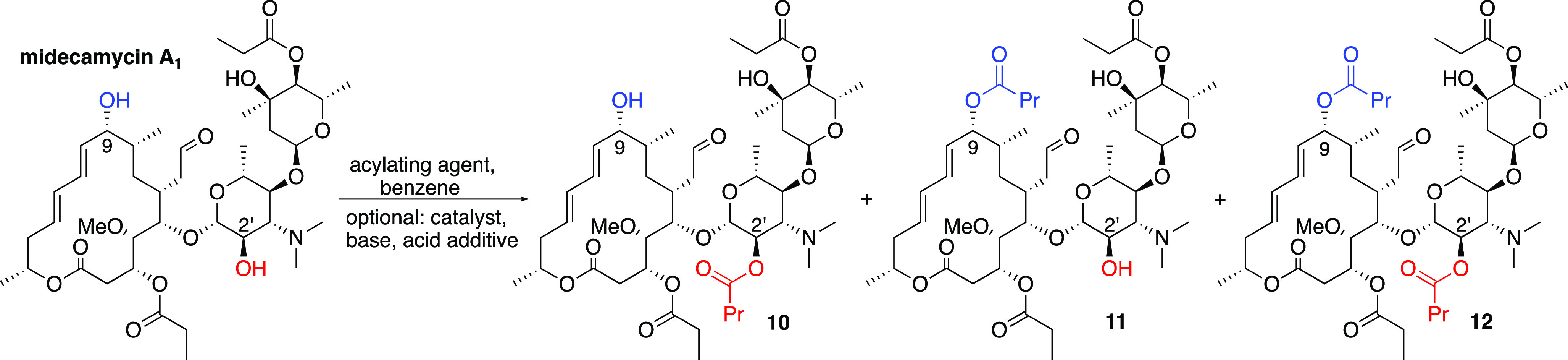
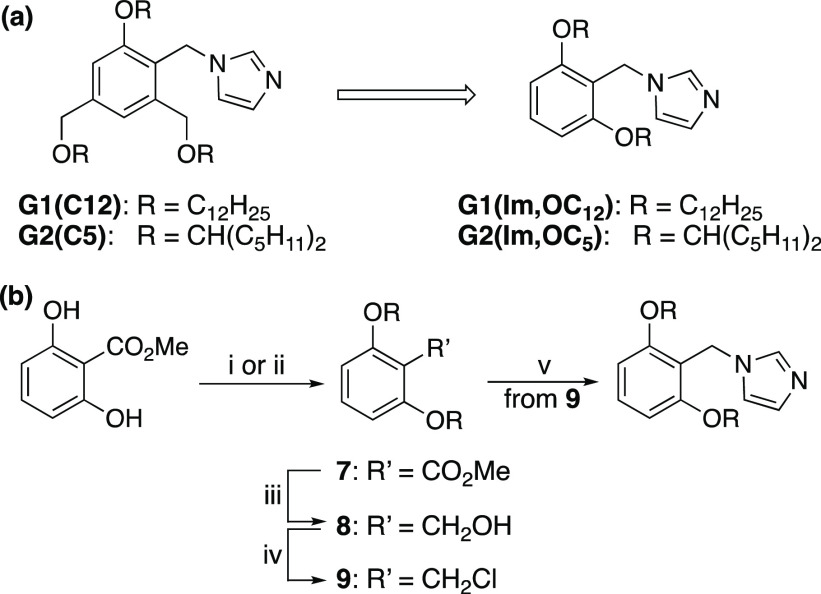
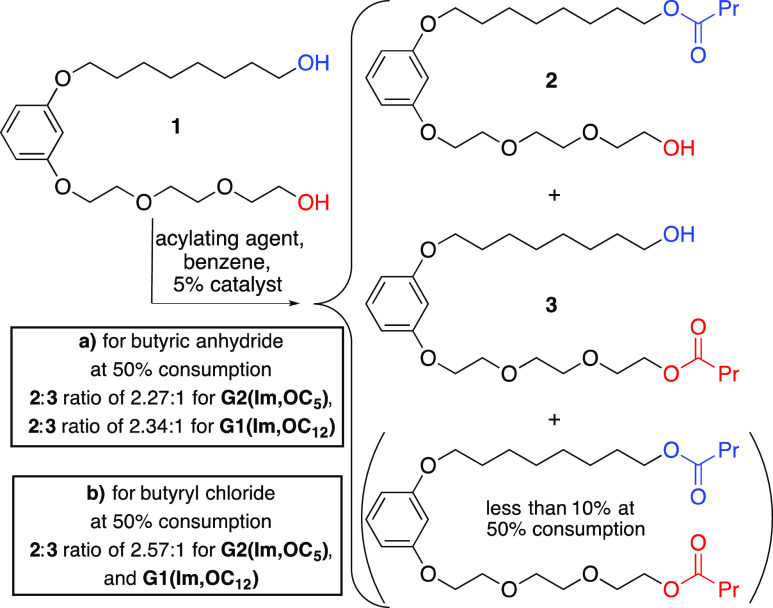
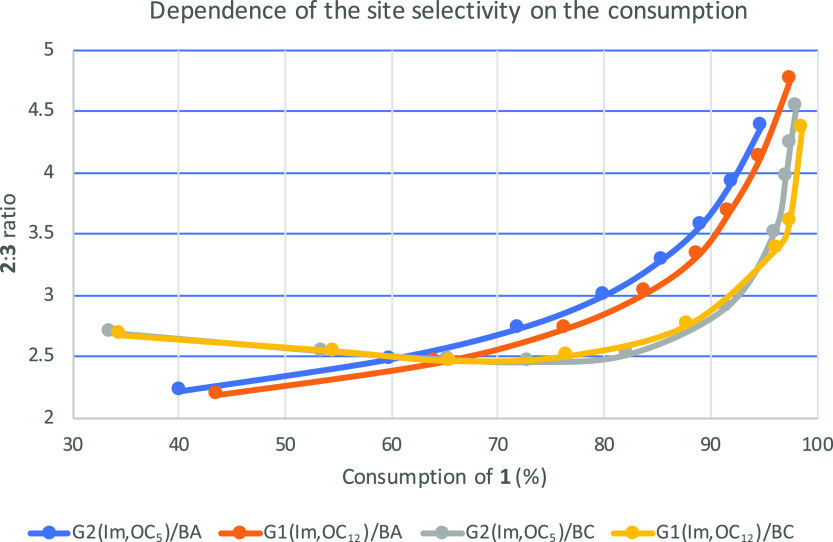
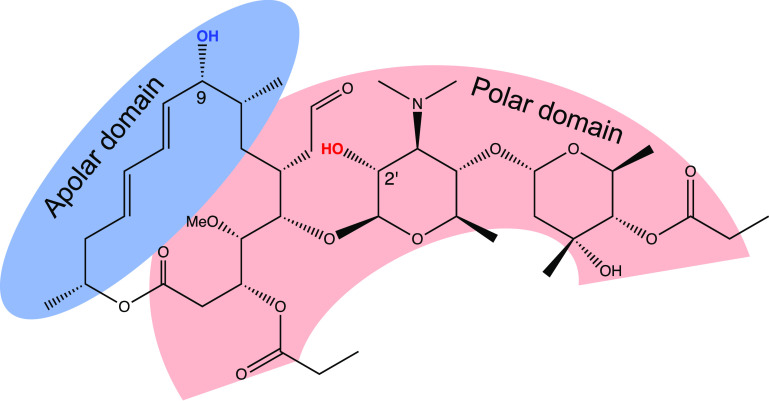
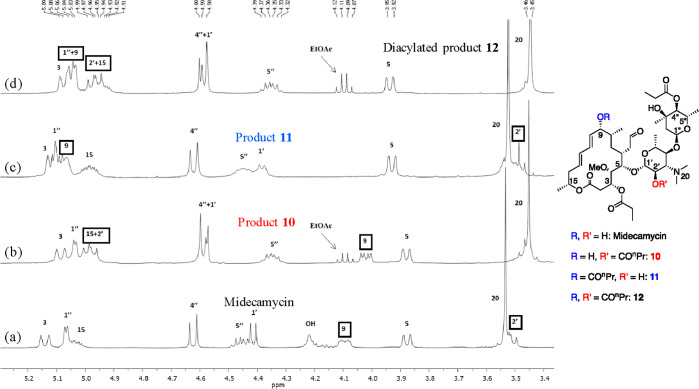
Seeking to improve the site selectivity of acylation of amphiphilic diols, which is induced by imidazole-based nucleophilic catalysts and directs the reaction toward apolar sites, as we recently reported, we examined a new improved catalytic design and an alteration of the acylating agent. The new catalysts performed slightly better selectivity-wise in the model reaction, compared to the previous set, but notably could be prepared in a much more synthetically economic way. The change of the acylating agent from anhydride to acyl chloride, particularly in combination with the new catalysts, accelerated the reaction and increased the selectivity in favor of the apolar site. The new selectivity-inducing techniques were applied to midecamycin, a natural amphiphilic antibiotic possessing a secondary alcohol moiety in each of its two domains, polar as well as apolar. In the case of the anhydride, a basic dimethylamino group, decorating this substrate, overrides the catalyst's selectivity preference and forces selective acylation of the alcohol in the polar domain with a more than 91:1 ratio of the monoacylated products. To counteract the internal base influence, an acid additive was used or the acylating agent was changed to acyl chloride. The latter adjustment leads, in combination with our best catalyst, to the reversal of the ratio between the products to 1:11.
为了提高我们最近报道的由咪唑基亲核催化剂诱导的、引导反应朝向非极性部位的两亲性二醇酰化反应的位点选择性,我们研究了一种新的改进的催化设计和酰化剂的改变。与之前的一组相比,新的催化剂在模型反应中在选择性方面略有提高,但值得注意的是,它们可以以更具合成经济性的方式制备。酰化剂从酐变为酰氯,特别是与新催化剂结合使用,加速了反应并增加了有利于非极性部位的选择性。新的诱导选择性技术应用于米地卡霉素,一种天然的两亲性抗生素,在其两个结构域中的每一个都具有一个仲醇部分,既有极性又有非极性。在酐的情况下,修饰该底物的碱性二甲氨基基团会覆盖催化剂的选择性偏好,并迫使极性结构域中的醇进行选择性酰化,单酰化产物的比例超过 91:1。为了抵消内部碱的影响,使用了酸添加剂或改变了酰化剂为酰氯。后一种调整与我们最好的催化剂结合使用,导致产物之间的比例从 1:11 反转。