Rehman Obaid, Uzair Muhammad, Chao Haoyu, Khan Muhammad Ramzan, Chen Ming
Department of Bioinformatics, College of Life Sciences, Zhejiang University, Hangzhou, China.
National Institute for Genomics and Advanced Biotechnology, National Agricultural Research Centre, Islamabad, Pakistan.
Front Plant Sci. 2022 Jun 23;13:892729. doi: 10.3389/fpls.2022.892729. eCollection 2022.
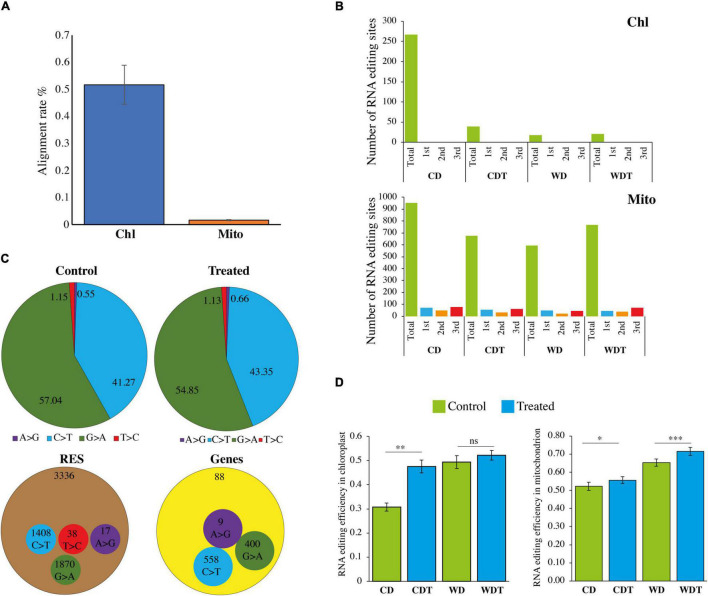
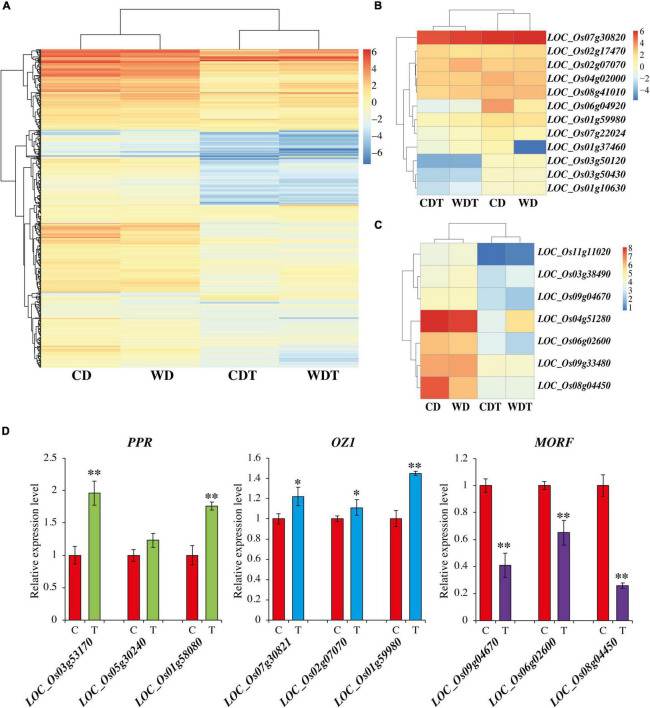
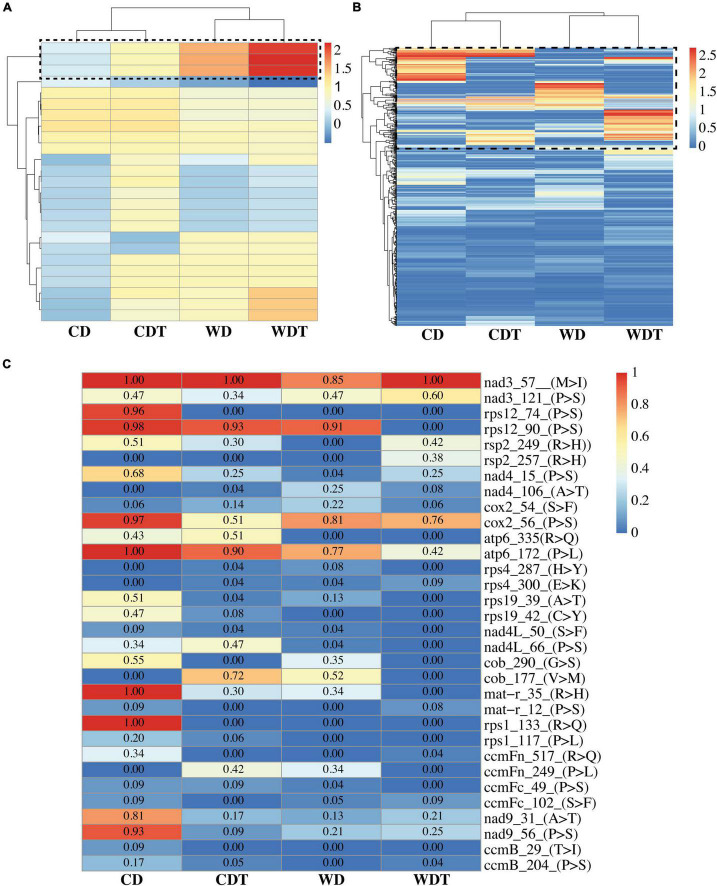
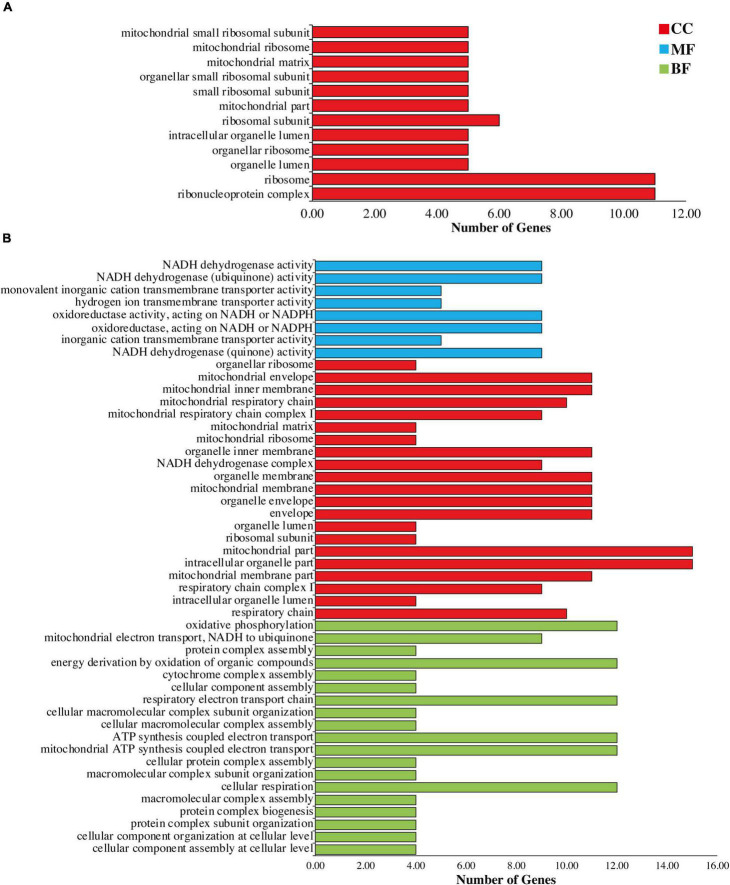
Ribonucleic acid editing (RE) is a post-transcriptional process that altered the genetics of RNA which provide the extra level of gene expression through insertion, deletions, and substitutions. In animals, it converts nucleotide residues C-U. Similarly in plants, the role of RNA editing sites (RES) in rice under alkaline stress is not fully studied. Rice is a staple food for most of the world population. Alkaline stress cause reduction in yield. Here, we explored the effect of alkaline stress on RES in the whole mRNA from rice chloroplast and mitochondria. Ribonucleic acid editing sites in both genomes (3336 RESs) including chloroplast (345 RESs) and mitochondria (2991 RESs) with average RES efficiency ∼55% were predicted. Our findings showed that majority of editing events found in non-synonymous codon changes and change trend in amino acids was hydrophobic. Four types of RNA editing A-G (A-I), C-T (C-U), G-A, and T-C were identified in treated and untreated samples. Overall, RNA editing efficiency was increased in the treated samples. Analysis of Gene Ontology revealed that mapped genes were engaged in many biological functions and molecular processes. We also checked the expression of pentatricopeptide repeat (), organelle zinc-finger (), and multiple organellar RNA editing factors/RNA editing factor interacting proteins genes in control and treatment, results revealed upregulation of and genes in treated samples. This induction showed the role of these genes in RNA editing. The current findings report that RNA editing increased under alkaline stress which may contribute in adaptation for rice by changing amino acids in edited genes (88 genes). These findings will provide basis for identification of RES in other crops and also will be useful in alkaline tolerance development in rice.
核糖核酸编辑(RE)是一种转录后过程,它改变RNA的遗传信息,通过插入、缺失和替换提供额外的基因表达水平。在动物中,它将核苷酸残基C转化为U。同样,在植物中,碱性胁迫下水稻中RNA编辑位点(RES)的作用尚未得到充分研究。水稻是世界上大多数人口的主食。碱性胁迫会导致产量下降。在这里,我们探讨了碱性胁迫对水稻叶绿体和线粒体全mRNA中RES的影响。预测了两个基因组(3336个RES)中的核糖核酸编辑位点,包括叶绿体(345个RES)和线粒体(2991个RES),平均RES效率约为55%。我们的研究结果表明,大多数编辑事件发生在非同义密码子变化中,氨基酸的变化趋势是疏水的。在处理和未处理的样品中鉴定出四种类型的RNA编辑A-G(A-I)、C-T(C-U)、G-A和T-C。总体而言,处理后样品中的RNA编辑效率有所提高。基因本体分析表明,映射的基因参与了许多生物学功能和分子过程。我们还检测了五肽重复序列()、细胞器锌指()和多个细胞器RNA编辑因子/RNA编辑因子相互作用蛋白基因在对照和处理中的表达,结果显示处理后样品中 和 基因上调。这种诱导表明了这些基因在RNA编辑中的作用。目前的研究结果报告称,碱性胁迫下RNA编辑增加,这可能通过改变编辑基因(88个基因)中的氨基酸来促进水稻的适应。这些发现将为其他作物中RES的鉴定提供基础,也将有助于水稻耐碱性的发展。