Huang Wen-Qi, Huang Hong-Li, Peng Wu, Liu Yan-Di, Zhou You-Lian, Xu Hao-Ming, Zhang Liang-Jie, Zhao Chong, Nie Yu-Qiang
Department of Gastroenterology, School of Medicine, The Second Affiliated Hospital, South China University of Technology, Guangzhou, China.
Department of Gastroenterology, Guangzhou Digestive Disease Center, Guangzhou First People's Hospital, Guangzhou, China.
Front Microbiol. 2022 Jun 22;13:873018. doi: 10.3389/fmicb.2022.873018. eCollection 2022.
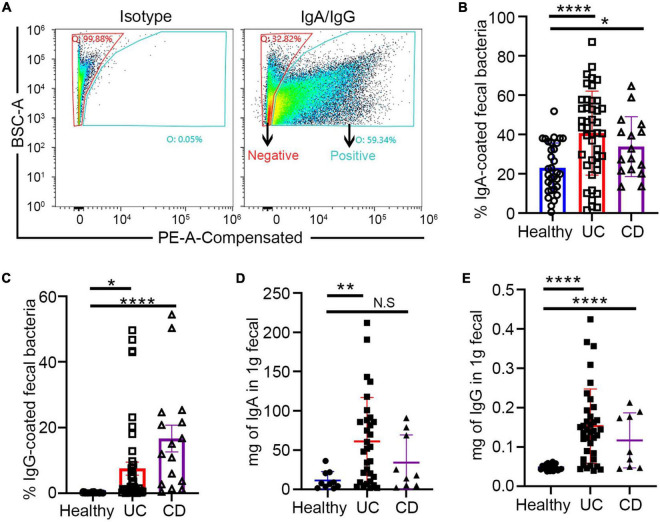
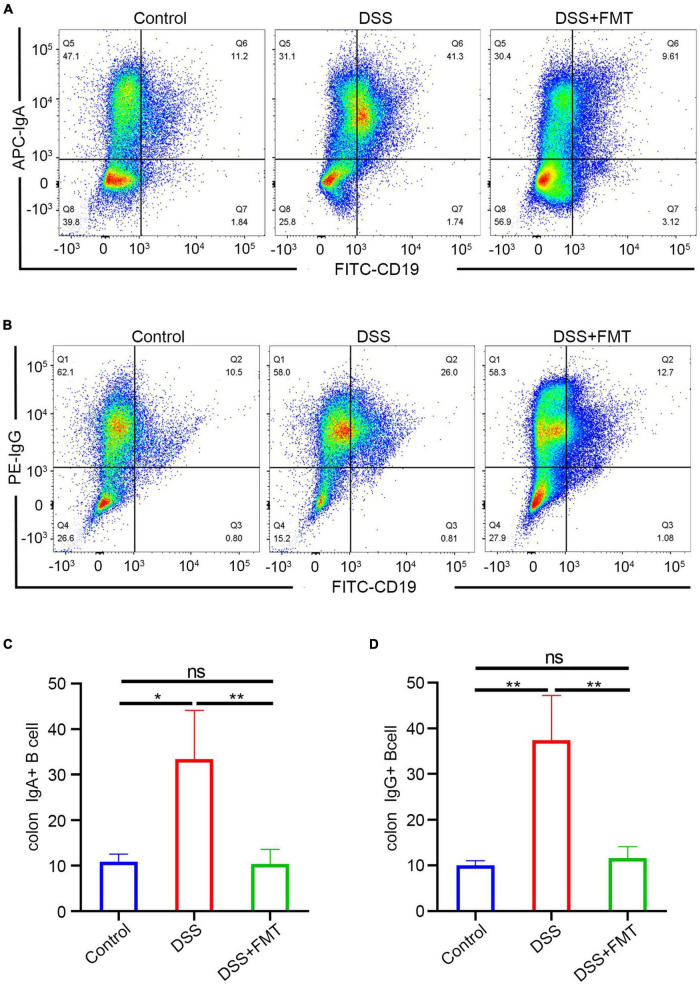
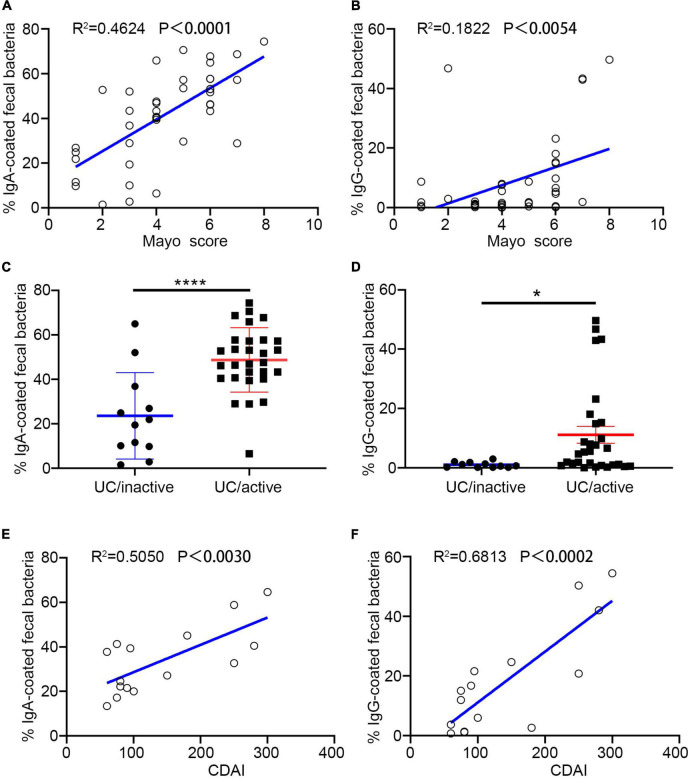
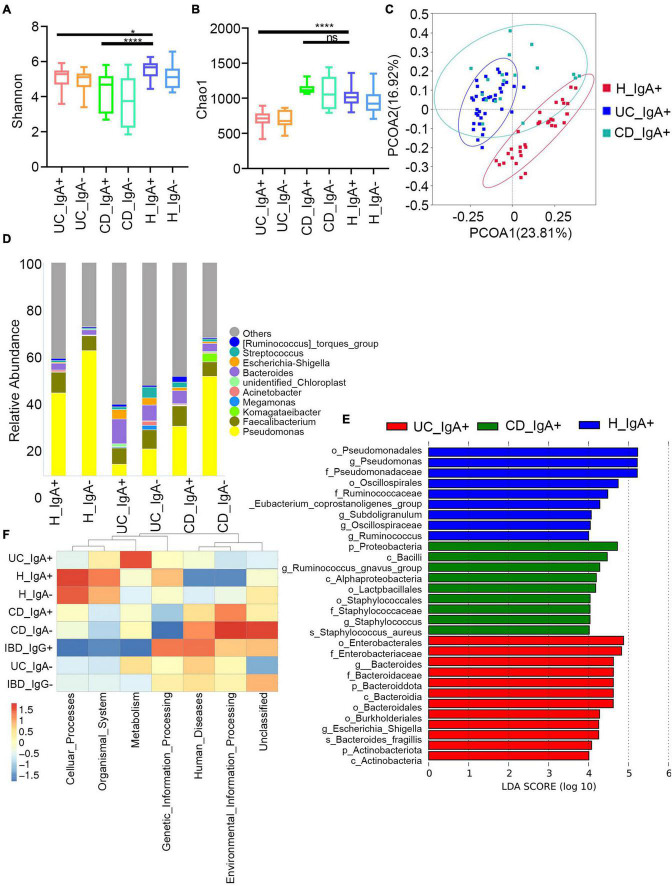
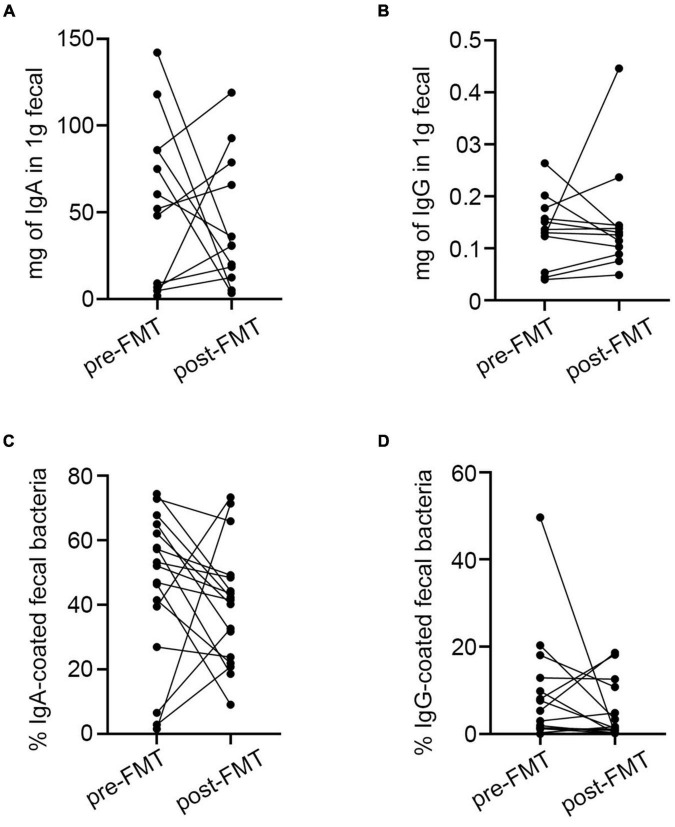
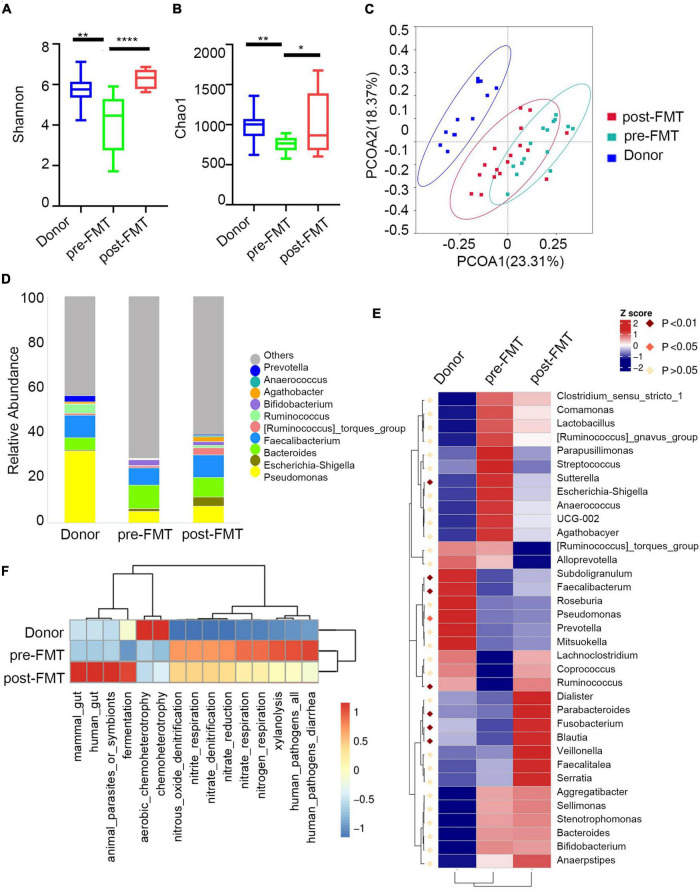
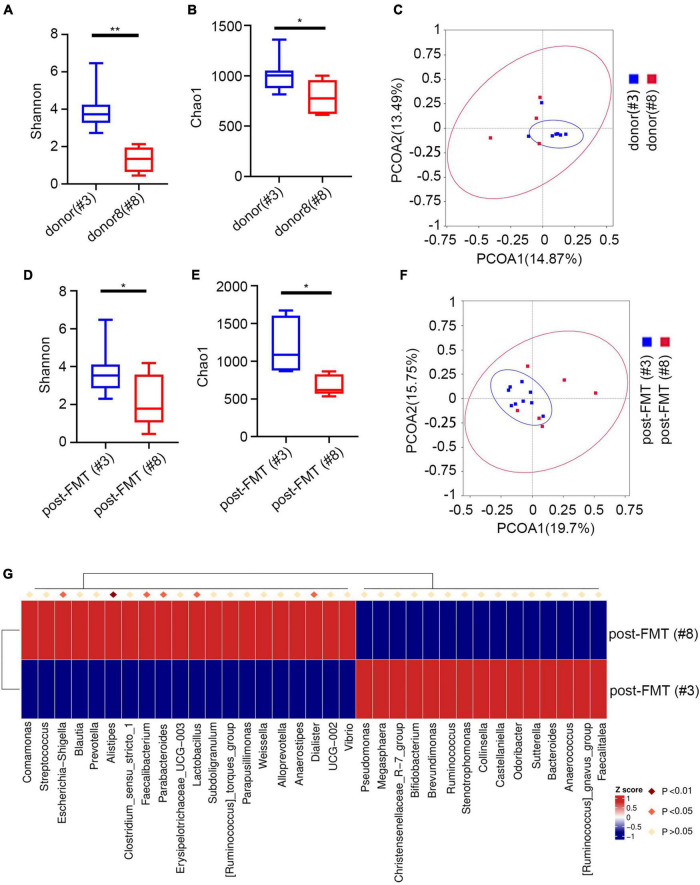
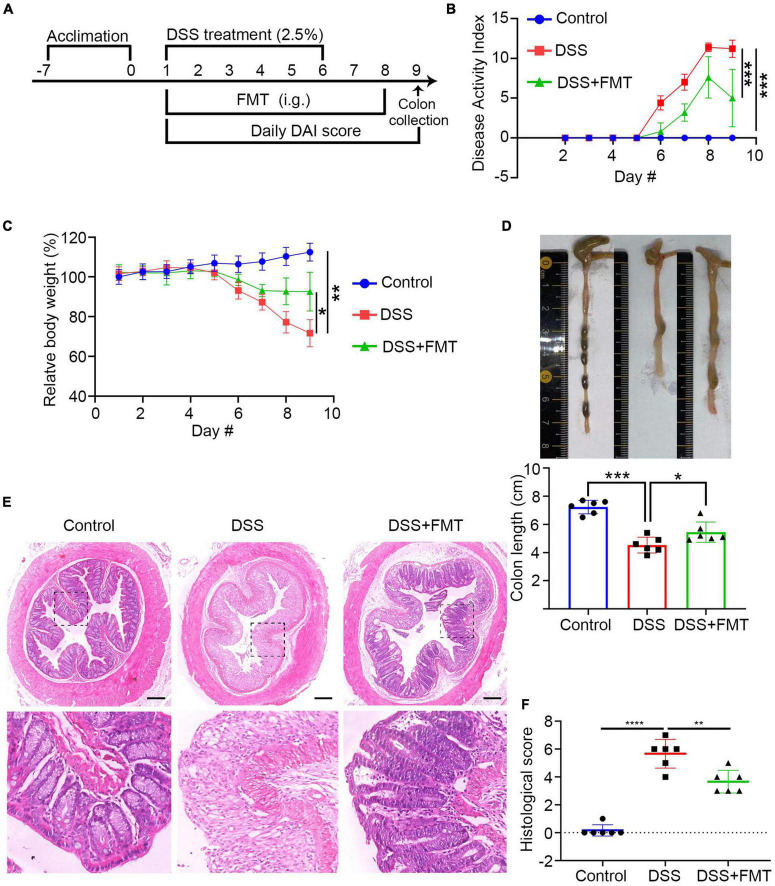
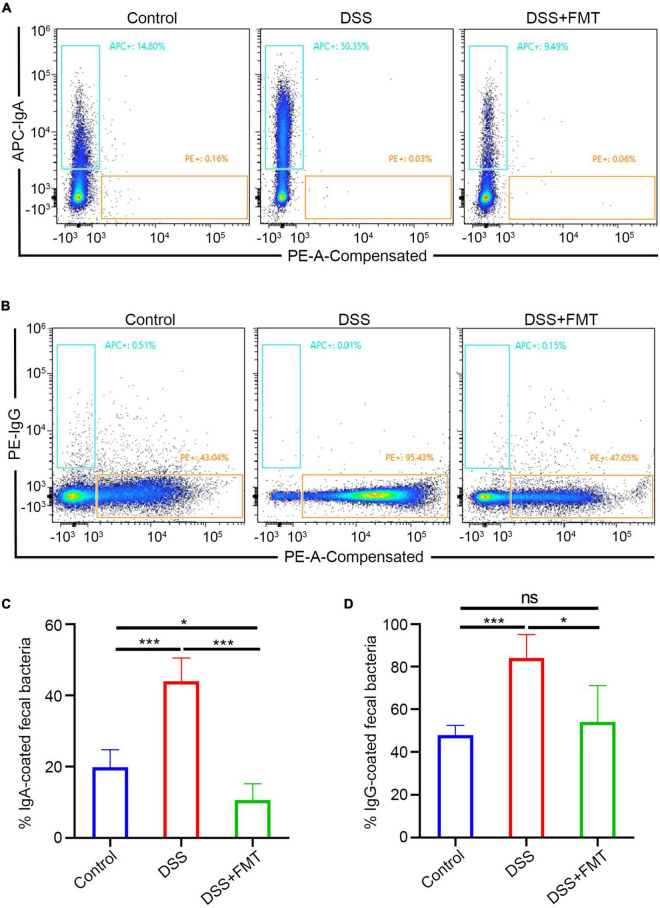
Adaptive immune response to the gut microbiota is one of the main drivers of inflammatory bowel disease (IBD). Under inflammatory conditions, immunoglobulin (Ig)-targeted bacteria are altered. However, changes in Ig-targeted bacteria in Asian patients with IBD with ulcerative colitis (UC) remain unclear. Furthermore, changes in IgA-targeted bacteria in patients with UC treated with fecal microbiota transplantation (FMT) are unclear. Here, we analyzed fecal samples of patients with IBD and patients with UC before and after FMT by flow cytometry. We found that the percentage of IgA/G-coated bacteria can be used to assess the severity of IBD. Besides oral pharyngeal bacteria such as , we hypothesized that , , and, especially, might play an important role in IBD pathogenesis. Moreover, we evaluated the influence of FMT on IgA-coated bacteria in patients with UC. We found that IgA-bacterial interactions were re-established in human FMT recipients and resembled those in the healthy fecal donors. Additionally, the IgA targeting was not influenced by delivery methods: gastroscopy spraying and colonic transendoscopic enteral tubing (TET). Then, we established an acute dextran sulfate sodium (DSS)-induced mouse model to explore whether FMT intervention would impact IgA/G memory B cell in the intestine. We found that after FMT, both IgA/G memory B cell and the percentage of IgA/G-targeted bacteria were restored to normal levels in DSS mice.
对肠道微生物群的适应性免疫反应是炎症性肠病(IBD)的主要驱动因素之一。在炎症条件下,免疫球蛋白(Ig)靶向的细菌会发生改变。然而,亚洲溃疡性结肠炎(UC)患者中Ig靶向细菌的变化仍不清楚。此外,接受粪便微生物群移植(FMT)治疗的UC患者中IgA靶向细菌的变化也不清楚。在此,我们通过流式细胞术分析了IBD患者和FMT前后UC患者的粪便样本。我们发现IgA/G包被细菌的百分比可用于评估IBD的严重程度。除了口腔咽部细菌如 ,我们推测 、 ,尤其是 可能在IBD发病机制中起重要作用。此外,我们评估了FMT对UC患者中IgA包被细菌的影响。我们发现,在接受人类FMT的受者中,IgA与细菌的相互作用得以重新建立,且类似于健康粪便供体中的相互作用。此外,IgA靶向不受给药方式的影响:胃镜喷洒和结肠经内镜肠内导管(TET)。然后,我们建立了急性葡聚糖硫酸钠(DSS)诱导的小鼠模型,以探讨FMT干预是否会影响肠道中的IgA/G记忆B细胞。我们发现,FMT后,DSS小鼠中的IgA/G记忆B细胞和IgA/G靶向细菌的百分比均恢复到正常水平。