Department of Forensic Medicine and Toxicology, Faculty of Veterinary Medicine, Benha University, Toukh, 13736, Egypt.
Agricultural Research Center, Animal Health Research Institute, (Benha Branch), Benha, 13512, Egypt.
Biol Trace Elem Res. 2023 May;201(5):2650-2664. doi: 10.1007/s12011-022-03353-w. Epub 2022 Jul 13.
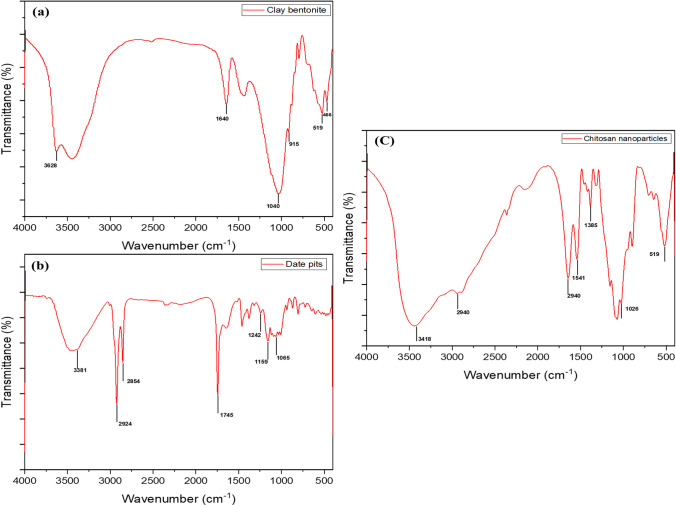
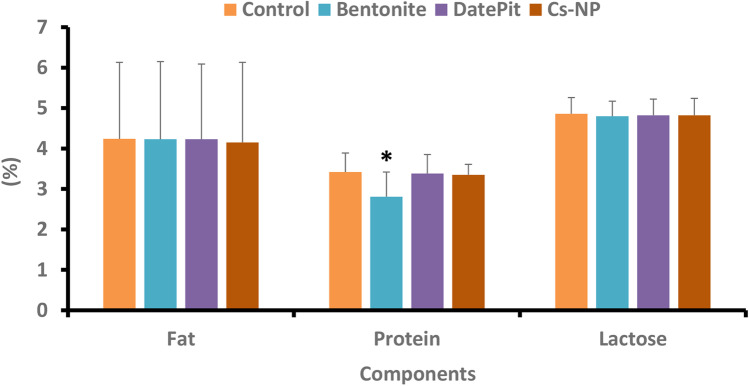
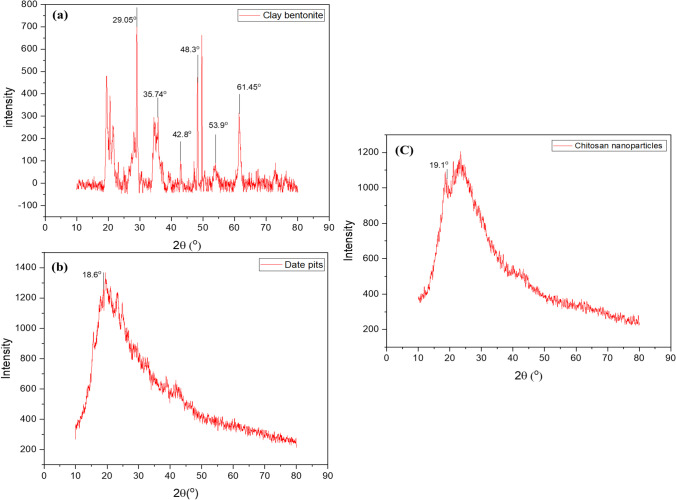
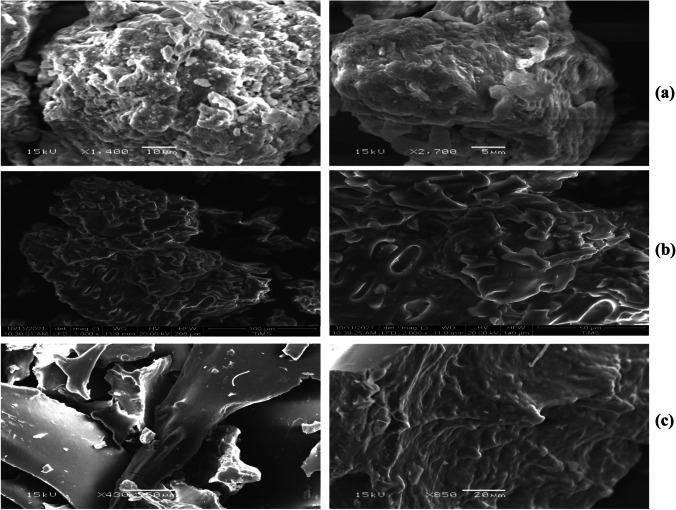
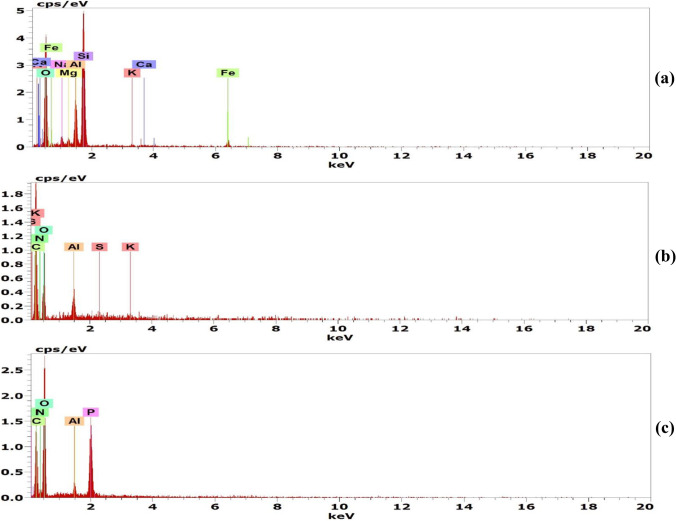
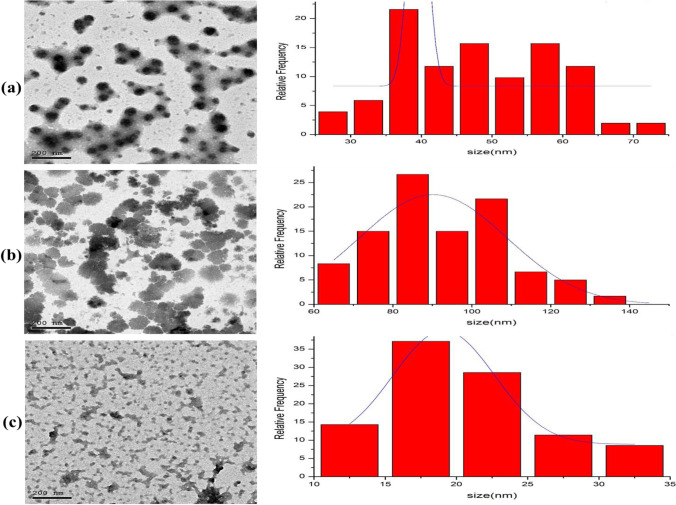
Evaluating residual lead (Pb) and cadmium (Cd) levels in food products, especially milk, is critical for product safety and quality. In this purview, the current study aims to determine Pb and Cd concentrations in milk using atomic absorption spectrophotometry and compare their values with international standards. In addition, it aims to remove these metals from milk samples using low-cost, naturally occurring materials, such as bentonite, date pit, and chitosan nanoparticles. The ability of potential adsorbents was also investigated using Fourier transform infrared spectroscopy (FTIR), X-ray diffraction (XRD), scanning electron microscopy (SEM), energy-dispersive X-ray (EDX), and transmission electron microscope (TEM). Moreover, their impact on milk's nutritional properties was considered. The results revealed that most milk samples contained Pb and Cd, with mean values of 0.237 ± 0.179 and 0.041 ± 0.036 mg/kg, respectively. Furthermore, the three possible adsorbents demonstrated high sequestering ability due to their existing functional groups; the adsorption capacity of bentonite to Pb and Cd was 84 and 88%, date pit was 97 and 93%, and chitosan nanoparticles were 82 and 98%, respectively, with no discernible change in milk nutritional contents. In conclusion, the bentonite, date pit, and chitosan nanoparticles were found to be significantly effective and safe in removing hazardous trace elements (Pb and Cd) from contaminated milk.
评估食品(尤其是牛奶)中的残留铅(Pb)和镉(Cd)水平对于产品安全和质量至关重要。在本研究中,我们旨在使用原子吸收分光光度法测定牛奶中的 Pb 和 Cd 浓度,并将其与国际标准进行比较。此外,我们还旨在使用廉价的天然材料(如膨润土、椰枣核和壳聚糖纳米粒子)从牛奶样品中去除这些金属。还使用傅里叶变换红外光谱(FTIR)、X 射线衍射(XRD)、扫描电子显微镜(SEM)、能谱(EDX)和透射电子显微镜(TEM)研究了潜在吸附剂的能力。此外,还考虑了它们对牛奶营养特性的影响。结果表明,大多数牛奶样品中均含有 Pb 和 Cd,其平均值分别为 0.237±0.179 和 0.041±0.036mg/kg。此外,由于三种可能的吸附剂都存在功能基团,因此它们具有很高的螯合能力;膨润土对 Pb 和 Cd 的吸附能力分别为 84%和 88%,椰枣核为 97%和 93%,壳聚糖纳米粒子为 82%和 98%,且牛奶营养成分没有明显变化。总之,膨润土、椰枣核和壳聚糖纳米粒子在去除污染牛奶中的有害微量元素(Pb 和 Cd)方面被发现是非常有效和安全的。