Molecular Pathology, International Centre for Genetic and Engineering Biotechnology (ICGEB), Trieste, Italy.
Department of Life Sciences, University of Trieste, Trieste, Italy.
J Biol Chem. 2022 Aug;298(8):102252. doi: 10.1016/j.jbc.2022.102252. Epub 2022 Jul 12.
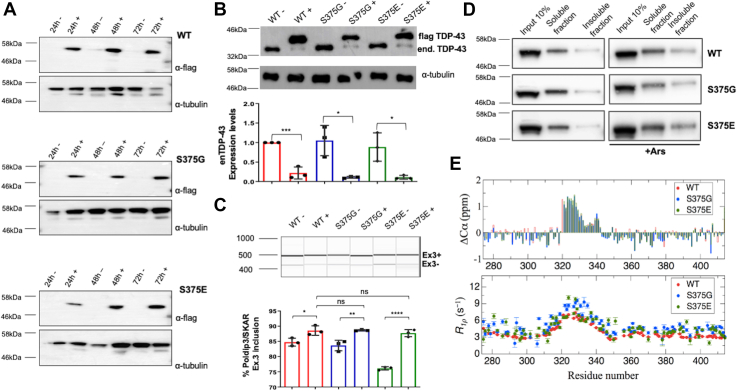
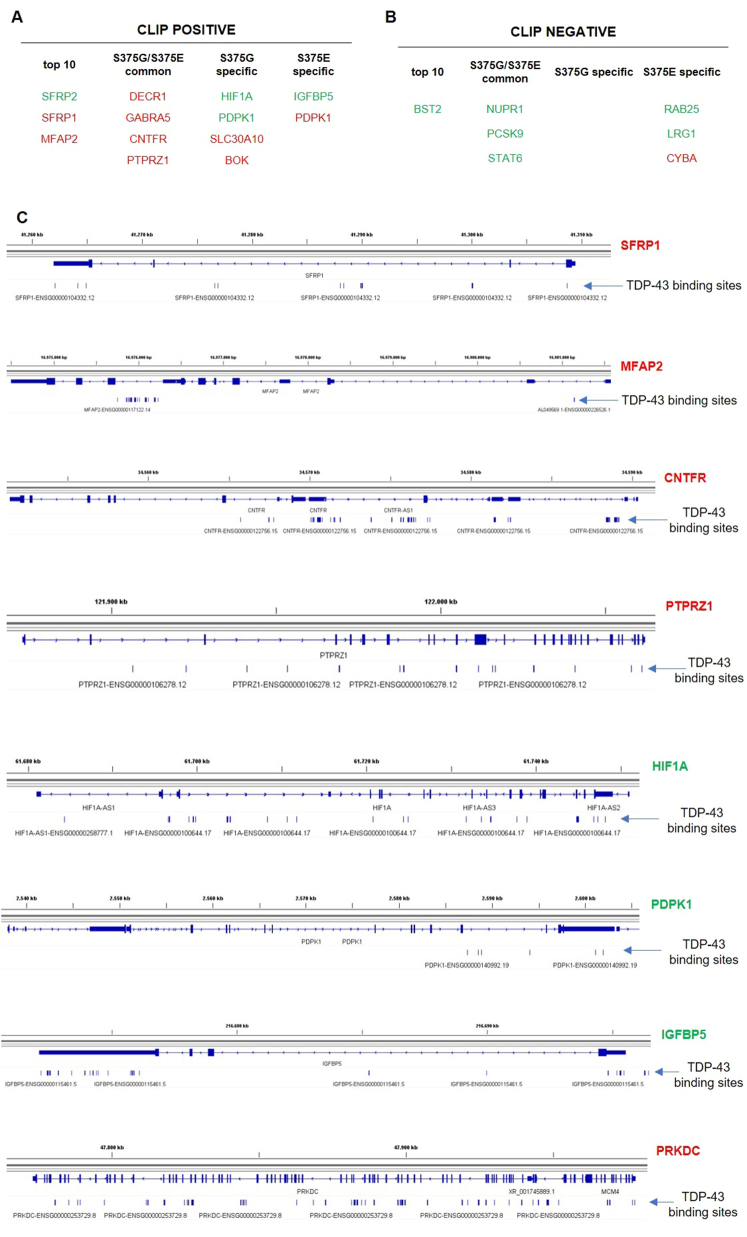
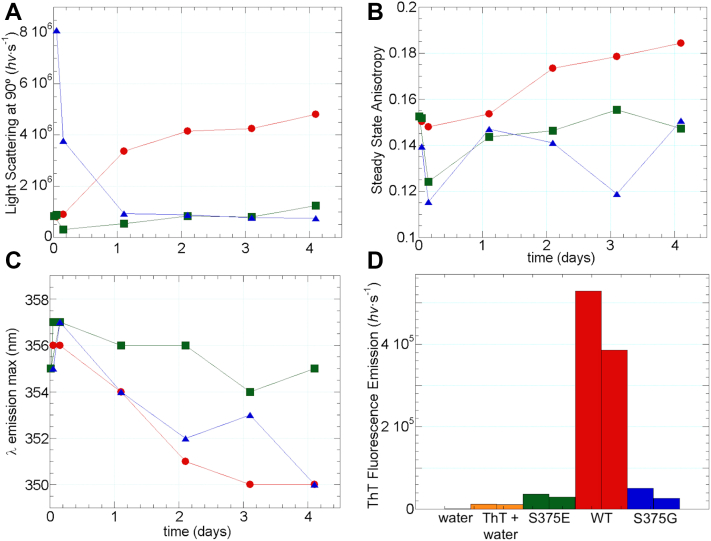
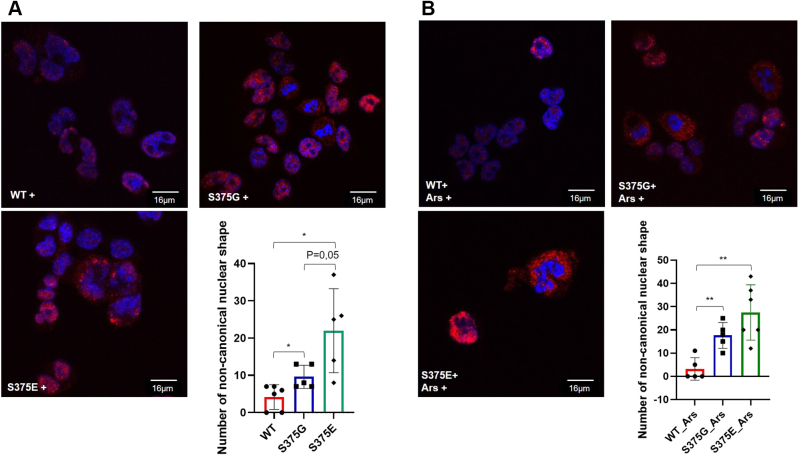
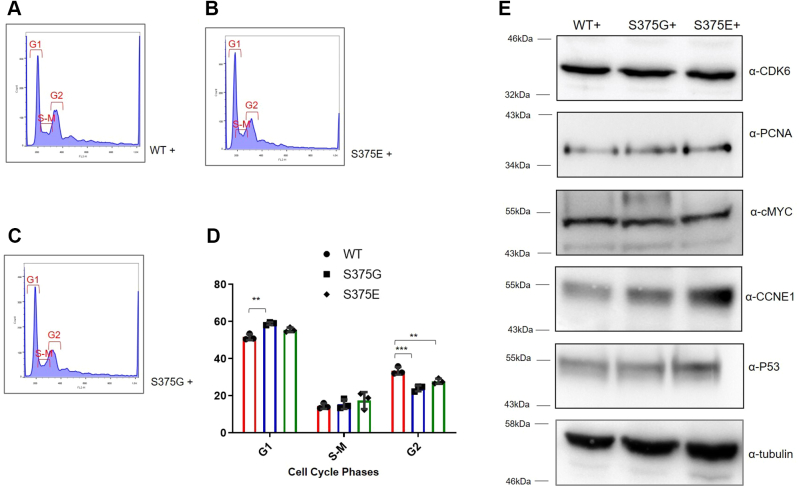
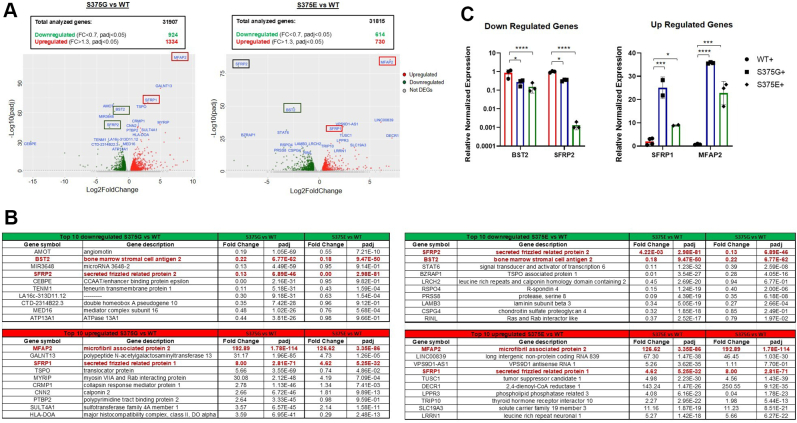
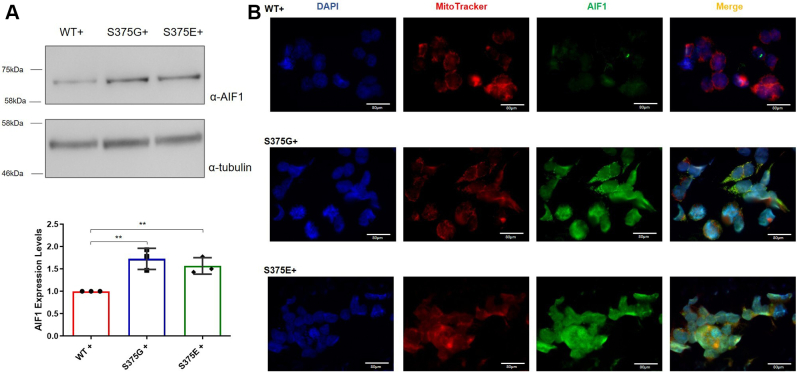
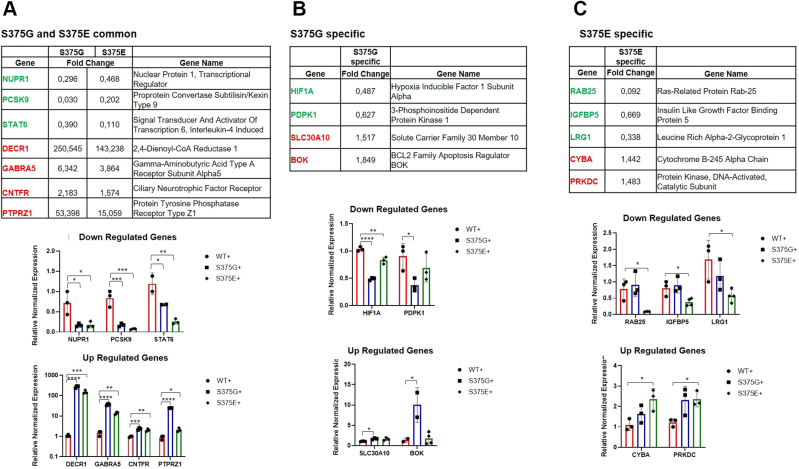
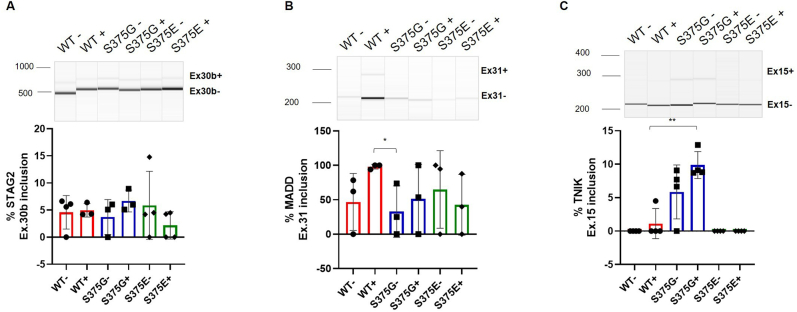
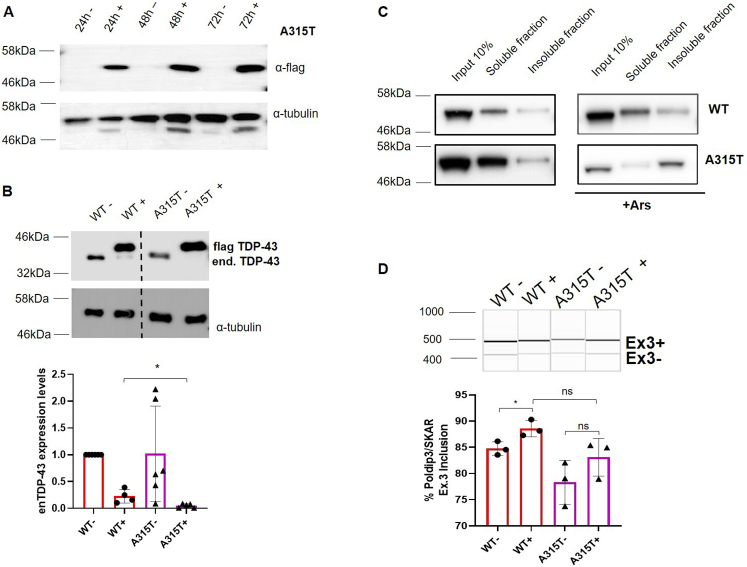
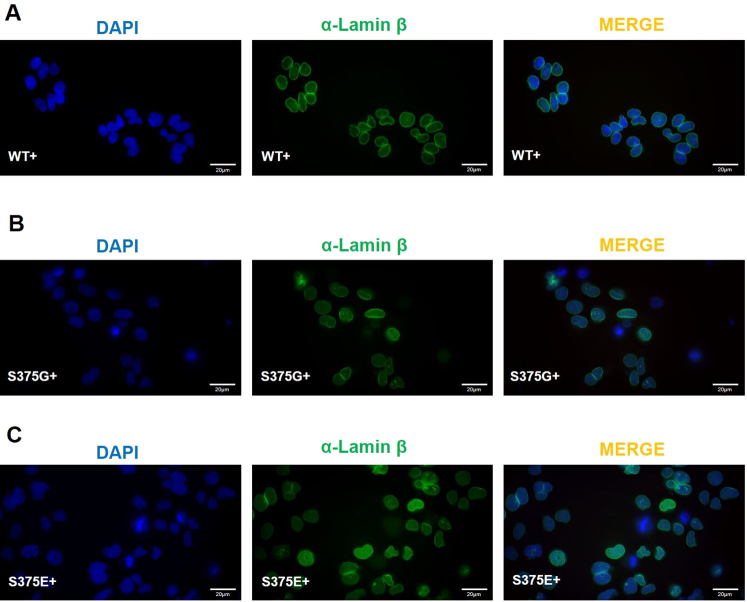
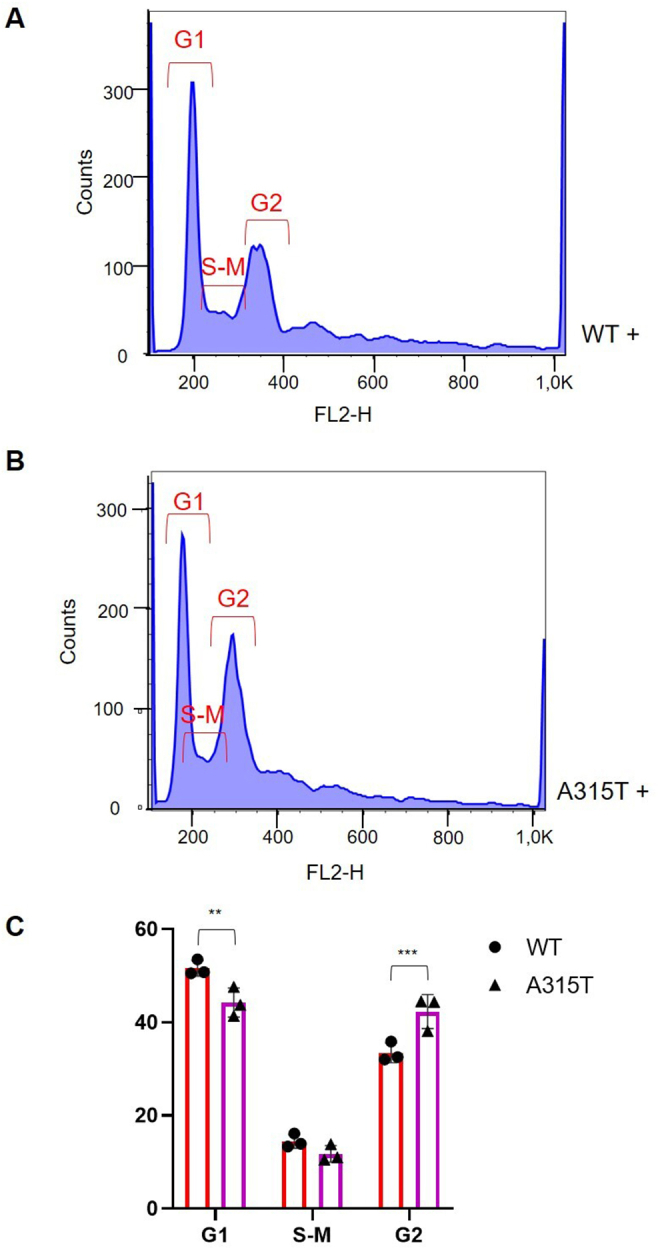
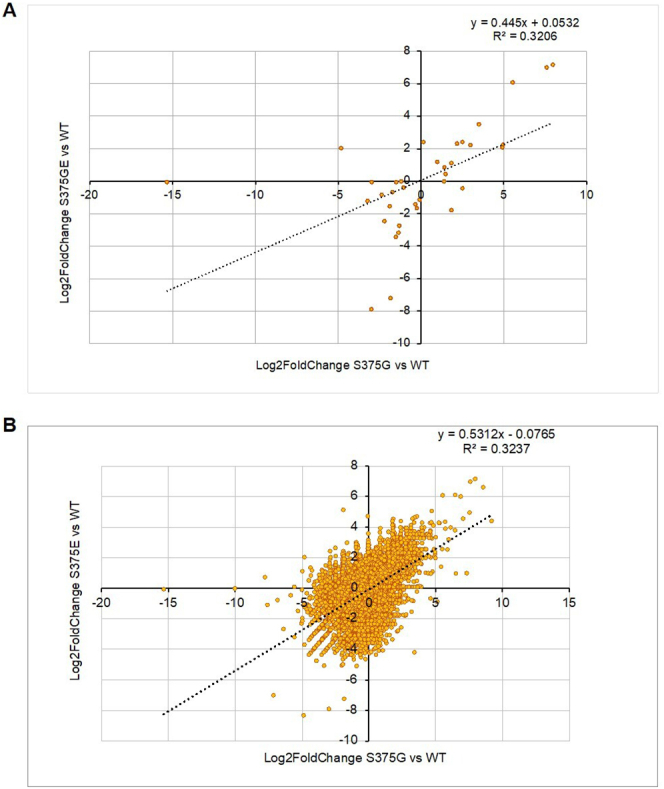
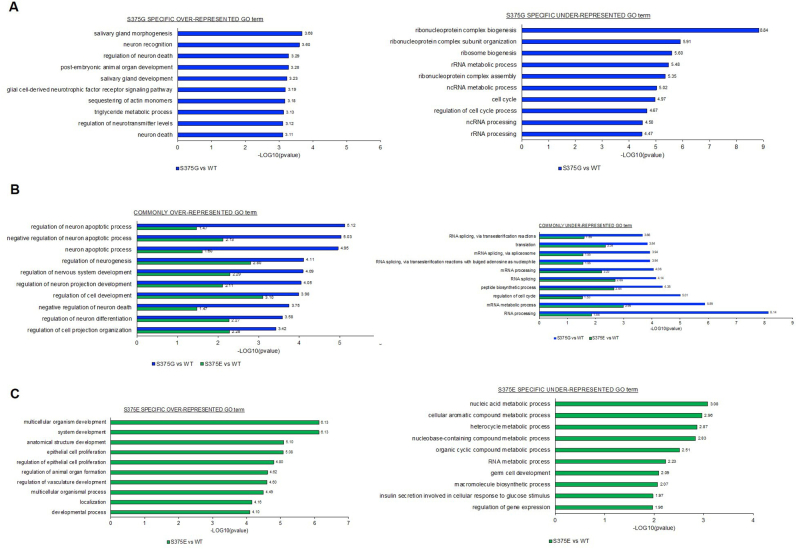
TAR DNA-binding protein 43 (TDP-43) is a nucleic acid-binding protein found in the nucleus that accumulates in the cytoplasm under pathological conditions, leading to proteinopathies, such as frontotemporal dementia and ALS. An emerging area of TDP-43 research is represented by the study of its post-translational modifications, the way they are connected to disease-associated mutations, and what this means for pathological processes. Recently, we described a novel mutation in TDP-43 in an early onset ALS case that was affecting a potential phosphorylation site in position 375 (S375G). A preliminary characterization showed that both the S375G mutation and its phosphomimetic variant, S375E, displayed altered nuclear-cytoplasmic distribution and cellular toxicity. To better investigate these effects, here we established cell lines expressing inducible WT, S375G, and S375E TDP-43 variants. Interestingly, we found that these mutants do not seem to affect well-studied aspects of TDP-43, such as RNA splicing or autoregulation, or protein conformation, dynamics, or aggregation, although they do display dysmorphic nuclear shape and cell cycle alterations. In addition, RNA-Seq analysis of these cell lines showed that although the disease-associated S375G mutation and its phosphomimetic S375E variant regulate distinct sets of genes, they have a common target in mitochondrial apoptotic genes. Taken together, our data strongly support the growing evidence that alterations in TDP-43 post-translational modifications can play a potentially important role in disease pathogenesis and provide a further link between TDP-43 pathology and mitochondrial health.
TAR DNA 结合蛋白 43(TDP-43)是一种存在于细胞核中的核酸结合蛋白,在病理条件下会在细胞质中积累,导致蛋白病,如额颞叶痴呆和肌萎缩侧索硬化症。TDP-43 研究的一个新兴领域是研究其翻译后修饰,以及它们与疾病相关突变的联系,以及这对病理过程意味着什么。最近,我们在一个早发性肌萎缩侧索硬化症病例中描述了 TDP-43 的一种新突变,该突变影响了位置 375 的一个潜在磷酸化位点(S375G)。初步特征表明,S375G 突变及其磷酸模拟变体 S375E 均显示出改变的核质分布和细胞毒性。为了更好地研究这些影响,我们在这里建立了表达可诱导 WT、S375G 和 S375E TDP-43 变体的细胞系。有趣的是,我们发现这些突变体似乎不会影响 TDP-43 的许多众所周知的方面,如 RNA 剪接或自身调节,或蛋白质构象、动力学或聚集,尽管它们确实显示出畸形的核形状和细胞周期改变。此外,这些细胞系的 RNA-Seq 分析表明,尽管与疾病相关的 S375G 突变及其磷酸模拟变体 S375E 调节不同的基因集,但它们在与线粒体凋亡基因中存在共同的靶点。总之,我们的数据强烈支持越来越多的证据表明 TDP-43 翻译后修饰的改变可能在疾病发病机制中发挥重要作用,并为 TDP-43 病理学和线粒体健康之间提供了进一步的联系。