Sheng Yushou Center of Cell Biology and Immunology, Joint International Research Laboratory of Metabolic & Developmental Sciences, School of Life Science and Biotechnology, Shanghai Jiao Tong University, Shanghai, China.
Department of Microbiology and Immunology, Weill Cornell Medicine, New York, New York.
Theranostics. 2022 Jul 4;12(11):5086-5102. doi: 10.7150/thno.74989. eCollection 2022.
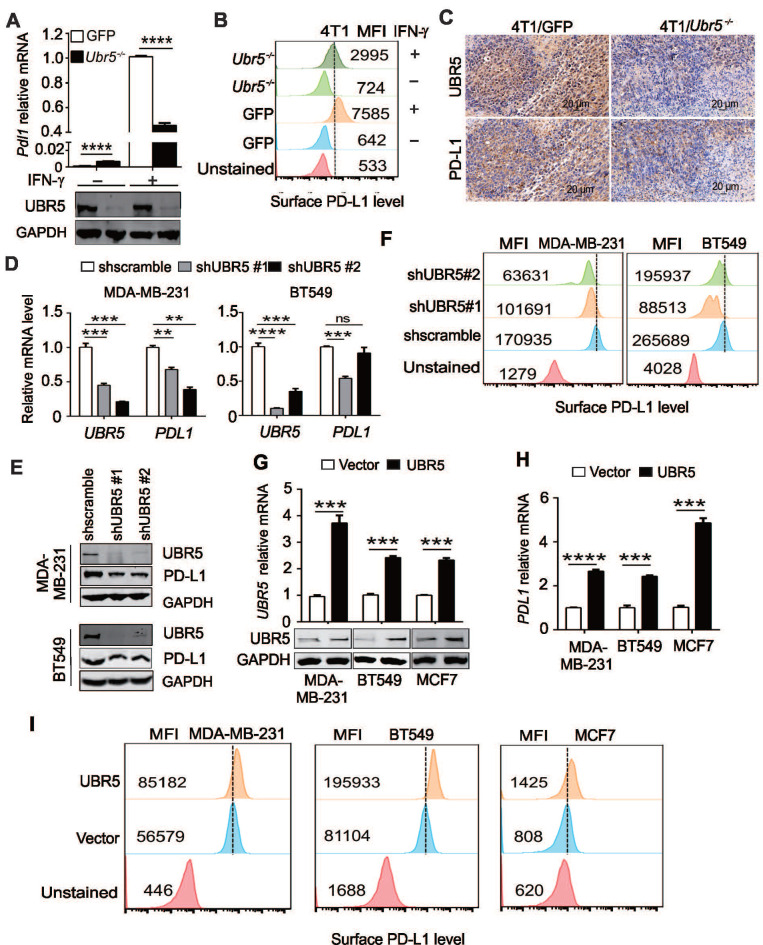
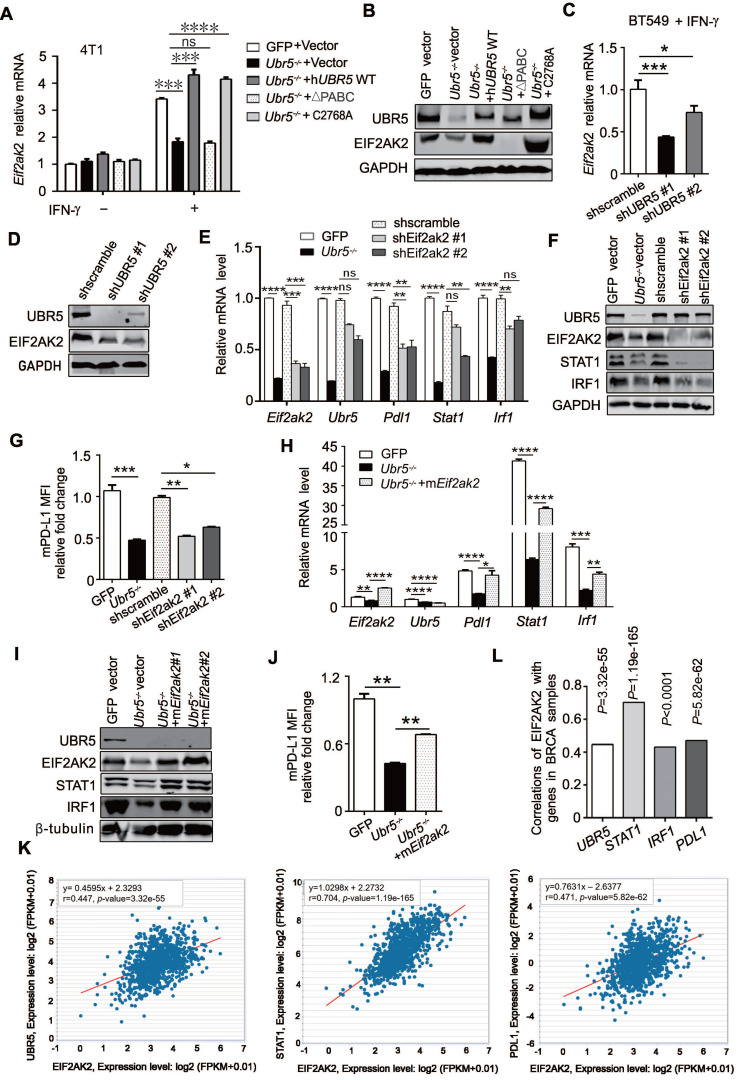
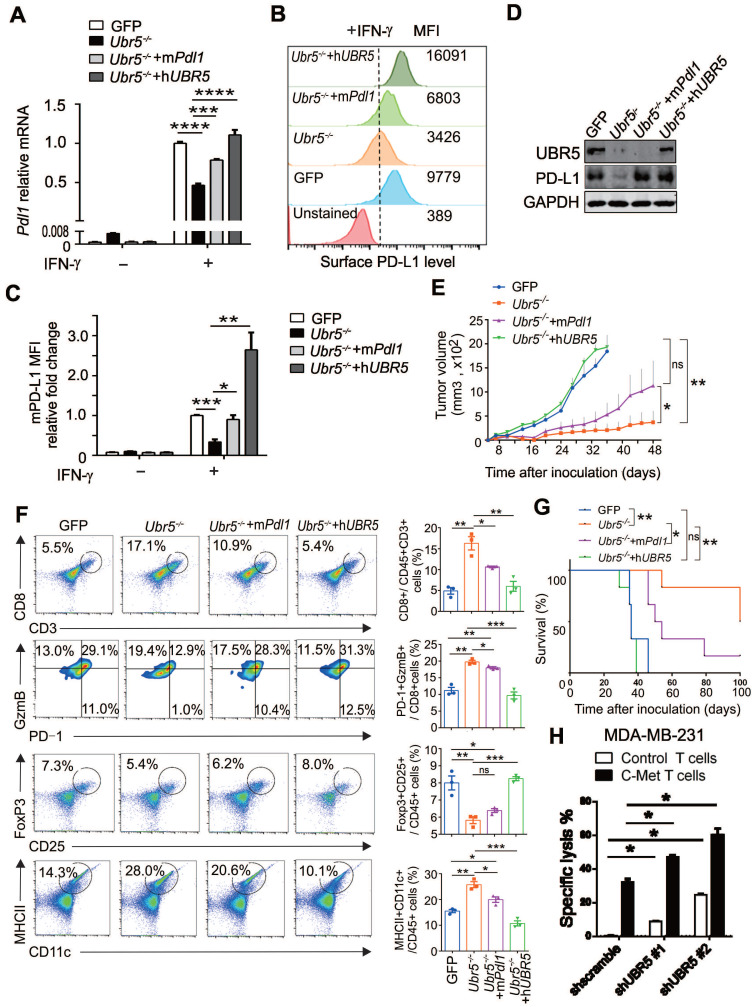
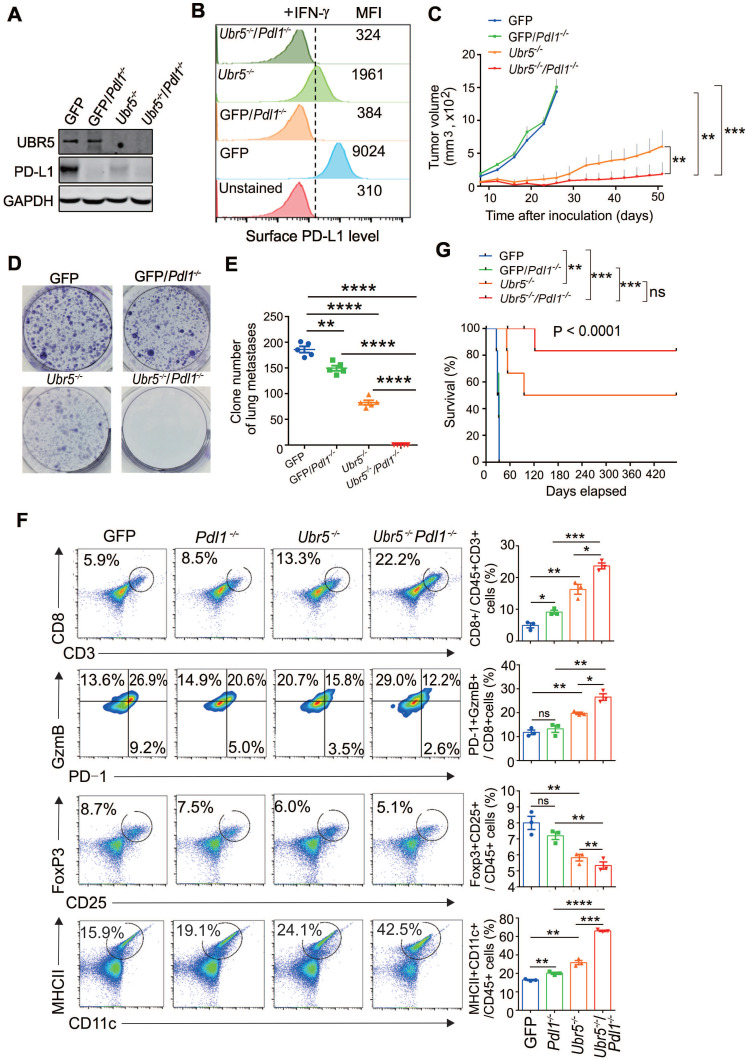
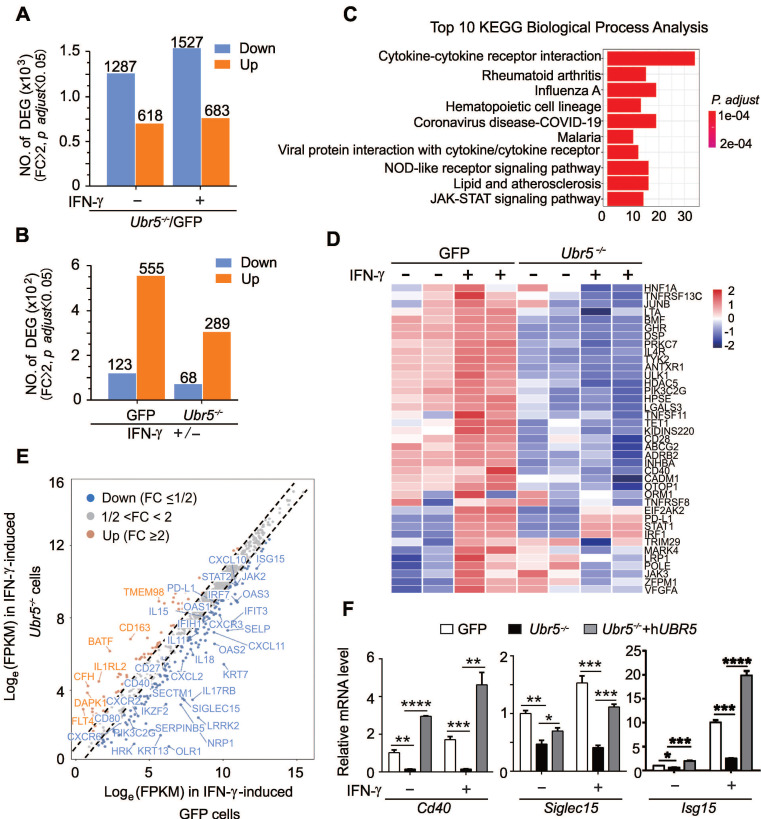
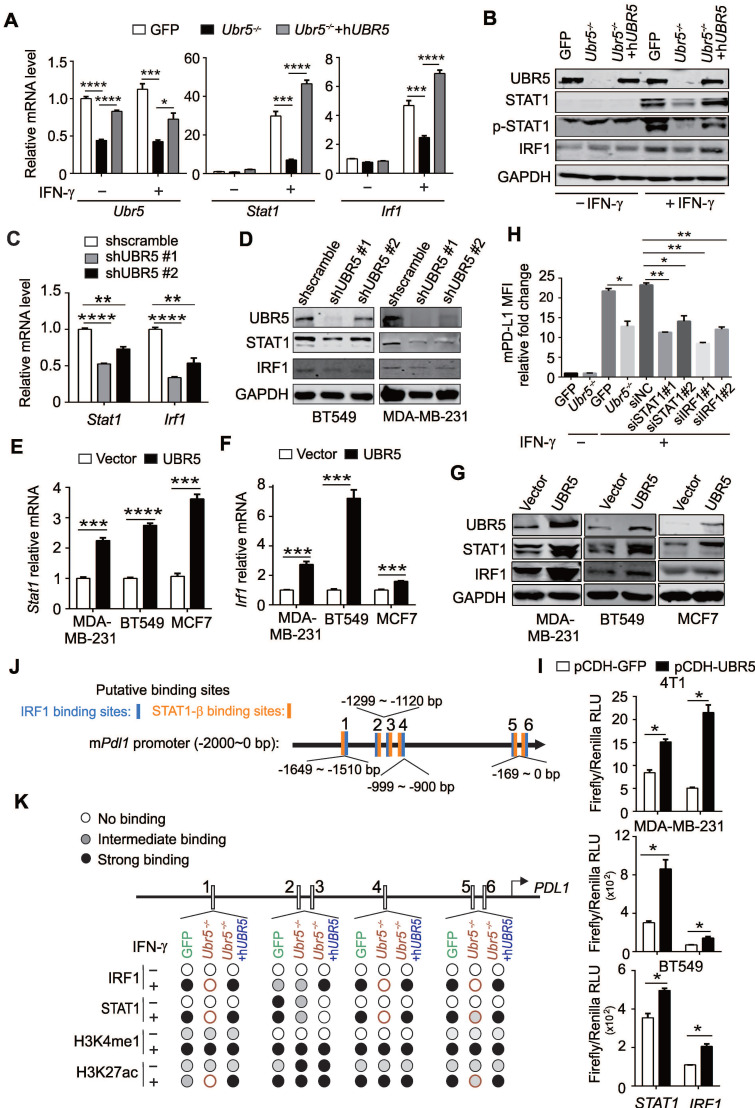
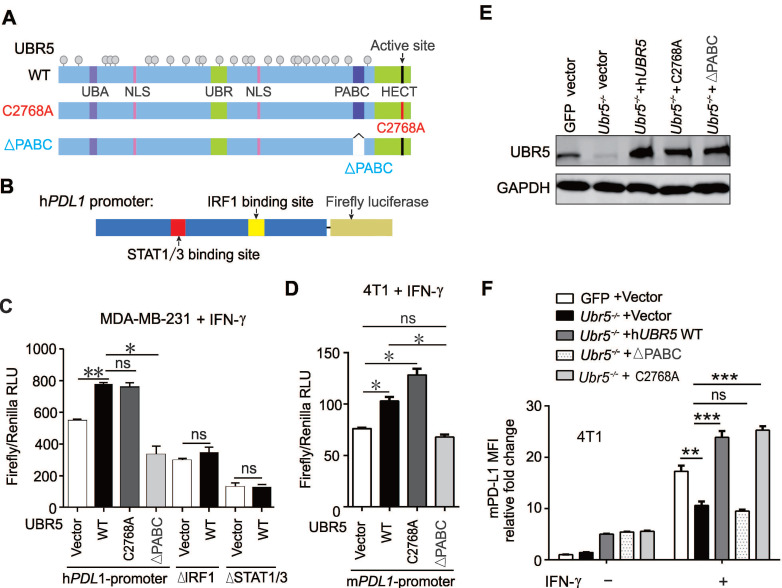
The up-regulation of PD-L1 is recognized as an adaption of cancer cells to evade immune surveillance and attack. However, the intrinsic mechanisms of the induction of PD-L1 by interferon-γ (IFN-γ) in tumor microenvironment remain incompletely characterized. Ubiquitin ligase E3 component N-recognition protein 5 (UBR5) has a critical role in tumorigenesis of triple negative breast cancer (TNBC) by triggering specific immune responses to the tumor. Dual targeting of UBR5 and PD-L1 exhibited superior therapeutic benefits in a preclinical TNBC model in short term. The regulation of UBR5 to PD-L1 upon IFN-γ stimulation was evaluated through in UBR5 deficiency, reconstitution or overexpression cell line models by quantitative PCR, immunohistochemistry and RNA-seq. The effects of PD-L1 regulation by UBR5 and double blockade of both genes were evaluated in mouse TNBC model. Luciferase reporter assay, chromatin immunoprecipitation-qPCR and bioinformatics analysis were performed to explore the transcription factors involved in the regulation of UBR5 to PD-L1. E3 ubiquitin ligase UBR5 plays a key role in IFN-γ-induced transcription in TNBC in an E3 ubiquitination activity-independent manner. RNA-seq-based transcriptomic analyses reveal that UBR5 globally affects the genes in the IFN-γ-induced signaling pathway. Through its poly adenylate binding (PABC) domain, UBR5 enhances the transactivation of by upregulating protein kinase RNA-activated (PKR), and PKR's downstream factors including signal transducers and activators of transcription 1 (STAT1) and interferon regulatory factor 1 (IRF1). Restoration of PD-L1 expression in UBR5-deficient tumor cells recoups their malignancy , whereas CRISPR/Cas9-mediated simultaneous abrogation of UBR5 and PD-L1 expression yields synergistic therapeutic benefits than either blockade alone, with a strong impact on the tumor microenvironment. This study identifies a novel regulator of transcription, elucidates the underlying molecular mechanisms and provides a strong rationale for combination cancer immunotherapies targeting UBR5 and PD-L1.
PD-L1 的上调被认为是癌细胞逃避免疫监视和攻击的一种适应。然而,干扰素-γ(IFN-γ)在肿瘤微环境中诱导 PD-L1 的内在机制仍不完全清楚。泛素连接酶 E3 成分 N 识别蛋白 5(UBR5)在三阴性乳腺癌(TNBC)的肿瘤发生中具有关键作用,通过触发针对肿瘤的特异性免疫反应。在 TNBC 的临床前模型中,UBR5 和 PD-L1 的双重靶向在短期内显示出更好的治疗效果。通过定量 PCR、免疫组织化学和 RNA-seq 在 UBR5 缺乏、重建或过表达细胞系模型中评估 IFN-γ刺激下 UBR5 对 PD-L1 的调控。通过在小鼠 TNBC 模型中评估 PD-L1 由 UBR5 调控和双基因阻断的效果。进行荧光素酶报告基因检测、染色质免疫沉淀-qPCR 和生物信息学分析,以探讨参与 UBR5 调控 PD-L1 的转录因子。E3 泛素连接酶 UBR5 在 TNBC 中以 E3 泛素化活性非依赖性方式在 IFN-γ诱导的转录中发挥关键作用。基于 RNA-seq 的转录组分析显示,UBR5 全局影响 IFN-γ诱导信号通路中的基因。通过其多腺苷酸结合(PABC)结构域,UBR5 通过上调蛋白激酶 RNA 激活(PKR)增强的转录激活,并上调 PKR 的下游因子,包括信号转导和转录激活因子 1(STAT1)和干扰素调节因子 1(IRF1)。在 UBR5 缺陷肿瘤细胞中恢复 PD-L1 表达可恢复其恶性表型,而 CRISPR/Cas9 介导的 UBR5 和 PD-L1 表达同时缺失则产生协同治疗效果,优于单独阻断任何一种,对肿瘤微环境产生强烈影响。本研究鉴定了一种新的 转录调节剂,阐明了其潜在的分子机制,并为针对 UBR5 和 PD-L1 的联合癌症免疫疗法提供了强有力的依据。