Skolastika Skolastika, Hanif Naufa, Ikawati Muthi, Hermawan Adam
Laboratory of Macromolecular Engineering, Department of Pharmaceutical Chemistry, Faculty of Pharmacy, Universitas Gadjah Mada Sekip Utara II, 55281 Yogyakarta, Indonesia.
Cancer Chemoprevention Research Center, Faculty of Pharmacy, Universitas Gadjah Mada Sekip Utara II, 55281 Yogyakarta, Indonesia.
Evid Based Complement Alternat Med. 2022 Jul 8;2022:4172531. doi: 10.1155/2022/4172531. eCollection 2022.
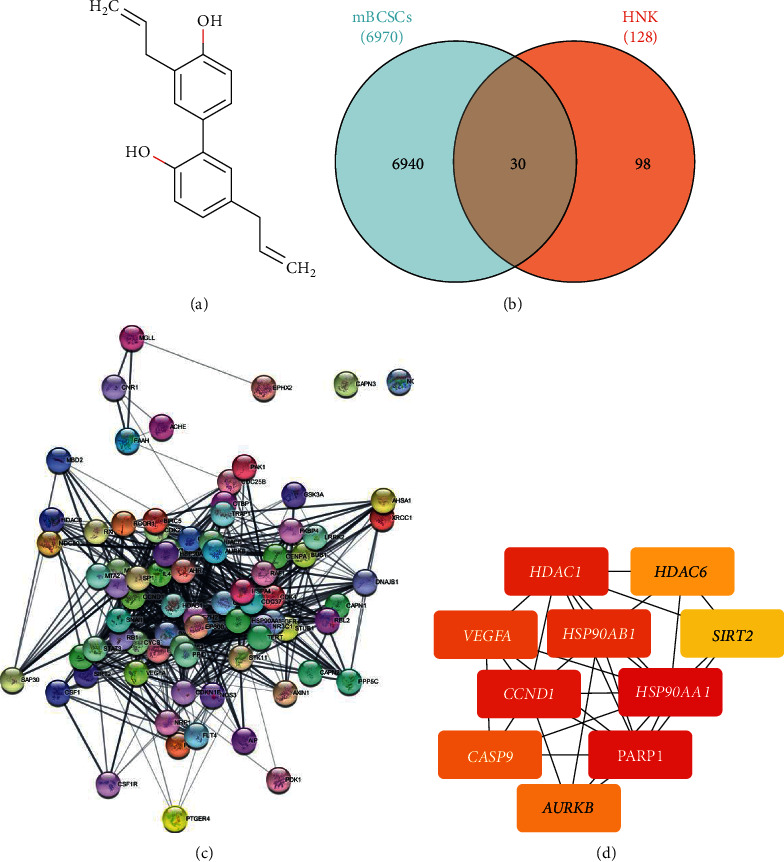
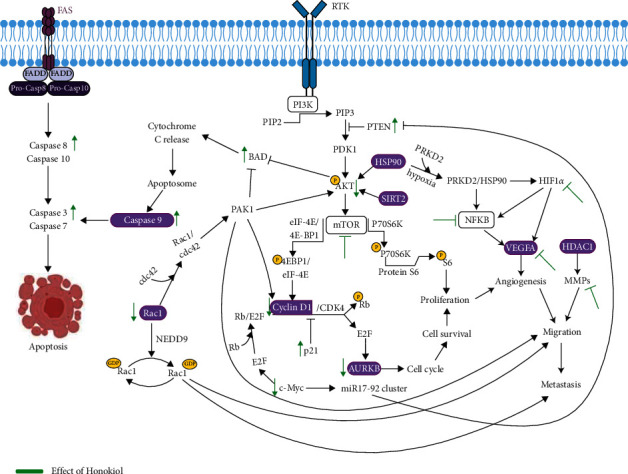
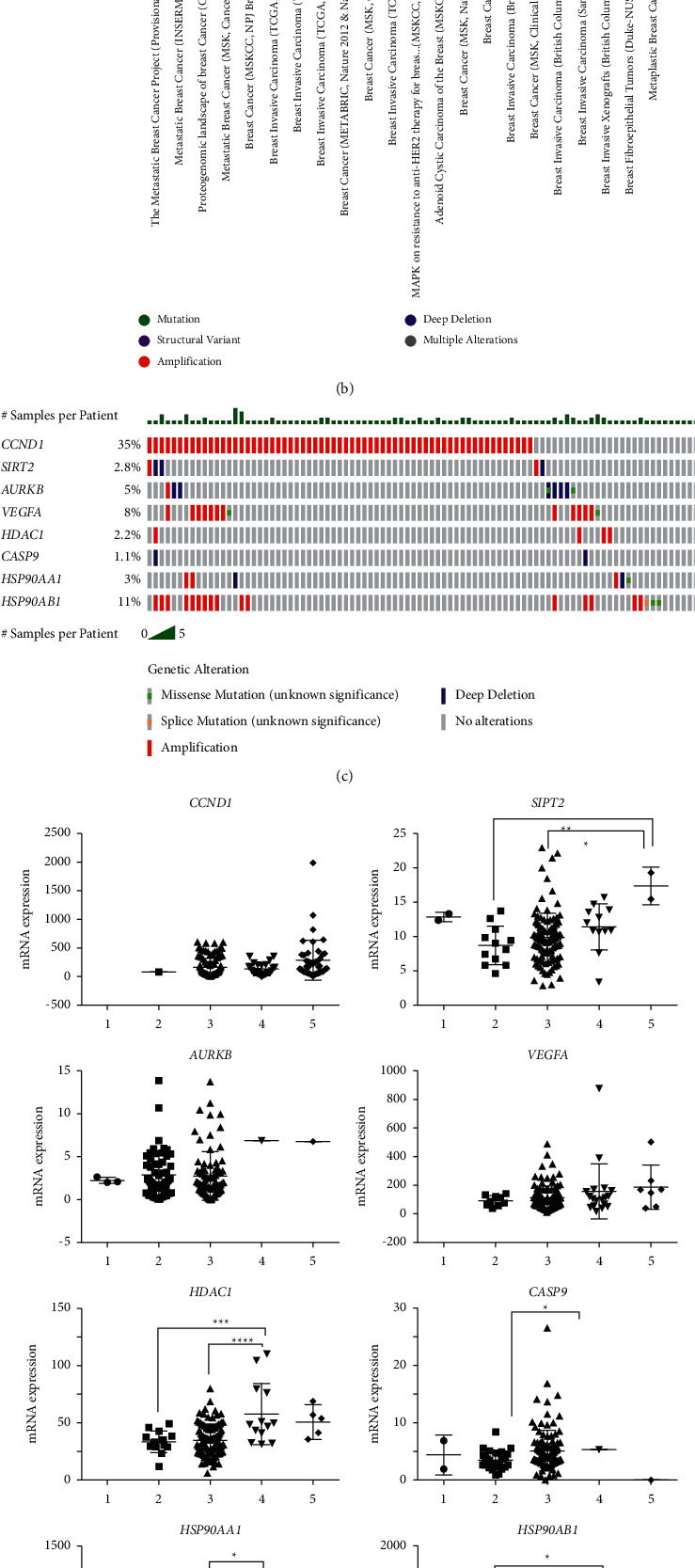
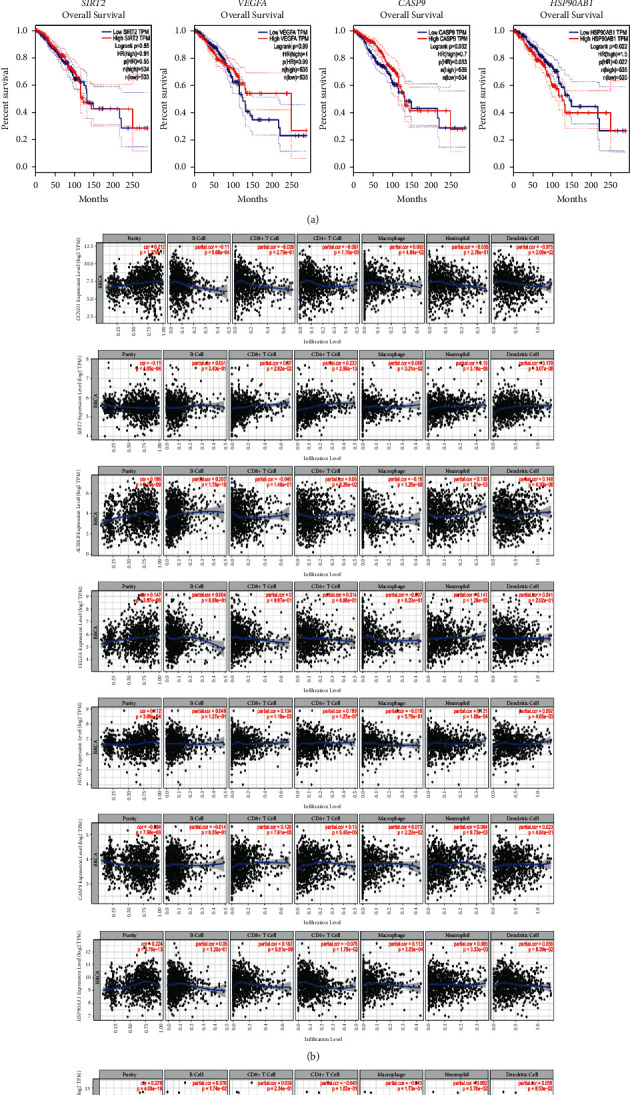
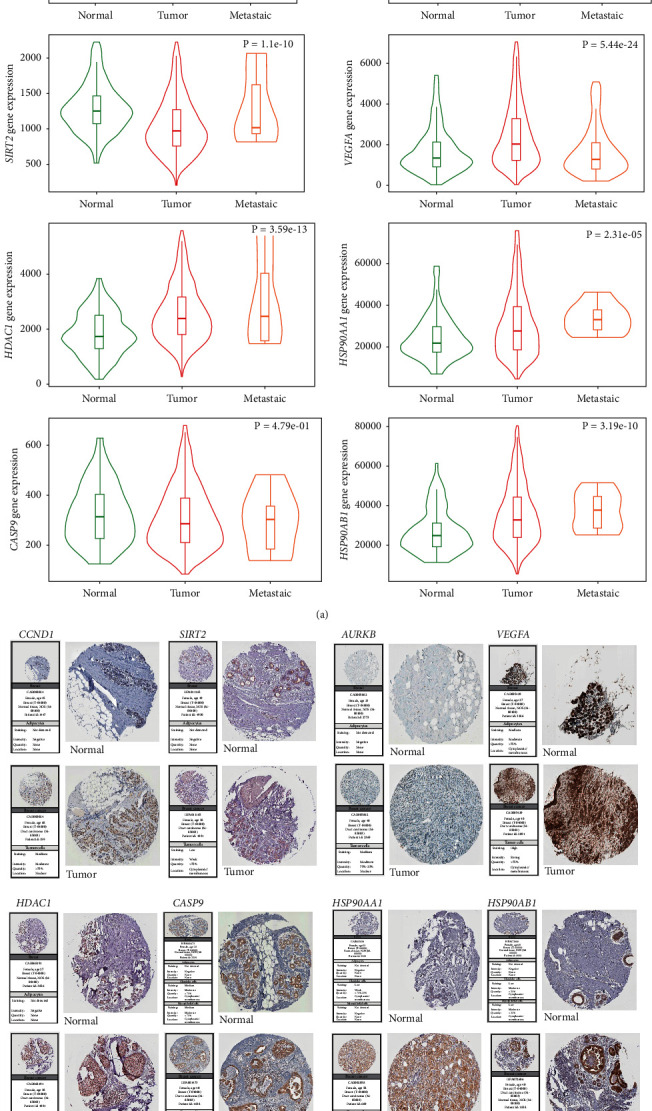
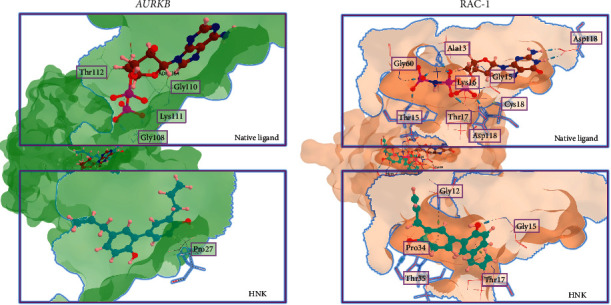
Breast cancer stem cells (BCSCs) play a critical role in chemoresistance, metastasis, and poor prognosis of breast cancer. BCSCs are mostly dormant, and therefore, activating them and modulating the cell cycle are important for successful therapy against BCSCs. The tumor microenvironment (TME) promotes BCSC survival and cancer progression, and targeting the TME can aid in successful immunotherapy. Honokiol (HNK), a bioactive polyphenol isolated from the bark and seed pods of ., is known to exert anticancer effects, such as inducing cell cycle arrest, inhibiting metastasis, and overcoming immunotherapy resistance in breast cancer cells. However, the molecular mechanisms of action of HNK in BCSCs, as well as its effects on the cell cycle, remain unclear. This study aimed to explore the potential targets and molecular mechanisms of HNK on metastatic BCSC (mBCSC)-cell cycle arrest and the impact of the TME. Using bioinformatics analyses, we predicted HNK protein targets from several databases and retrieved the genes differentially expressed in mBCSCs from the GEO database. The intersection between the differentially expressed genes (DEGs) and the HNK-targets was determined using a Venn diagram, and the results were analyzed using a protein-protein interaction network, hub gene selection, gene ontology and Kyoto Encyclopedia of Genes and Genomes pathway enrichment analyses, genetic alteration analysis, survival rate, and immune cell infiltration levels. Finally, the interaction between HNK and two HNK-targets regulating the cell cycle was analyzed using molecular docking analysis. The identified potential therapeutic targets of HNK (PTTH) included , , , , , , , and , which can potentially inhibit the cell cycle of mBCSCs. Moreover, our results showed that PTTH could modulate the PI3K/Akt/mTOR and HIF1/NFkB/pathways. Overall, these findings highlight the potential of HNK as an immunotherapeutic agent for mBCSCs by modulating the tumor immune environment.
乳腺癌干细胞(BCSCs)在乳腺癌的化疗耐药、转移及预后不良中起着关键作用。BCSCs大多处于休眠状态,因此,激活它们并调节细胞周期对于成功治疗BCSCs至关重要。肿瘤微环境(TME)促进BCSC存活和癌症进展,靶向TME有助于成功进行免疫治疗。厚朴酚(HNK)是一种从.的树皮和种子荚中分离出的生物活性多酚,已知其具有抗癌作用,如诱导细胞周期停滞、抑制转移以及克服乳腺癌细胞的免疫治疗耐药性。然而,HNK在BCSCs中的分子作用机制及其对细胞周期的影响仍不清楚。本研究旨在探讨HNK对转移性BCSC(mBCSC)细胞周期停滞的潜在靶点和分子机制以及TME的影响。通过生物信息学分析,我们从多个数据库预测了HNK蛋白靶点,并从GEO数据库中检索了在mBCSCs中差异表达的基因。使用维恩图确定差异表达基因(DEGs)与HNK靶点之间的交集,并通过蛋白质-蛋白质相互作用网络、枢纽基因选择、基因本体论和京都基因与基因组百科全书通路富集分析、基因改变分析、生存率和免疫细胞浸润水平对结果进行分析。最后,使用分子对接分析研究HNK与两个调节细胞周期的HNK靶点之间的相互作用。鉴定出的HNK潜在治疗靶点(PTTH)包括.、.、.、.、.、.、.和.,它们可能抑制mBCSCs的细胞周期。此外,我们的结果表明PTTH可调节PI3K/Akt/mTOR和HIF1/NFkB/通路。总体而言,这些发现突出了HNK通过调节肿瘤免疫环境作为mBCSCs免疫治疗药物的潜力。