Salem Hilmi S, Pudza Musa Yahaya, Yihdego Yohannes
Sustainable Development Research Institute, Bethlehem, West Bank Palestine.
Department of Chemical and Environmental Engineering, University Putra Malaysia, 43400 UPM Serdang, Selangor Darul Ehsan Malaysia.
Sustain Water Resour Manag. 2022;8(4):114. doi: 10.1007/s40899-022-00676-3. Epub 2022 Jul 13.
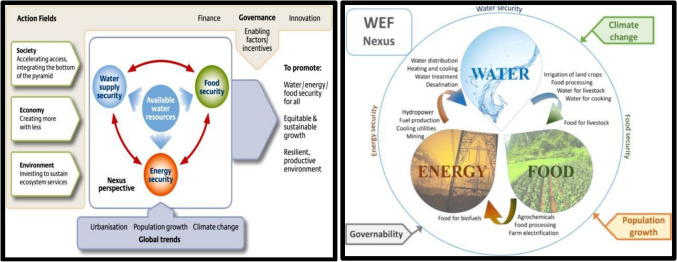
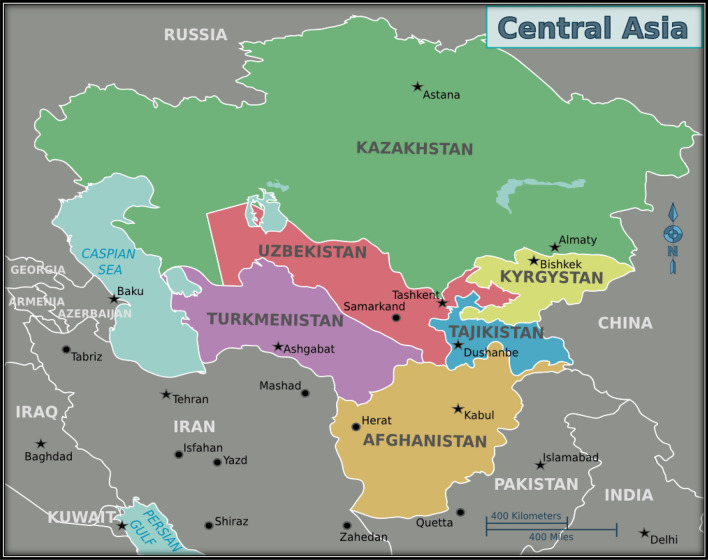
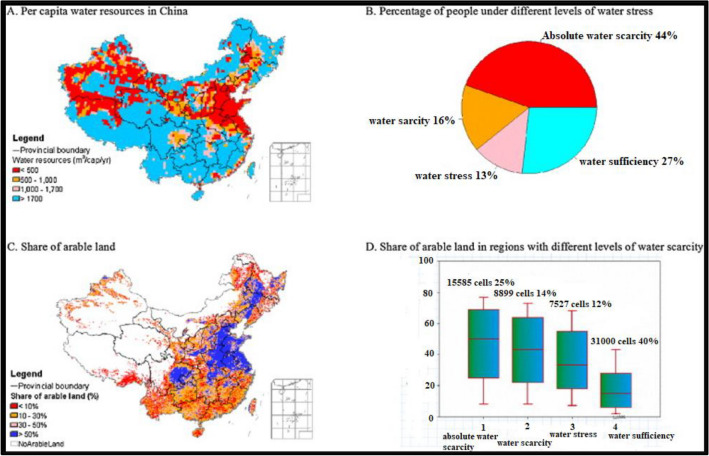
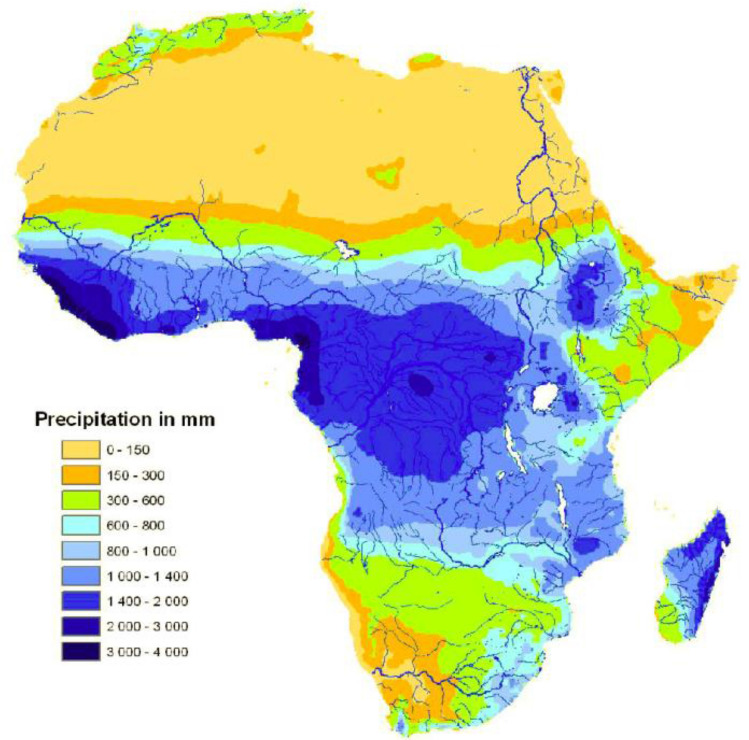
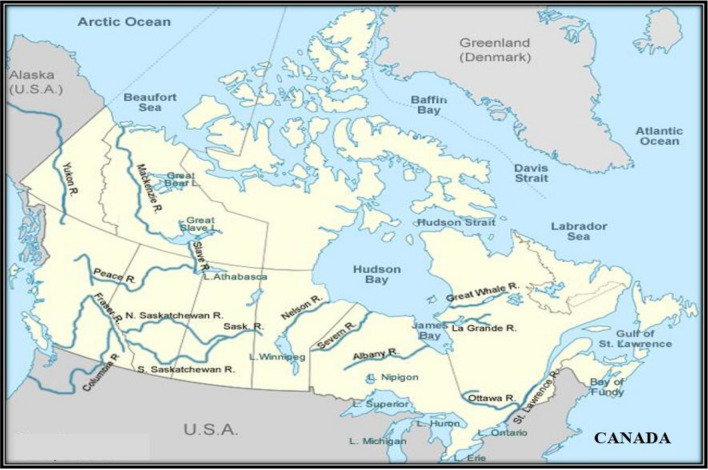
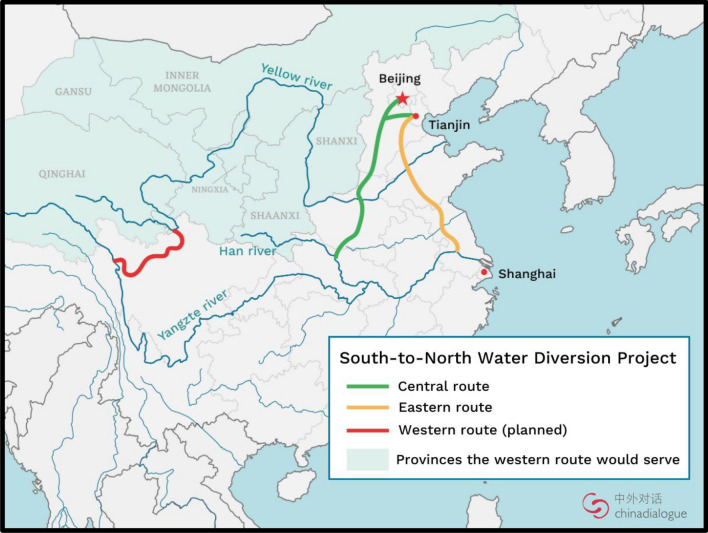
The twenty-first century is witnessing an explosion in global population, environmental changes, agricultural land disintegration, hunger, and geopolitical instabilities. It is difficult to manage these conditions or standardize improvement systems without thinking of the three main elements or subsystems that are necessary for any meaningful development-namely water (W), energy (E), and food (F). These key elements form what is globally agreed upon as the "WEF Nexus." While considering them, one should think about the other key factors that influence WEF Nexus, including population's growth, impacts of environmental changes (including climate change), moderation and adaptation regimes to climate change and climate resilience, loss of biodiversity, and sustainable nature. Together, the WEF Nexus subsystems represent a framework to ensure environmental protection that should be seen as an ethical and socioeconomic obligation. Issues, such as protection of water resources, and strategies and management tools or mechanisms for the use of water assets and agricultural innovations under the obligations of sustainable use, are investigated in this paper. Attention is paid to the relationship between water and food (WF Nexus) or water for food security in various world regions, including the Gulf Cooperation Council (GCC) countries, Central Asia countries and the Caucasus, China, Africa, and Canada. This paper also presents analyses of a great number of up-to-date publications regarding the "Nexus" perspective and its applications and limitations. This paper suggests that the Nexus' approach, in its different concepts (WEF, WE, WF and EF), can promote sustainable development and improve the quality of life of communities, while preserving natural, human, and social capital, addressing sustainability challenges, and protecting natural resources and the environment for long-term use.
21世纪见证了全球人口爆炸、环境变化、农业用地瓦解、饥饿以及地缘政治不稳定。如果不考虑任何有意义的发展所必需的三个主要要素或子系统,即水(W)、能源(E)和食物(F),就很难应对这些状况或规范改善体系。这些关键要素构成了全球公认的“水—能源—食物关系纽带”(WEF纽带)。在考虑这些要素时,还应思考影响水—能源—食物关系纽带的其他关键因素,包括人口增长、环境变化(包括气候变化)的影响、应对气候变化的缓和与适应机制以及气候恢复力、生物多样性丧失和可持续性。水—能源—食物关系纽带子系统共同构成了一个确保环境保护的框架,应将其视为一种道德和社会经济义务。本文研究了诸如水资源保护等问题,以及在可持续利用义务下水资源利用和农业创新的战略、管理工具或机制。本文关注了包括海湾合作委员会(GCC)国家、中亚国家和高加索地区、中国、非洲以及加拿大在内的世界各地区水与食物的关系(水—食物关系纽带)或粮食安全用水问题。本文还对大量有关“关系纽带”视角及其应用和局限性的最新出版物进行了分析。本文认为,关系纽带方法在其不同概念(水—能源—食物、水—能源、水—食物和能源—食物)中,可以促进可持续发展,提高社区生活质量,同时保护自然、人力和社会资本,应对可持续发展挑战,并长期保护自然资源和环境。