Amorim Ricardo, Simões Inês C M, Teixeira José, Cagide Fernando, Potes Yaiza, Soares Pedro, Carvalho Adriana, Tavares Ludgero C, Benfeito Sofia, Pereira Susana P, Simões Rui F, Karkucinska-Wieckowska Agnieszka, Viegas Ivan, Szymanska Sylwia, Dąbrowski Michał, Janikiewicz Justyna, Cunha-Oliveira Teresa, Dobrzyń Agnieszka, Jones John G, Borges Fernanda, Wieckowski Mariusz R, Oliveira Paulo J
CNC-Center for Neuroscience and Cell Biology, CIBB - Centre for Innovative Biomedicine and Biotechnology, University of Coimbra, 3004-504, Coimbra, Portugal; CIQUP/Department of Chemistry and Biochemistry, Faculty of Sciences, University of Porto, Portugal; PhD Programme in Experimental Biology and Biomedicine (PDBEB), Institute for Interdisciplinary Research (IIIUC), University of Coimbra, 3030-789, Coimbra, Portugal.
Nencki Institute of Experimental Biology of Polish Academy of Sciences, Warsaw, Poland.
Redox Biol. 2022 Sep;55:102400. doi: 10.1016/j.redox.2022.102400. Epub 2022 Jul 16.
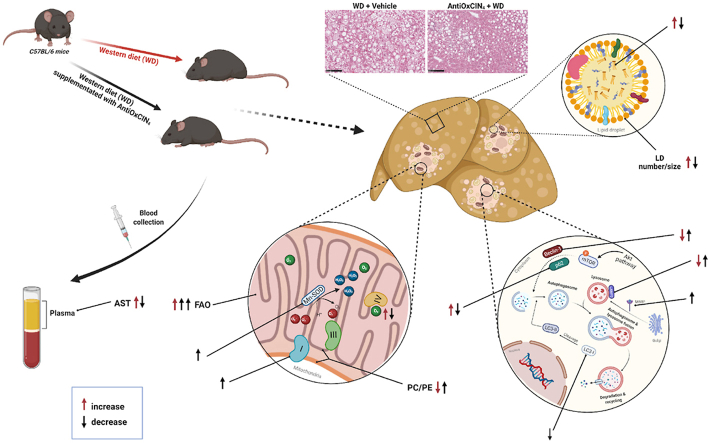
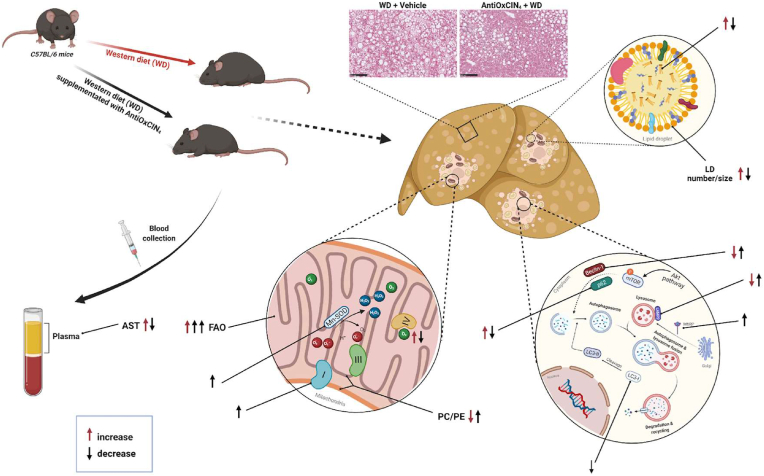
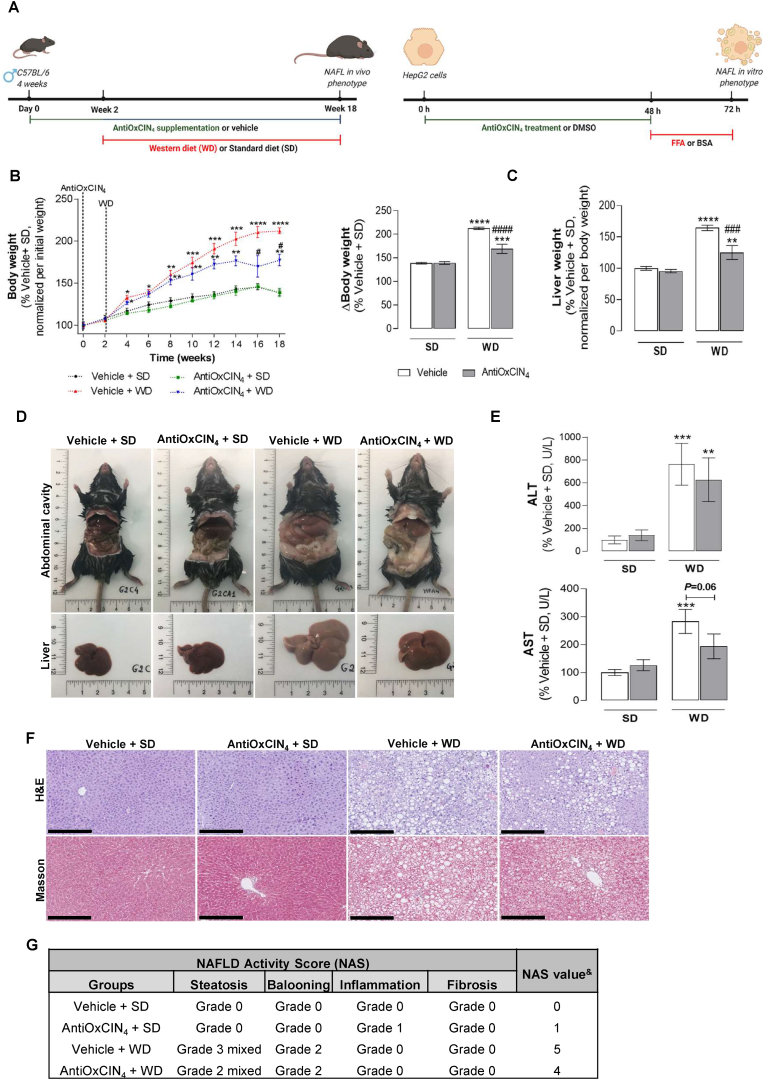
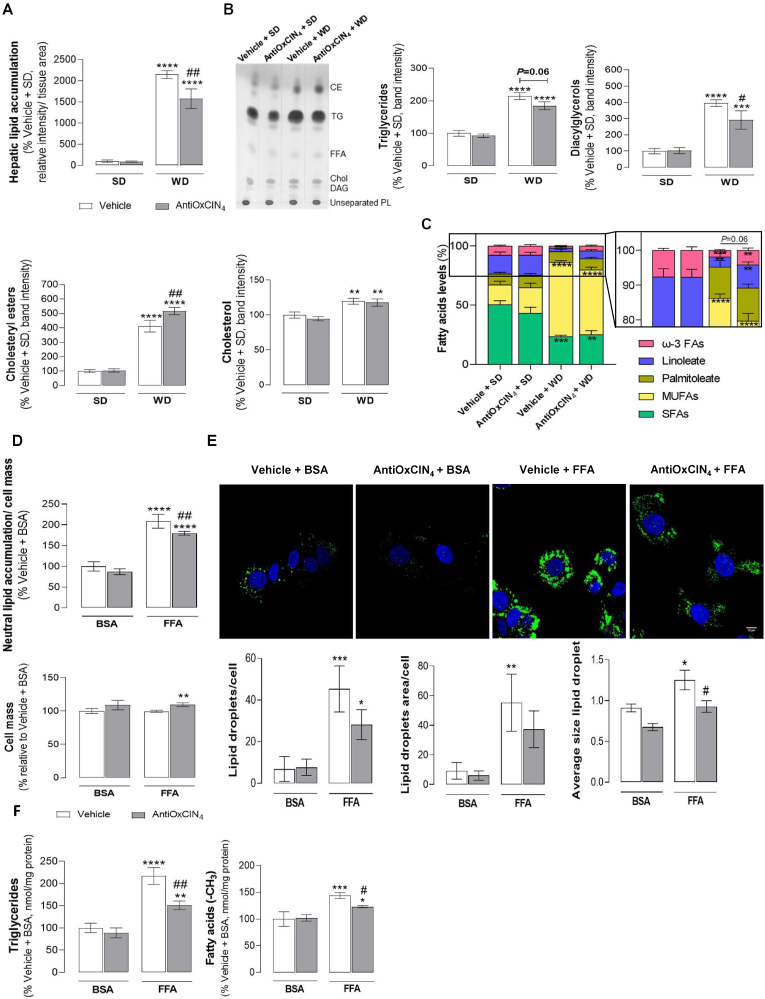
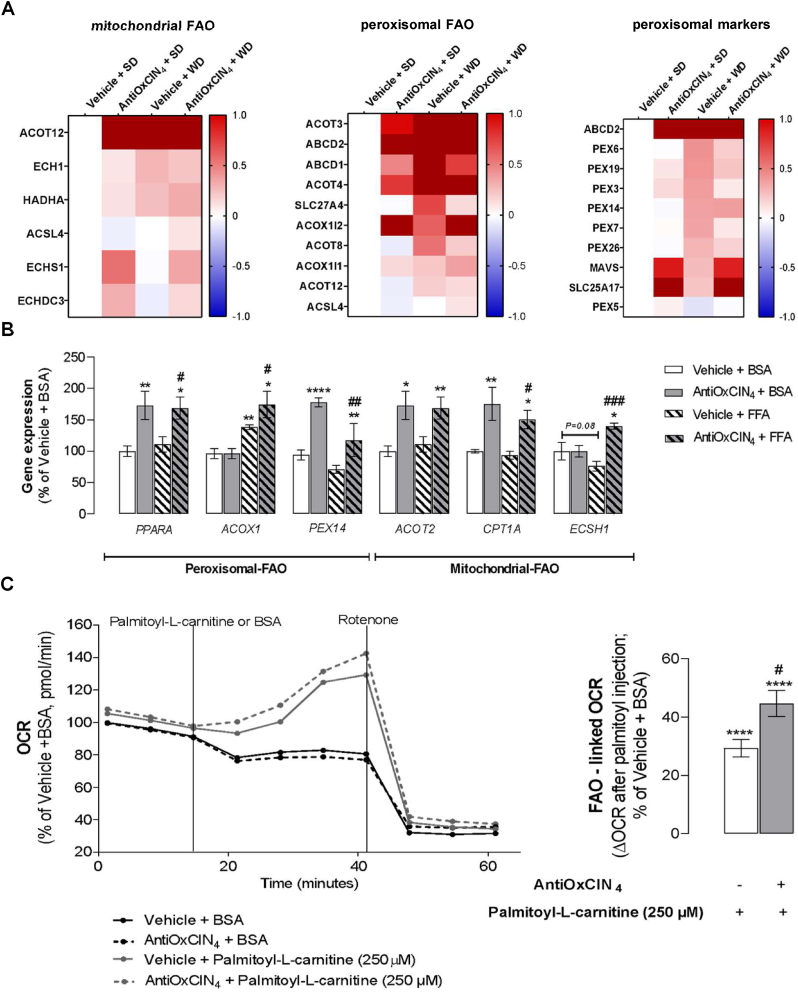
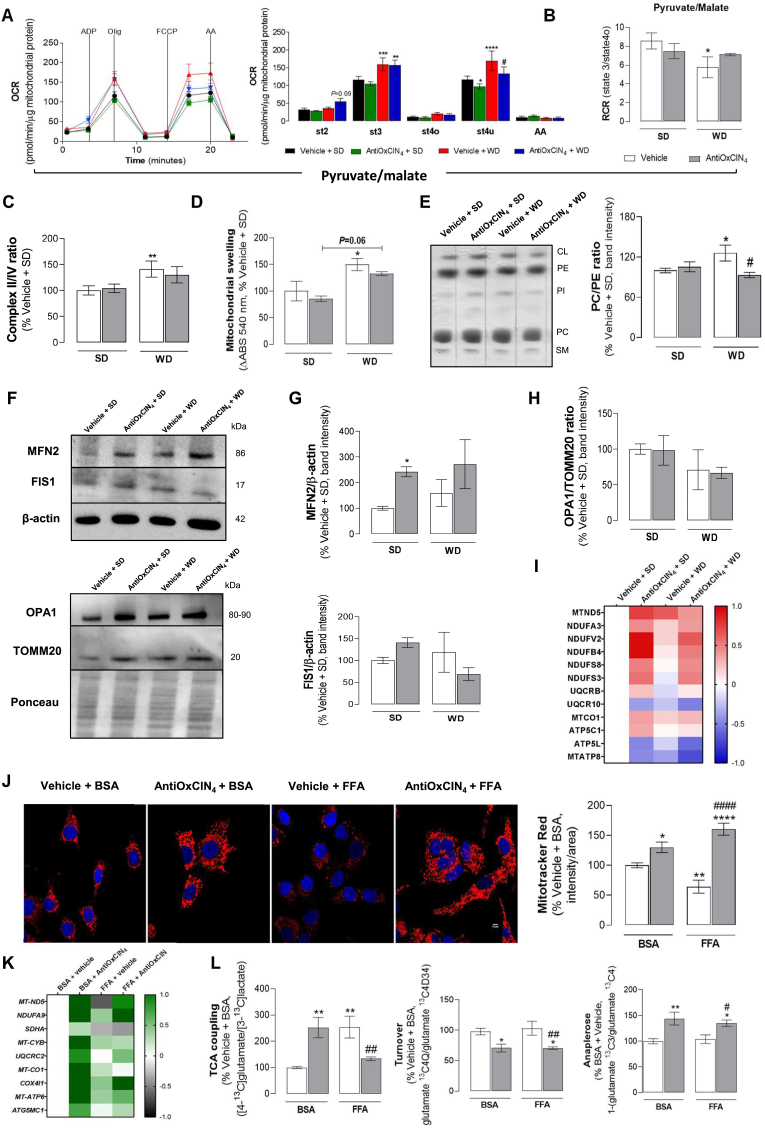
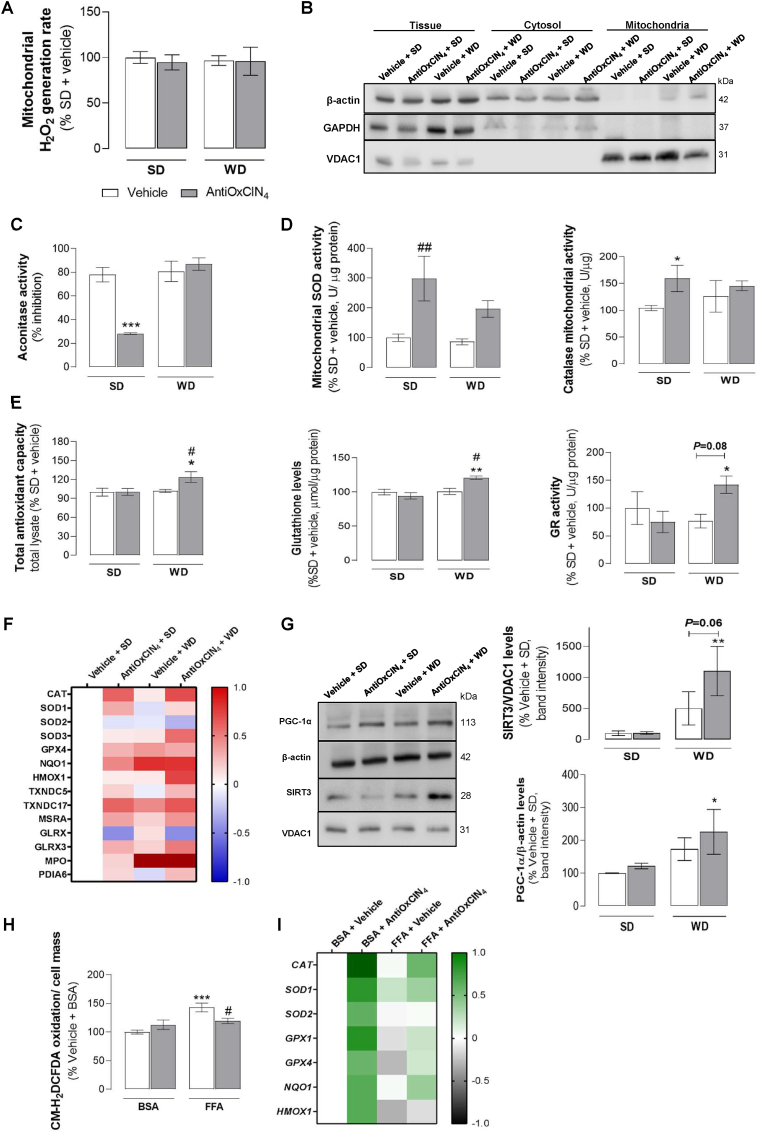
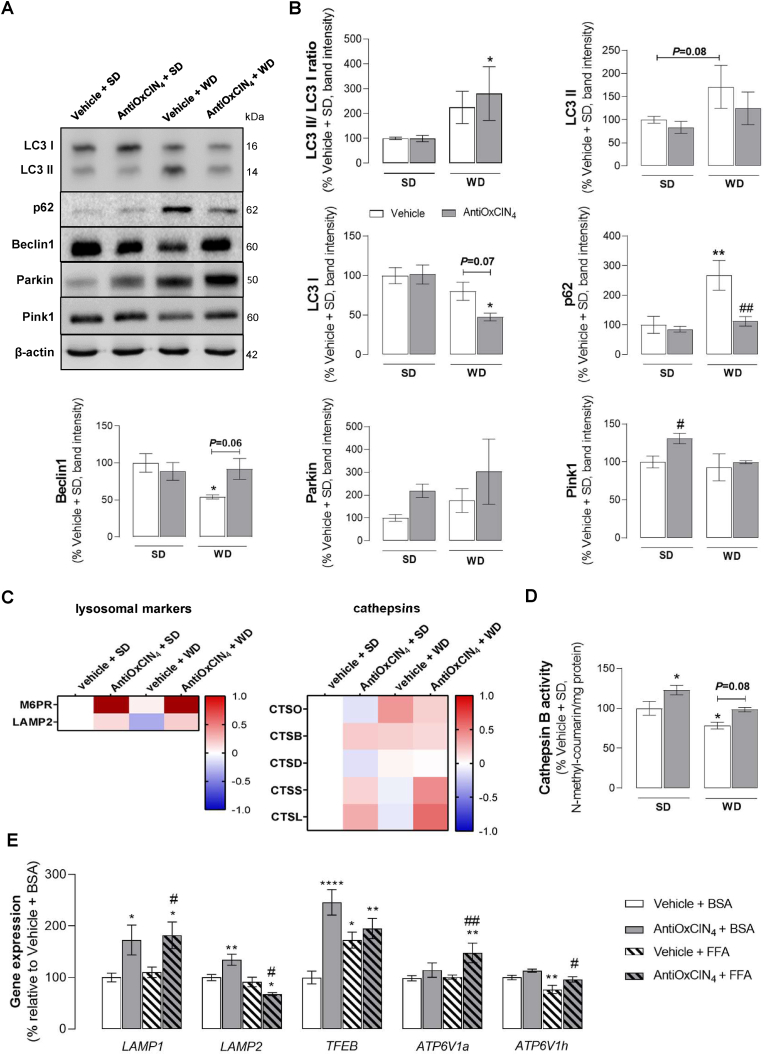
Non-alcoholic fatty liver disease (NAFLD) is a health concern affecting 24% of the population worldwide. Although the pathophysiologic mechanisms underlying disease are not fully clarified, mitochondrial dysfunction and oxidative stress are key players in disease progression. Consequently, efforts to develop more efficient pharmacologic strategies targeting mitochondria for NAFLD prevention/treatment are underway. The conjugation of caffeic acid anti-oxidant moiety with an alkyl linker and a triphenylphosphonium cation (TPP), guided by structure-activity relationships, led to the development of a mitochondria-targeted anti-oxidant (AntiOxCIN) with remarkable anti-oxidant properties. Recently, we described that AntiOxCIN improved mitochondrial function, upregulated anti-oxidant defense systems, and cellular quality control mechanisms (mitophagy/autophagy) via activation of the Nrf2/Keap1 pathway, preventing fatty acid-induced cell damage. Despite the data obtained, AntiOxCIN effects on cellular and mitochondrial energy metabolism in vivo were not studied. In the present work, we proposed that AntiOxCIN (2.5 mg/day/animal) may prevent non-alcoholic fatty liver (NAFL) phenotype development in a C57BL/6J mice fed with 30% high-fat, 30% high-sucrose diet for 16 weeks. HepG2 cells treated with AntiOxCIN (100 μM, 48 h) before the exposure to supraphysiologic free fatty acids (FFAs) (250 μM, 24 h) were used for complementary studies. AntiOxCIN decreased body (by 43%), liver weight (by 39%), and plasma hepatocyte damage markers in WD-fed mice. Hepatic-related parameters associated with a reduction of fat liver accumulation (by 600%) and the remodeling of fatty acyl chain composition compared with the WD-fed group were improved. Data from human HepG2 cells confirmed that a reduction of lipid droplets size and number can be a result from AntiOxCIN-induced stimulation of fatty acid oxidation and mitochondrial OXPHOS remodeling. In WD-fed mice, AntiOxCIN also induced a hepatic metabolism remodeling by upregulating mitochondrial OXPHOS, anti-oxidant defense system and phospholipid membrane composition, which is mediated by the PGC-1α-SIRT3 axis. AntiOxCIN prevented lipid accumulation-driven autophagic flux impairment, by increasing lysosomal proteolytic capacity. AntiOxCIN improved NAFL phenotype of WD-fed mice, via three main mechanisms: a) increase mitochondrial function (fatty acid oxidation); b) stimulation anti-oxidant defense system (enzymatic and non-enzymatic) and; c) prevent the impairment in autophagy. Together, the findings support the potential use of AntiOxCIN in the prevention/treatment of NAFLD.
非酒精性脂肪性肝病(NAFLD)是一个影响全球24%人口的健康问题。尽管该疾病潜在的病理生理机制尚未完全阐明,但线粒体功能障碍和氧化应激是疾病进展的关键因素。因此,目前正在努力开发更有效的针对线粒体的药物策略来预防/治疗NAFLD。在构效关系的指导下,将咖啡酸抗氧化部分与烷基连接体和三苯基膦阳离子(TPP)结合,开发出了具有显著抗氧化特性的线粒体靶向抗氧化剂(AntiOxCIN)。最近,我们描述了AntiOxCIN通过激活Nrf2/Keap1途径改善线粒体功能、上调抗氧化防御系统和细胞质量控制机制(线粒体自噬/自噬),从而预防脂肪酸诱导的细胞损伤。尽管获得了这些数据,但尚未研究AntiOxCIN对体内细胞和线粒体能量代谢的影响。在本研究中,我们提出AntiOxCIN(2.5毫克/天/只动物)可能预防喂食30%高脂肪、30%高蔗糖饮食16周的C57BL/6J小鼠的非酒精性脂肪肝(NAFL)表型的发展。在暴露于超生理游离脂肪酸(FFA)(250μM,24小时)之前,用AntiOxCIN(100μM,48小时)处理的HepG2细胞用于补充研究。AntiOxCIN降低了高脂饮食喂养小鼠的体重(降低43%)、肝脏重量(降低39%)和血浆肝细胞损伤标志物。与高脂饮食喂养组相比,与脂肪肝积累减少(减少600%)和脂肪酰链组成重塑相关的肝脏相关参数得到改善。来自人HepG2细胞的数据证实,脂滴大小和数量的减少可能是AntiOxCIN诱导的脂肪酸氧化刺激和线粒体氧化磷酸化重塑的结果。在高脂饮食喂养的小鼠中,AntiOxCIN还通过上调线粒体氧化磷酸化、抗氧化防御系统和磷脂膜组成诱导肝脏代谢重塑,这是由PGC-1α-SIRT3轴介导的。AntiOxCIN通过增加溶酶体蛋白水解能力,防止脂质积累驱动的自噬流受损。AntiOxCIN通过三种主要机制改善高脂饮食喂养小鼠的NAFL表型:a)增加线粒体功能(脂肪酸氧化);b)刺激抗氧化防御系统(酶促和非酶促);c)防止自噬受损。总之,这些发现支持了AntiOxCIN在预防/治疗NAFLD方面的潜在用途。