Ren Tianming, Li Runzhi, Zhao Liqiang, Fawcett J Paul, Sun Dong, Gu Jingkai
Research Center for Drug Metabolism, School of Life Sciences, Jilin University, Changchun 130012, China.
Beijing Institute of Drug Metabolism, Beijing 102209, China.
Acta Pharm Sin B. 2022 Jul;12(7):3156-3166. doi: 10.1016/j.apsb.2022.01.014. Epub 2022 Jan 25.
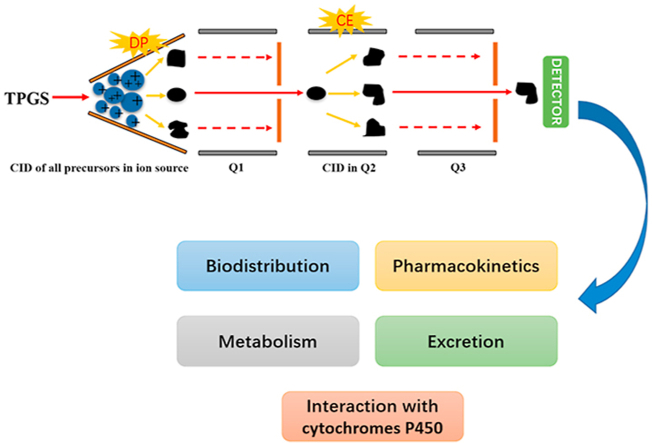
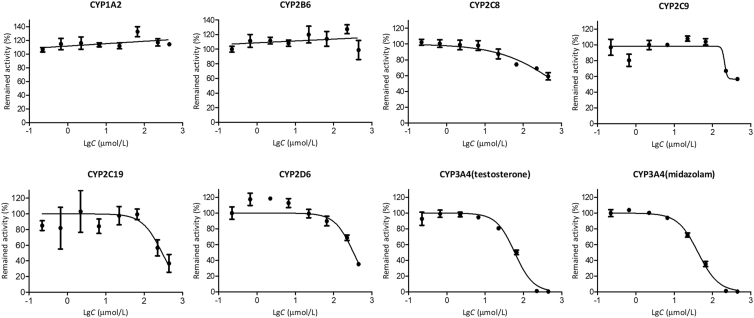
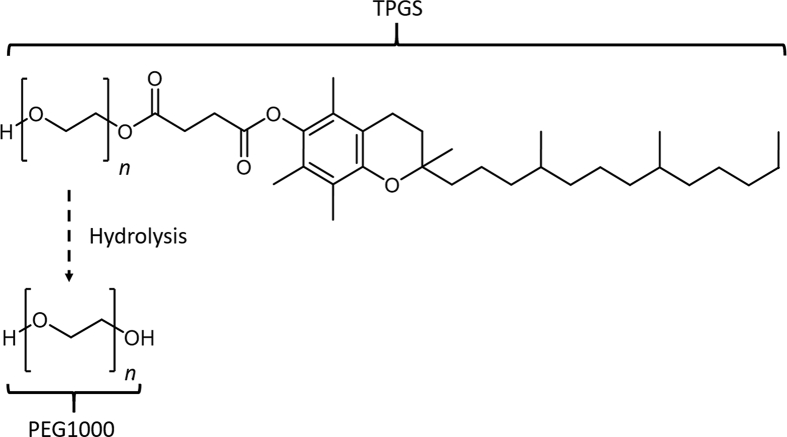
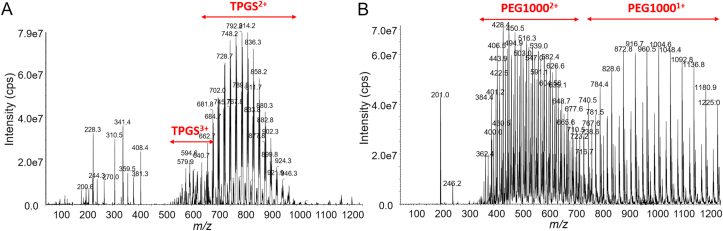
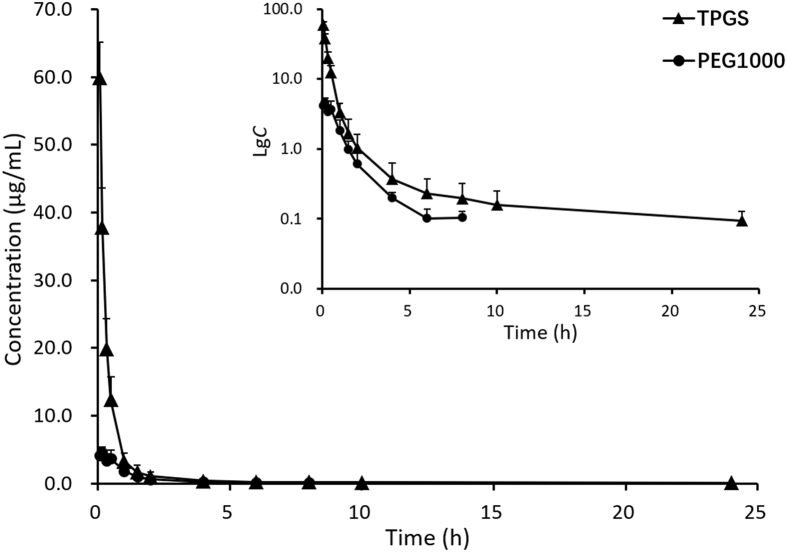
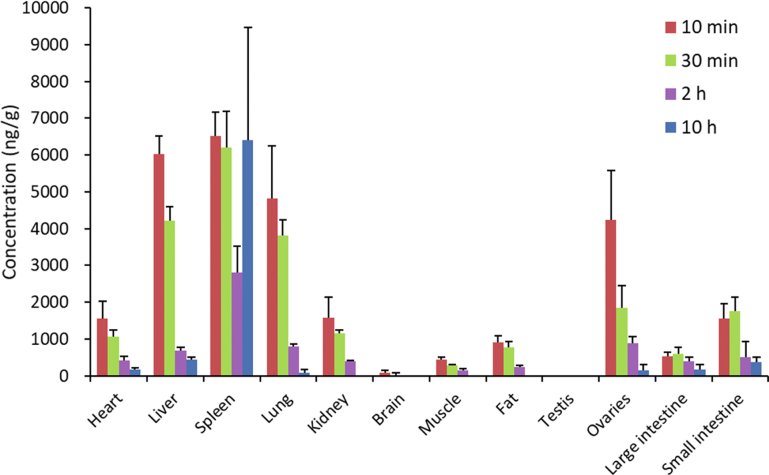
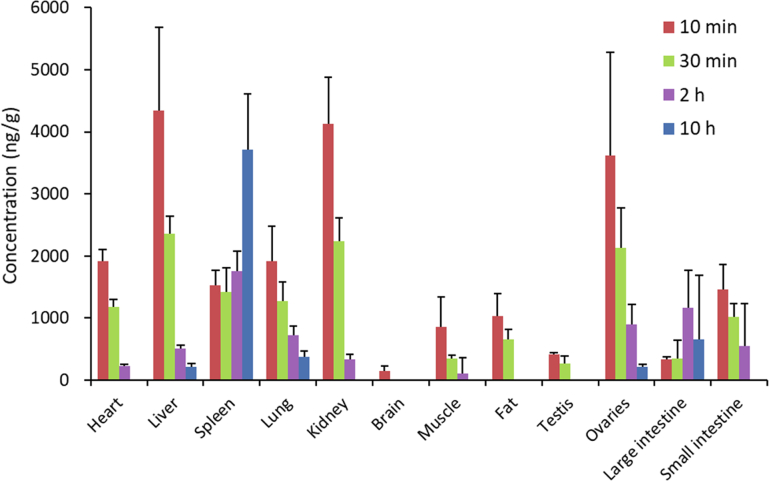
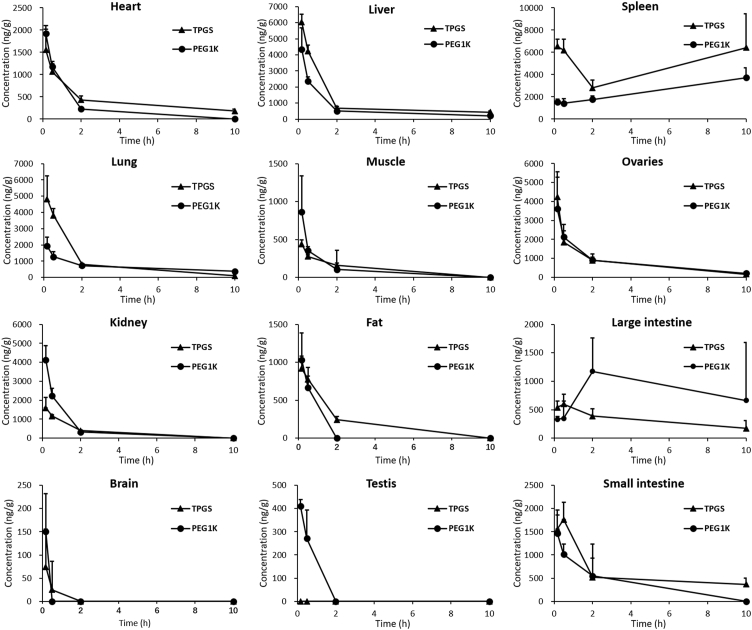
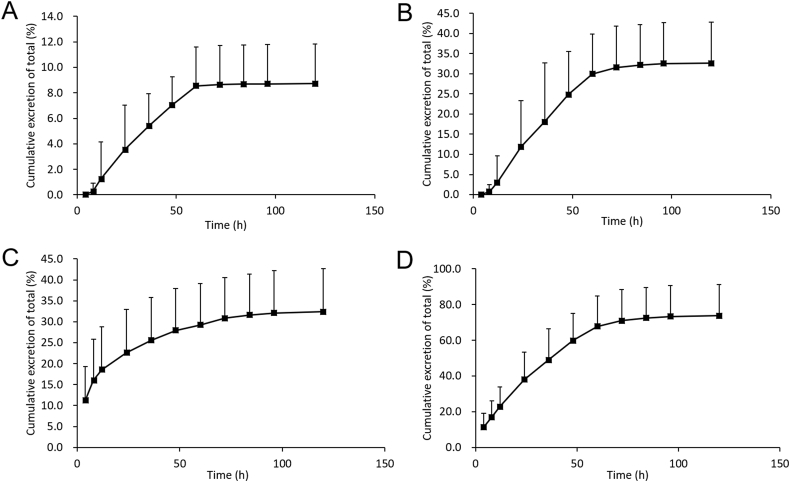
d--Tocopheryl polyethylene glycol 1000 succinate (TPGS, also known as vitamin E-TPGS) is a biodegradable amphiphilic polymer prepared by esterification of vitamin E with polyethylene glycol (PEG) 1000. It is approved by the US Food and Drug Administration (FDA) and has found wide application in nanocarrier drug delivery systems (NDDS). Fully characterizing the fate and pharmacokinetic behavior of TPGS is important to promote the further development of TPGS-based NDDS. However, to date, a bioassay for the simultaneous quantitation of TPGS and its metabolite, PEG1000, has not been reported. In the present study, we developed such an innovative bioassay and used it to investigate the pharmacokinetics, tissue distribution and excretion of TPGS and PEG1000 in rat after oral and intravenous dosing. In addition, we evaluated the interaction of TPGS with cytochromes P450 (CYP450s) in human liver microsomes. The results show that TPGS is poorly absorbed after oral administration with very low bioavailability and that, after intravenous administration, TPGS and PEG1000 are mainly distributed to the spleen, liver, lung and kidney before both being slowly eliminated in urine and feces as PEG1000. studies show the inhibition of human CYP450 enzymes by TPGS is limited to a weak inhibition of CYP3A4. Overall, our results provide a clear picture of the fate of TPGS which will be useful in evaluating the safety of TPGS-based NDDS in clinical use and in promoting their further development.
d-α-生育酚聚乙二醇1000琥珀酸酯(TPGS,也称为维生素E-TPGS)是一种可生物降解的两亲性聚合物,由维生素E与聚乙二醇(PEG)1000酯化制备而成。它已获得美国食品药品监督管理局(FDA)的批准,并在纳米载体药物递送系统(NDDS)中得到了广泛应用。全面表征TPGS的命运和药代动力学行为对于促进基于TPGS的NDDS的进一步发展至关重要。然而,迄今为止,尚未有同时定量TPGS及其代谢产物PEG1000的生物测定方法的报道。在本研究中,我们开发了这样一种创新的生物测定方法,并用于研究大鼠口服和静脉给药后TPGS和PEG1000的药代动力学、组织分布和排泄情况。此外,我们评估了TPGS与人肝微粒体中细胞色素P450(CYP450s)的相互作用。结果表明,TPGS口服给药后吸收较差,生物利用度极低,静脉给药后,TPGS和PEG1000主要分布于脾脏、肝脏、肺和肾脏,随后两者均以PEG1000的形式缓慢经尿液和粪便排出。研究表明,TPGS对人CYP450酶的抑制作用仅限于对CYP3A4的微弱抑制。总体而言,我们的结果清晰地呈现了TPGS的命运,这将有助于评估基于TPGS的NDDS在临床应用中的安全性,并促进其进一步发展。