Hospital of Chengdu University of Traditional Chinese Medicine, No. 39 shi-er-qiao Road, Chengdu, 610072, Sichuan Province, People's Republic of China.
Chengdu University of Traditional Chinese Medicine, No. 1166 Liu-tai Avenue, Chengdu, 611137, Sichuan Province, People's Republic of China.
J Orthop Surg Res. 2022 Jul 23;17(1):360. doi: 10.1186/s13018-022-03249-4.
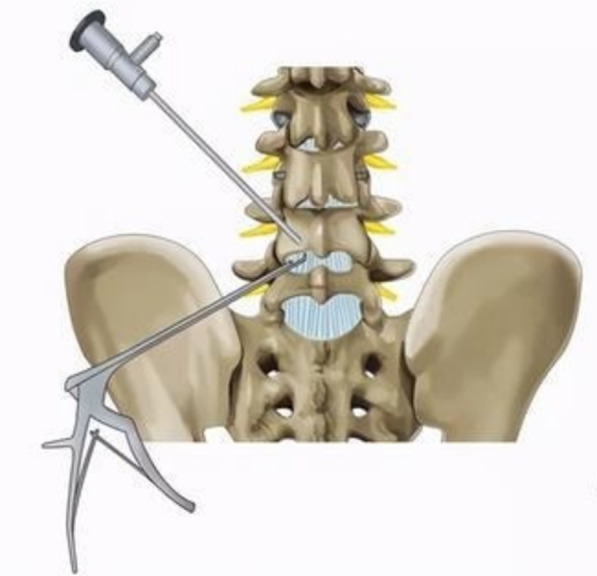
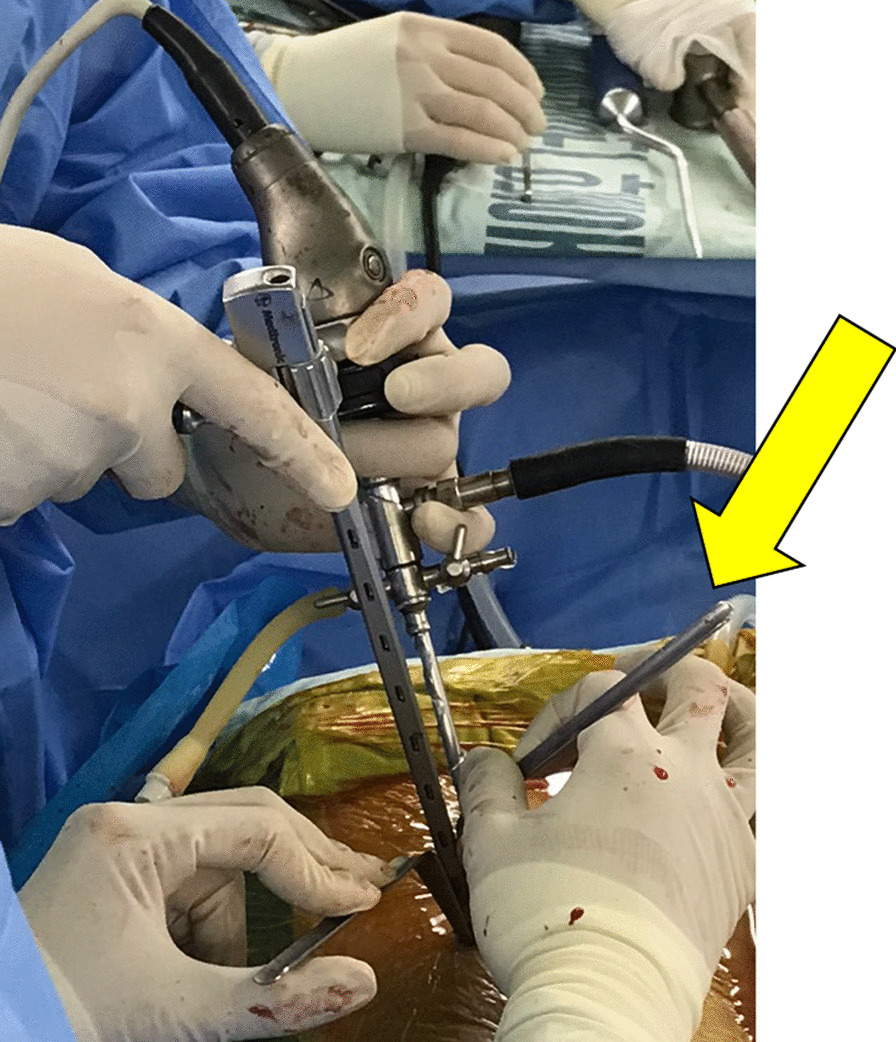
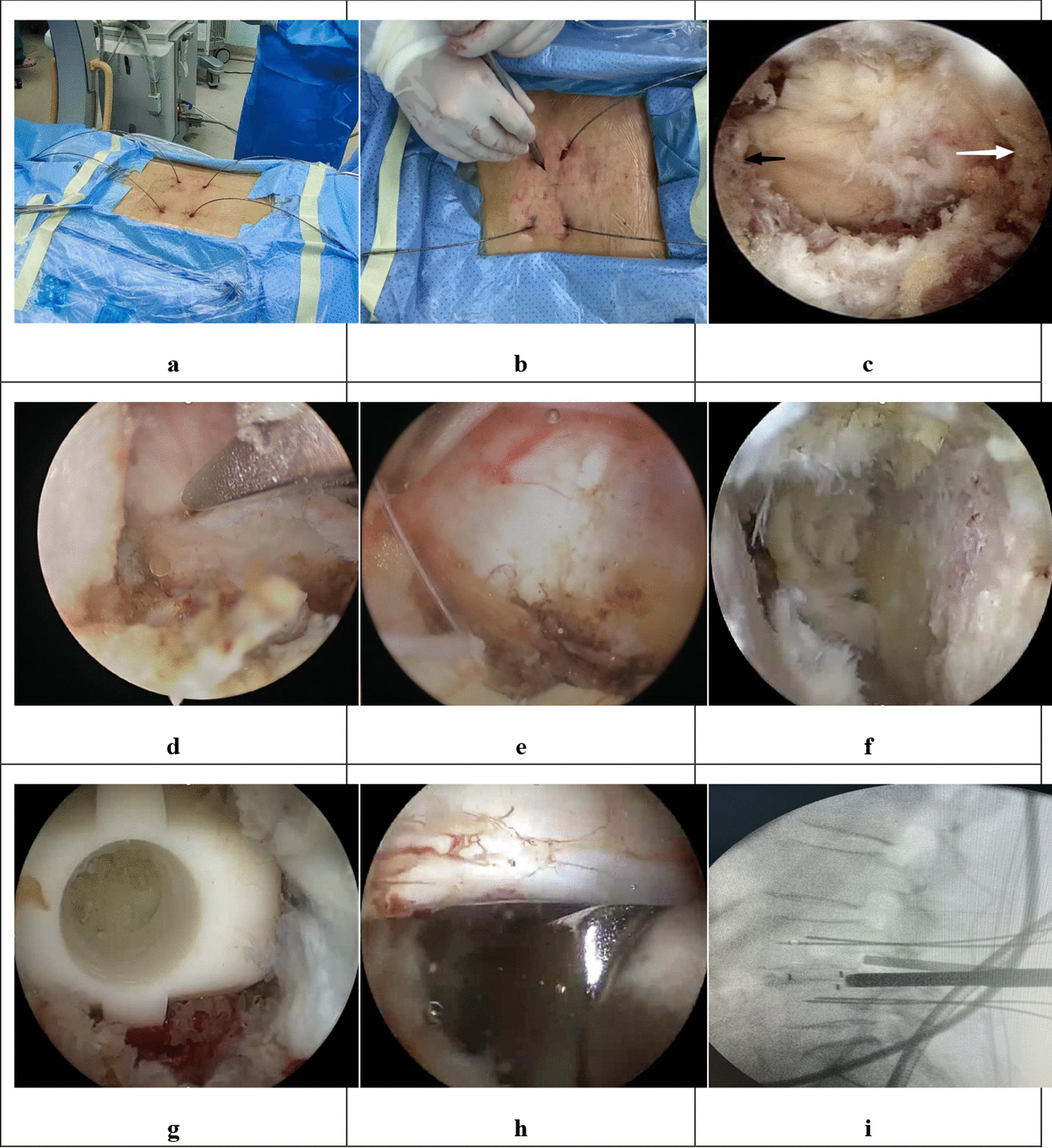
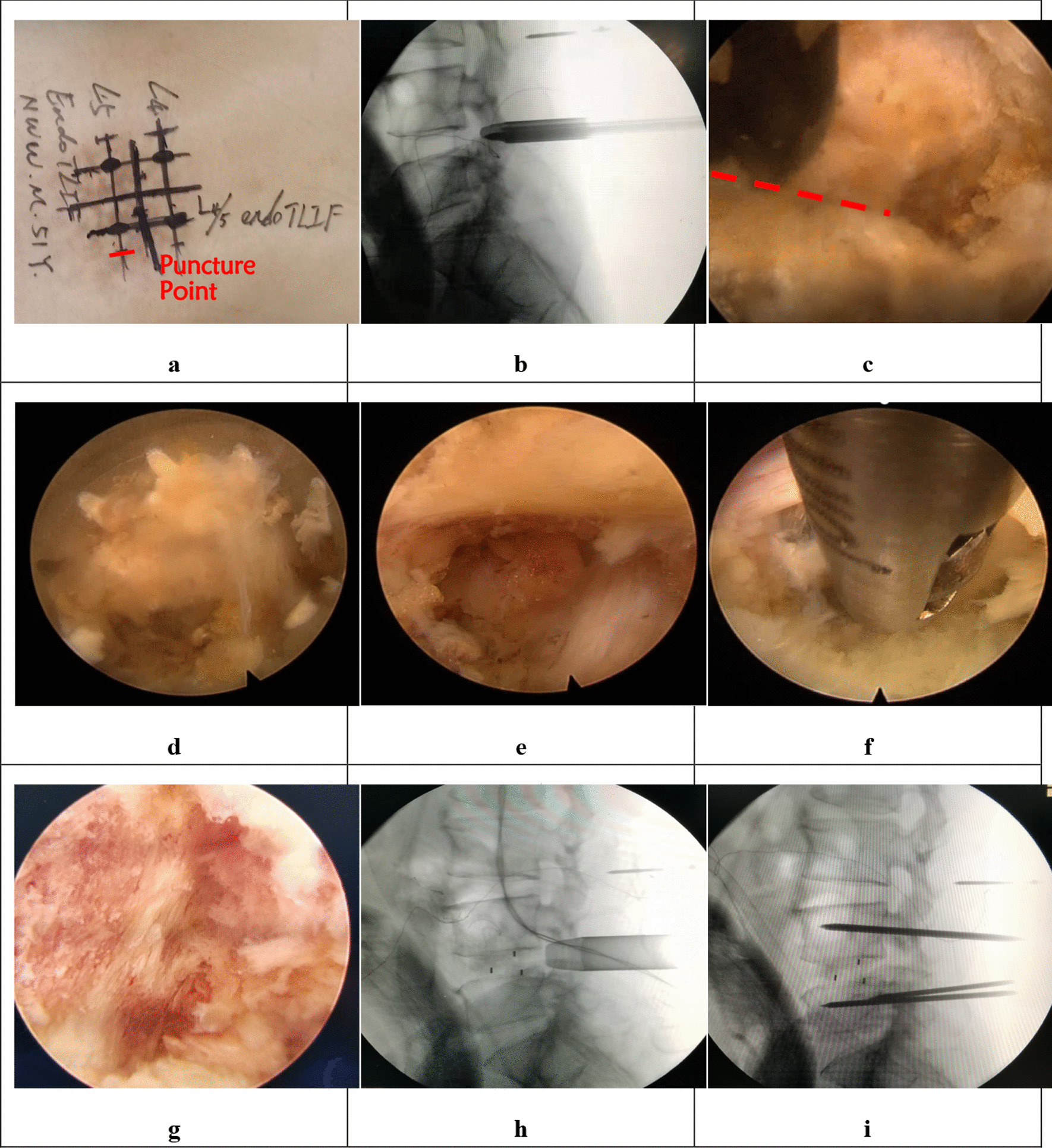
To compare the short-term outcomes of unilateral biportal endoscopic lumbar interbody fusion (BLIF) and uniportal endoscopic lumbar interbody fusion (ULIF).
Sixty patients diagnosed with L4/5 spinal stenosis who underwent BLIF and ULIF were included (30 in each group). Clinical evaluation was performed preoperatively and postoperatively in the 1st week, 1st month, and 1st year. Factors such as the visual analogue score (VAS), Oswestry Disability Index (ODI), operative time, surgical complications, and radiological outcomes (fusion rate, screw loosening, and cage subsidence) were compared between the two groups.
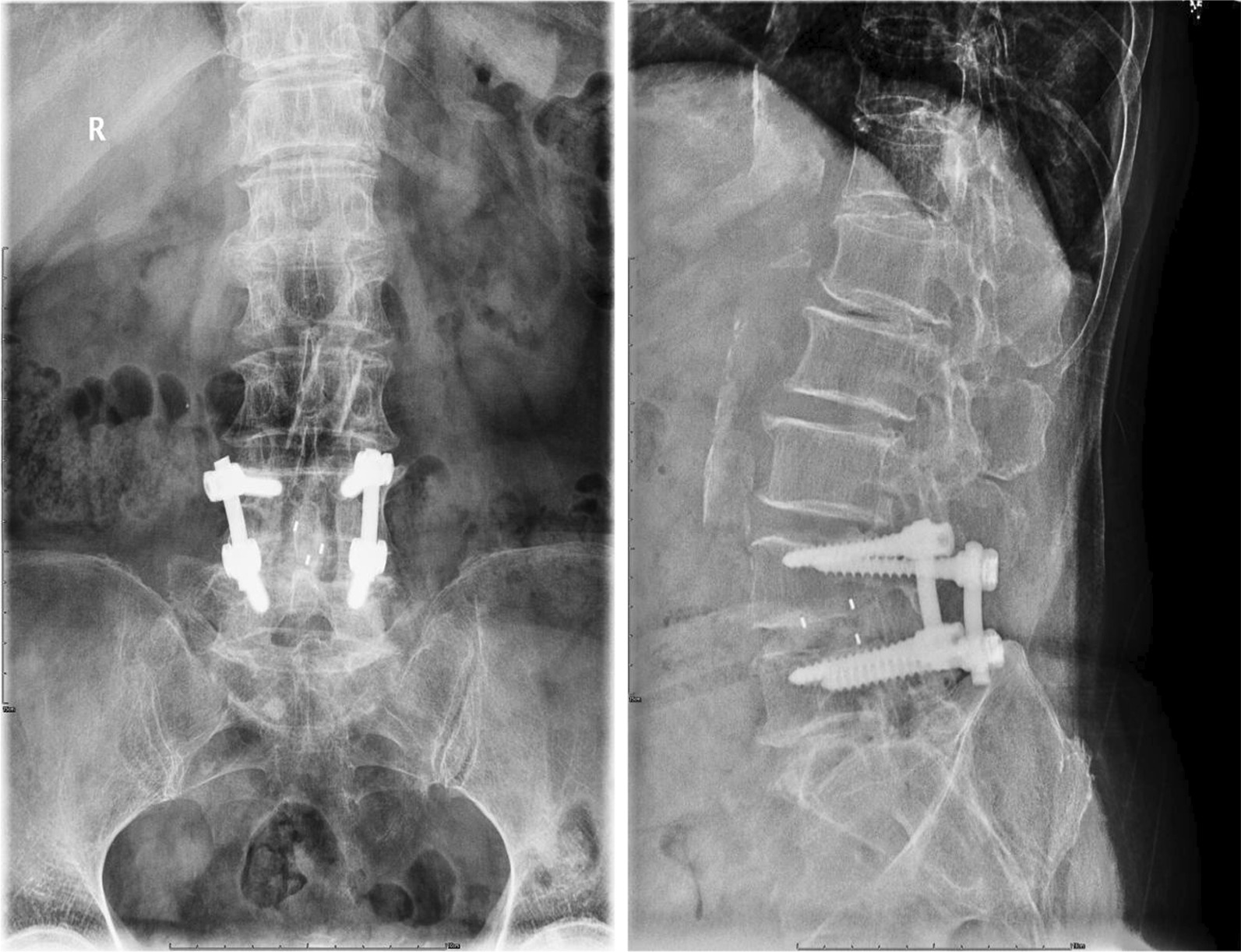
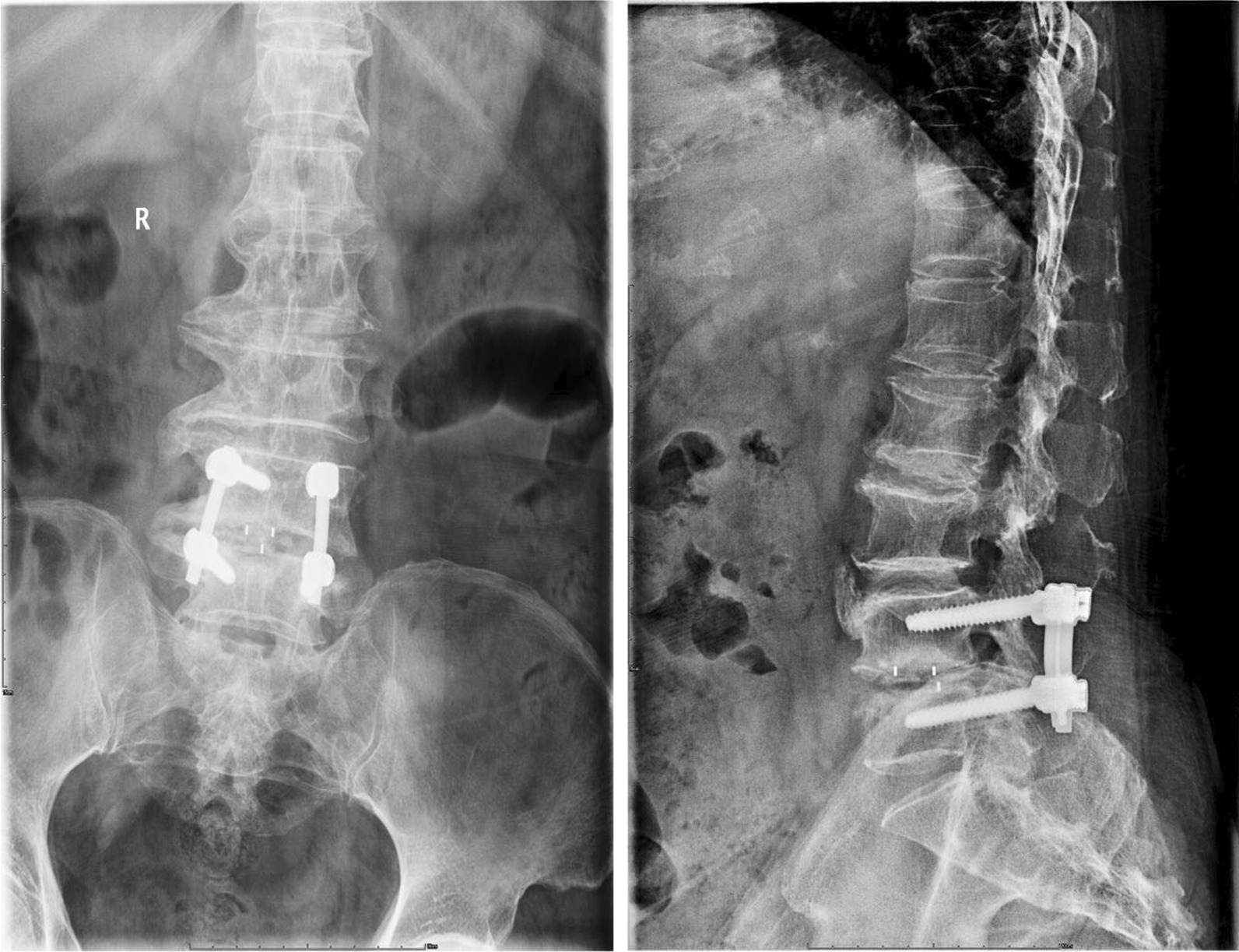
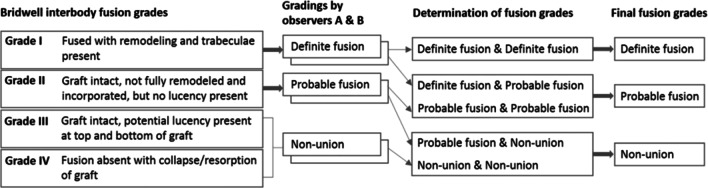
All patients showed improved mean VAS and ODI at all three postoperative follow-ups, and no statistically significant differences were detected between the BLIF and ULIF groups. The mean operative time in the BLIF group was shorter than that in the ULIF group. Nerve root injury occurred in two patients in the BLIF group, while leakage of cerebrospinal fluid occurred in one patient in the ULIF group. All adverse events were treated adequately prior to discharge. The fusion rates with definite and probable grades were significantly higher in the BLIF group than that in the ULIF group. One case of cage subsidence with no screw loosening occurred in each group.
Both BLIF and ULIF are safe and effective surgical techniques. Compared with ULIF, BLIF has the advantages of shorter operative time and a higher fusion rate. Other merits of BLIF include a wider surgical field, greater maneuverability of instruments, visibility during cage implantation, and transverse orientation of the cage.
比较单侧双通道内镜下腰椎间融合术(BLIF)和单通道内镜下腰椎间融合术(ULIF)的短期疗效。
纳入 60 例 L4/5 椎管狭窄症患者,分别行 BLIF(30 例)和 ULIF(30 例)。分别于术前、术后 1 周、1 个月和 1 年进行临床评估。比较两组患者的视觉模拟评分(VAS)、Oswestry 功能障碍指数(ODI)、手术时间、手术并发症及影像学结果(融合率、螺钉松动、椎间融合器下沉)。
两组患者术后 3 个随访时间点的 VAS 和 ODI 均较术前改善,且两组间差异无统计学意义。BLIF 组的平均手术时间短于 ULIF 组。BLIF 组有 2 例发生神经根损伤,ULIF 组有 1 例发生脑脊液漏。所有不良事件在出院前均得到妥善处理。BLIF 组的融合率(明确和可能融合)明显高于 ULIF 组。两组各有 1 例出现椎间融合器下沉但无螺钉松动。
BLIF 和 ULIF 都是安全有效的手术方法。与 ULIF 相比,BLIF 具有手术时间短、融合率高的优点。BLIF 的其他优点包括手术视野更宽、器械操作更灵活、在植入椎间融合器时视野更好、椎间融合器呈横向放置。