INSERM, Unité 1193, Villejuif, F-94800, France.
Université Paris-Saclay, UMR-S 1193, Villejuif, F-94800, France.
Commun Biol. 2022 Jul 25;5(1):740. doi: 10.1038/s42003-022-03637-w.
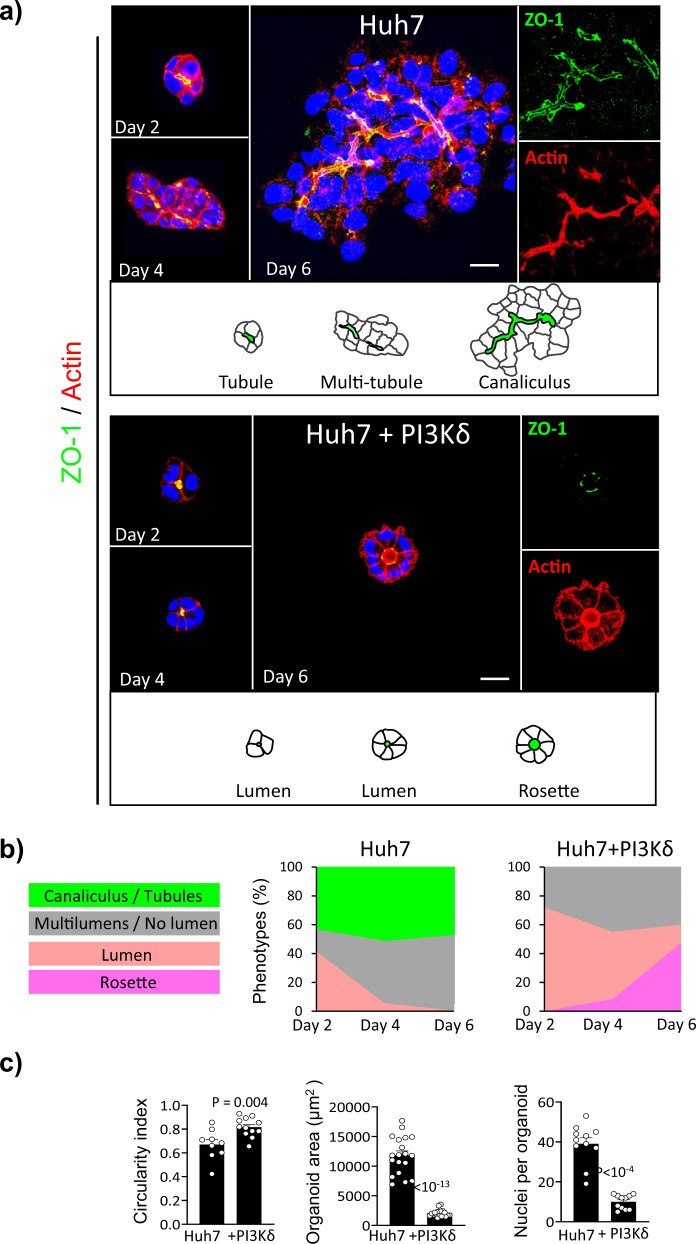
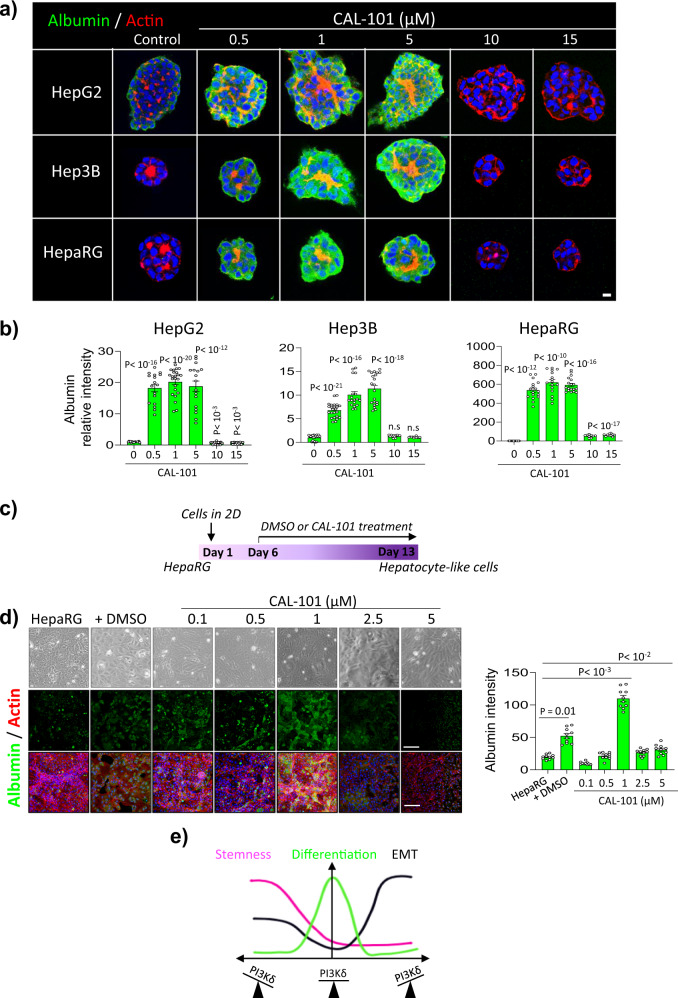
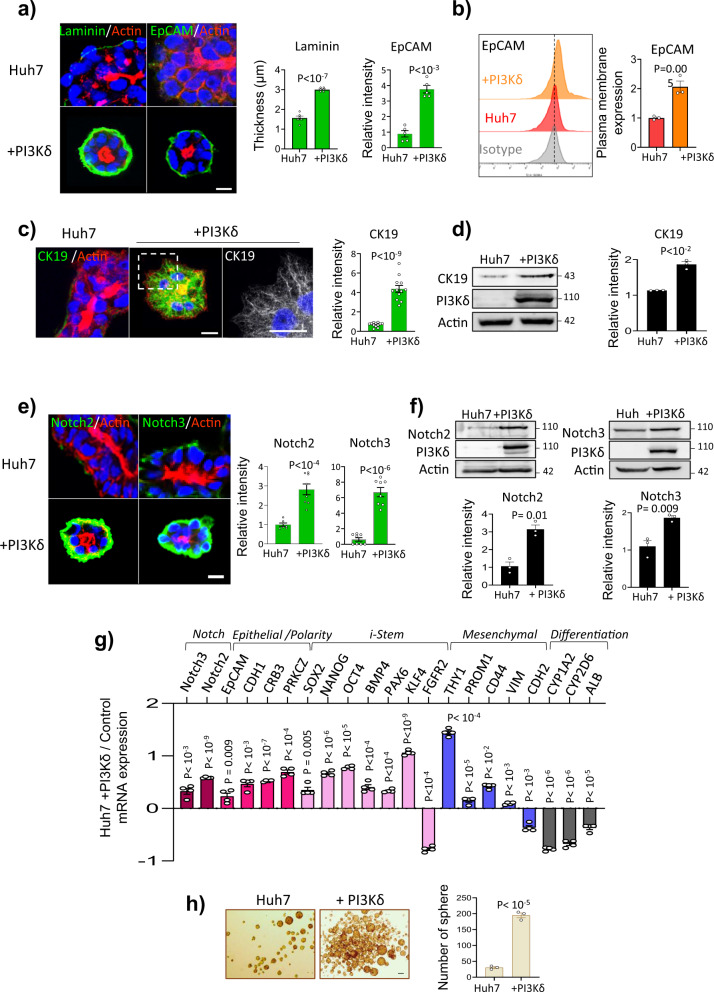
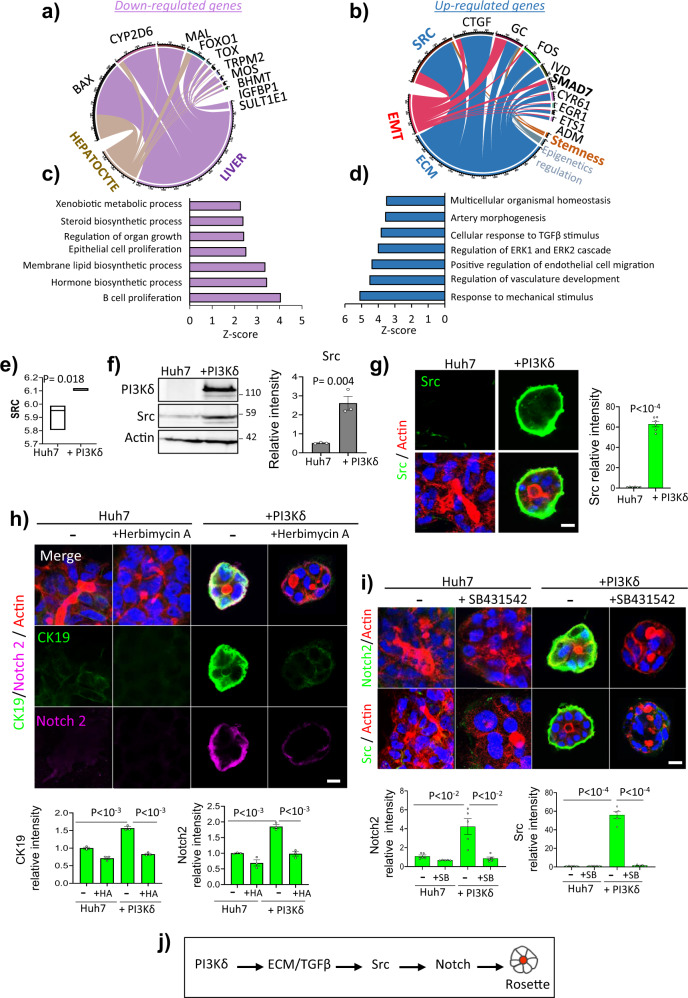
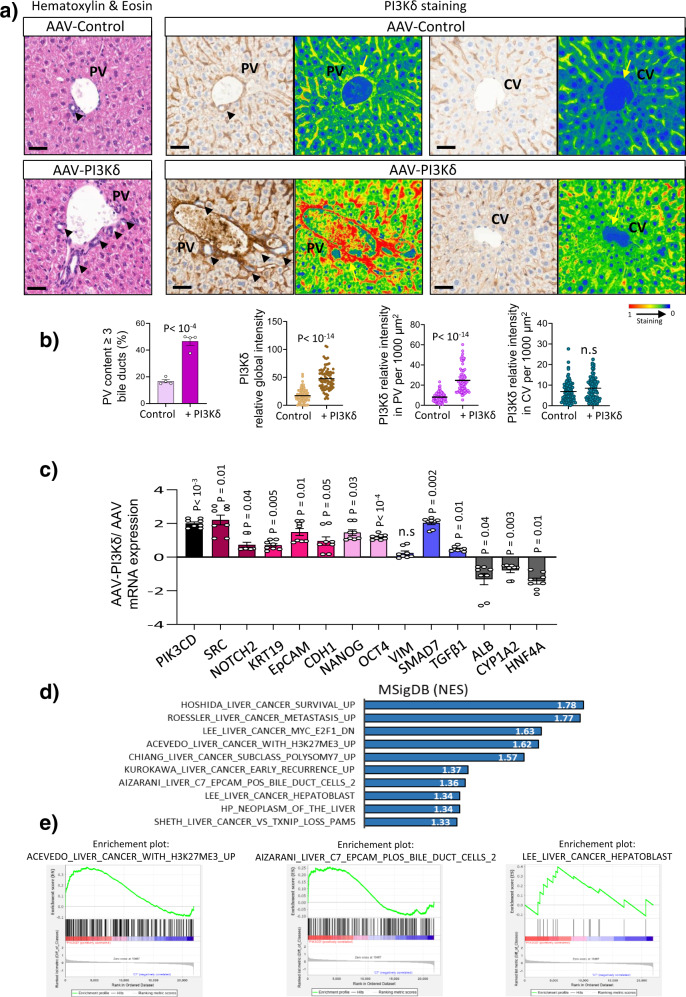
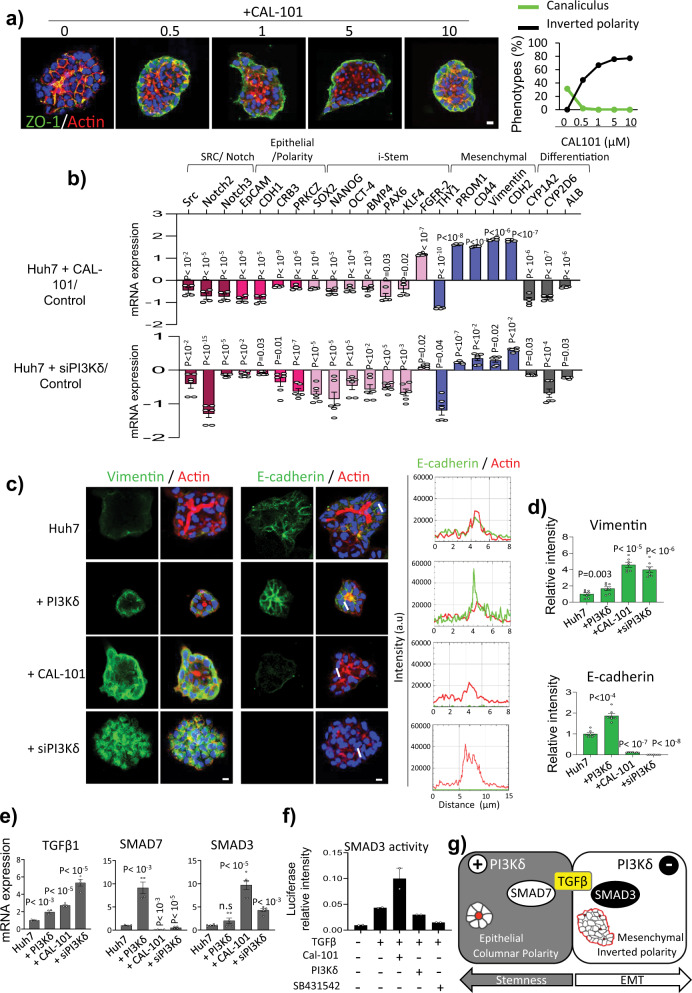
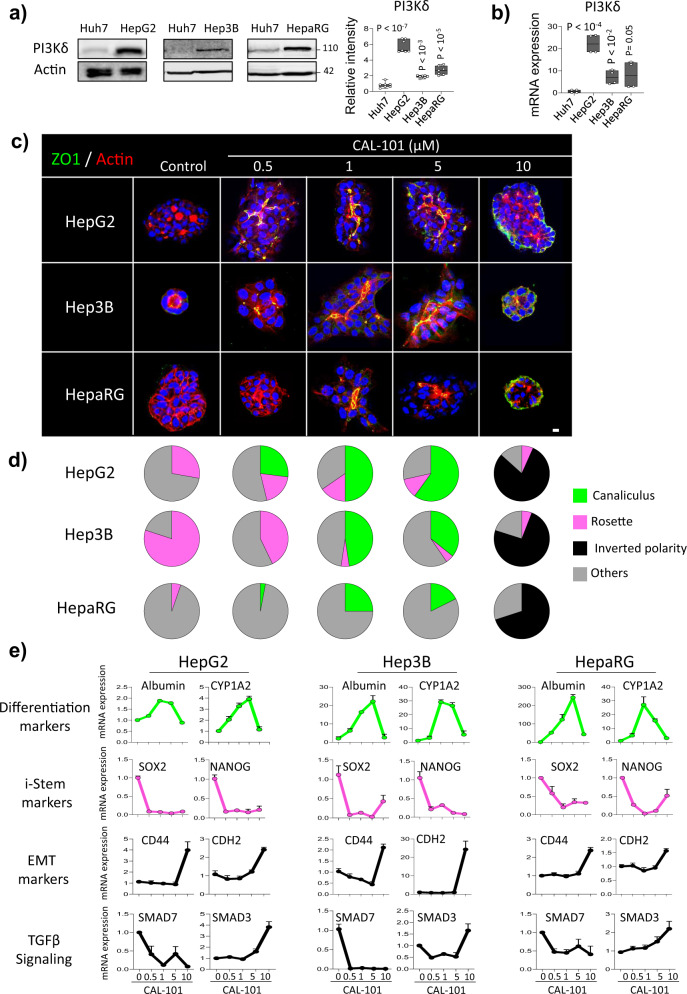
The stem cells involved in formation of the complex human body are epithelial cells that undergo apicobasal polarization and form a hollow lumen. Epithelial plasticity manifests as epithelial to mesenchymal transition (EMT), a process by which epithelial cells switch their polarity and epithelial features to adopt a mesenchymal phenotype. The connection between the EMT program and acquisition of stemness is now supported by a substantial number of reports, although what discriminates these two processes remains largely elusive. In this study, based on 3D organoid culture of hepatocellular carcinoma (HCC)-derived cell lines and AAV8-based protein overexpression in the mouse liver, we show that activity modulation of isoform δ of phosphoinositide 3-kinase (PI3Kδ) controls differentiation and discriminates between stemness and EMT by regulating the transforming growth factor β (TGFβ) signaling. This study provides an important tool to control epithelial cell fate and represents a step forward in understanding the development of aggressive carcinoma.
参与复杂人体形成的干细胞是上皮细胞,它们经历顶端-基底极化并形成中空腔。上皮细胞的可塑性表现为上皮细胞向间充质转化(EMT),这是一个上皮细胞改变其极性和上皮特征以获得间充质表型的过程。尽管区分这两个过程的因素在很大程度上仍难以捉摸,但大量报告现在支持 EMT 程序和获得干性之间的联系。在这项研究中,基于肝癌(HCC)衍生细胞系的 3D 类器官培养和小鼠肝脏中的 AAV8 基于蛋白过表达,我们表明磷酸肌醇 3-激酶(PI3Kδ)同工型 δ 的活性调节控制分化,并通过调节转化生长因子β(TGFβ)信号来区分干性和 EMT。这项研究提供了一种控制上皮细胞命运的重要工具,并代表着在理解侵袭性癌的发展方面向前迈出了一步。