Quiroz Consuelo, Murga Romina, Giraldo Juan David, Gutierrez Leopoldo, Uribe Lina
Escuela de Ingeniería Civil de Minas, Universidad de Talca, Curicó 334000, Chile.
Instituto de Acuicultura, Universidad Austral de Chile, Puerto Montt 5480000, Chile.
Polymers (Basel). 2022 Jul 12;14(14):2834. doi: 10.3390/polym14142834.
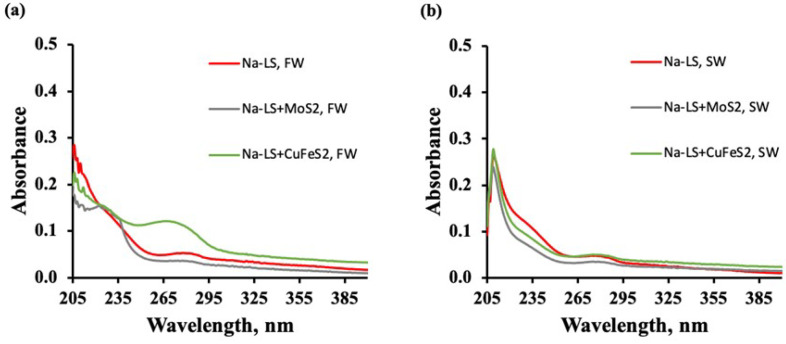
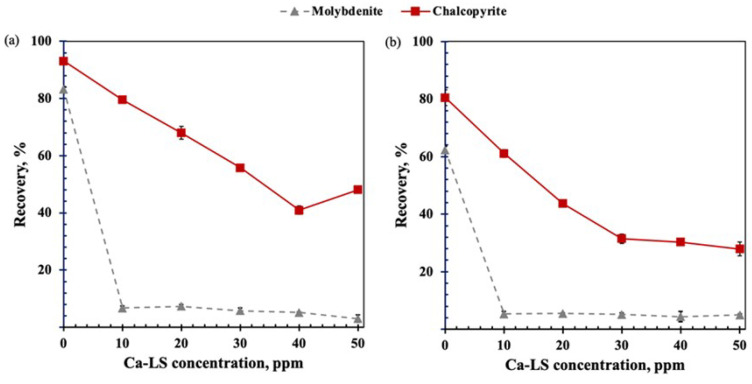
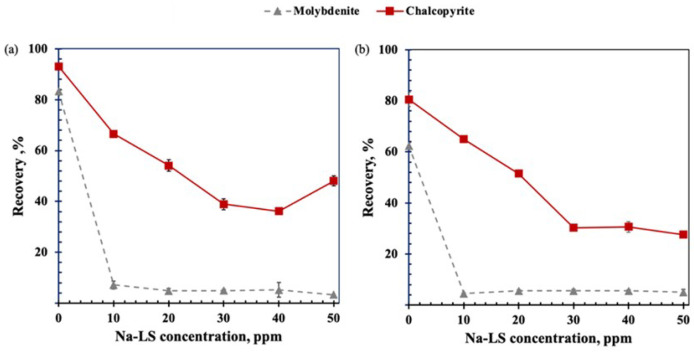
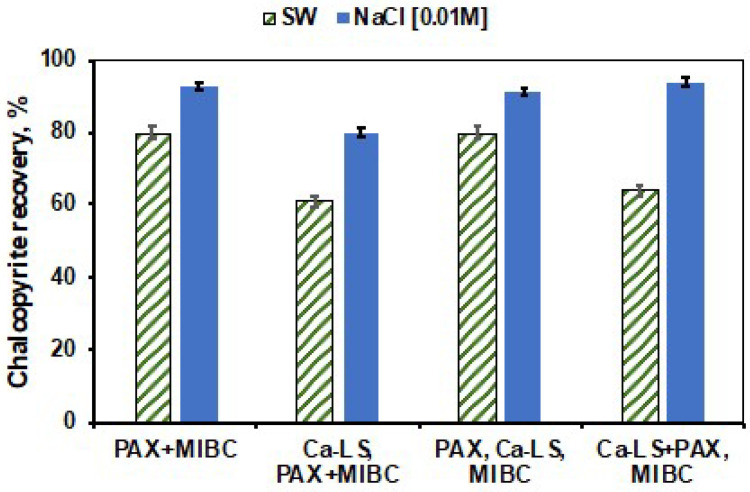
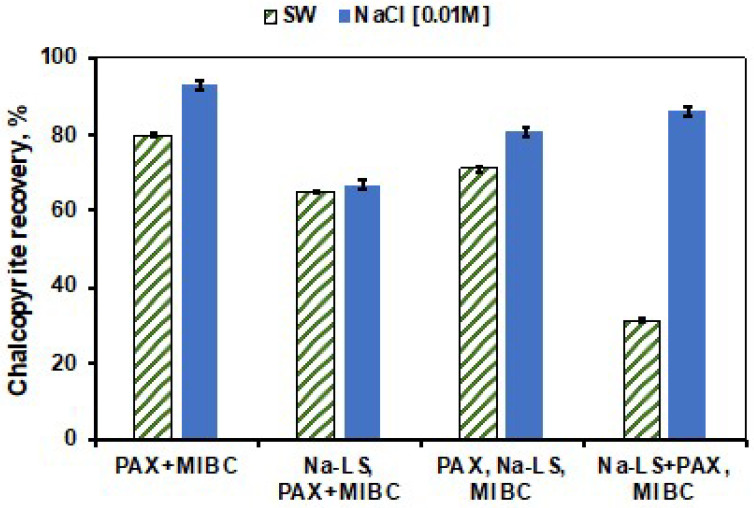
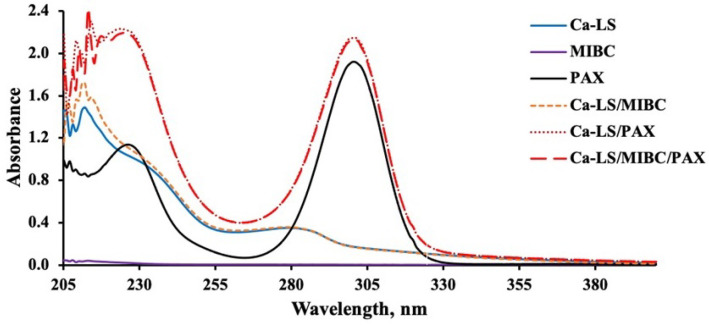
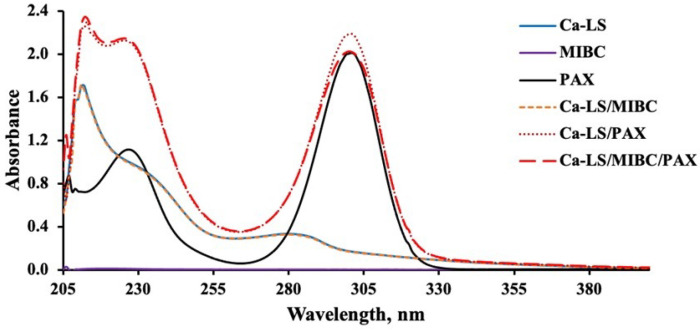
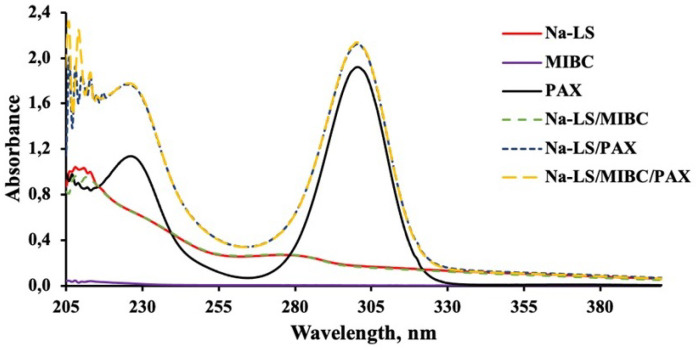
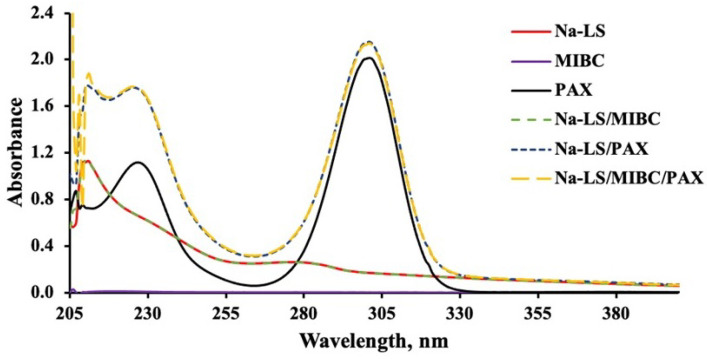
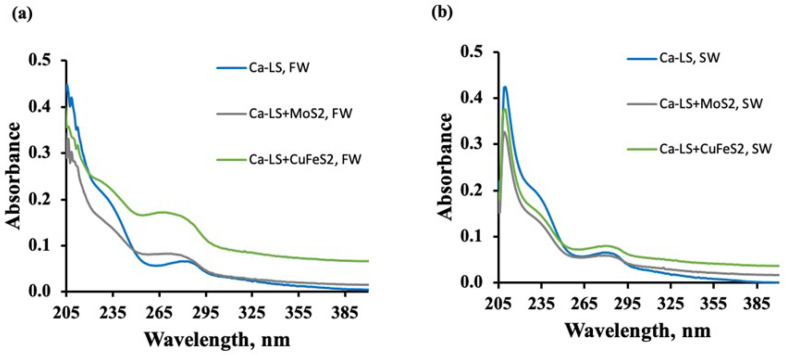
The selective separation of molybdenite from copper sulfide concentrate in flotation process is realized using sodium hydrosulfide (NaHS) to depress the chalcopyrite and permit only the flotation of the molybdenite. However, this reagent is a highly toxic and flammable gas. The objective of this research was to study the feasible application of commercial lignosulfonates (LSs) in the separation by froth flotation process of molybdenite and chalcopyrite in seawater to present a novel application for LSs, as well as an alternative reagent to sodium hydrosulfide (NaHS). To achieve this, microflotation, absorbance tests and zeta potential measures were performed at pH 8 in seawater and 0.01 M NaCl. The results obtained in this study showed that it is possible to achieve selective separation of copper and molybdenum in both aqueous media due to high depressant effect of molybdenite and low depression of chalcopyrite in microflotation tests at 10 ppm of LSs, when the collector, PAX, is added prior to the addition of LSs. Absorbance study and zeta potential measurements showed that LSs adhere more to the molybdenite surface in seawater than in freshwater. This is related to the high ionic charge of the media that influences a greater interaction of LSs with the mineral surface.
在浮选过程中,通过使用硫氢化钠(NaHS)抑制黄铜矿,仅实现辉钼矿的浮选,从而实现从硫化铜精矿中选择性分离辉钼矿。然而,这种试剂是一种剧毒且易燃的气体。本研究的目的是研究商业木质素磺酸盐(LSs)在海水中通过泡沫浮选法分离辉钼矿和黄铜矿的可行性应用,以展示LSs的一种新应用,以及作为硫氢化钠(NaHS)的替代试剂。为实现这一目标,在pH值为8的海水和0.01 M氯化钠中进行了微浮选、吸光度测试和zeta电位测量。本研究获得的结果表明,当在添加LSs之前添加捕收剂PAX时,由于在10 ppm的LSs微浮选试验中辉钼矿的抑制效果高而黄铜矿的抑制效果低,在两种水性介质中都可以实现铜和钼的选择性分离。吸光度研究和zeta电位测量表明,与淡水相比,LSs在海水中更易附着在辉钼矿表面。这与介质的高离子电荷有关,该电荷影响LSs与矿物表面的更大相互作用。