BASF SE, Carl-Bosch-Str. 38, Ludwigshafen 67056, Germany.
Department of Environmental Geosciences, Centre for Microbiology and Environmental Systems Science, University of Vienna, Josef-Holaubek-Platz 2, Vienna 1090, Austria.
Environ Sci Technol. 2022 Aug 16;56(16):11323-11334. doi: 10.1021/acs.est.2c01228. Epub 2022 Jul 28.
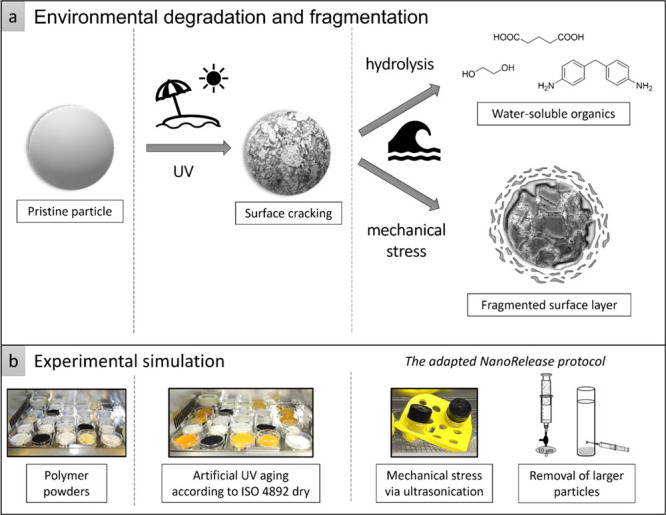
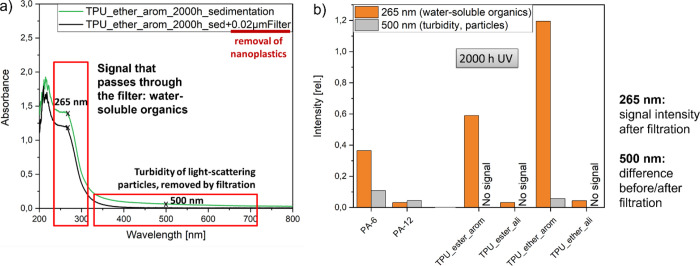
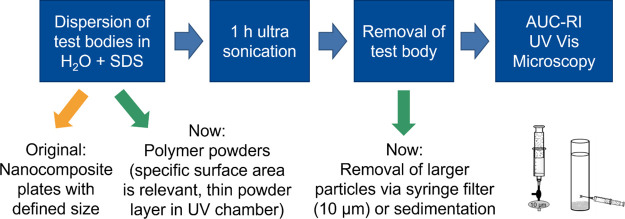
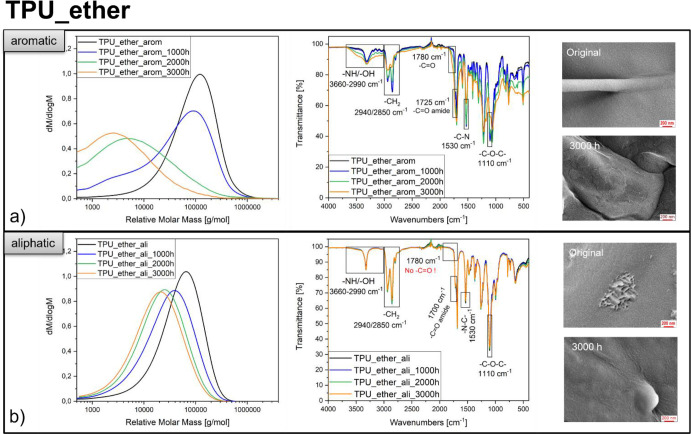
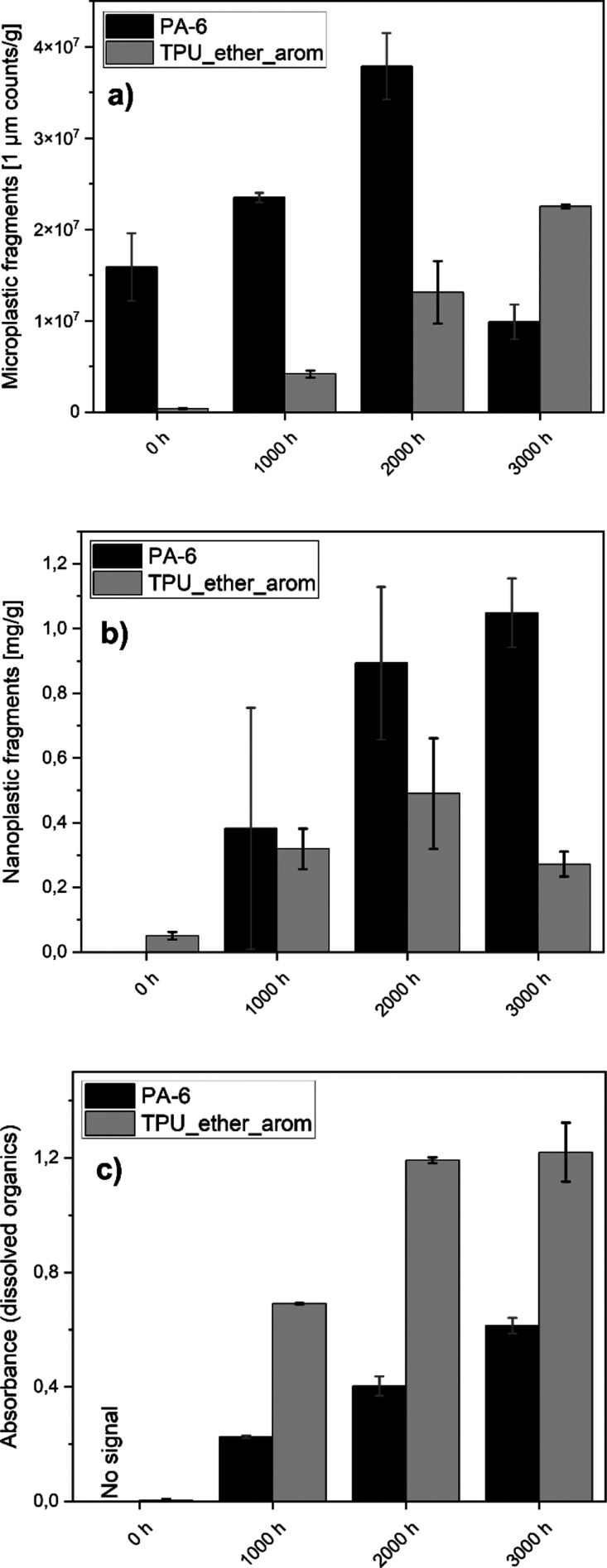
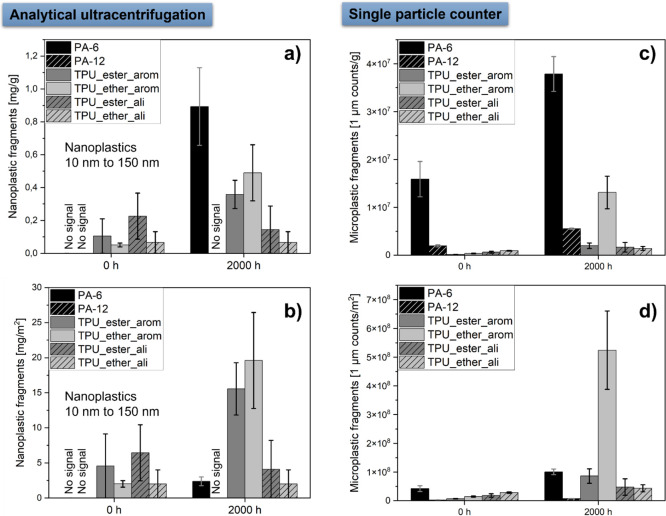
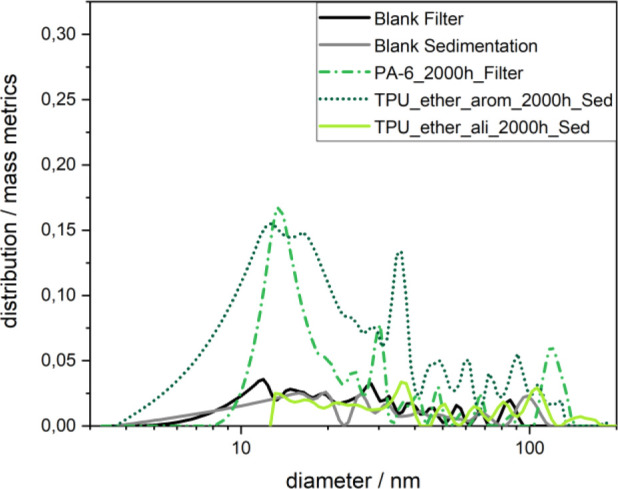
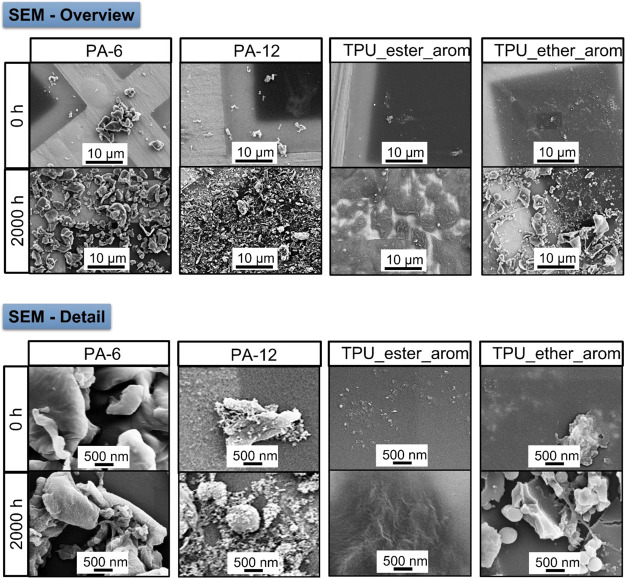
Understanding the environmental fate of microplastics is essential for their risk assessment. It is essential to differentiate size classes and degradation states. Still, insights into fragmentation and degradation mechanisms of primary and secondary microplastics into micro- and nanoplastic fragments and other degradation products are limited. Here, we present an adapted NanoRelease protocol for a UV-dose-dependent assessment and size-selective quantification of the release of micro- and nanoplastic fragments down to 10 nm and demonstrate its applicability for polyamide and thermoplastic polyurethanes. The tested cryo-milled polymers do not originate from actual consumer products but are handled in industry and are therefore representative of polydisperse microplastics occurring in the environment. The protocol is suitable for various types of microplastic polymers, and the measured rates can serve to parameterize mechanistic fragmentation models. We also found that primary microplastics matched the same ranking of weathering stability as their corresponding macroplastics and that dissolved organics constitute a major rate of microplastic mass loss. The results imply that previously formed micro- and nanoplastic fragments can further degrade into water-soluble organics with measurable rates that enable modeling approaches for all environmental compartments accessible to UV light.
了解微塑料的环境归宿对于其风险评估至关重要。区分尺寸类别和降解状态至关重要。然而,对于原生和次生微塑料碎裂和降解机制的深入了解,包括微塑料和纳米塑料碎片以及其他降解产物的形成机制仍十分有限。在此,我们提出了一种改良的 NanoRelease 方案,用于评估紫外线剂量依赖性,并对微塑料和纳米塑料碎片(小至 10nm)的释放进行尺寸选择性定量分析,且证明了该方案在聚酰胺和热塑性聚氨酯中的适用性。所测试的冷冻研磨聚合物并非来自实际的消费产品,而是在工业中处理的,因此代表了环境中存在的多分散性微塑料。该方案适用于各种类型的微塑料聚合物,并且测量的速率可用于参数化机械碎裂模型。我们还发现,原生微塑料的耐候稳定性与相应的大塑料相同,并且溶解的有机物是微塑料质量损失的主要速率。这些结果表明,以前形成的微塑料和纳米塑料碎片可以进一步降解为具有可测量速率的水溶性有机物,从而为所有可接触紫外线的环境介质建立建模方法。