Department of Biomedical Sciences and Biomedical Engineering, Faculty of Medicine, Prince of Songkla University, Hat Yai, Songkhla, Thailand 90110.
Functional Ingredients and Food Innovation Research Group, National Center for Genetic Engineering and Biotechnology (BIOTEC), National Science and Technology Development Agency, Pathumthani 12120, Thailand.
Biomed Res Int. 2022 Jul 19;2022:6565300. doi: 10.1155/2022/6565300. eCollection 2022.
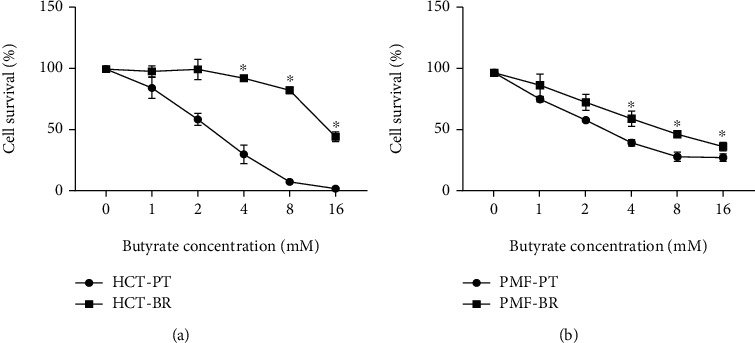
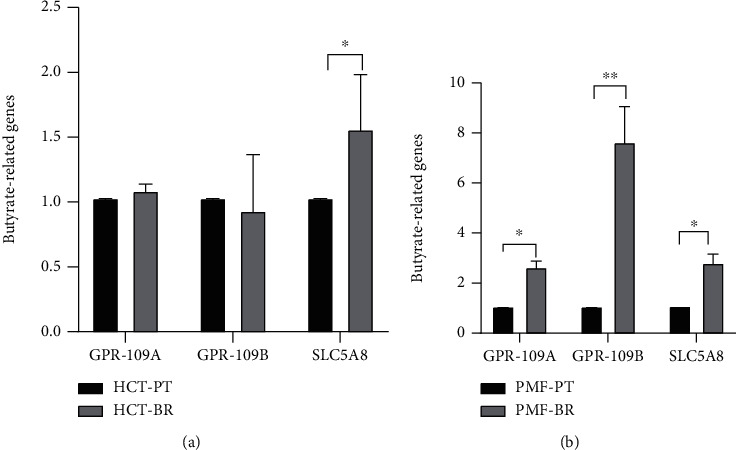
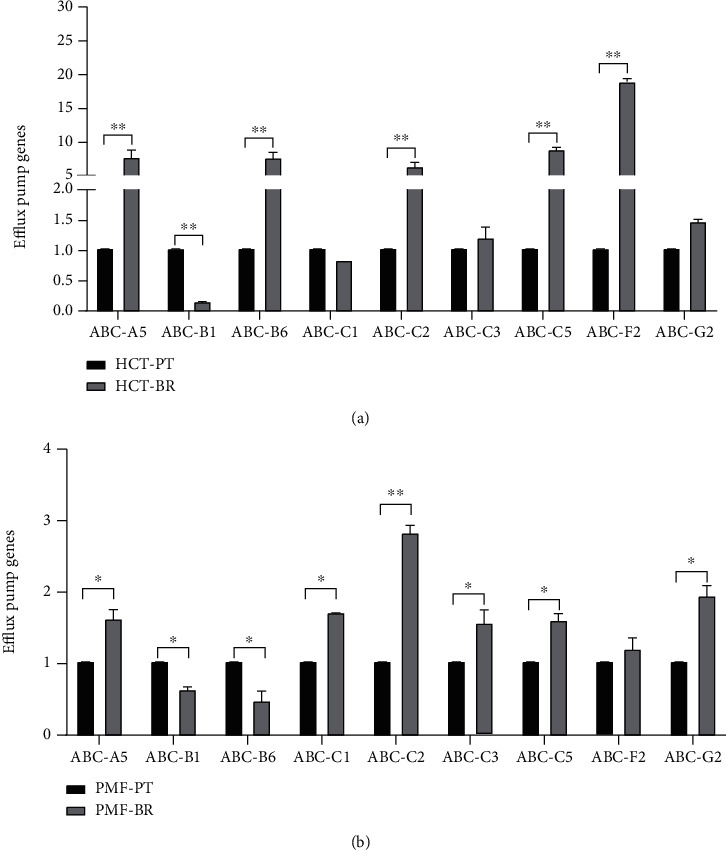
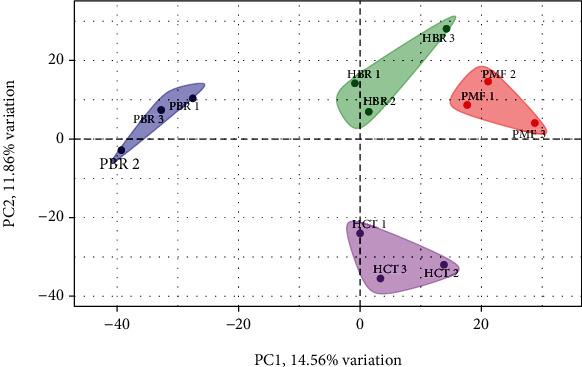
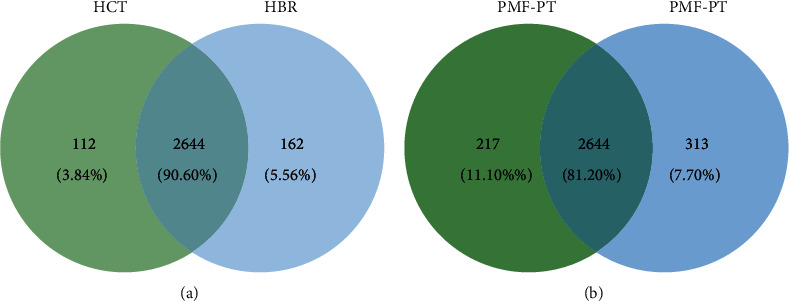
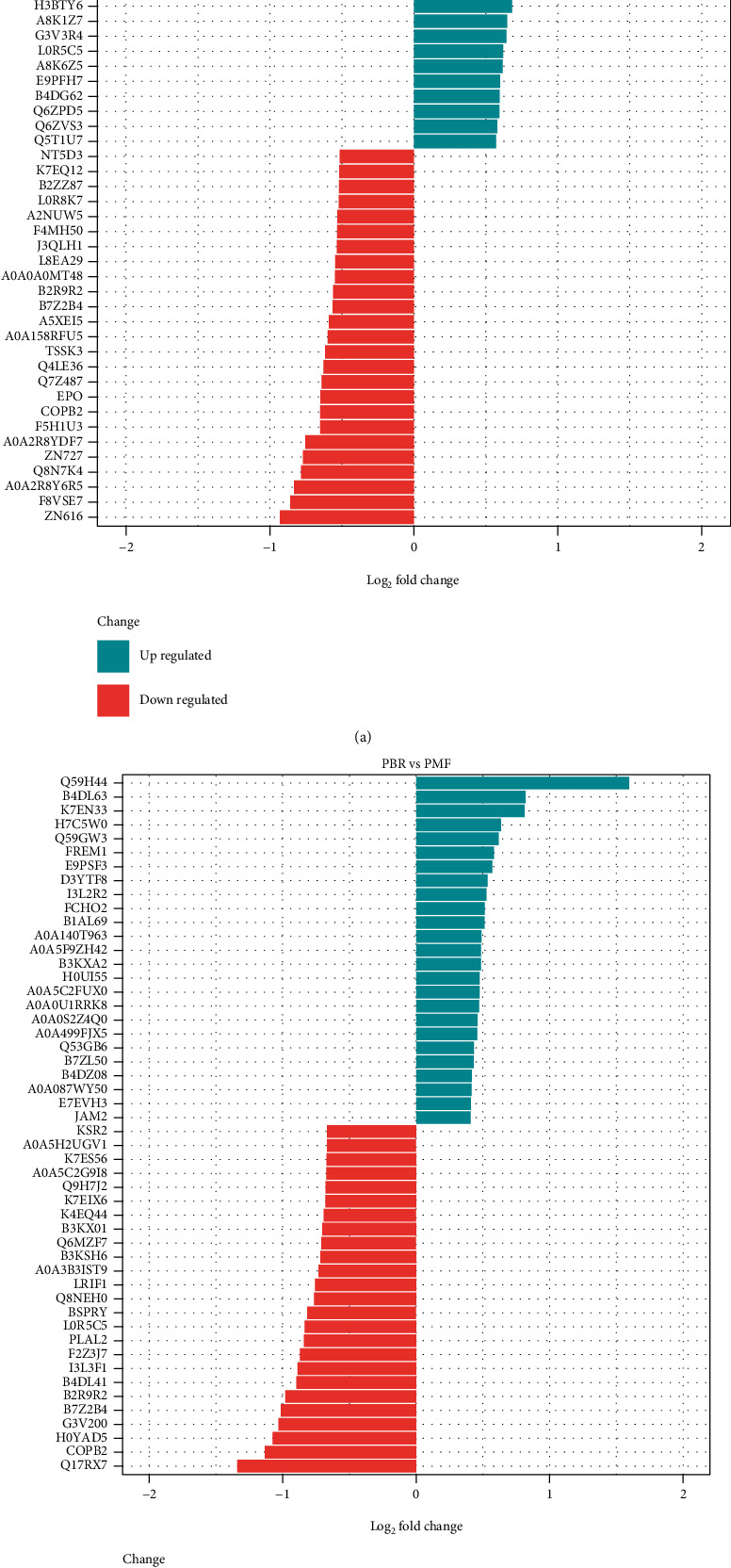
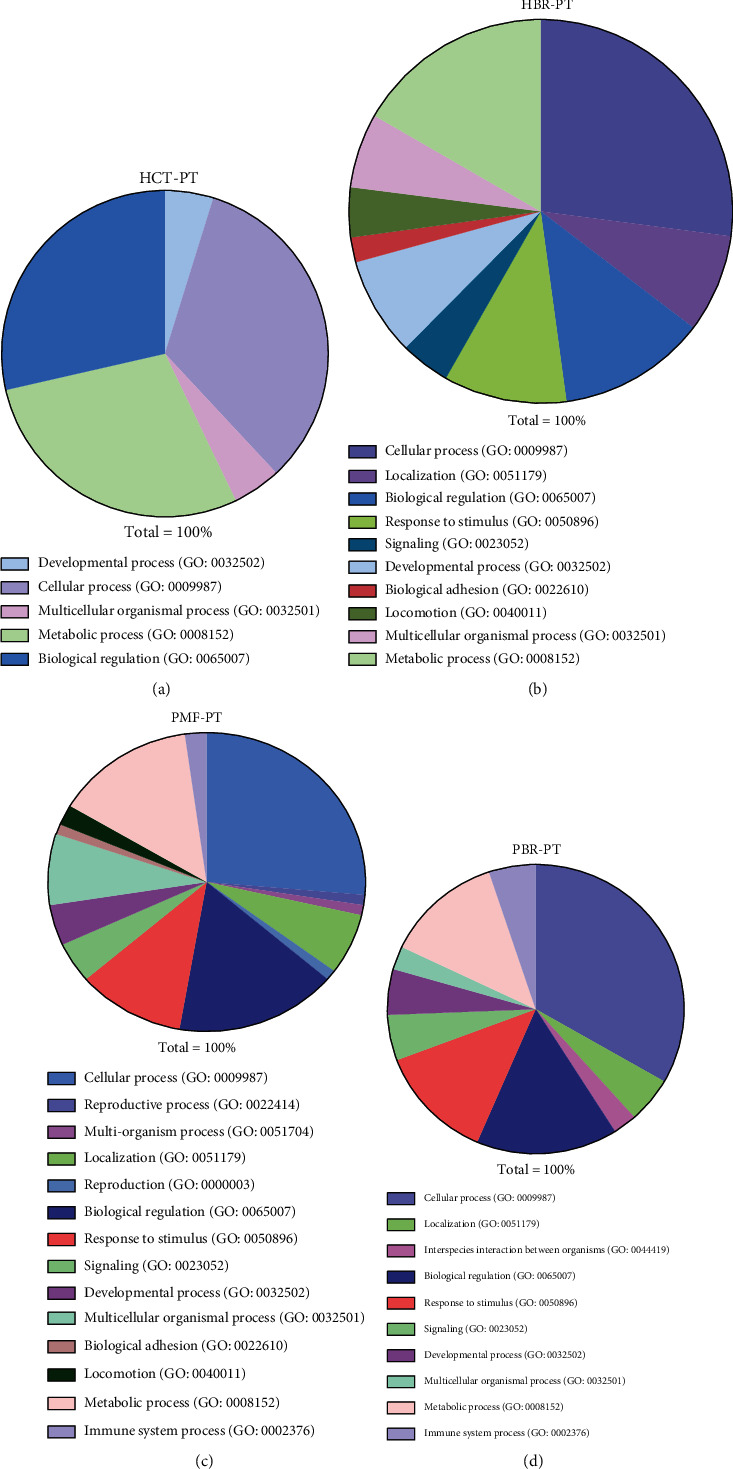
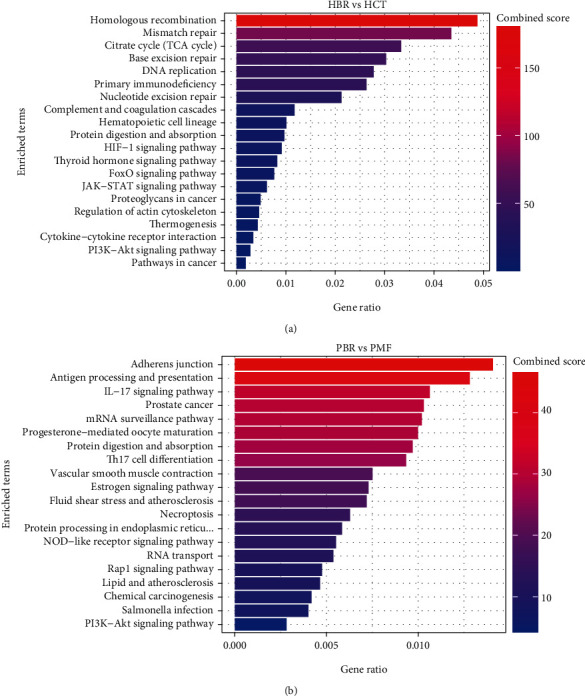
Colorectal cancer (CRC) is the third most common cancer worldwide. The gut microbiota plays a critical role in homeostasis and carcinogenesis. Butyrate, a short-chain fatty acid produced by the gut microbiota, plays a role in intestinal homeostasis and acts as an anticancer agent by inhibiting growth and inducing apoptosis. However, microbiota studies have revealed an abnormally high abundance of butyrate-producing bacteria in patients with CRC and indicated that it leads to chemoresistance. We characterized butyrate resistance in HCT-116 and PMF-K014 CRC cells after treatment with a maximum butyrate concentration of 3.2 mM. The 50% inhibitory concentration of butyrate was increased in butyrate-resistant (BR) cells compared with that in parental (PT) cells. The mechanism of butyrate resistance was initially investigated by determining the expression of butyrate influx- and drug efflux-related genes. We found the increased expression of influx- and efflux-related genes in BR cells compared with that in PT cells. Proteomic data showed both identical and different proteins in PT and BR cells. Further analysis revealed the crossresistance of HCT-116 cells to metformin and oxaliplatin and that of PMF-K014 cells to 5-fluorouracil. Our findings suggest that the acquisition of butyrate resistance induces the development of chemoresistance in CRC cells, which may play an important role in CRC development, treatment, and metastasis.
结直肠癌(CRC)是全球第三大常见癌症。肠道微生物群在维持体内平衡和致癌作用中起着关键作用。短链脂肪酸丁酸盐是肠道微生物群产生的一种短链脂肪酸,在肠道内维持平衡,并通过抑制生长和诱导细胞凋亡来发挥抗癌作用。然而,微生物组研究揭示了 CRC 患者中丁酸产生菌的异常高丰度,并表明它导致了化疗耐药性。我们在 HCT-116 和 PMF-K014 CRC 细胞中用最大丁酸盐浓度 3.2 mM 处理后,对丁酸盐耐药性进行了特征描述。与亲本(PT)细胞相比,丁酸盐耐药(BR)细胞中的丁酸盐 50%抑制浓度增加。最初通过确定丁酸盐流入和药物外排相关基因的表达来研究丁酸盐耐药的机制。我们发现 BR 细胞中流入和外排相关基因的表达增加。蛋白质组学数据显示,PT 和 BR 细胞中既有相同的蛋白,也有不同的蛋白。进一步分析表明,HCT-116 细胞对二甲双胍和奥沙利铂的交叉耐药性,以及 PMF-K014 细胞对 5-氟尿嘧啶的交叉耐药性。我们的研究结果表明,获得丁酸盐耐药性会诱导 CRC 细胞产生化疗耐药性,这可能在 CRC 的发生、治疗和转移中发挥重要作用。