Hill Rob, Conibear Alexandra, Dewey William, Kelly Eamonn, Henderson Graeme
School of Physiology, Pharmacology and Neuroscience, University of Bristol, Bristol, United Kingdom.
Department of Pharmacology and Toxicology, Virginia Commonwealth University, Richmond, VA, United States.
Adv Drug Alcohol Res. 2022 Jan 31;1. doi: 10.3389/adar.2021.10143.
Opioid users regularly consume other drugs such as alcohol (ethanol). Acute administration of ethanol rapidly reverses tolerance to morphine-induced respiratory depression. However, recent research has suggested that the primary metabolite of ethanol, acetaldehyde, may play a key role in mediating the CNS effects seen after ethanol consumption. This research investigated the role of acetaldehyde in ethanol reversal of tolerance to morphine-induced respiratory depression.
Tolerance was induced in mice by 6-days implantation of a 75 mg morphine pellet with control mice implanted with a placebo pellet. Tolerance was assessed by acute morphine administration on day 6 and respiration measured by plethysmography. Levels of acetaldehyde were inhibited or enhanced by pre-treatments with the acetaldehyde chelator D-penicillamine and the inhibitor of acetaldehyde dehydrogenase disulfiram respectively.
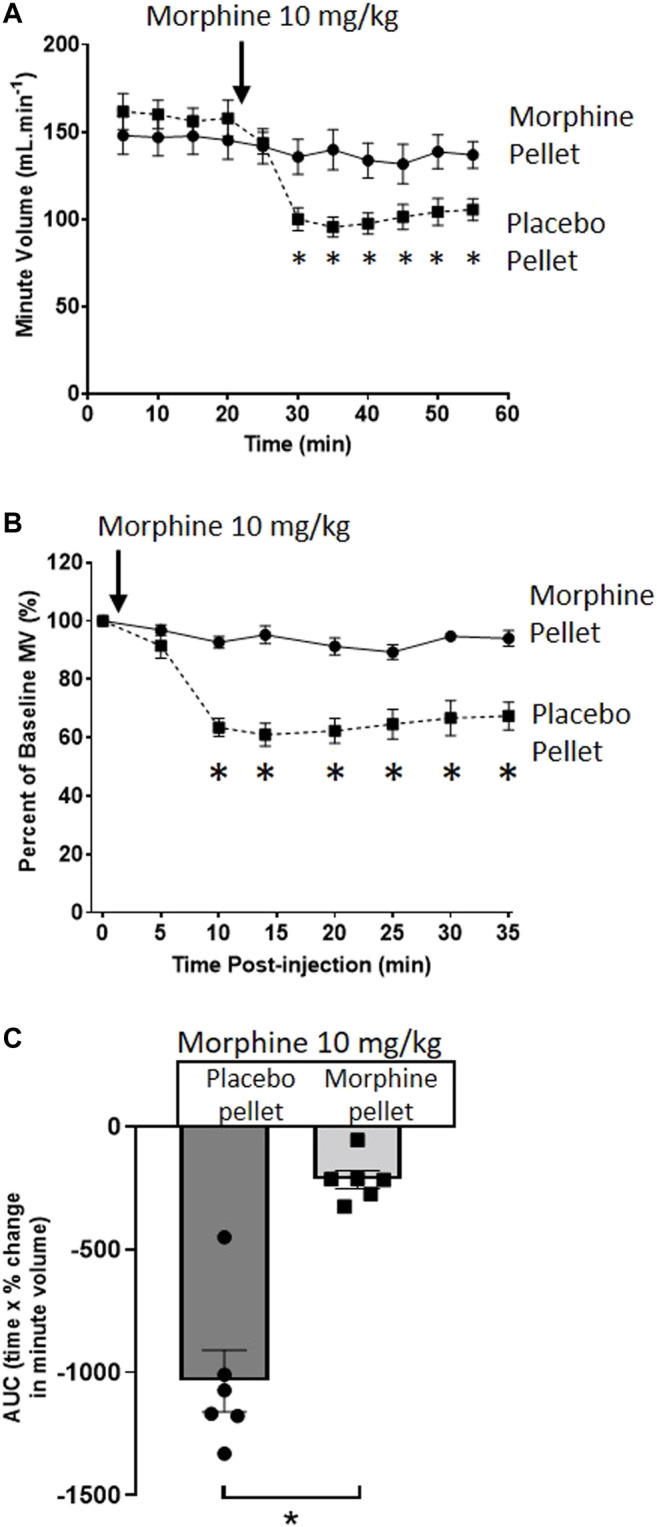
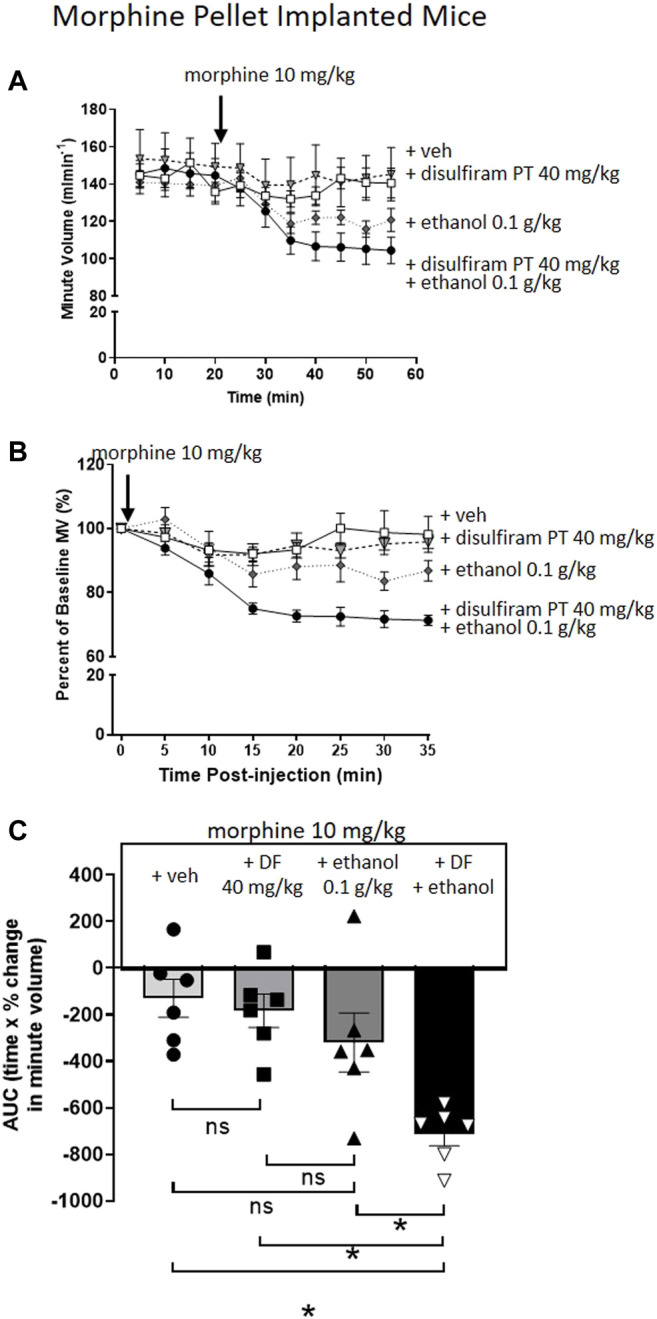
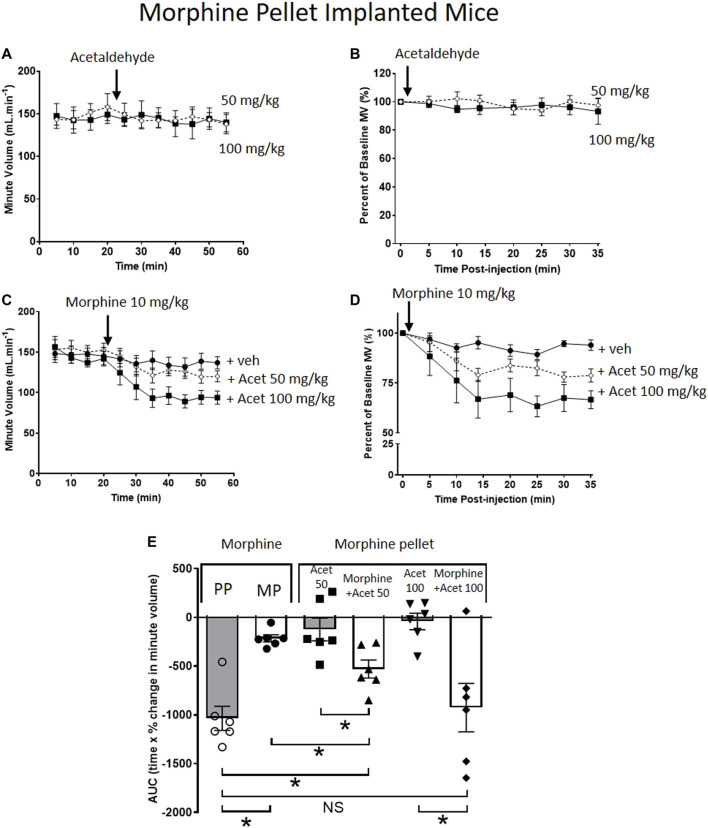
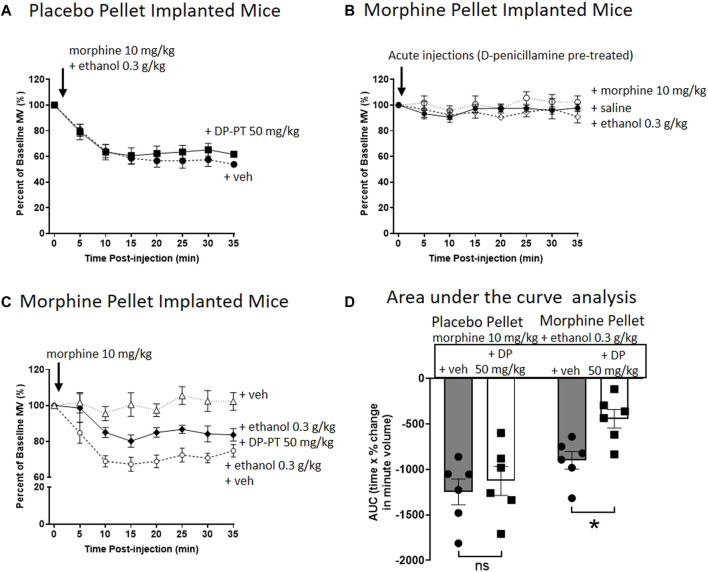
Morphine pellet implanted mice displayed tolerance to an acute dose of morphine compared to placebo pellet implanted controls. Acute acetaldehyde administration dose-dependently reversed tolerance to morphine respiratory depression. As previously demonstrated, ethanol reversed morphine tolerance, and this was inhibited by D-penicillamine pre-treatment. An acute, low dose of ethanol that did not significantly reverse morphine tolerance was able to do so following disulfiram pre-treatment.
These data suggest that acetaldehyde, the primary metabolite of ethanol, is responsible for the reversal of morphine tolerance observed following ethanol administration.
阿片类药物使用者经常会同时使用其他药物,如酒精(乙醇)。急性给予乙醇可迅速逆转对吗啡诱导的呼吸抑制的耐受性。然而,最近的研究表明,乙醇的主要代谢产物乙醛可能在介导乙醇摄入后所见的中枢神经系统效应中起关键作用。本研究调查了乙醛在乙醇逆转对吗啡诱导的呼吸抑制的耐受性中的作用。
通过给小鼠植入75毫克吗啡丸剂6天诱导耐受性,对照小鼠植入安慰剂丸剂。在第6天通过急性给予吗啡评估耐受性,并通过体积描记法测量呼吸。分别用乙醛螯合剂D-青霉胺和乙醛脱氢酶抑制剂双硫仑预处理来抑制或增强乙醛水平。
与植入安慰剂丸剂的对照相比,植入吗啡丸剂的小鼠对急性剂量的吗啡表现出耐受性。急性给予乙醛剂量依赖性地逆转了对吗啡呼吸抑制的耐受性。如先前所示,乙醇逆转了吗啡耐受性,而这被D-青霉胺预处理所抑制。在双硫仑预处理后,一剂急性、低剂量的乙醇(其本身不能显著逆转吗啡耐受性)能够做到这一点。
这些数据表明,乙醇的主要代谢产物乙醛是乙醇给药后观察到的吗啡耐受性逆转的原因。