Ilie Ana Maria Carmen, McCarthy Norma, Velasquez Leslie, Moitra Masoom, Eisl Holger Michael
Center for Experimental Study of Subsurface Environmental Processes (CESEP), Department of Civil and Environmental Engineering, Colorado School of Mines, Golden, CO 80401 USA.
Barry Commoner Center for Health and the Environment, Queens College, City University of New York, Flushing, NY 11367 USA.
J Environ Stud Sci. 2022;12(4):838-852. doi: 10.1007/s13412-022-00777-7. Epub 2022 Jul 26.
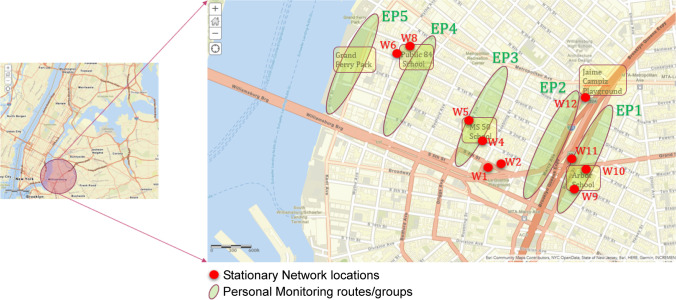
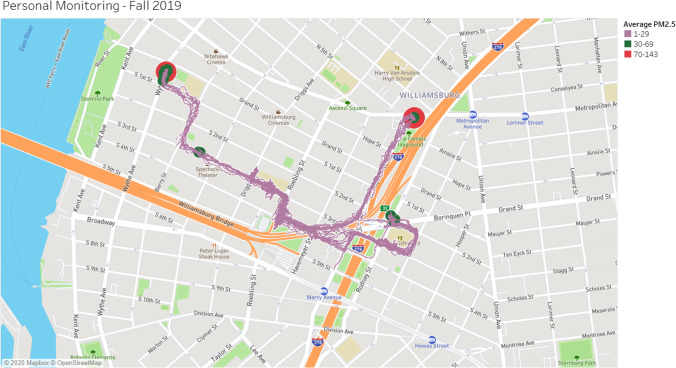
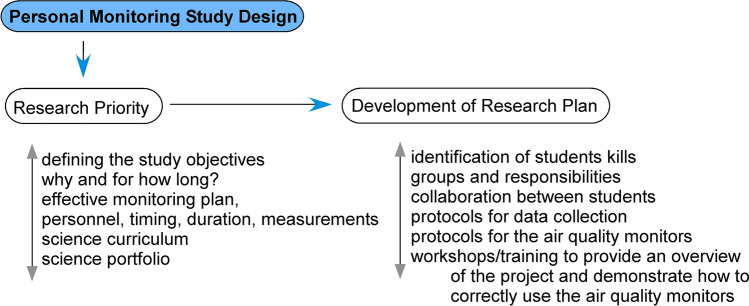
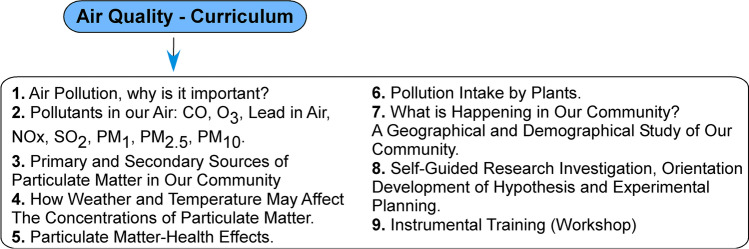
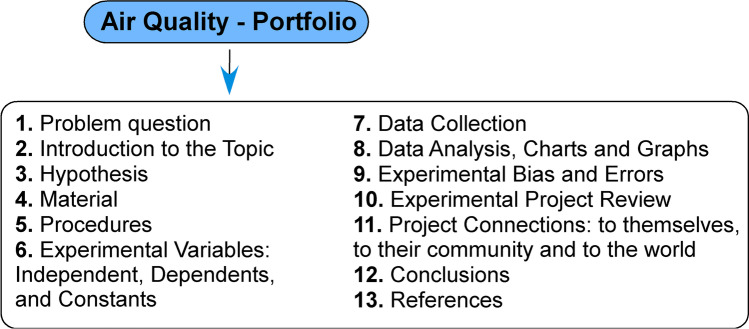
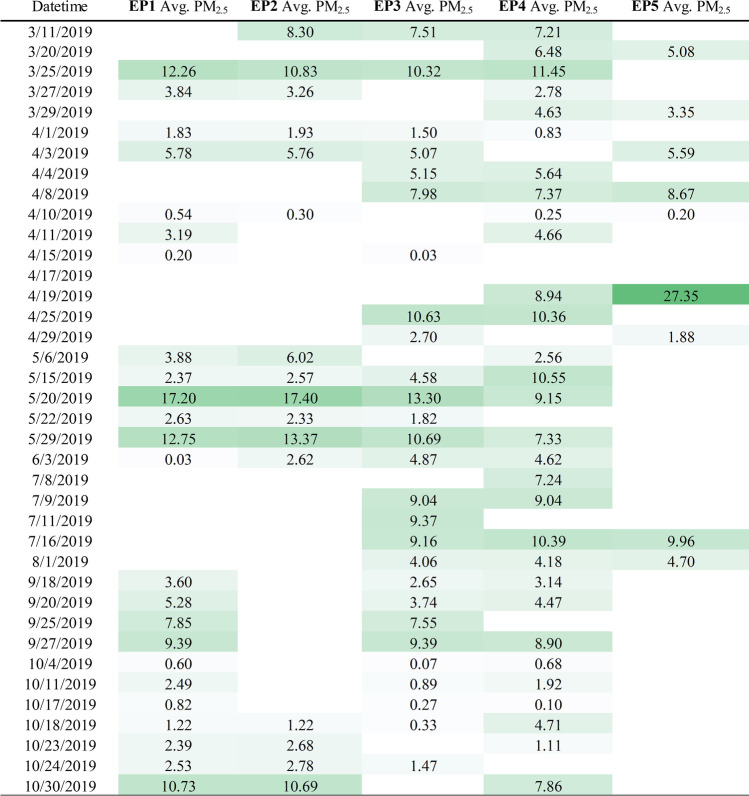
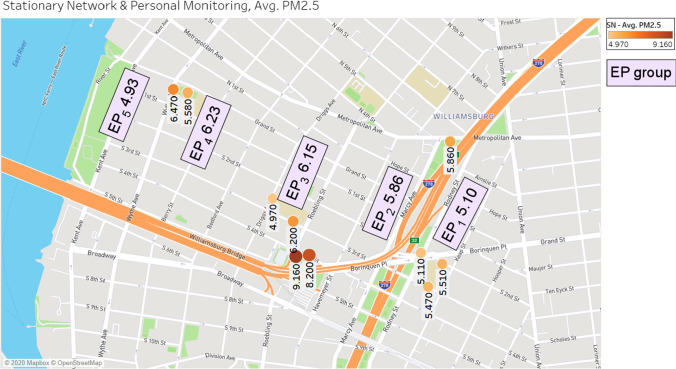
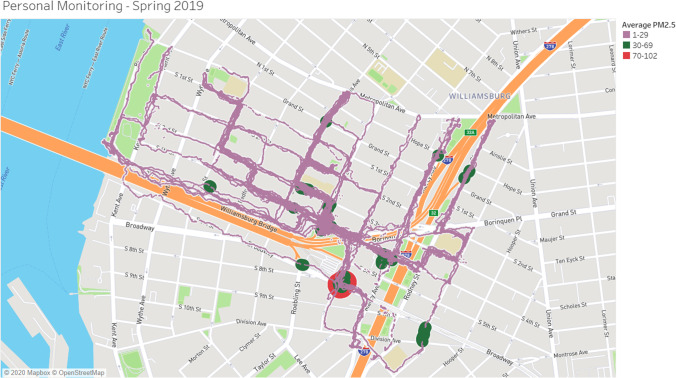
Community science offers unique opportunities for non-professional involvement of volunteers in the scientific process, not just during the data acquisition, but also in other phases, like problem definition, quality assurance, data analysis and interpretation, and the dissemination of results. Moreover, community science can be a powerful tool for public engagement and empowerment during policy formulation. This paper aims to present a pilot study on personal exposure to fine particulate matter (PM) and raises awareness of the hazards of air pollution. As part of data acquisition conducted in 2019, high school students gathered data at their schools, schoolyards, and playgrounds using low-cost monitors AirBeam2. The data was automatically uploaded every second onto the AirCasting mobile app. Besides, a stationary network of air monitors (fixed stations) was deployed in the neighborhood to collect real-time ambient air concentrations of PM. Students involved in the project attended workshops, training sessions, and researched to better understand air pollution, as part of their science class curriculum and portfolio. This air quality monitoring was incorporated into the "Our Air/Nuestro Aire" - El Puente grassroots campaign. The main goals of this campaign included sharing the data collected with the community, engaging academic partners to develop a set of policy and urban design solutions, and to be considered into a 5-point policy platform.
社区科学为志愿者非专业参与科学过程提供了独特机会,不仅在数据采集阶段,还包括问题定义、质量保证、数据分析与解读以及结果传播等其他阶段。此外,社区科学在政策制定过程中可以成为公众参与和赋权的有力工具。本文旨在展示一项关于个人接触细颗粒物(PM)的试点研究,并提高对空气污染危害的认识。作为2019年数据采集的一部分,高中生使用低成本监测设备AirBeam2在他们的学校、校园和操场收集数据。数据每秒自动上传到AirCasting移动应用程序。此外,在附近部署了一个空气监测固定站网络,以收集PM的实时环境空气浓度。参与该项目的学生参加了研讨会、培训课程,并进行研究以更好地了解空气污染,这是他们科学课程和学习成果的一部分。这种空气质量监测被纳入了“我们的空气/我们的空气”——埃尔普恩特基层运动。该运动的主要目标包括与社区分享收集到的数据,吸引学术伙伴制定一系列政策和城市设计解决方案,并将其纳入一个五点政策平台。