Department of Biomedical Engineering, University of Virginia, Charlottesville, VA 22908, USA; Department of Biomedical Engineering, University of Michigan, Ann Arbor, MI 48109, USA.
Department of Biomedical Engineering, University of Virginia, Charlottesville, VA 22908, USA.
Cell Rep. 2022 Aug 2;40(5):111147. doi: 10.1016/j.celrep.2022.111147.
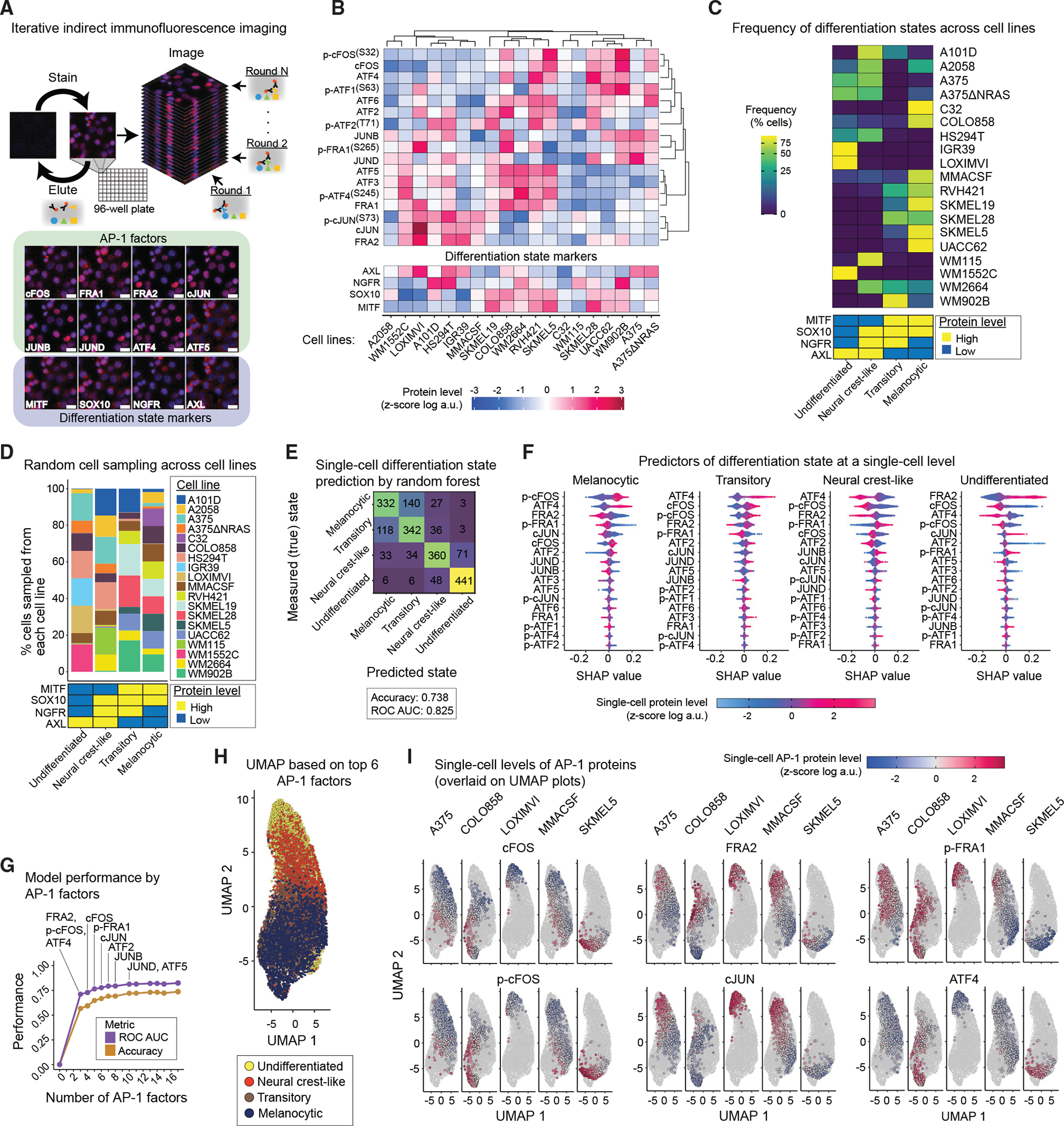
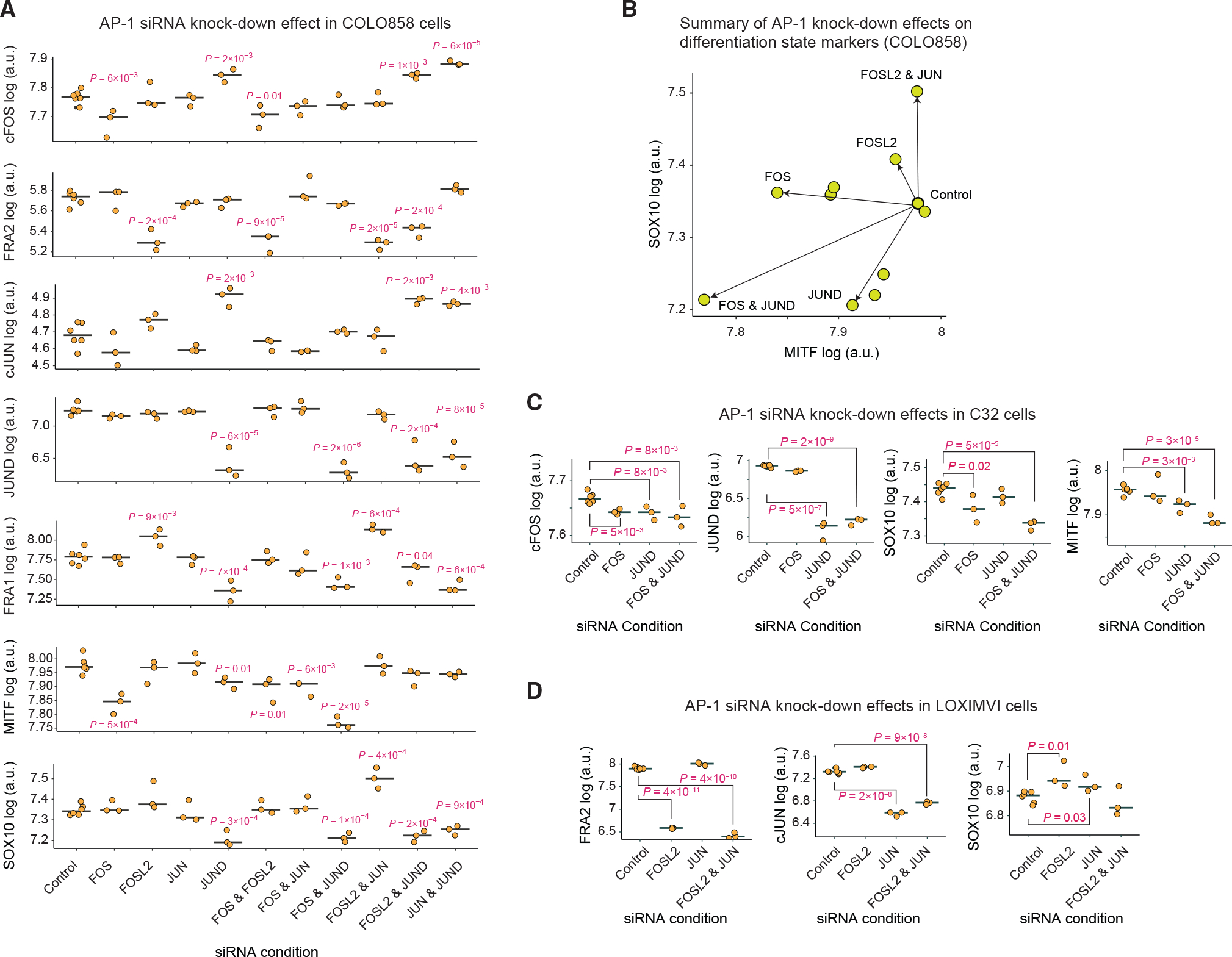
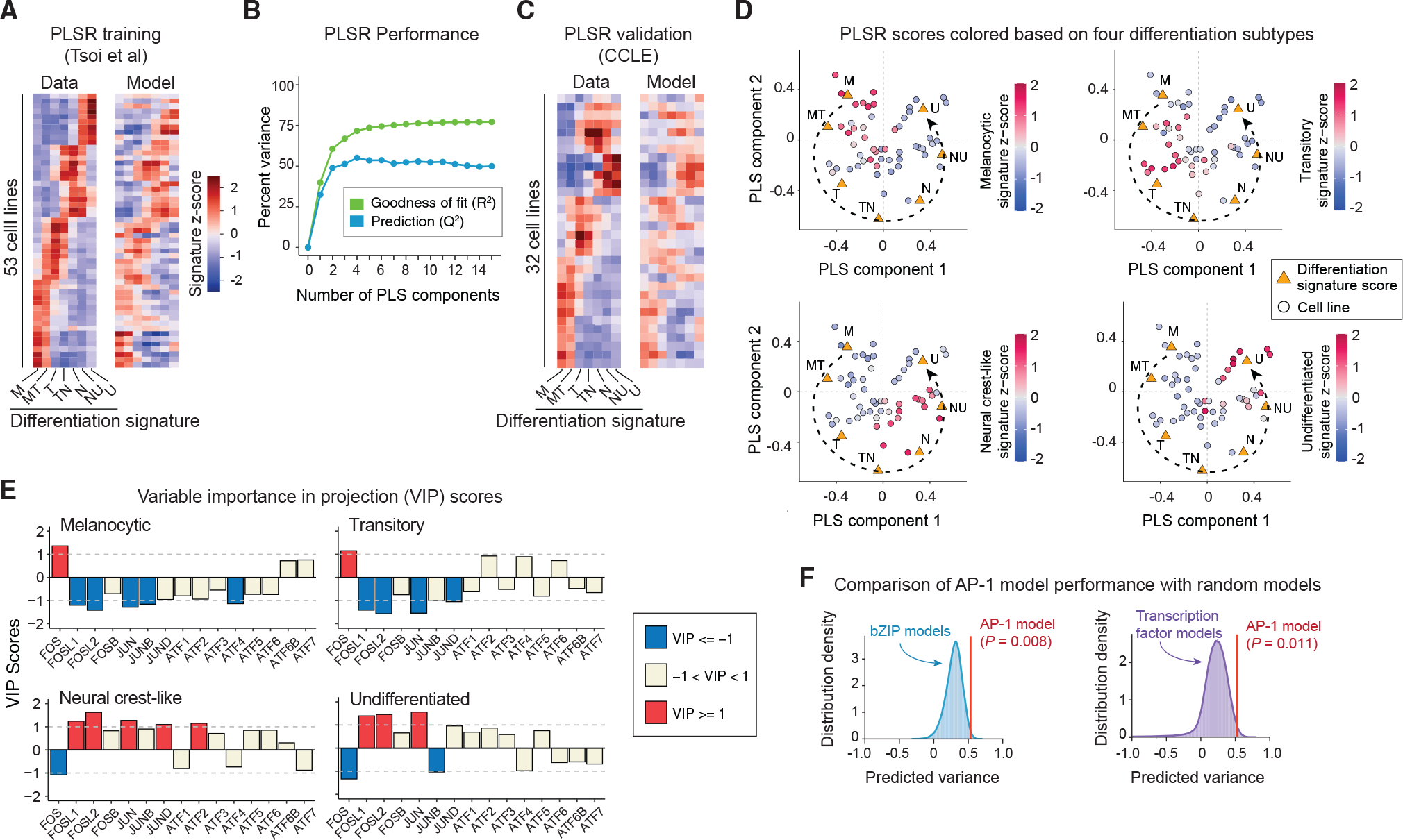
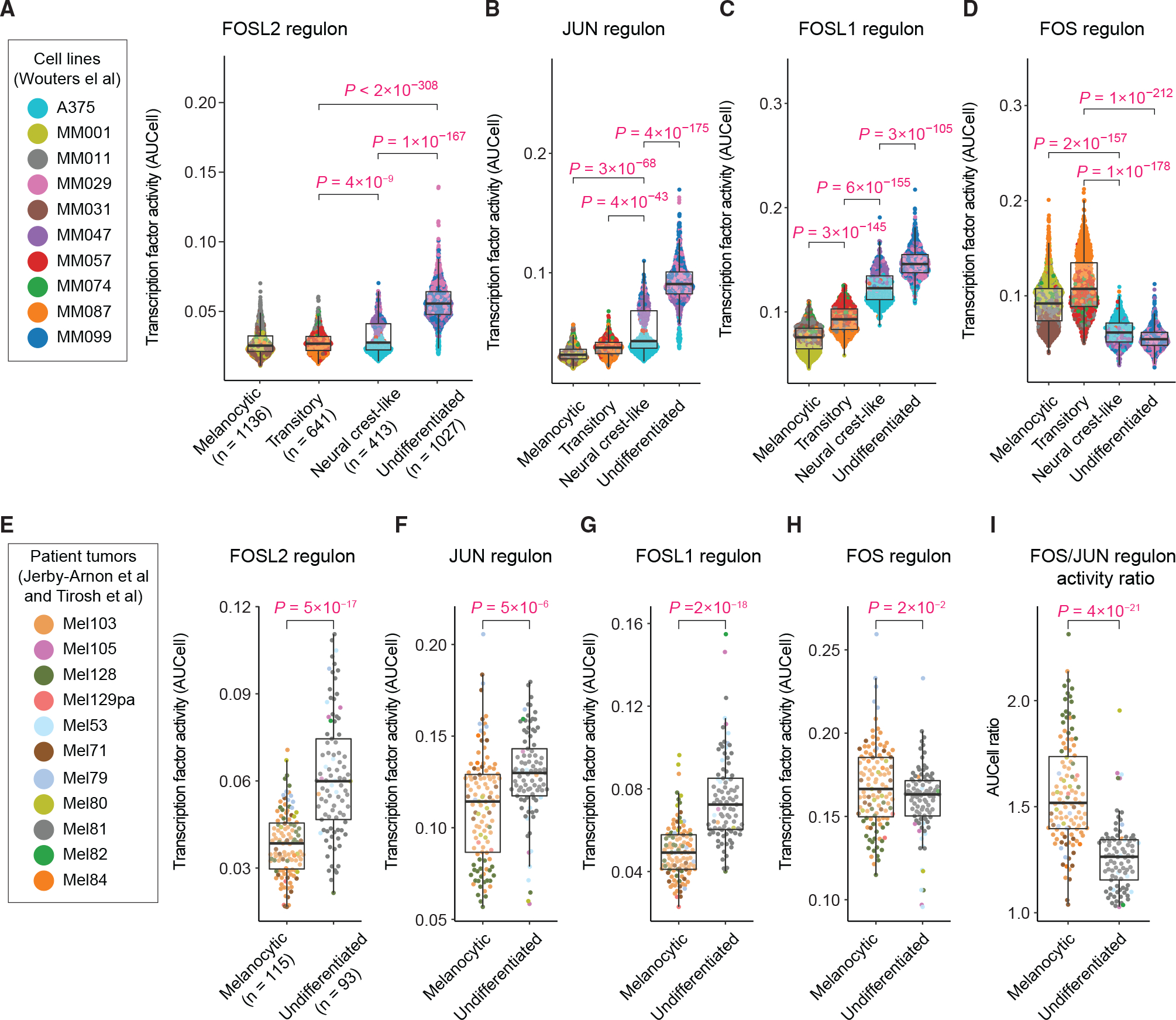
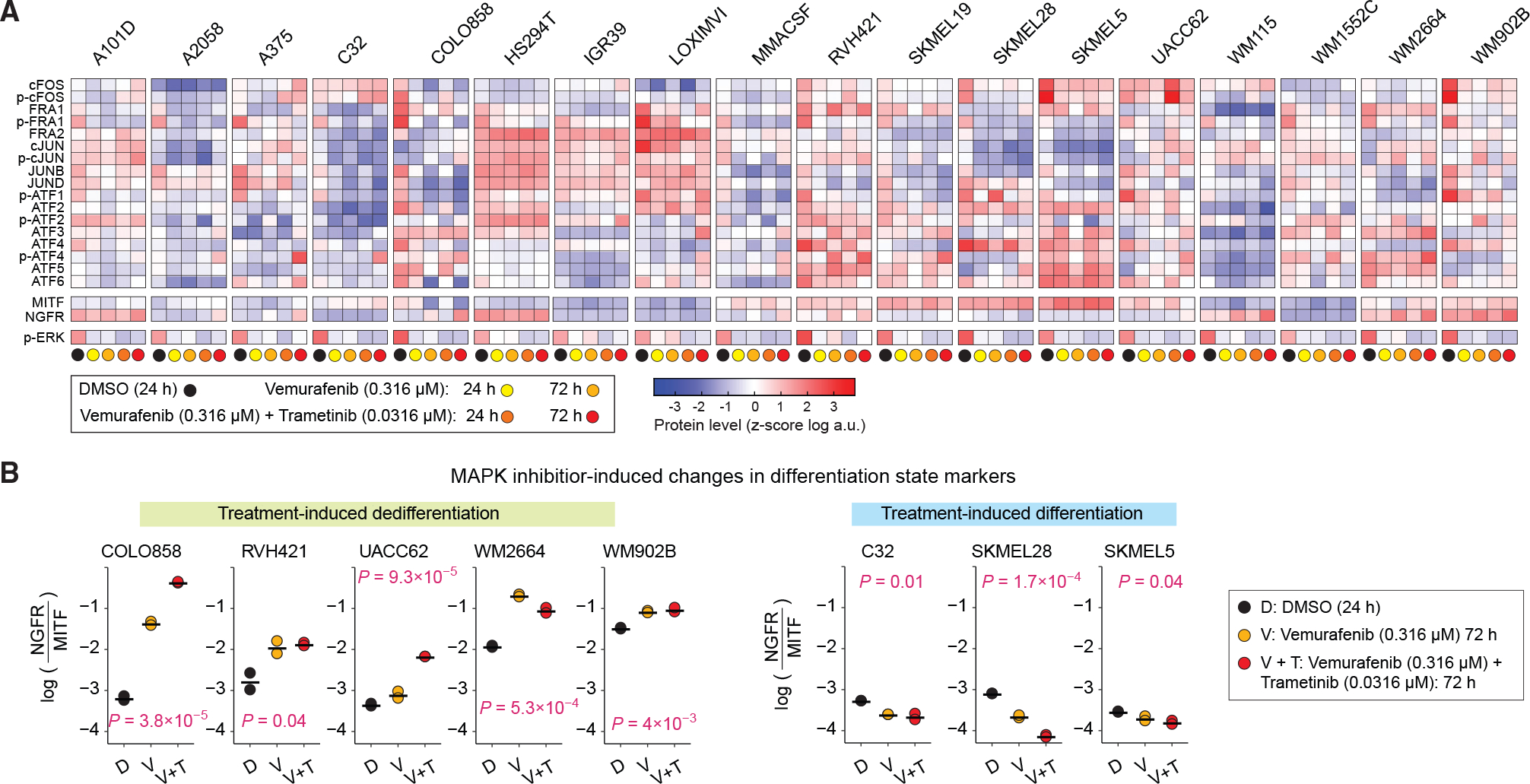
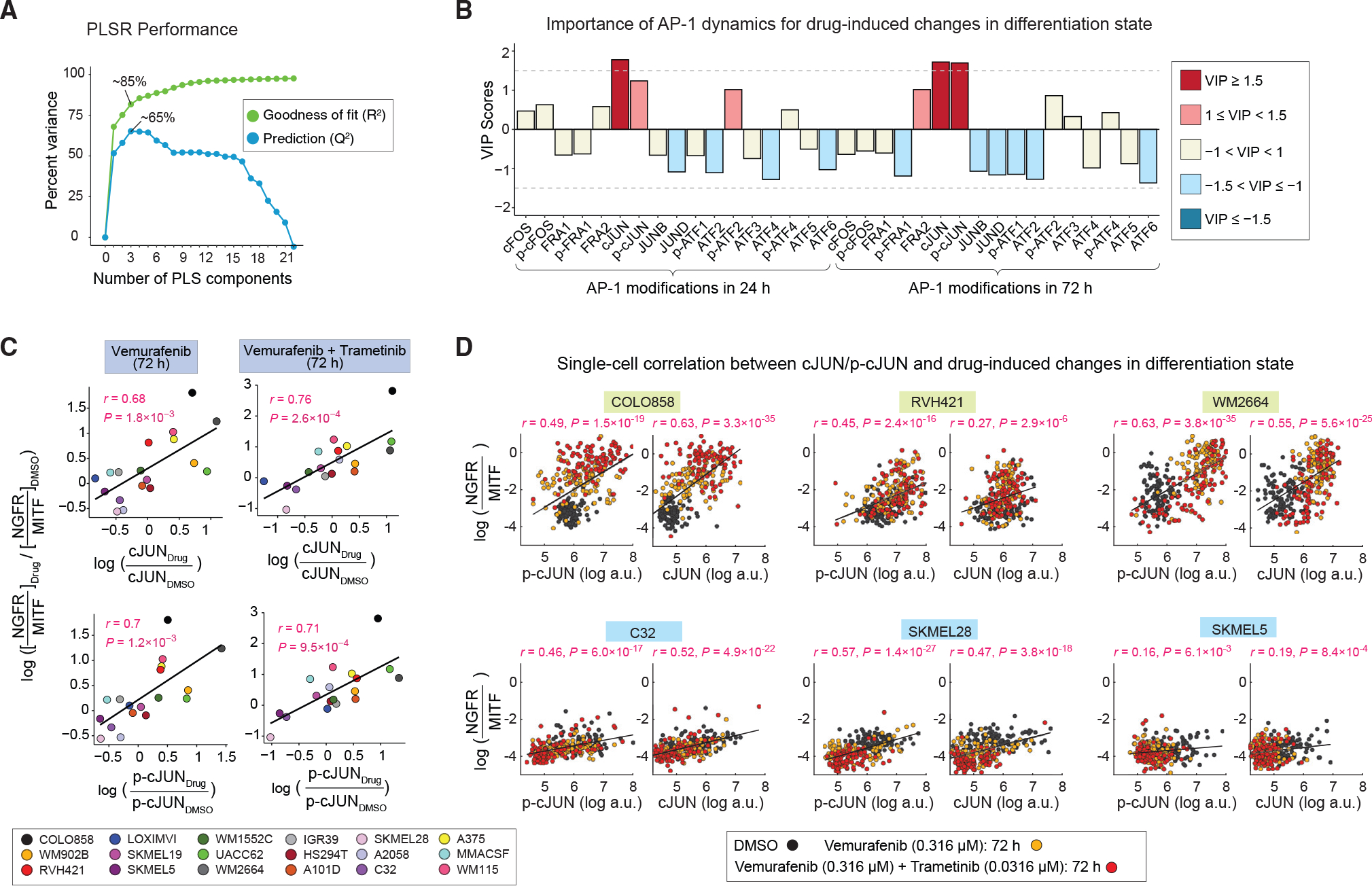
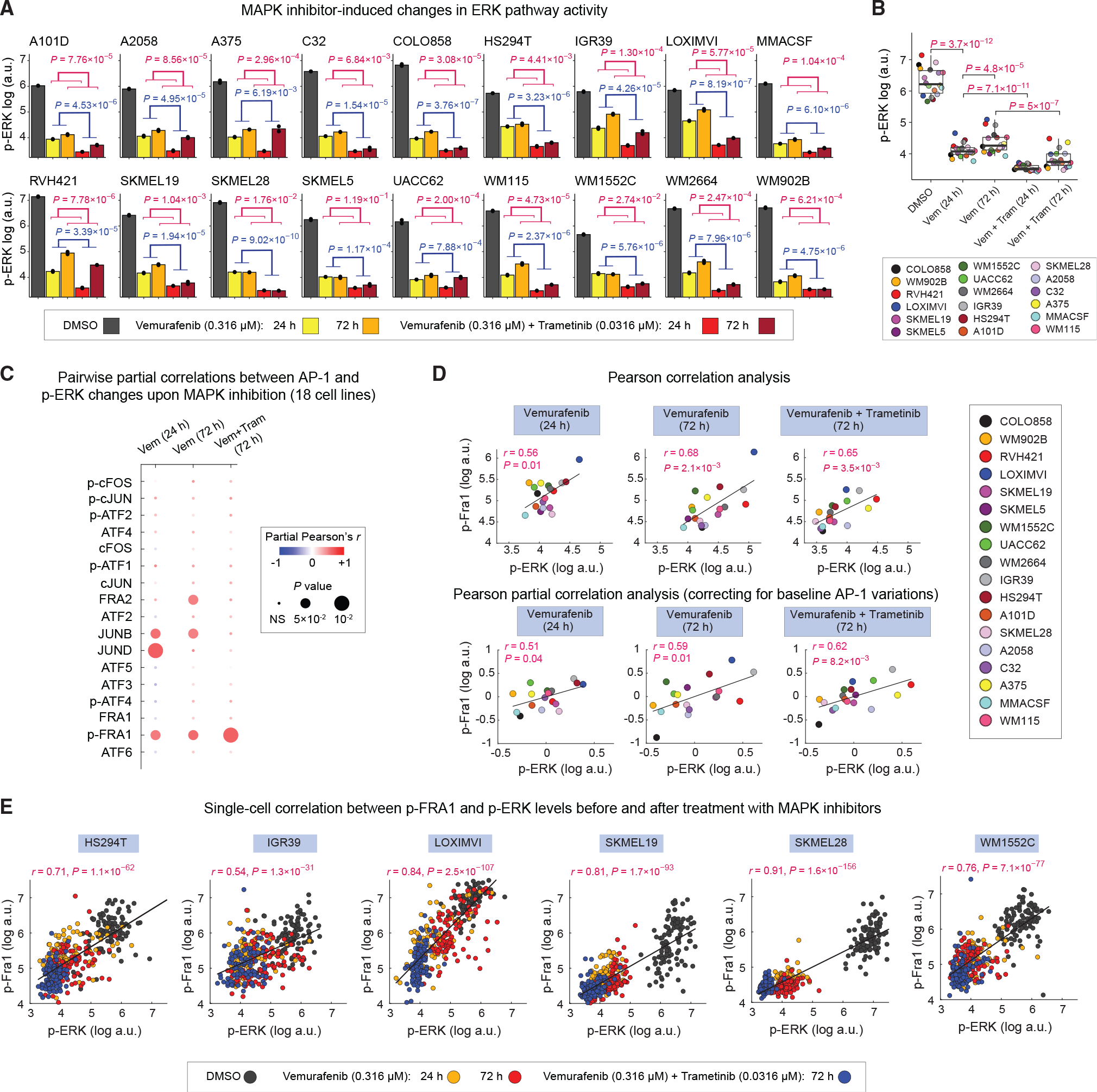
Cellular plasticity associated with fluctuations in transcriptional programs allows individual cells in a tumor to adopt heterogeneous differentiation states and switch phenotype during their adaptive responses to therapies. Despite increasing knowledge of such transcriptional programs, the molecular basis of cellular plasticity remains poorly understood. Here, we combine multiplexed transcriptional and protein measurements at population and single-cell levels with multivariate statistical modeling to show that the state of AP-1 transcription factor network plays a unifying role in explaining diverse patterns of plasticity in melanoma. We find that a regulated balance among AP-1 factors cJUN, JUND, FRA2, FRA1, and cFOS determines the intrinsic diversity of differentiation states and adaptive responses to MAPK inhibitors in melanoma cells. Perturbing this balance through genetic depletion of specific AP-1 proteins, or by MAPK inhibitors, shifts cellular heterogeneity in a predictable fashion. Thus, AP-1 may serve as a critical node for manipulating cellular plasticity with potential therapeutic implications.
细胞可塑性与转录程序的波动有关,允许肿瘤中的单个细胞在适应治疗的过程中采用异质分化状态并改变表型。尽管对这些转录程序的了解越来越多,但细胞可塑性的分子基础仍知之甚少。在这里,我们结合群体和单细胞水平的多重转录组和蛋白质测量以及多元统计建模,表明 AP-1 转录因子网络的状态在解释黑色素瘤中不同形式的可塑性方面起着统一的作用。我们发现,AP-1 因子 cJUN、JUND、FRA2、FRA1 和 cFOS 之间的调节平衡决定了黑色素瘤细胞固有分化状态的多样性和对 MAPK 抑制剂的适应性反应。通过遗传耗尽特定的 AP-1 蛋白或 MAPK 抑制剂来破坏这种平衡,以可预测的方式改变细胞异质性。因此,AP-1 可能是操纵细胞可塑性的关键节点,具有潜在的治疗意义。