Nurm Miriam, Reigo Anu, Nõukas Margit, Leitsalu Liis, Nikopensius Tiit, Palover Marili, Annilo Tarmo, Alver Maris, Saar Aet, Marandi Toomas, Ainla Tiia, Metspalu Andres, Esko Tõnu, Tõnisson Neeme
Institute of Genomics, University of Tartu, Tartu, Estonia.
Institute of Technology, University of Tartu, Tartu, Estonia.
Front Genet. 2022 Jul 19;13:936131. doi: 10.3389/fgene.2022.936131. eCollection 2022.
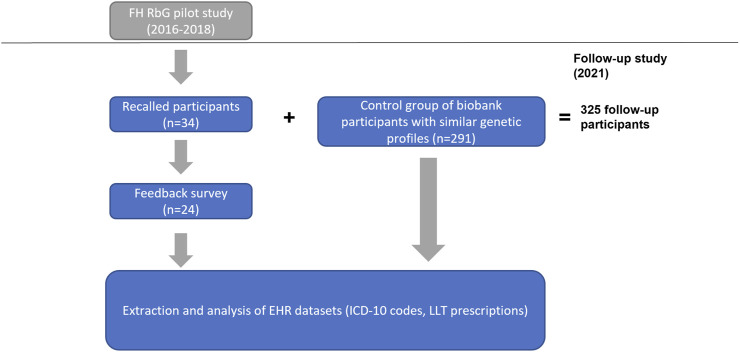
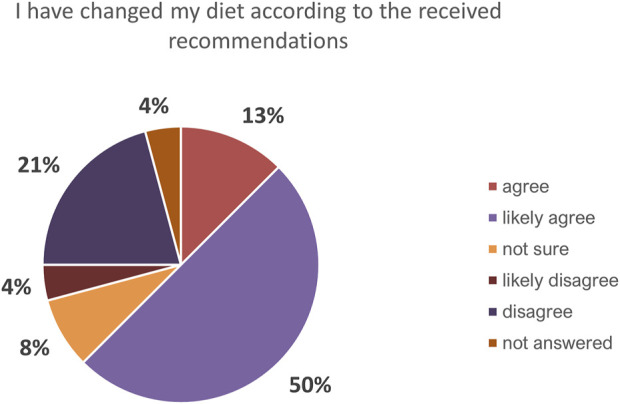
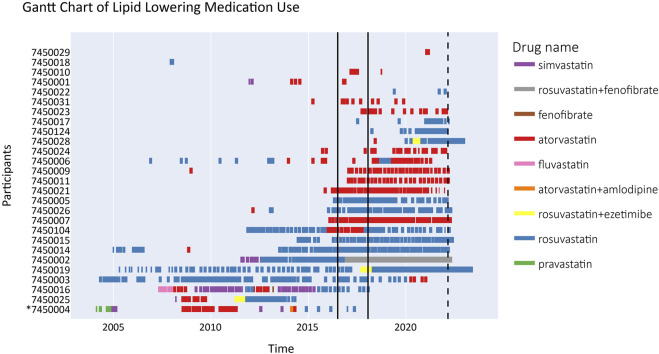
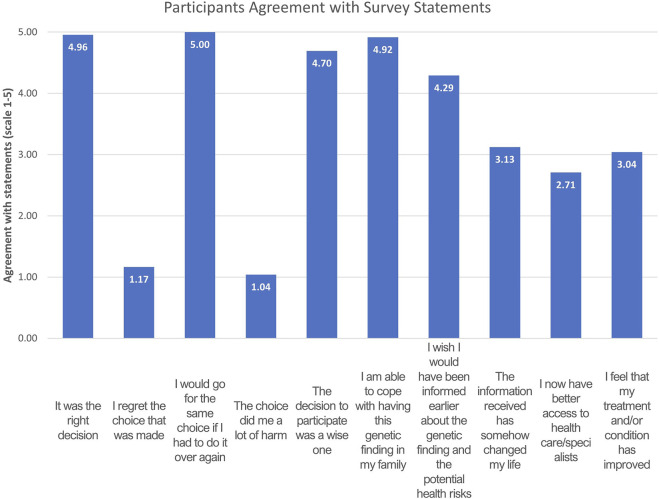
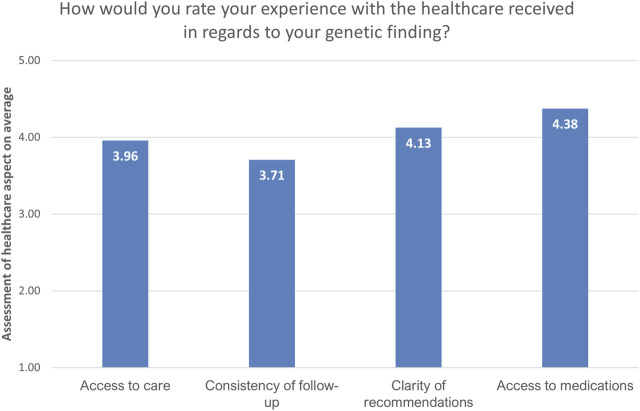
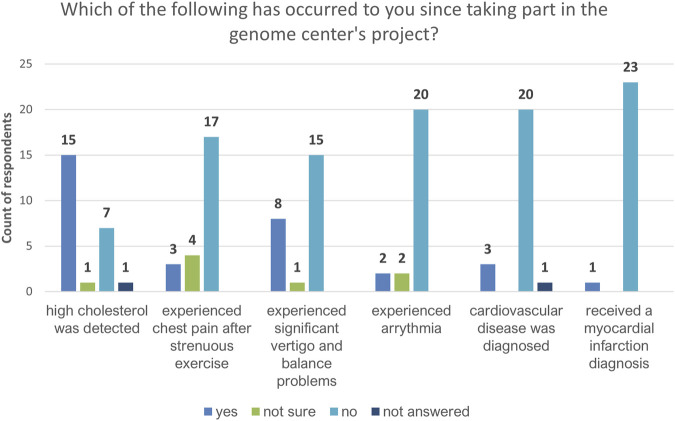
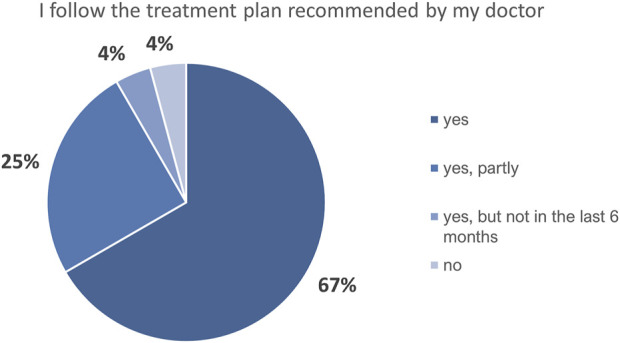
Recall-by-genotype (RbG) studies conducted with population-based biobank data remain urgently needed, and follow-up RbG studies, which add substance to this research approach, remain solitary. In such studies, potentially disease-related genotypes are identified and individuals with those genotypes are recalled for consultation to gather more detailed clinical phenotypic information and explain to them the meaning of their genetic findings. Familial hypercholesterolemia (FH) is among the most common autosomal-dominant single-gene disorders, with a global prevalence of 1 in 500 (Nordestgaard et al., Eur. Heart J., 2013, 34 (45), 3478-3490). Untreated FH leads to lifelong elevated LDL cholesterol levels, which can cause ischemic heart disease, with potentially fatal consequences at a relatively early age. In most cases, the pathogenesis of FH is based on a defect in one of three LDL receptor-related genes-, , and . We present our first long-term follow-up RbG study of FH, conducted within the Estonian Biobank (34 recalled participants from a pilot RbG study and 291 controls harboring the same , , and variants that were included in the pilot study). The participants' electronic health record data (FH-related diagnoses, lipid-lowering treatment prescriptions) and pharmacogenomic risk of developing statin-induced myopathy were assessed. A survey was administered to recalled participants to discern the impact of the knowledge of their genetic findings on their lives 4-6 years later. Significant differences in FH diagnoses and lipid-lowering treatment prescriptions were found between the recalled participants and controls (34 and 291 participants respectively). Our study highlights the need for more consistent lipid-lowering treatment adherence checkups and encourage more follow-up RbG studies to be performed.
基于人群生物样本库数据开展的基因分型召回(RbG)研究仍亟待进行,而能够充实这一研究方法的后续RbG研究却凤毛麟角。在这类研究中,先识别出可能与疾病相关的基因型,然后召回携带这些基因型的个体进行咨询,以收集更详细的临床表型信息,并向他们解释其基因检测结果的含义。家族性高胆固醇血症(FH)是最常见的常染色体显性单基因疾病之一,全球患病率为1/500(诺德斯特加德等人,《欧洲心脏杂志》,2013年,第34卷第45期,第3478 - 3490页)。未经治疗的FH会导致低密度脂蛋白胆固醇水平终身升高,进而引发缺血性心脏病,在相对年轻时就可能产生致命后果。在大多数情况下,FH的发病机制基于三个与低密度脂蛋白受体相关基因(、和)之一的缺陷。我们展示了我们对FH的首次长期随访RbG研究,该研究在爱沙尼亚生物样本库中进行(34名来自初步RbG研究的召回参与者以及291名携带与初步研究相同的、和变体的对照者)。评估了参与者的电子健康记录数据(与FH相关的诊断、降脂治疗处方)以及发生他汀类药物引起的肌病的药物基因组学风险。对召回的参与者进行了一项调查,以了解他们在4至6年后得知自己基因检测结果对生活的影响。在召回参与者和对照者(分别为34名和291名参与者)之间发现了FH诊断和降脂治疗处方方面的显著差异。我们的研究强调了进行更一致的降脂治疗依从性检查的必要性,并鼓励开展更多的后续RbG研究。