Sharma Nidhi, Thompson Marlo K, Arrington Jennifer F, Terry Dava M, Chakravarthy Srinivas, Prevelige Peter E, Prakash Aishwarya
Department of Biochemistry and Molecular Biology, Mitchell Cancer Institute, University of South Alabama, Mobile, AL, United States.
Advanced Photon Source, Illinois Institute of Technology, Chicago, IL, United States.
Front Cell Dev Biol. 2022 Jul 22;10:893806. doi: 10.3389/fcell.2022.893806. eCollection 2022.
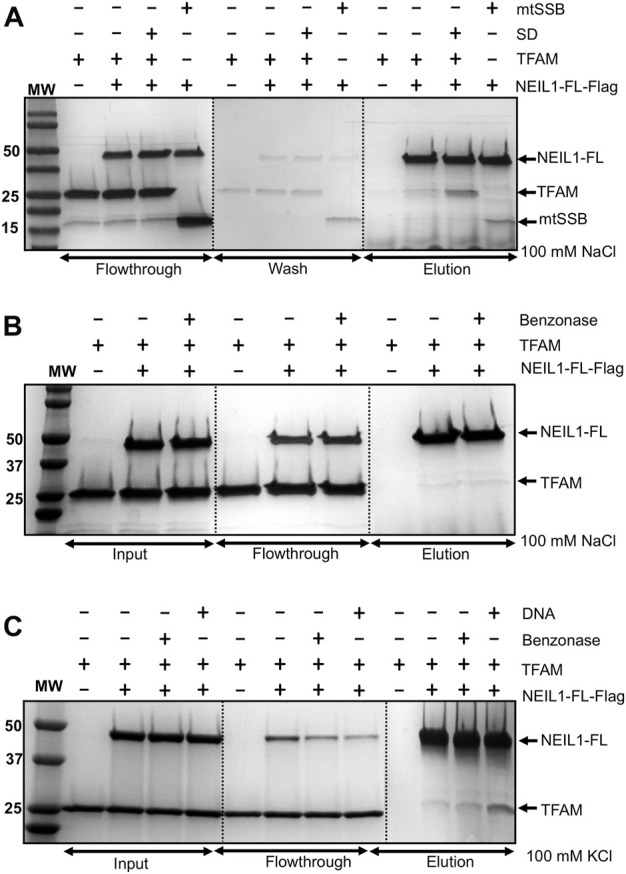
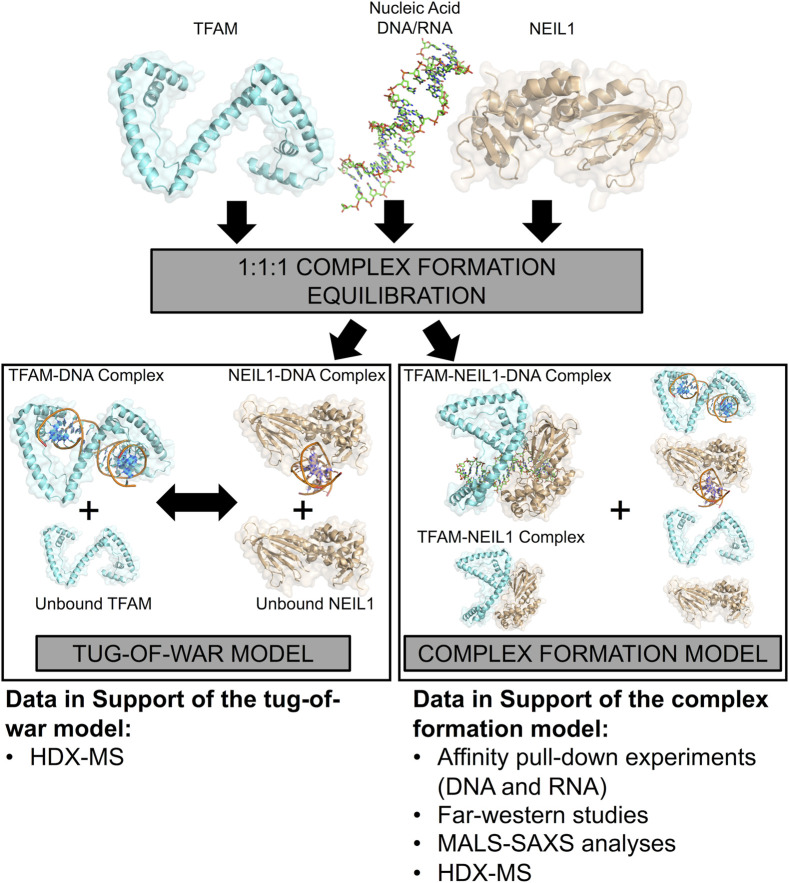
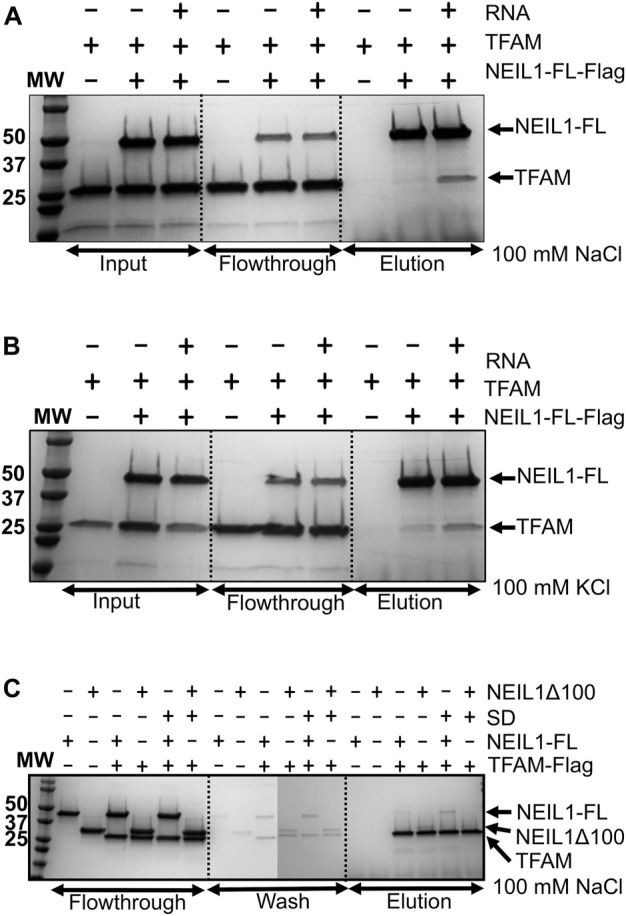
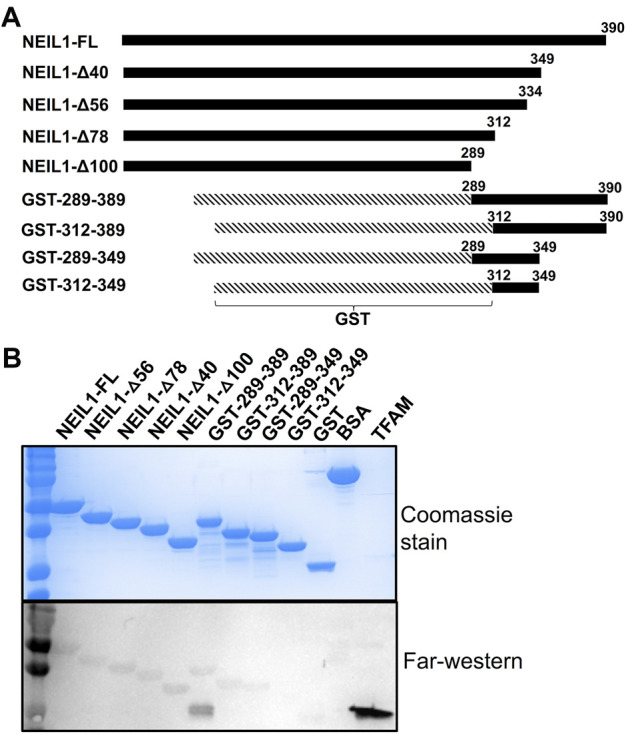
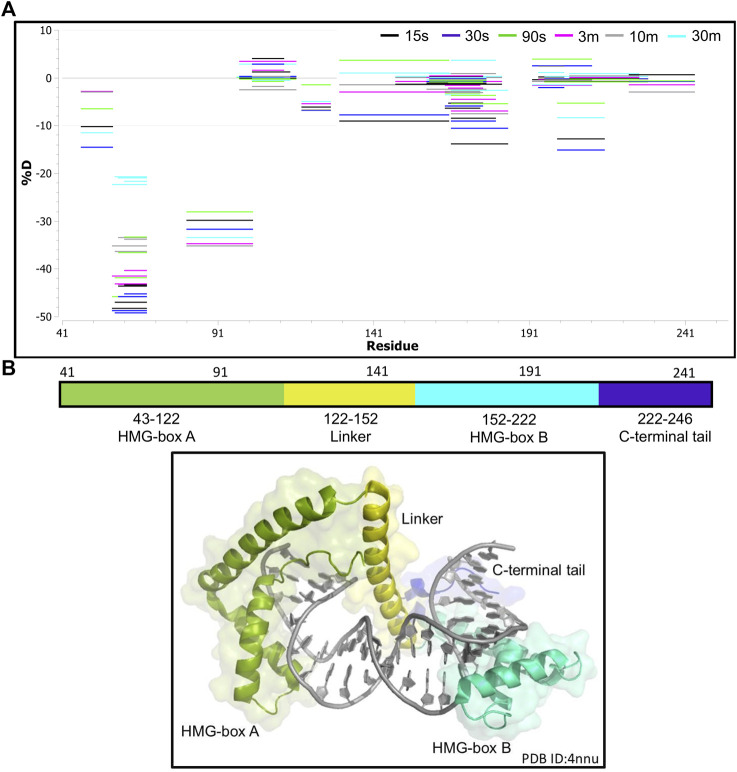
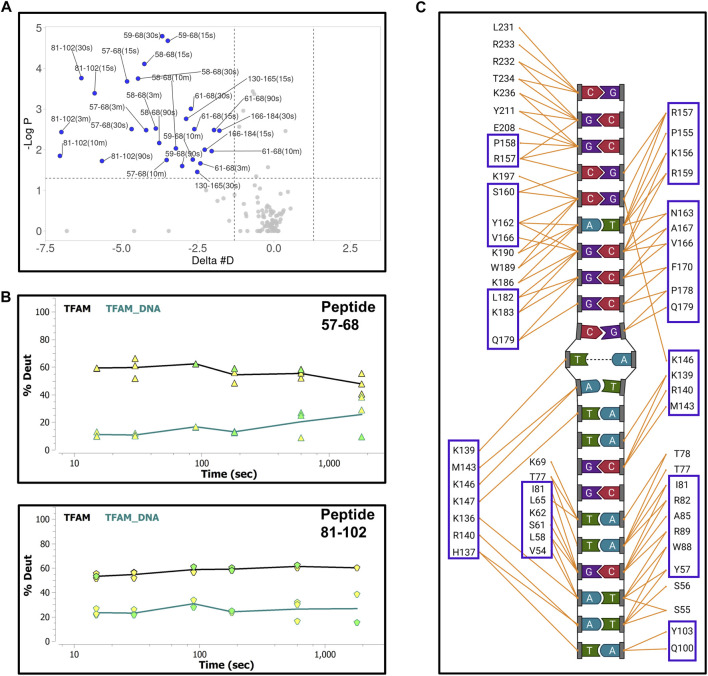
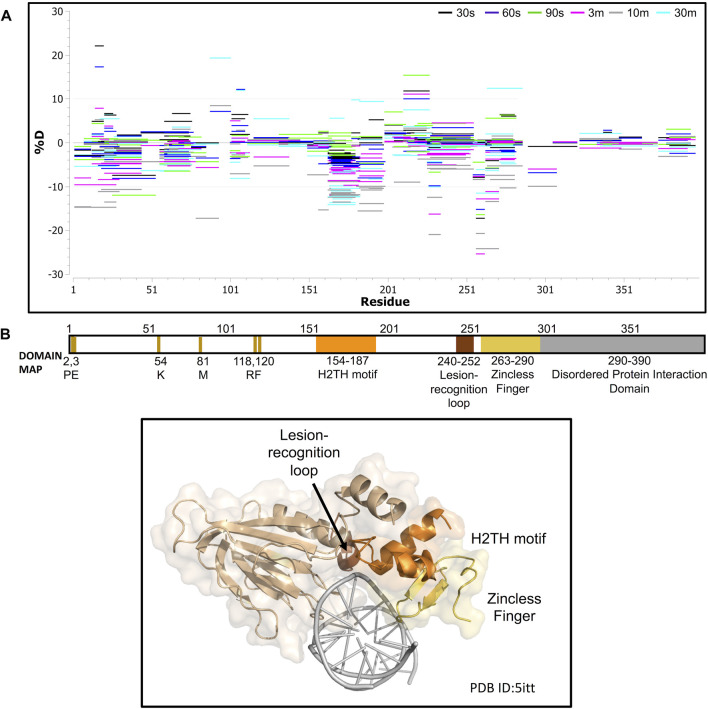
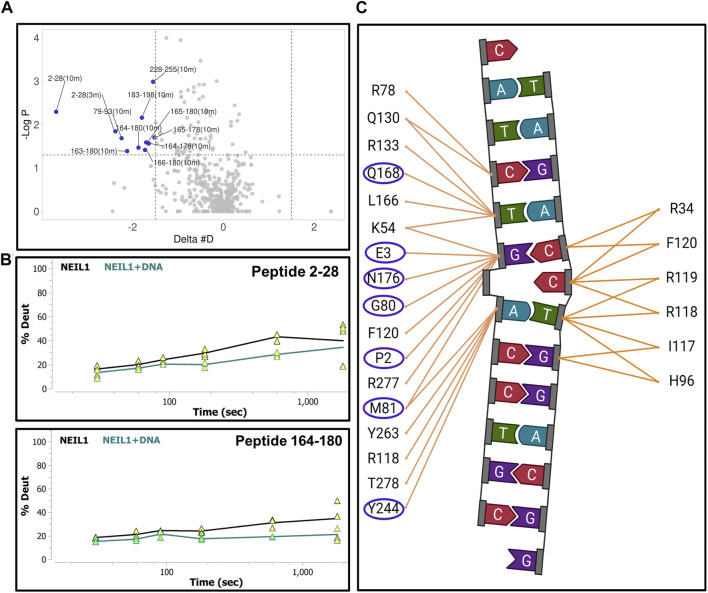
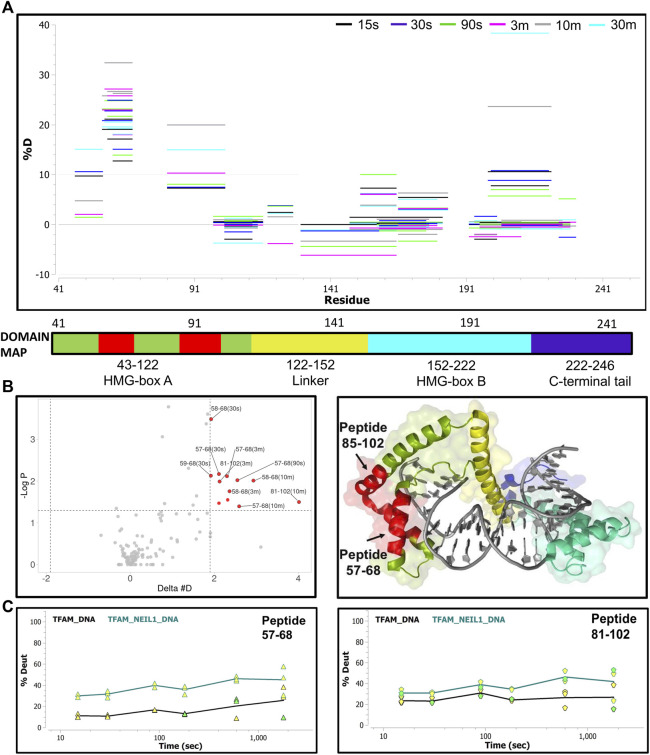
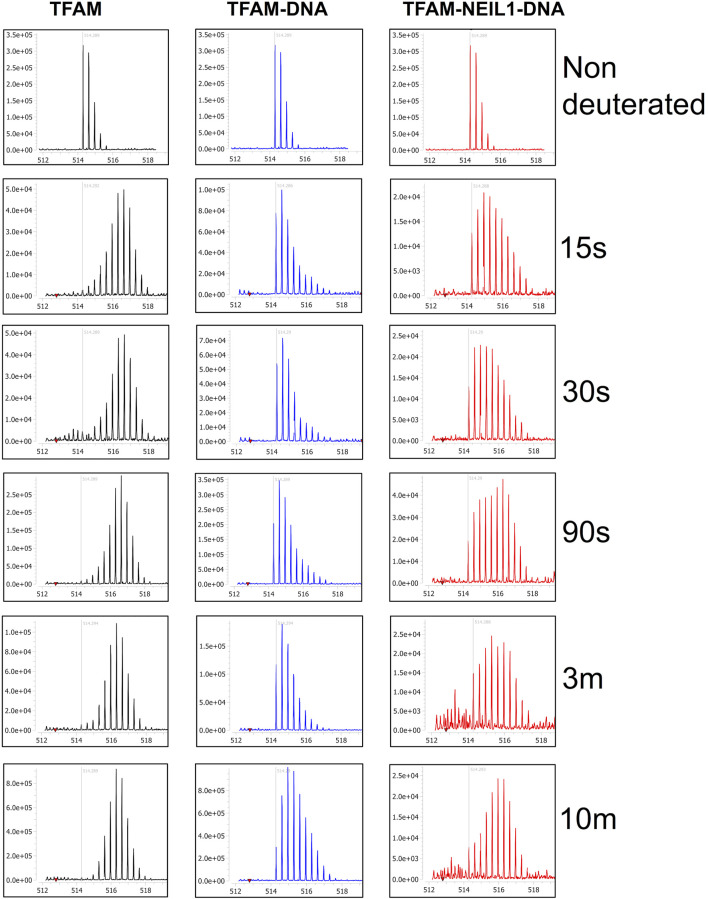
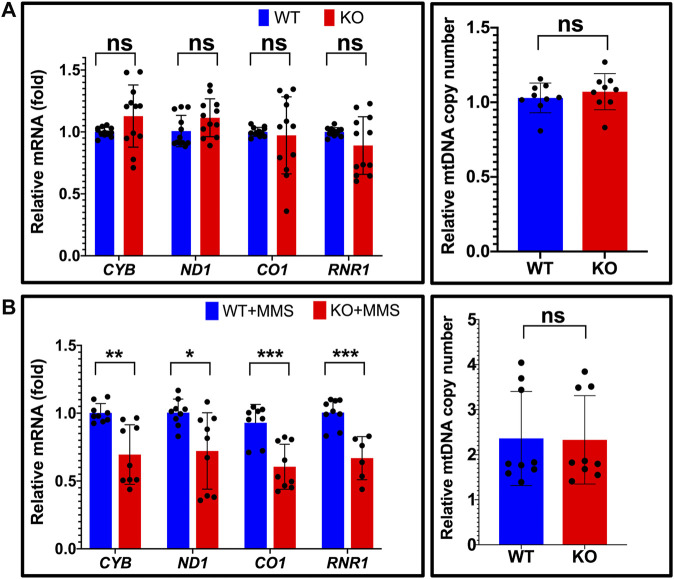
The maintenance of human mitochondrial DNA (mtDNA) is critical for proper cellular function as damage to mtDNA, if left unrepaired, can lead to a diverse array of pathologies. Of the pathways identified to participate in DNA repair within the mitochondria, base excision repair (BER) is the most extensively studied. Protein-protein interactions drive the step-by-step coordination required for the successful completion of this pathway and are important for crosstalk with other mitochondrial factors involved in genome maintenance. Human NEIL1 is one of seven DNA glycosylases that initiates BER in both the nuclear and mitochondrial compartments. In the current work, we scrutinized the interaction between NEIL1 and mitochondrial transcription factor A (TFAM), a protein that is essential for various aspects of mtDNA metabolism. We note, for the first time, that both the N- and C- terminal domains of NEIL1 interact with TFAM revealing a unique NEIL1 protein-binding interface. The interaction between the two proteins, as observed biochemically, appears to be transient and is most apparent at concentrations of low salt. The presence of DNA (or RNA) also positively influences the interaction between the two proteins, and molar mass estimates indicate that duplex DNA is required for complex formation at higher salt concentrations. Hydrogen deuterium exchange mass spectrometry data reveal that both proteins exchange less deuterium upon DNA binding, indicative of an interaction, and the addition of NEIL1 to the TFAM-DNA complex alters the interaction landscape. The transcriptional activity of TFAM appears to be independent of NEIL1 expression under normal cellular conditions, however, in the presence of DNA damage, we observe a significant reduction in the mRNA expression of TFAM-transcribed mitochondrial genes in the absence of NEIL1. Overall, our data indicate that the interaction between NEIL1 and TFAM can be modulated by local environment such as salt concentrations, protein availability, the presence of nucleic acids, as well as the presence of DNA damage.
人类线粒体DNA(mtDNA)的维持对于细胞正常功能至关重要,因为mtDNA损伤若不修复,会导致多种病理状况。在已确定参与线粒体DNA修复的途径中,碱基切除修复(BER)是研究最为广泛的。蛋白质 - 蛋白质相互作用驱动了该途径成功完成所需的逐步协调,并且对于与参与基因组维持的其他线粒体因子的相互作用很重要。人类NEIL1是在细胞核和线粒体区室中启动BER的七种DNA糖基化酶之一。在当前的工作中,我们仔细研究了NEIL1与线粒体转录因子A(TFAM)之间的相互作用,TFAM是一种对mtDNA代谢的各个方面都至关重要的蛋白质。我们首次注意到,NEIL1的N端和C端结构域均与TFAM相互作用,揭示了一个独特的NEIL1蛋白质结合界面。从生化角度观察,这两种蛋白质之间的相互作用似乎是短暂的,并且在低盐浓度下最为明显。DNA(或RNA)的存在也对这两种蛋白质之间的相互作用有正向影响,摩尔质量估计表明,在较高盐浓度下形成复合物需要双链DNA。氢氘交换质谱数据显示,两种蛋白质在结合DNA后氘交换减少,这表明存在相互作用,并且将NEIL1添加到TFAM - DNA复合物中会改变相互作用格局。在正常细胞条件下,TFAM的转录活性似乎独立于NEIL1的表达,然而,在存在DNA损伤的情况下,我们观察到在没有NEIL1的情况下,TFAM转录的线粒体基因的mRNA表达显著降低。总体而言,我们的数据表明,NEIL1与TFAM之间的相互作用可受到局部环境的调节,如盐浓度、蛋白质可用性、核酸的存在以及DNA损伤的存在。