School of Economic, Political & Policy Sciences, University of Texas at Dallas, Richardson, TX 75080, USA.
Center for Science, Technology, and Innovation Policy, George Mason University, Fairfax, VA 22030, USA.
Int J Environ Res Public Health. 2022 Aug 2;19(15):9449. doi: 10.3390/ijerph19159449.
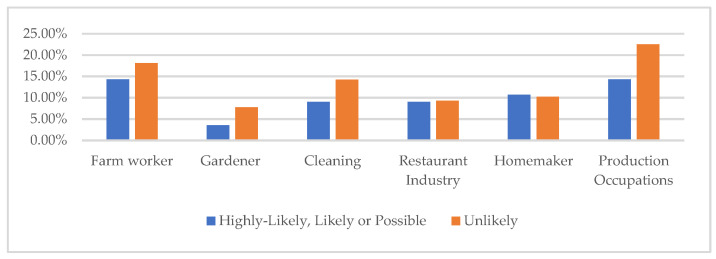
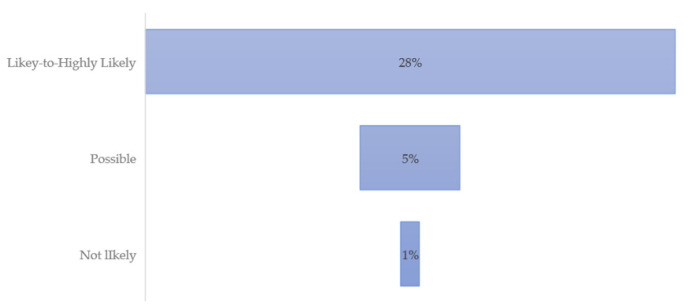
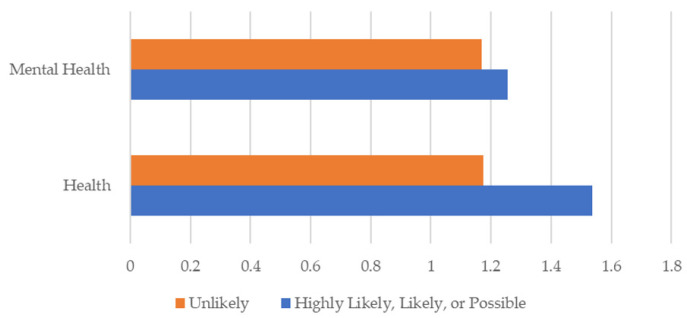
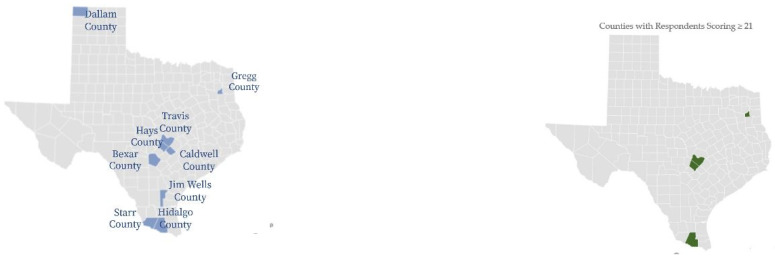
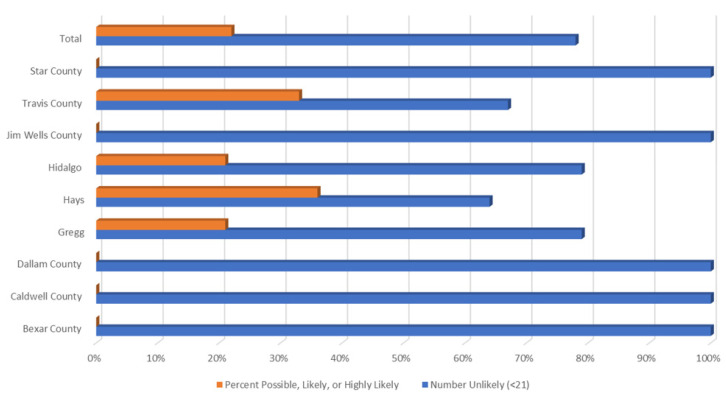
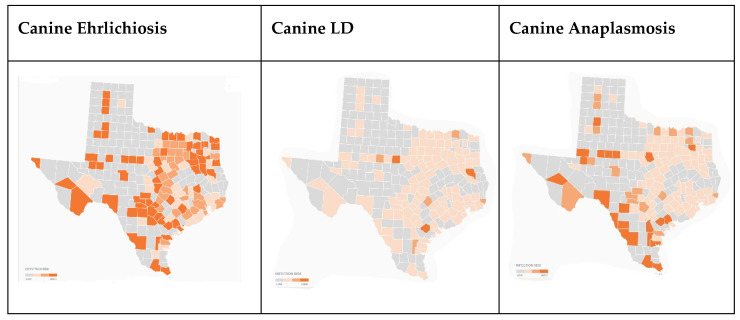
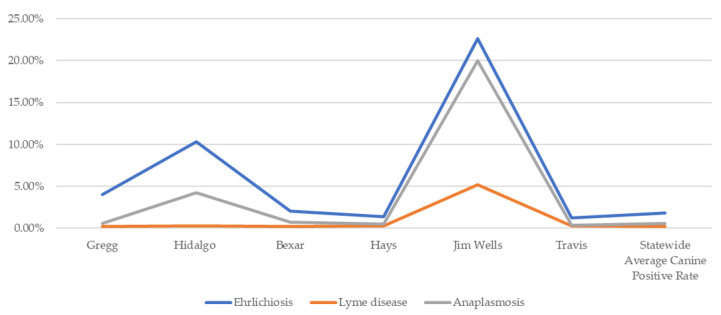
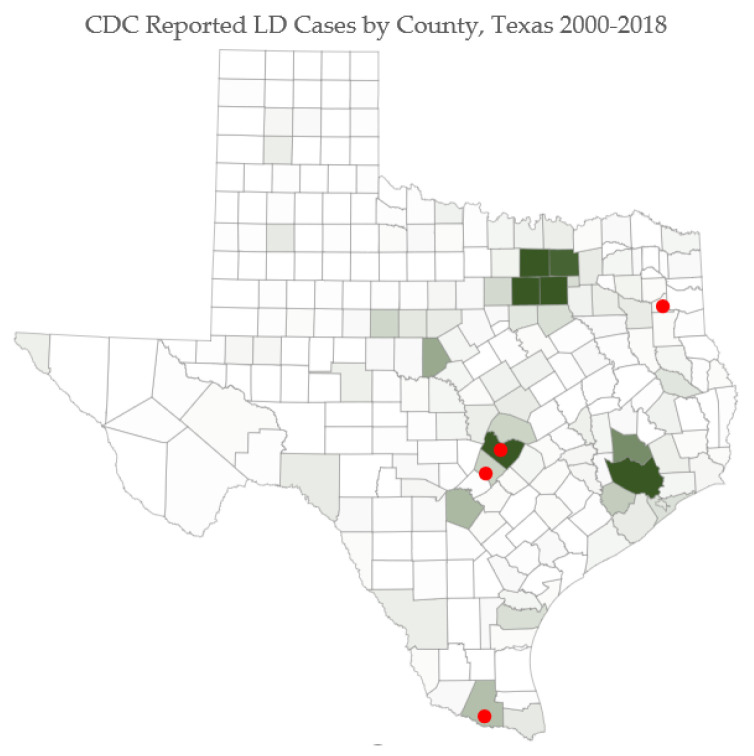
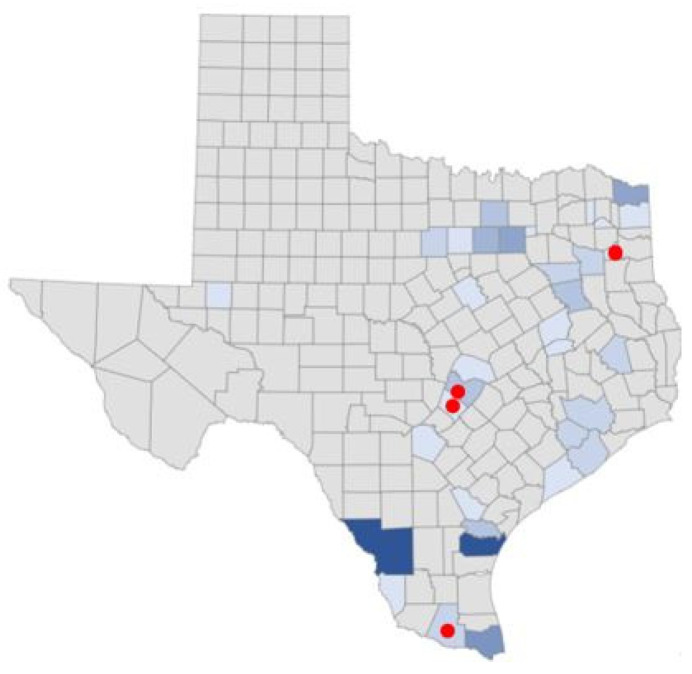
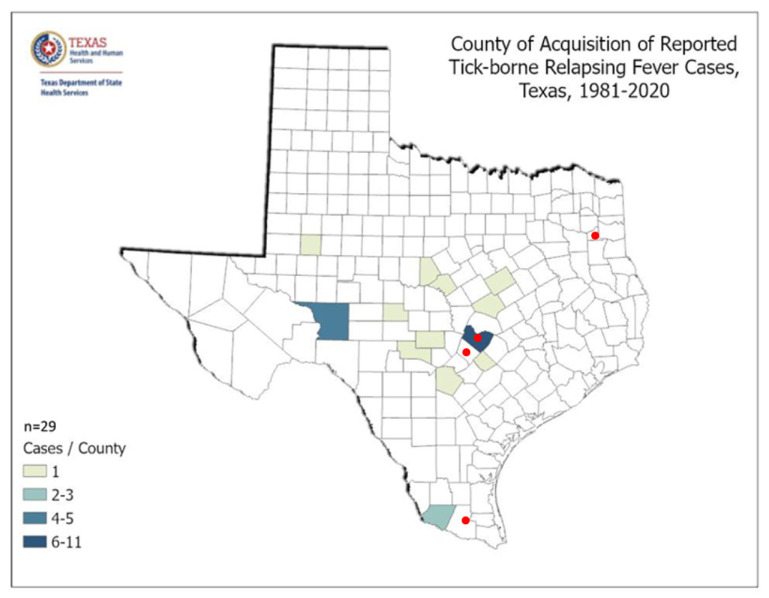
Determining interventions to combat disease often requires complex analyses of spatial-temporal data to improve health outcomes. For some vulnerable populations, obtaining sufficient data for related analyses is especially difficult, thus exacerbating related healthcare, research, and public health efforts. In the United States (U.S.), migrant and seasonal workers are especially affected in this regard, with data on health interventions and outcomes largely absent from official sources. In response, this study offers a multi-modal approach that involves triangulating geographically specified health data that incorporate reports on canine tick species, Lyme disease (LD) incidence, and patient symptom severity indicating potential subsequent disease burden. Spatial alignment of data at the U.S. county level was used to reveal and better understand tick-borne disease (TBD) incidence and risk among the identified populations. Survey data from migrant and seasonal workers in Texas were employed to determine TBD risk based on symptoms, occupations, and locations. Respondents who were found to have a higher likelihood of a TBD were also considerably more likely to report the most common symptoms of LD and other TBDs on the Horowitz Multiple Systemic Infectious Disease Syndrome Questionnaire. Those in the highly likely scoring group also reported more poor health and mental health days. Overall, a notable number of respondents (22%) were likely or highly likely to have a TBD, with particular relevance attributed to county of residence and living conditions. Also of note, almost a third of those reporting severe symptoms had received a previous Lyme disease diagnosis. These findings underscore the need for further surveillance among vulnerable populations at risk for TBDs.
确定对抗疾病的干预措施通常需要对时空数据进行复杂分析,以改善健康结果。对于一些弱势群体,获得相关分析所需的足够数据尤其困难,从而加剧了相关的医疗保健、研究和公共卫生工作。在美国,移民和季节性工人在这方面受到的影响尤其严重,官方来源几乎没有关于健康干预措施和结果的数据。有鉴于此,本研究提出了一种多模式方法,涉及对特定地理区域的健康数据进行三角测量,这些数据包括犬类蜱种报告、莱姆病(LD)发病率以及表明潜在后续疾病负担的患者症状严重程度。在美国县一级对数据进行空间对齐,以揭示和更好地了解所确定人群中的蜱传疾病(TBD)发病率和风险。德克萨斯州移民和季节性工人的调查数据用于根据症状、职业和地点确定 TBD 风险。被发现 TBD 风险较高的受访者也更有可能在 Horowitz 多系统感染性疾病综合征问卷上报告 LD 和其他 TBD 的最常见症状。得分较高的组中报告健康和心理健康不佳的天数也较多。总体而言,相当数量的受访者(22%)可能或极有可能患有 TBD,这与居住地和生活条件有特别的关联。同样值得注意的是,近三分之一报告严重症状的人此前曾被诊断出患有莱姆病。这些发现强调了需要对面临 TBD 风险的弱势群体进行进一步监测。