Department of Anatomy, College of Medicine, The Catholic University of Korea, Seoul 06591, Korea.
Drug Discovery Platform Research Center, Therapeutics and Biotechnology Division, Korea Research Institute of Chemical Technology, Daejeon 34114, Korea.
Int J Mol Sci. 2022 Jul 29;23(15):8412. doi: 10.3390/ijms23158412.
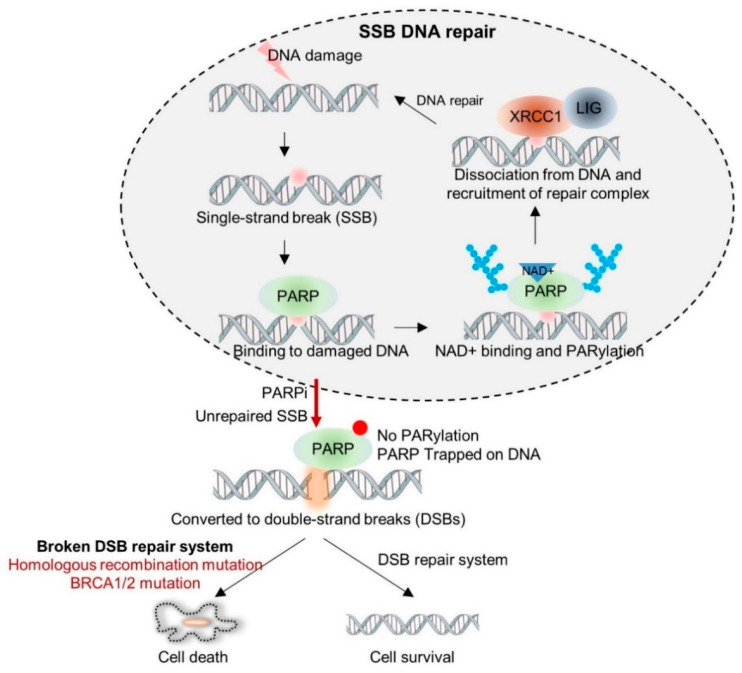
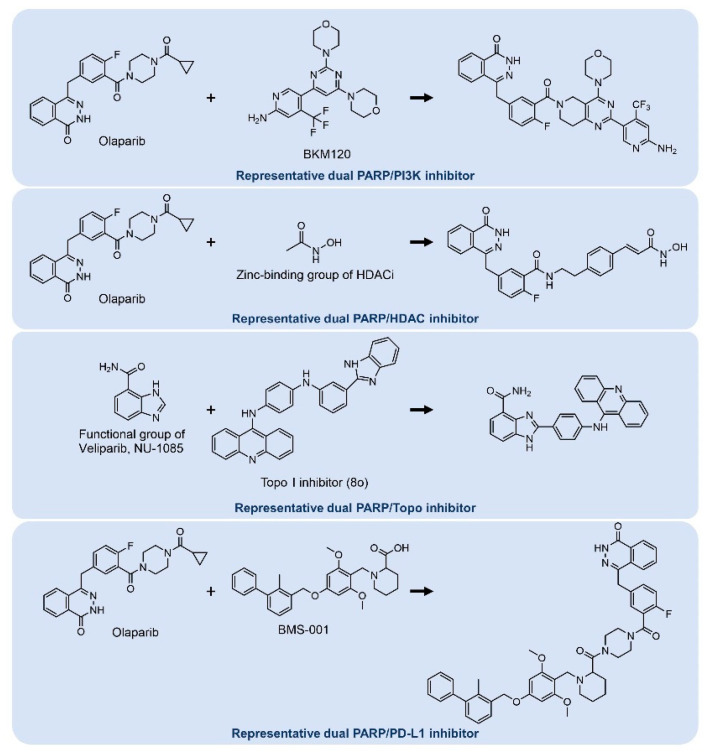
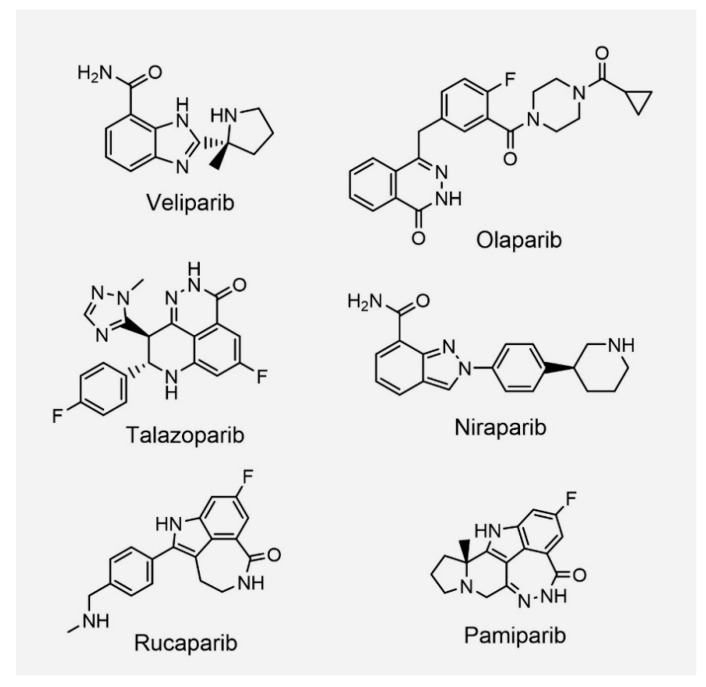
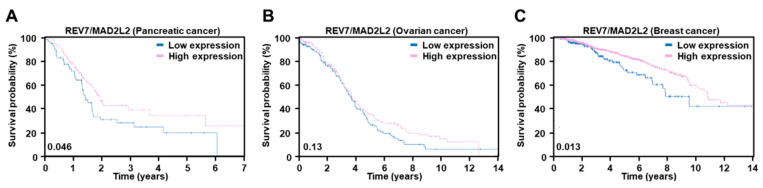
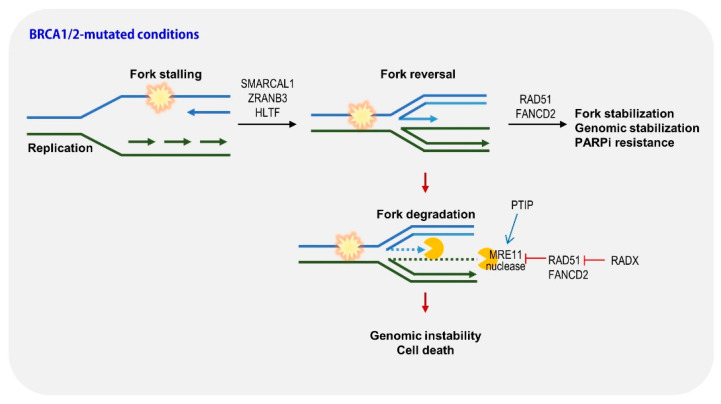
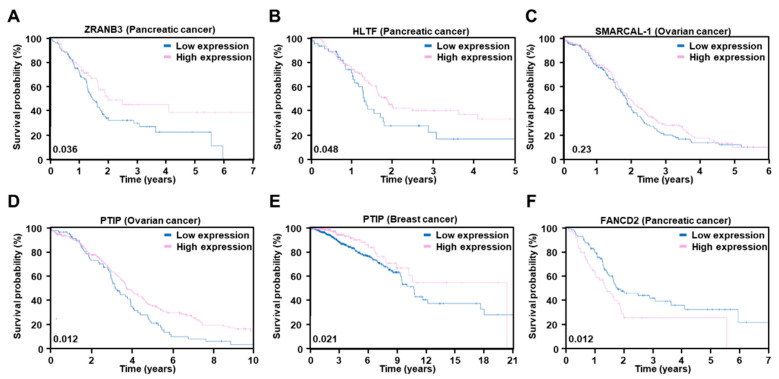
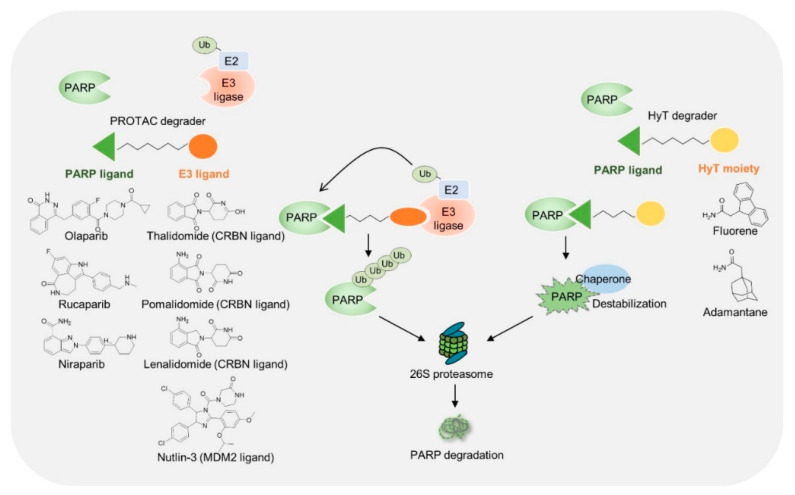
PARP inhibitors are the first clinically approved drugs that were developed based on synthetic lethality. PARP inhibitors have shown promising outcomes since their clinical applications and have recently been approved as maintenance treatment for cancer patients with BRCA mutations. PARP inhibitors also exhibit positive results even in patients without homologous recombination (HR) deficiency. Therapeutic effects were successfully achieved; however, the development of resistance was unavoidable. Approximately 40-70% of patients are likely to develop resistance. Here, we describe the mechanisms of action of PARP inhibitors, the causes of resistance, and the various efforts to overcome resistance. Particularly, we determined the survival probability of cancer patients according to the expression patterns of genes associated with HR restoration, which are critical for the development of PARP inhibitor resistance. Furthermore, we discuss the innovative attempts to degrade PARP proteins by chemically modifying PARP inhibitors. These efforts would enhance the efficacy of PARP inhibitors or expand the scope of their usage.
PARP 抑制剂是基于合成致死原理开发的首批临床批准药物。PARP 抑制剂自临床应用以来显示出良好的疗效,最近已被批准作为 BRCA 突变癌症患者的维持治疗药物。PARP 抑制剂在没有同源重组 (HR) 缺陷的患者中也表现出积极的结果。虽然成功地达到了治疗效果,但不可避免地会产生耐药性。大约 40-70%的患者可能会产生耐药性。在这里,我们描述了 PARP 抑制剂的作用机制、耐药的原因以及克服耐药的各种方法。特别地,我们根据与 HR 恢复相关的基因的表达模式来确定癌症患者的生存概率,这些基因对 PARP 抑制剂耐药性的发展至关重要。此外,我们还讨论了通过化学修饰 PARP 抑制剂来降解 PARP 蛋白的创新尝试。这些努力将提高 PARP 抑制剂的疗效或扩大其使用范围。